
Flowers
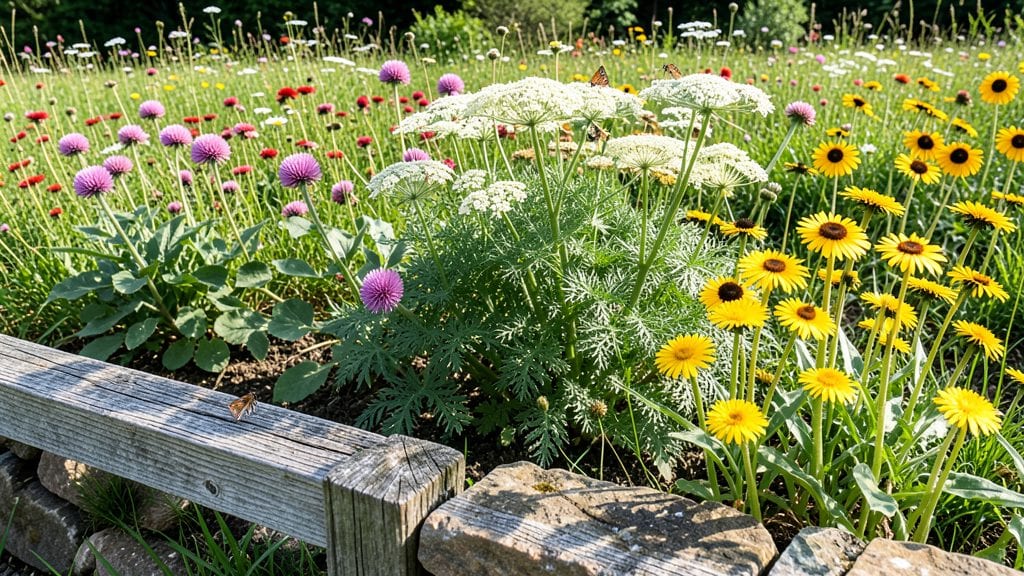
A meadow bursting with wildflowers transforms any Pacific Northwest yard into a buzzing, blooming paradise. 🌸 The key isn’t just throwing seeds—it’s choosing the right mix of native perennials that thrive in our damp winters and sunny summers, while supporting bees, butterflies, and hummingbirds year-round.
Start with a sunny patch of at least 100 square feet, even if it’s just a corner of your garden. Clear weeds, loosen the soil with a rake, and scatter seeds in late summer or early fall when moisture helps them establish.
Native wildflowers like yarrow, lupine, and checkermallow need minimal fuss—they’ll spread naturally and return every year.
By next spring, you’ll wake up to waves of color: purple lupines, bright orange poppies, and delicate white camas. The scent of blooms will draw hummingbirds to your porch, and bees will turn your garden into a thriving ecosystem.
Maintenance is easy—just mow once a year in late winter and let nature take care of the rest.
Whether you’re planting a small 5x5-foot patch or a full-acre meadow, this approach works. The Pacific Northwest’s mild climate makes it perfect for wildflowers that bloom from early spring through frost. Let’s bring that meadow magic to your yard!
📚 In This Guide
- What you need
- Instructions
- Tips and common mistakes
- Wrapping up and next steps
What you need
- ● Wildflower seeds: Choose a mix of native PNW species like Lupine, Yarrow, Columbine, and Checker Mallow. Aim for 2-4 lbs per 100 sq ft for a dense meadow.
- ● Soil: Well-draining, loamy soil (amend with compost if needed). Topsoil (2-3 inches deep) for planting.
- ● Mulch or straw: 1-2 inches thick to retain moisture and suppress weeds.
- ● Water source: Hose or irrigation system for consistent watering.
- ○ Fertilizer (optional but helpful): Low-phosphorus, native-plant-friendly fertilizer (follow package instructions).
- ● Garden rake: For leveling soil and removing debris.
- ● Broadcast spreader: To evenly distribute seeds (manual or electric).
- ● Hand trowel or hoe: For light soil aeration or weeding.
- ● Gloves: Heavy-duty gardening gloves for protection.
- ● Watering can or sprinkler: For gentle watering after planting.
- ● Native wildflower plugs: Pre-grown plants for instant color (great for filling gaps).
- ● Rocks or edging: To define meadow borders and deter foot traffic.
- ● Bird feeders or baths: Attract additional wildlife to your meadow.
- ● Wildflower seed tape: Pre-spaced seeds for precise planting.
- ● Soil test kit: To check pH and nutrient levels (PNW soil is often acidic).
Step-by-step instructions for creating a Pacific Northwest meadow
Here's how to design a thriving meadow that blooms year-round and supports local pollinators.
🌱 Step 1: Choose and Prepare Your Meadow Site
Select a sunny spot with at least 6 hours of direct sunlight daily—most Pacific Northwest wildflowers thrive in full sun. Avoid low-lying areas where water pools after rain, as soggy soil invites fungal diseases. Clear existing vegetation, including grass, using a sod cutter or by hand if the area is small. I like to mark the meadow boundaries with landscape fabric to prevent grass from creeping back in.
Test your soil's drainage by digging a 12-inch deep hole and filling it with water. If it takes more than 4 hours to drain, amend with 2-3 inches of coarse sand or plant on a mound. The Pacific Northwest's rainy climate means good drainage is non-negotiable—waterlogged roots will kill your meadow before it starts.
🌿 Step 2: Select Native Wildflower Seed Mixes
Choose a Pacific Northwest-specific wildflower seed mix that includes early bloomers like lupine and camas, mid-season favorites like yarrow and checkermallow, and late-season bloomers like goldenrod and aster. These varieties provide year-round color and support pollinators from spring through fall. Avoid mixes labeled for other regions—they won’t thrive in our climate.
Scatter seeds evenly across the prepared site, aiming for about 1/4 pound per 100 square feet. Lightly rake the seeds into the soil to ensure good seed-to-soil contact, but don’t bury them deeper than 1/8 inch. A gentle misting with water will help settle the seeds without washing them away—especially important in our rainy season.
☀️ Step 3: Establish and Maintain for Year-Round Blooms
Water lightly but consistently for the first 4-6 weeks until seedlings appear. Once established, wildflowers are drought-tolerant, but young plants need moisture to root deeply. You’ll notice the first sprouts in 2-3 weeks—don’t be alarmed if they look sparse at first. Many Pacific Northwest wildflowers take time to fill in.
Mow the meadow once a year in late winter or early spring before new growth appears. This removes dead plant material and prevents invasive grasses from taking over. Avoid fertilizing—native wildflowers thrive in poor soil and won’t respond well to added nutrients. Instead, let the natural ecosystem balance itself over time.
💧 Step 4: Support Pollinators Year-Round
Leave some areas of the meadow uncut in late summer and fall to provide seeds for birds and shelter for insects. Native bees, butterflies, and hummingbirds will visit your meadow if you include a variety of bloom times. Plant a few early spring bloomers like shooting star and fawn lily to give pollinators a head start after winter.
Monitor for invasive species like blackberry or ivy, which can take over if left unchecked. Pull them by hand or use a hoe to keep your meadow wildflower-dominated. Over time, your meadow will become a self-sustaining ecosystem that requires minimal maintenance—just enjoy the blooms and the buzz of pollinators!
Tips & tricks for perfect wildflower meadows
Here's what I've learned from creating thriving Pacific Northwest meadows that bloom reliably year after year.
Sunlight Strategy: That 6 hours of direct sunlight is non-negotiable for Pacific Northwest wildflowers. If your site gets less, consider creating a sun-loving meadow in containers or raised beds near your sunny windows. I've seen lupine and camas thrive in just 4 hours of sun, but they'll be less vigorous and bloom less prolifically. For maximum impact, position your meadow where it gets morning sun and afternoon shade if possible—this prevents afternoon wilting in our hot summers.
Drainage is Everything: The 4-hour drainage test in Step 1 is your best friend. If your soil fails this test, don't just add sand—create a raised bed instead. I've had clients dig trenches around their meadow sites and fill them with gravel to improve drainage. This simple step prevents root rot that can kill your meadow before it even starts blooming. Remember, Pacific Northwest winters are wet enough without adding standing water to the equation.
Seed Scattering Technique: When scattering that 1/4 pound of seed per 100 square feet, work in small sections—about 10x10 feet at a time. This ensures even coverage and prevents you from accidentally double-seeding some areas. I like to use a simple seed spreader or even a pie tin with holes poked in the bottom for consistent distribution. After scattering, give the seeds a gentle mist with a fine spray nozzle rather than a hose—this prevents washing them away in our rainy climate.
First-Year Patience: Those first sprouts in 2-3 weeks might look sparse, but don't panic! Many Pacific Northwest wildflowers establish slowly. I've seen meadows that looked nearly bare in their first year but exploded with color in year two. Mark your planting locations with small stakes if needed—it helps track progress. The key is consistent moisture during that critical 4-6 week establishment period, then letting nature take its course.
Pro Tips for Wildflowers In A Meadow
- Here's what I've learned from creating thriving Pacific Northwest meadows that bloom reliably year after year.
- Sunlight Strategy: That 6 hours of direct sunlight is non-negotiable for Pacific Northwest wildflowers.
- Drainage is Everything: The 4-hour drainage test in Step 1 is your best friend.
Frequently asked questions
Got questions about creating or maintaining a wildflower meadow in the Pacific Northwest? You’re not alone! Here are some of the most common queries—and their answers—to help you get started or troubleshoot along the way.
What’s the best time to plant wildflower seeds in the PNW?
For the Pacific Northwest’s mild, wet climate, late summer to early fall (August–September) is ideal. This timing lets seeds establish roots before winter rains arrive. Spring planting (March–April) also works but requires consistent moisture. Avoid planting in drought or extreme heat—seeds need gentle conditions to germinate!
How do I attract more pollinators to my meadow?
Native wildflowers like lupine, yarrow, and violet are pollinator magnets! Leave some areas slightly wild (avoid mowing until late summer) and include water sources like shallow dishes or birdbaths. Skip pesticides—even "natural" ones can harm bees and butterflies. Pro tip: Plant in clusters (3+ feet wide) to make flowers more visible to pollinators!
My meadow looks patchy—what’s going wrong?
Patchiness often stems from uneven soil prep, seed depth, or moisture issues. Check if seeds were buried too deep (most need light to germinate) or if the area gets too much foot traffic. Test your soil’s pH—PNW meadows thrive in slightly acidic to neutral (6.0–7.0) conditions. Try reseeding bare spots in fall or top-dress with compost to boost growth.
Can I grow wildflowers in a small space, like a balcony or garden bed?
Opt for dwarf or container-friendly varieties like California poppies, bachelor’s buttons, or sweet alyssum. Use lightweight potting mix in raised beds or large pots (at least 6 inches deep) with drainage holes. Group 3–5 plants together to mimic a meadow’s pollinator appeal. Just ensure they get 5+ hours of sun daily.
How often should I mow a wildflower meadow?
Wait until late summer or early fall (after seeds have set) to mow—this prevents cutting off next year’s blooms. For established meadows, mow once per year at 4–6 inches high. Never mow in spring when pollinators rely on early flowers. Leave "wild corners" for nesting bees and butterflies!
Will wildflowers survive PNW’s rainy winters?
Yes! Many native PNW wildflowers are perennials (like sword ferns, Oregon grape, and camas) and thrive in wet winters. Annuals (e.g., lupine, bluebonnets) may reseed naturally. To help, improve drainage in soggy spots with organic matter (compost or wood chips) and avoid overwatering once established.
Wrapping up and next steps
Transforming your space into a vibrant meadow isn’t just about beauty—it’s a gift to pollinators and the planet! 🌸 From choosing native wildflowers to maintaining your haven, every step supports biodiversity while bringing joy to your surroundings.
Whether you’re a seasoned gardener or just starting, your meadow will thrive with a little patience and care.
Ready to take the next step? Start small—plant a single patch this season and watch it grow into a thriving ecosystem. Share your progress with fellow nature lovers and inspire others to join the movement! 🌿✨