
Planting
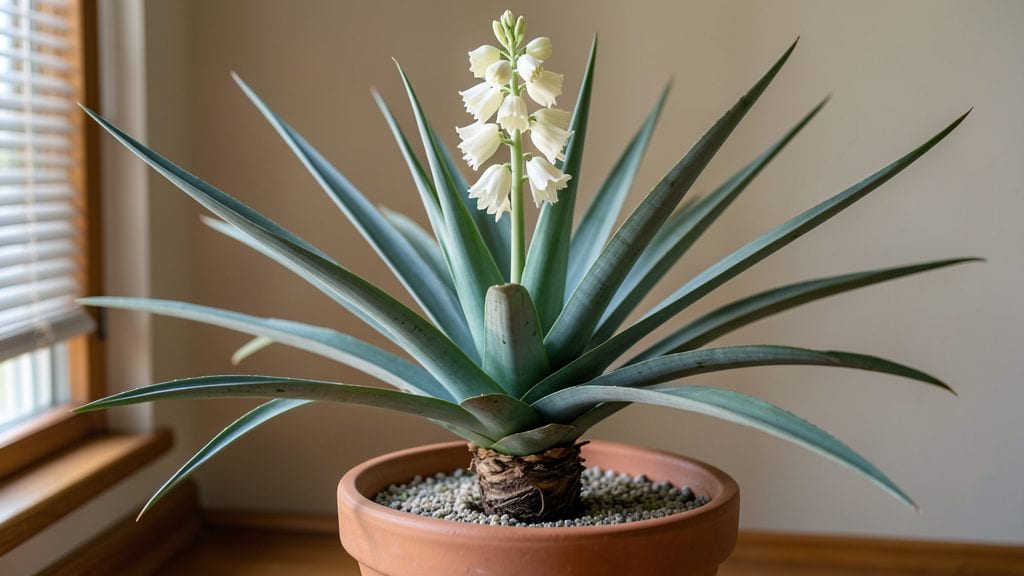
The moment that yucca plant’s flower stalk shoots up feels like a promise—until you realize how quickly it can fade. 🌱 I’ve watched mine rise like a torch in spring, only to brown and droop by summer, leaving me wondering if there’s a way to coax more blooms.
The secret isn’t just pruning; it’s understanding the plant’s rhythm and giving it the right support.
Yucca plants bloom on a schedule tied to maturity and sunlight. A healthy stalk can grow 3-6 feet tall in weeks, topped with clusters of fragrant white or cream flowers. But after blooming, the stalk dies back—unless you prune it correctly.
The key is timing: wait until the stalk turns completely brown before cutting, and you’ll encourage new growth from the base.
With the right approach, you’ll see bold second blooms the following year. The plant stores energy in its roots, so proper watering and well-draining soil make all the difference. I’ve had mine rebloom twice in three years by following these simple steps—no guesswork, just consistent care.
Whether you’re dealing with a first-time bloomer or a veteran yucca, the principles stay the same. Let’s turn that single stalk into a repeat performer, so your garden stays full of drama and fragrance for seasons to come.
📚 In This Guide
- What you need
- Instructions
- Tips and common mistakes
- Wrapping up and next steps
What you need
- ● Pruning shears or bypass pruners: Sharp, clean, and sterilized (rubbing alcohol works!). Look for a bypass design (not anvil) to avoid crushing stems.
- ● Rubbing alcohol (70% or higher): 1 small bottle (4 oz) for sterilizing tools.
- ○ Disposable gloves (optional but recommended): 1 pair to protect your hands from sap and debris.
- ○ Pruning sealant (optional for large cuts): 1 small tube (e.g., Tanglefoot Tree Wound Pruning Seal) to prevent disease entry.
- ● Newspaper or cardboard: Enough to cover your workspace (1–2 sheets) for easy cleanup.
- ● Water spray bottle: 1 (8 oz) to mist cut stems and reduce shock.
- ● Healthy, mature yucca plant: At least 3–5 years old with a thick, woody stalk (diameter ≥ 1 inch).
- ● Dormant or early spring timing: Prune after flowering (late winter to early spring) for best regrowth.
- ● Bright, indirect light: Ensure your workspace has natural light to inspect cuts thoroughly.
- ● Patience: Yucca recovery takes 4–8 weeks—don’t rush it!
How to prune a yucca plant's flower stalk for repeat blooms
Here's how I coax my mature yuccas into flowering again—no fancy tools, just sharp timing.
✂️ Step 1: Identify the Right Time to Prune
Wait until the flower stalk turns completely brown and crispy after blooming. This usually happens 4-6 weeks after the flowers fade. You'll know it's ready when you can snap the stalk easily at the base—it should break cleanly without resistance. If you prune too early, you risk damaging the plant's energy reserves.
I always prune on a dry morning after the dew has evaporated. This reduces the chance of fungal issues entering through the fresh cut. Never prune when the stalk is still green or moist—this stresses the plant unnecessarily. The goal is to remove the dead stalk while preserving the plant's stored energy for next year's growth.
✂️ Step 2: Cut at the Correct Angle and Location
Use clean, sharp pruners or shears to make your cut. Aim for 1-2 inches below where the flower stalk meets the main stem. This ensures you're cutting into healthy tissue rather than leaving a stub that can rot. Angle the cut slightly downward to help water run off and prevent pooling.
Here's the thing—I never cut flush with the stem. That tiny bit of extra tissue helps protect against water infiltration and disease. After cutting, wipe the blade with rubbing alcohol to sterilize it before making any other cuts. You'll see new growth emerging from the base within 2-3 weeks if you've timed it right.
🌱 Step 3: Stimulate New Growth with Proper Aftercare
After pruning, apply a balanced fertilizer (10-10-10) around the base but not touching the plant. This gives your yucca the nutrients it needs to recover and potentially produce another flower stalk. Water deeply right after pruning to help the plant adjust, but then reduce watering to every 2-3 weeks unless your climate is extremely dry.
Watch for new shoots emerging from the base of the plant. These are your signal that the pruning worked. If your yucca is mature (at least 5-6 years old), it may produce a second flower stalk within 6-12 months. Younger plants need more time to recover, so don't expect immediate results. Real talk: some yuccas take two years to flower again after pruning—patience is key.
☀️ Step 4: Optimize Light and Conditions for Future Blooms
Yuccas need full sun exposure (6+ hours daily) to flower reliably. If your plant isn't blooming, check its location first. Move it to a sunnier spot if needed—even partial shade can delay or prevent flowering. You'll notice leaves turning a deeper green and stems thickening when light conditions improve.
During the first 3 months after pruning, keep your yucca in a spot with moderate afternoon shade if you're in a very hot climate. This helps it recover without stress. After that period, return it to full sun. The combination of proper light, reduced watering, and fertilization creates the perfect conditions for your yucca to store energy for next year's bloom.
Tips & tricks for pruning yucca flower stalks
Here's what nobody tells you about getting your yucca to bloom again—and why most people fail at it.
Timing is Everything: That 4-6 week window after the flowers fade is critical. I learned this the hard way after pruning too soon and watching my yucca struggle for months to recover. The crispy brown stalk is your cue—it should snap easily at the base. If it resists, wait another week. Think of it like harvesting fruit: you want it fully ripe, not premature.
Cutting Technique That Makes All the Difference: In Step 2, that 1-2 inch cut below the base isn't just about aesthetics—it's about survival. The extra tissue creates a natural barrier against moisture and disease. I've seen pruning wounds rot when people cut too close, so take your time. And here's a secret: make the cut at a slight downward angle so water runs away from the plant instead of pooling. Your yucca will thank you with new growth in just 2-3 weeks.
Fertilizer Hack for Faster Recovery: The 10-10-10 fertilizer mentioned in Step 3 is your secret weapon, but timing matters. Apply it right after pruning when the plant is most receptive. I've found that adding a handful of compost to the soil mix makes an even bigger difference—it boosts microbial activity that helps roots absorb nutrients faster. Just keep it away from the stem to prevent rot.
Light Strategy for Second Blooms: That first 3 months of moderate afternoon shade is non-negotiable in hot climates. I've seen yuccas get sunburned when moved back to full sun too soon—the leaves turn yellow and crispy. Think of it like helping a patient recover from surgery: you wouldn't throw them into a marathon right away, would you? The shade gives your plant time to rebuild its energy reserves before tackling full sun again.
Pro Tips for Yucca Plant Flower Stalk
- Here's what nobody tells you about getting your yucca to bloom again—and why most people fail at it.
- Timing is Everything: That 4-6 week window after the flowers fade is critical.
- Cutting Technique That Makes All the Difference: In Step 2, that 1-2 inch cut below the base isn't just about aesthetics—it's about survival.
Frequently asked questions
Got questions about yucca plant flower stalks? You’re not alone! Here are answers to the most common queries—from pruning timing to troubleshooting—so you can keep your yucca thriving and blooming like a pro.
When is the best time to prune a yucca flower stalk after it blooms?
Prune the spent flower stalk only after it turns brown and dies back completely—usually 1–3 months post-bloom. Cut it at the base with clean, sharp shears to avoid damaging the plant. Never prune while the stalk is still green! This ensures energy isn’t wasted on regrowth.
Can I cut a yucca flower stalk while it’s still in bloom?
Nope! Cutting a yucca flower stalk mid-bloom stops the plant from flowering again that season. Yuccas store energy in their stalks—let them fully bloom and fade naturally. If you’re eager for another bloom, wait until the stalk is completely dead before pruning.
How long does it take for a yucca to grow a new flower stalk after pruning?
Yuccas vary, but most produce a new flower stalk within 6–12 months after pruning, depending on sunlight, soil health, and maturity. Younger plants may take longer. Pro tip: Fertilize lightly after pruning to encourage regrowth!
What if my yucca doesn’t bloom after pruning the old stalk?
Don’t panic! Common reasons include lack of sunlight (yuccas need 6+ hours of direct sun), poor soil (amend with gritty, well-draining mix), or overwatering. Check these first. If the plant is young (<3 years old), it may simply need more time to mature.
Can I propagate the cut flower stalk?
Yes! Once pruned, you can root the stalk in water or soil to propagate a new yucca plant. Cut the stalk into 4–6" sections, let them dry for a day, then plant in cactus/succulent mix. Roots should form in 2–4 weeks—just be patient!
Wrapping up and next steps
Growing a stunning yucca plant flower stalk is all about patience, precision, and a little plant love! By mastering pruning techniques—like cutting back spent blooms, encouraging new growth, and protecting your plant from pests—you’ll unlock bold second blooms that steal the show. 🌿✨
Ready to turn your yucca into a flowering superstar? Start small: pick one technique to try this season, and watch your plant thrive. Happy pruning—your future blooms will thank you!