
Flowers
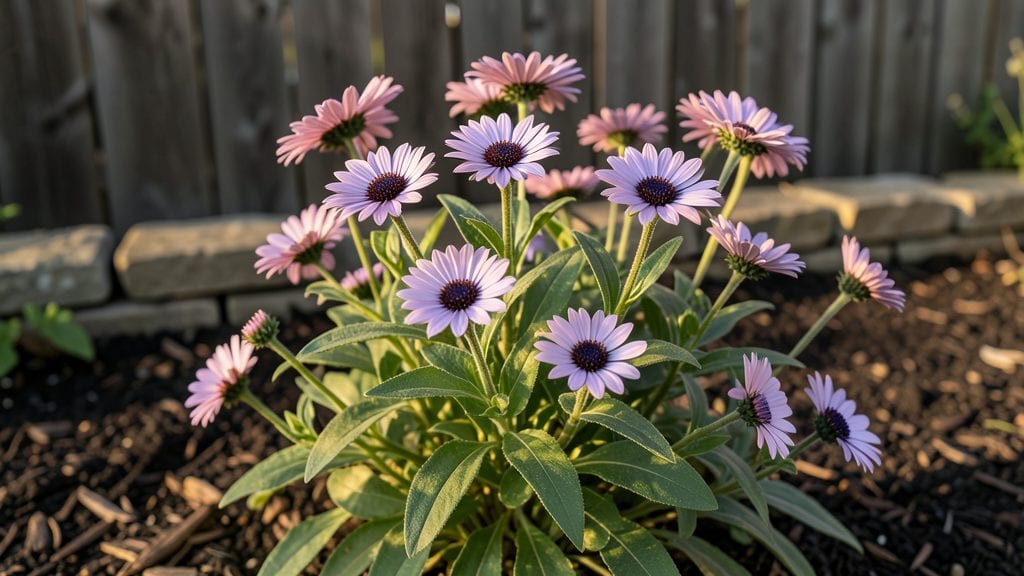
African daisies (Dimorphotheca spp.) transform any garden into a sun-drenched masterpiece with their bold, papery blooms that refuse to quit—even when summer heat tries to slow them down. 🌻 I’ve grown these cheerful flowers for years, and they’ve never failed to deliver that shockingly lush vertical impact, especially in cooler climates where other annuals wilt.
The secret lies in their drought-tolerant roots and love for well-drained soil, making them the perfect low-maintenance star for borders, containers, or cutting gardens.
These flowers thrive in full sun (at least 6 hours daily) and average garden soil, though they’ll reward you with longer blooms if you mix in some gritty sand or gravel. Watering is simple: let the soil dry between drinks, and avoid soggy roots—African daisies hate wet feet.
Plant seeds directly after your last frost or start indoors 6-8 weeks earlier for a head start. Once established, they’ll self-seed like crazy, giving you free blooms for seasons to come.
By mid-summer, your garden will be bursting with bright yellow, orange, or white daisies that last from early June until frost—longer than most annuals. Their papery petals add texture and movement, while their vertical stems create natural height in any arrangement.
Plus, they’re deer-resistant, so you won’t have to worry about hungry critters snacking on your hard work.
Whether you’re filling a sunny border, brightening a patio container, or adding cut flowers to your bouquets, African daisies deliver bold color with minimal fuss. Ready to grow a garden that’s as tough as it is beautiful? Let’s get those seeds in the ground!
📚 In This Guide
- What you need
- Instructions
- Tips and common mistakes
- Wrapping up and next steps
What you need
- ● African daisy plants: Seeds (50–100, depending on desired coverage) or
- ● Young nursery plants (3–5, spaced 12–18 inches apart)
- ● Well-draining potting mix: 1–2 bags (50 lbs each) of a blend with perlite or sand (e.g., African violet mix or cactus/succulent soil)
- ● Containers or garden bed: For pots: 6–12-inch diameter containers with drainage holes (1–2 per plant)
- ● For in-ground: Full sun (6+ hours/day) with slightly acidic to neutral soil (pH 6.0–7.0)
- ● Fertilizer: Balanced liquid fertilizer (10-10-10 or 20-20-20, diluted to half-strength)
- ○ Mulch (optional): 1–2 inches of organic mulch (e.g., straw or pine bark) to retain moisture.
- ● Gardening tools: Trowel or small shovel
- ● Pruning shears (for deadheading)
- ● Watering can or hose with a gentle spray nozzle
- ○ Gloves (optional, for handling prickly stems)
- ● Climate readiness: Hardiness zones: 9–11 (or grow as annuals in cooler zones)
- ● Temperature tolerance: 50–85°F (avoid frost!)
- ● Lighting (for indoor growers): Grow lights (12–14 hours/day) if natural light is limited.
- ● 🌡️ Test your soil—African daisies hate soggy roots! Amend heavy clay with compost.
- ● ✨ Deadhead spent blooms regularly to encourage non-stop flowering.
- ● 🔥 Use elevated pots if your area gets heavy rainfall to prevent root rot.
How to cultivate thriving African daisies in your garden
Here's my battle-tested approach to growing these striking vertical bloomers—where light, soil, and timing make all the difference.
🌱 Step 1: Choose the Perfect Planting Location
African daisies (Dimorphotheca sinuata) demand full sun exposure—at least 6-8 hours of direct sunlight daily. Partial shade leads to weak stems and sparse blooms. I always scout my garden first: mark spots where sunlight hits consistently, even in winter. These plants won’t tolerate urban smog or industrial pollution, so rural or suburban gardens with clean air work best.
Wait until after the last frost date in spring—these tender perennials (in mild climates) or annuals (in colder zones) won’t survive freezing soil. Use a soil thermometer to confirm soil temperatures above 55°F before planting. In cooler regions, start seeds indoors 8-10 weeks before transplanting to extend the blooming season.
🪴 Step 2: Prepare Soil and Plant with Precision
Amend your garden bed with well-draining soil—African daisies hate soggy roots. Mix in 1-2 inches of coarse sand or perlite per square foot to improve drainage if your soil feels heavy when squeezed. The ideal pH range is 6.0-7.0; test your soil and adjust with lime (to raise pH) or sulfur (to lower it) if needed.
Plant seeds ¼ inch deep or transplants 12-18 inches apart to allow airflow and prevent fungal diseases. I like to create small mounds of soil for each plant—this encourages stronger root development and better drainage. Water deeply immediately after planting to settle the soil around roots, but avoid compacting it further.
☀️ Step 3: Maintain Water and Fertility for Continuous Blooms
Water deeply 2-3 times per week during the first growing season, ensuring the top 6 inches of soil stay moist but not waterlogged. Once established, African daisies are drought-tolerant, but consistent moisture produces larger, more vibrant blooms. I use a drip irrigation system set to deliver ½ gallon per plant per watering to avoid wetting the foliage (which invites powdery mildew).
Feed plants with a balanced 10-10-10 fertilizer every 4-6 weeks during the growing season. Stop fertilizing 6-8 weeks before the first frost to encourage hardier stems. Deadhead spent blooms regularly—this redirects energy to new flowers and extends the blooming period by 4-6 weeks. Use clean, sharp pruners and make cuts just above the next set of leaves.
✂️ Step 4: Prune and Overwinter for Next Season
After the first frost blackens the foliage, cut back stems to 2-3 inches above the soil line. This prevents disease buildup in dead plant matter and makes next year’s regrowth stronger. In USDA Zones 8-10, African daisies often return as perennials—mulch heavily with 2-3 inches of straw or shredded leaves to protect roots from winter temperature swings.
In colder climates, treat them as annuals. Collect seeds from the dry, papery seed heads in late fall for next year’s planting. Store seeds in a cool, dry place (like a sealed jar in the fridge) until spring. Here’s the thing—if you skip deadheading and mulching, you’ll lose next year’s potential blooms to weak stems and fungal rot.
Tips & tricks for perfect African daisy cultivation
These battle-tested insights will help you coax out the boldest, most vibrant blooms from your African daisies—no matter what your climate throws at you.
Sunlight Strategy: I can't stress this enough: those 6-8 hours of direct sunlight are non-negotiable. If your garden gets less, consider using reflective surfaces like white walls or mirrors to bounce extra light onto your plants. I've seen daisies in partial shade grow, but they'll be leggy and produce fewer blooms—think of it as the difference between a sun-drenched masterpiece and a pale, underwhelming sketch.
Soil Science: The 6.0-7.0 pH range is your sweet spot, but here's what nobody tells you—African daisies actually prefer slightly alkaline soil (closer to 7.0) over acidic. Test your soil before planting, and if you need to adjust, lime is your friend. That 1-2 inches of sand or perlite isn't just for drainage—it also prevents the soil from compacting around those delicate roots, which is crucial for preventing root rot in cooler climates.
Watering Wisdom: Those 2-3 weekly waterings during the first season need to be strategic. Water in the early morning so leaves have time to dry before evening—this prevents fungal diseases like powdery mildew. And here's my secret: I always water at the base of the plant, avoiding the foliage completely. Think of it like giving your daisies a spa treatment rather than a shower.
Fertilizer Timing: The 4-6 week feeding schedule is perfect, but I've learned the hard way that timing matters just as much as quantity. Always fertilize after a good watering—this prevents salt buildup in the soil that can burn roots. And that 6-8 week cutoff before frost? That's when your plants start preparing for dormancy, so giving them a break from feeding helps them build up reserves for next season.
Pro Tips for African Daisies Flowers
- These battle-tested insights will help you coax out the boldest, most vibrant blooms from your African daisies—no matter what your climate throws at you.
- Sunlight Strategy: I can't stress this enough: those 6-8 hours of direct sunlight are non-negotiable.
- Soil Science: The 6.0-7.0 pH range is your sweet spot, but here's what nobody tells you—African daisies actually prefer slightly alkaline soil (closer to 7.0) over acidic.
Frequently asked questions
Got questions about growing African daisies? You’re not alone! Here are some of the most common queries—and their answers—to help you cultivate these striking blooms with confidence.
How do I keep African daisies from flopping over?
African daisies (like Osteospermum varieties) can get top-heavy, but a few tricks help! Plant them in well-draining soil and stake them early with bamboo supports or a small cage. Prune leggy stems to encourage bushier growth. For extra stability, try dwarf varieties like ‘Blue Bird’ or ‘Pink Petticoat.’
When is the best time to plant African daisies?
For cool-climate zones (USDA 7-10), plant in early spring after the last frost or in late summer for fall blooms. In warmer regions, avoid peak summer heat—opt for spring or fall planting. African daisies thrive in full sun (6+ hours/day), so choose a spot with consistent light. Pro tip: Harden off seedlings for 7–10 days before transplanting!
Why aren’t my African daisies blooming?
Overwatering or too much fertilizer can stunt flowers—focus on balanced blooming formulas (like 10-10-10) and water only when the top inch of soil is dry. Deadhead spent blooms regularly to encourage new flowers. If blooms are sparse, check for shade issues or crowding—these daisies need airflow and sun to shine!
Can I grow African daisies in containers?
Use large pots (12+ inches wide) with drainage holes and a lightweight potting mix. Choose compact varieties like ‘Sunny Smile’ for containers. Water frequently in hot weather, and fertilize every 4–6 weeks. Place pots in full sun and rotate them occasionally for even growth. Bonus: Mix with trailing plants (like Sweet Potato Vine) for a vibrant display!
Are African daisies frost-tolerant?
Most Osteospermum varieties are tender perennials and die back in frost (below 20°F/-7°C). In mild winters (USDA 8+), they may survive with mulch, but annual planting is safest. In colder areas, grow them as summer annuals or overwinter seeds indoors. Pro tip: Cut back dead stems in spring—they’ll bounce back with fresh blooms!
Wrapping up and next steps
African daisies are a stunning, low-maintenance choice for gardeners in cooler climates—packing vibrant blooms and resilience into one easy-care package! 🌸 Whether you’re a beginner or a seasoned gardener, their vertical growth habit and bold colors make them a standout addition to any space. With the right soil, sunlight, and a little patience, you’ll soon be enjoying their cheerful faces year after year.
Ready to bring these beauties to life? Start by gathering your supplies, picking the perfect spot, and diving in with confidence. Your garden (and future pollinators!) will thank you. Happy planting! 🌱