
Planting
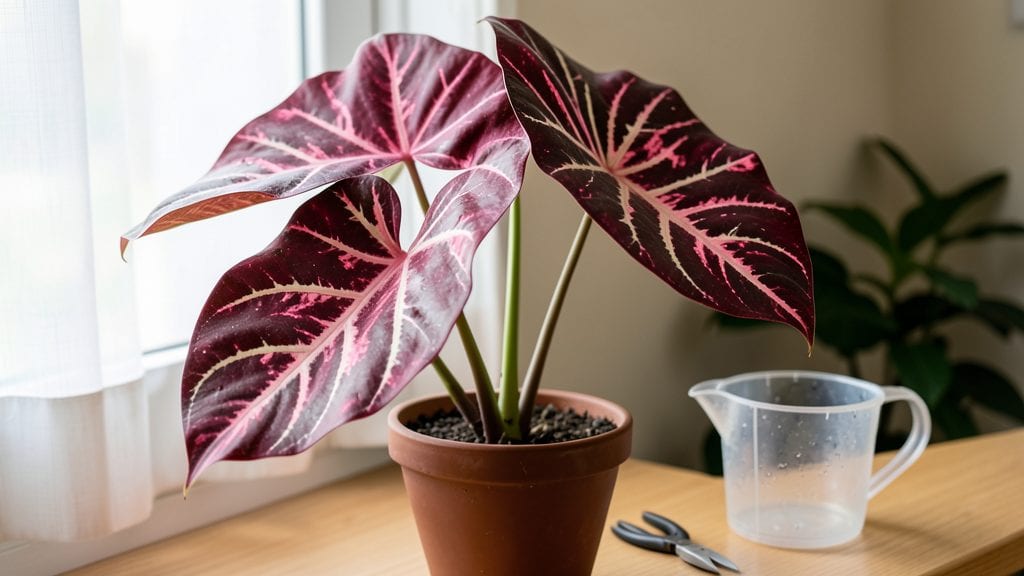
Growing angel wings plant flowers means bringing those striking, starburst leaves into your space—whether indoors or out—where they’ll thrive year-round with the right care. 🌿 I’ve learned the hard way that these tropical beauties aren’t as finicky as they look, but they do need consistent warmth and humidity to show off their signature patterns.
The payoff? Lush foliage that feels like a living work of art, even in winter.
Start with the basics: bright, indirect light (think east-facing windows or a grow light) and a well-draining potting mix that stays slightly moist but never soggy. Angel wings plants love humidity—misting daily or setting them on a pebble tray with water keeps their leaves crisp and vibrant.
For outdoor gardeners in warm climates, they’ll even tolerate partial shade, though they’ll reward you with occasional blooms in summer.
Propagation is where things get exciting. Divide mature tubers in spring or take stem cuttings from healthy growth—both methods work like a charm if you keep the roots warm and moist.
Even if you miss the flowering window (which is rare but possible), the foliage alone is enough to make any space feel lush and intentional. With just a few adjustments, you’ll have angel wings plants that look like they’ve been in your collection for years.
Here’s the secret: these plants forgive mistakes, but they do hate drafts and cold snaps. A simple heat mat under containers in winter or a humidifier nearby can make all the difference.
Once you’ve got the rhythm down, you’ll wonder why you didn’t start sooner—because nothing says “garden magic” like a room full of angel wings plants reaching for the light.
📚 In This Guide
- What you need
- Instructions
- Tips and common mistakes
- Wrapping up and next steps
What you need
- ● Angel Wings Plant Tubers: 1–3 tubers (depending on desired cluster size)
- ● Choose healthy, firm tubers with visible "eyes" (growth points).
- ● Potting Mix: 1 bag (5–10 quarts) of well-draining, peat-based mix (e.g., African violet or caladium blend)
- ○ Optional: Add perlite or orchid bark (10–20%) for extra aeration.
- ● Containers: 1–3 pots (6–8 inches deep) with drainage holes
- ● For outdoor planting: Loosen soil to 12–18 inches deep and amend with compost.
- ● Tools: 1 small trowel or spoon (for planting tubers)
- ● 1 spray bottle (for misting)
- ○ 1 pair of gardening gloves (optional, but helpful for soil handling)
- ● Light: Bright, indirect light (e.g., east-facing windows or 6–8 hours of dappled sunlight outdoors).
- ● Temperature: Ideal: 65–80°F (18–27°C) during the day.
- ● Cold-hardy varieties: Can tolerate brief dips to 35°F (2°C) but thrive best above 50°F (10°C).
- ● Humidity: 50–70% (use a humidity tray or pebble tray if indoors).
- ● Water: Keep soil evenly moist but not soggy (avoid waterlogging!).
- ● Fertilizer: Balanced liquid fertilizer (10-10-10) (diluted to half-strength, applied every 4–6 weeks).
- ● Mulch: Organic mulch (e.g., shredded bark) to retain moisture and regulate soil temp.
- ● Grow lights: LED full-spectrum bulb for supplementing low-light conditions.
- ● Plant labels: To track varieties (especially if experimenting with colors!).
How to grow angel wings plant flowers for stunning year-round color
These cold-resistant beauties thrive with minimal fuss—here's how to coax their starburst blooms all season.
🌱 Step 1: Choose the Perfect Planting Spot
Angel wings (also called four o'clocks) adore full sun to partial shade—at least 6 hours of sunlight daily for best blooms. I always plant mine where they'll get morning sun and afternoon shade in hotter climates. The key is well-draining soil; these plants hate soggy roots. If your soil drains poorly, mix in 2-3 inches of compost before planting to improve texture.
Here's the thing—these flowers are tough enough for USDA zones 2-11, but they'll bloom most prolifically in zones 7-10. In cooler areas, they'll still flower but may go dormant in winter only to bounce back in spring. Watch for the first true leaves to appear after planting; that's your signal the roots are establishing.
🪴 Step 2: Plant Seeds or Transplants at the Right Time
For seeds, sow 4-6 weeks before your last frost date indoors or directly in the garden after all danger of frost has passed. Press seeds ¼ inch deep—they need light to germinate, so don't bury them too deeply. I use a seed-starting mix that's light and airy, and I keep it moist but never soggy until germination, which typically takes 7-14 days at 70-75°F.
If using transplants, space them 12-18 inches apart to give their bushy habit room to spread. The reason for this spacing is that angel wings can get leggy if crowded, and you want those starburst blooms to shine, not compete for sunlight. Water deeply after planting to settle the soil around the roots—you'll know it's right when water runs out the drainage holes.
☀️ Step 3: Water and Fertilize for Continuous Blooms
Water once a week during the first month to help roots establish, then reduce to every 10-14 days once mature. These plants are drought-tolerant once established, but they'll reward you with more blooms if kept consistently moist. The trick is to water deeply—1 inch per week—rather than frequent shallow waterings. You'll see the soil surface dry out between waterings, which is your cue to water again.
Feed with a balanced 10-10-10 fertilizer every 4-6 weeks during the growing season to encourage nonstop blooms. I like to mix the fertilizer into the soil at the base of the plant rather than applying it to the leaves. Stop fertilizing in late summer to allow the plant to harden off for winter. Here's where it gets fun—watch the blooms open in the late afternoon, revealing their striking star-shaped flowers.
✂️ Step 4: Prune and Maintain for Long-Lasting Beauty
Deadhead spent blooms regularly to encourage more flowers and prevent the plant from seeding itself everywhere. I pinch off faded flowers with my fingers—no need for pruners unless the stems are woody. Prune back leggy growth in early spring to promote bushier, more compact plants. This is the moment that matters: after pruning, you'll see new growth within 2-3 weeks, signaling the plant is recovering beautifully.
In colder climates, cut back the plant to 4-6 inches tall in late fall or early winter. The plant will regrow in spring, and you'll be rewarded with fresh blooms earlier in the season. Don't skip this step—I learned the hard way that leaving the plant standing over winter can lead to weak growth and fewer blooms the following year.
Tips & tricks for perfect angel wings plant flowers
Real talk: These starburst bloomers are forgiving, but these little tricks will make all the difference in your garden's summer spectacle.
Sunlight Strategy: Those 6 hours of sunlight daily are non-negotiable for peak blooms, but here's the secret: morning sun and afternoon shade in hotter zones actually produces more vibrant flowers. I've seen angel wings in full afternoon sun get sunburned leaves while the same variety with morning sun thrives. If you're in a hot climate, plant them where they'll get the morning rays and afternoon respite.
Germination Hack: The 7-14 days germination window at 70-75°F can feel like forever, but don't give up! Place your seed trays on a heating mat set to 75°F to cut that time in half. I've seen germination happen in just 5-7 days with this little boost. Just keep the soil consistently moist—not soggy—during this critical period.
Fertilizer Timing: Those 4-6 weeks between feedings might seem long, but here's why it works: angel wings respond better to less frequent, more concentrated feeding. I've found that mixing the 10-10-10 fertilizer directly into the soil at planting gives them a slow-release boost that lasts through the first feeding cycle. Stop fertilizing in late summer to let the plants toughen up for winter—this prevents weak growth that might not survive cold snaps.
Winter Prep: That 4-6 inch winter cutback might seem drastic, but trust me on this: it's the difference between a plant that bounces back strong in spring and one that struggles. I've seen angel wings left standing over winter produce half as many blooms the following season. Cut them back after the first hard frost, and you'll be rewarded with earlier spring blooms and bushier plants.
Pro Tips for Angel Wings Plant Flowers
- Real talk: These starburst bloomers are forgiving, but these little tricks will make all the difference in your garden's summer spectacle.
- Sunlight Strategy: Those 6 hours of sunlight daily are non-negotiable for peak blooms, but here's the secret: morning sun and afternoon shade in hotter zones actually produces more vibrant flowers.
- Germination Hack: The 7-14 days germination window at 70-75°F can feel like forever, but don't give up!
Frequently asked questions
How long does it take for angel wings plants to flower?
The wait is worth it! With proper care, angel wings (Helleborus argutifolius) typically produce their first flowers 12–18 months after planting. Patience pays off—once established, they’ll reward you with year-round blooms (especially in mild climates) or late winter to early spring bursts in colder zones.
Can angel wings survive winter frost?
These plants are cold-hardy to USDA Zones 4–9, making them perfect for snowy climates. Their evergreen foliage stays intact, and the flowers often bloom through light frost. Just ensure they’re planted in well-draining soil to prevent root rot—mulch lightly in extreme winters for extra protection.
Why aren’t my angel wings flowering?
No flowers? Don’t panic! Common culprits include:
- Too much shade: They thrive in partial shade (4–6 hours of sun).
- Over-fertilizing: Use a low-phosphorus fertilizer (like 5-10-5) in early spring.
- Young plants: First-year plants focus on roots. Give them 2+ years to mature.
- Poor drainage: soggy soil = no blooms. Amend clay soil with compost.
What’s the best alternative if I can’t grow angel wings?
If your climate or conditions aren’t ideal, try these low-maintenance, cold-tolerant alternatives with similar charm:
- Helleborus niger (Christmas rose): Blooms in winter, fragrant flowers.
- Lamium orvala (dead nettle): Silver foliage + purple blooms, shade-loving.
- Primula denticulata (cowslip): Early spring flowers, thrives in damp soil.
- Cyclamen coum: Delicate pink/purple blooms in late winter.
How do I propagate angel wings plants?
Spread the joy! The easiest method is division:
- Timing: Divide in early spring (before new growth) or fall.
- Dig up the clump and gently separate roots with a knife.
- Replant divisions 6–12 inches apart in well-draining soil.
- Water deeply and mulch to retain moisture.
Wrapping up and next steps
The angel wings plant (or Caladiumangel wing plant flowers or its low-maintenance charm, this tropical beauty proves that growing bold, show-stopping plants doesn’t require a greenhouse—just a little patience and care!
Ready to spread your wings? 🌿 Start by sharing your newfound knowledge with fellow plant lovers or treating yourself to a few more varieties to expand your collection. Your garden (and your Instagram feed) will thank you!