
Planting
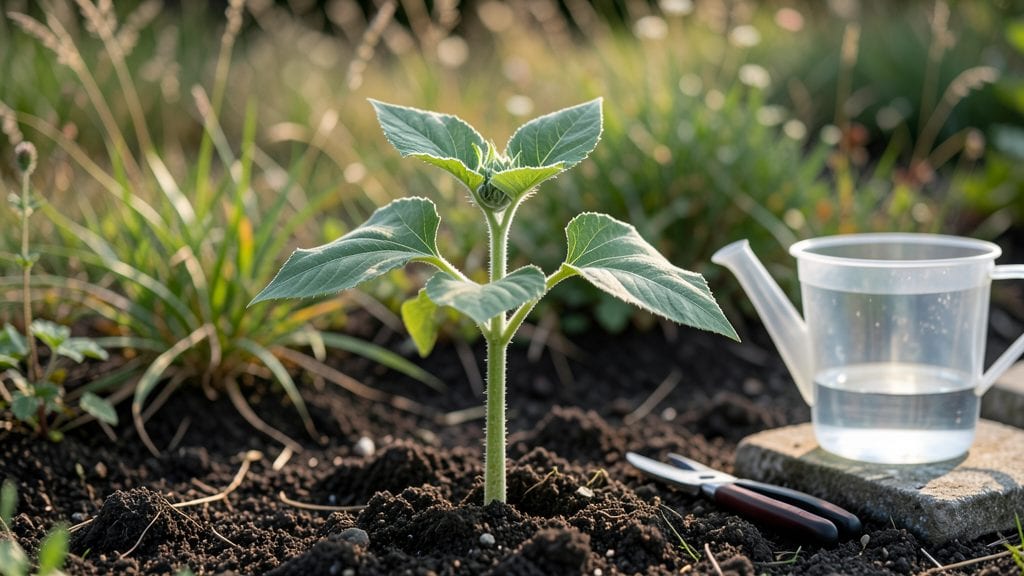
Those first sunflower leaves are your golden ticket to a towering, sun-drenched harvest. 🌻 I’ve watched hundreds of seedlings, and the ones that shoot up strong in their first week are the ones that reach 10 feet by summer—it all starts with those initial leaves.
The moment you spot that first pair of cotyledons (those round, fuzzy leaves), you’ll know you’re on the right track.
Here’s the secret: keep the soil warm (70-80°F) and moist—not soggy, just damp like a wrung-out sponge. Sunflowers need full sun from day one, so place seeds where they’ll get at least 6-8 hours of direct light daily.
If the leaves turn yellow or look limp, it’s usually overwatering or poor drainage. Adjust and watch them perk up within days.
📚 In This Guide
- What you need
- Instructions
- Tips and common mistakes
- Wrapping up and next steps
What you need
- ● Sunflower seeds: Non-GMO, heirloom, or hybrid varieties (e.g., Sunflower ‘Moulin Rouge’ or ‘Autumn Beauty’). Quantity: 5–10 seeds (for testing germination).
- ● Seed-starting mix: Lightweight, sterile potting soil (avoid garden soil—it’s too dense!). Quantity: 1 small tray (1020-cell or 72-cell) or 4–6 small pots (3–4 inches deep).
- ● Containers: Seedling trays with drainage holes (recommended), OR
- ● Small pots (3–4 inches deep) with drainage holes.
- ● Watering can or spray bottle: With a fine mist setting to avoid disturbing seeds.
- ● Grow lights or sunny windowsill: Grow lights: LED full-spectrum bulb (12–16 hours/day).
- ● Sunny spot: South-facing window (6+ hours of direct light).
- ● Plastic wrap or humidity dome: To retain moisture during germination.
- ● Plant labels & marker: To track varieties and planting dates.
- ● Heating mat: (70–75°F) for faster germination (especially in cool climates).
- ● Fertilizer: Balanced liquid fertilizer (5-5-5 or 10-10-10) diluted to half-strength for first feeding.
- ● Thermometer: To monitor soil temperature (ideal: 70–80°F).
- ● Tweezers: For delicate seed handling (if seeds are tiny).
How to identify and encourage healthy sunflower seedling growth
Here's how to recognize those crucial first leaves—and keep them thriving.
🌱 Step 1: Understand What "First Leaves" Really Look Like
Sunflower seedlings actually have two growth phases before true leaves appear. The first leaves you'll see are the cotyledons—those thick, rounded leaves that emerge within 7-14 days after planting. They're not true leaves but serve as the plant's first food source, storing energy until the real leaves develop.
True sunflower leaves will appear after 10-14 days of growth and look completely different—long, narrow, and jagged-edged. These are your signal that the plant is establishing its full photosynthetic system. I always mark my calendar when I plant seeds so I know exactly when to watch for these critical changes.
☀️ Step 2: Provide Ideal Conditions for Fast, Healthy Emergence
Sunflowers need warm soil (70-80°F) to germinate quickly. If your soil feels cool to the touch, place a clear plastic dome over the seedling tray or use a heat mat to maintain consistent warmth. The faster the germination, the sooner you'll see those first true leaves—usually within 1-2 weeks after sprouting.
Position seedlings within 12-18 inches of a south-facing window or under a grow light providing 14-16 hours of light daily. Without enough light, seedlings grow leggy and weak, delaying the appearance of true leaves. You'll know the light is right when the stems stay sturdy and the cotyledons remain dark green, not pale yellow.
💧 Step 3: Water Strategically Without Overdoing It
Keep the soil evenly moist but never soggy during germination. I use a spray bottle to mist the soil lightly every 2-3 days until the first true leaves appear. Overwatering at this stage causes the stems to weaken, making them more prone to damping-off disease.
Once you see the first true leaves, reduce watering slightly. Let the top ½ inch of soil dry out between waterings—this encourages stronger root development. You'll notice healthy seedlings have firm stems and vibrant green leaves, while underwatered ones wilt slightly in the afternoon and overwatered ones develop yellowing at the base.
🌿 Step 4: Recognize and Respond to Growth Signals
When those first true leaves appear, they'll emerge from the stem below the cotyledons and look completely different—long, lance-shaped, and deeply serrated. This is your confirmation that the plant is transitioning from seedling to established growth. I always snap a photo at this stage to track progress.
At this point, increase fertilizer slightly if using one—just a ¼-strength solution of balanced fertilizer every 2 weeks. You'll see the leaves grow larger and more vibrant within a week. If leaves appear pale or stunted, it's a sign of either insufficient light or nutrient deficiency.
⏰ Step 5: Prepare for the Next Growth Phase
Once the first true leaves reach about 2-3 inches in length, it's time to thin seedlings if they're crowded. Use small scissors to snip unwanted seedlings at soil level rather than pulling them to avoid disturbing roots. This ensures your remaining plants have enough nutrients and space to grow strong.
Watch for the first signs of the central stem elongating—this is when the classic sunflower shape begins to form. By this stage, you'll know whether your plants are on track for healthy, vigorous growth or need adjustments in light, water, or nutrients.
Tips & tricks for identifying healthy sunflower seedling growth
These insights will help you spot those crucial first leaves faster and keep your seedlings thriving from day one.
Growth Timeline Intelligence: The 7-14 day window for cotyledons and 10-14 day window for true leaves can feel vague—but here's the secret: Track from the moment you plant, not when they sprout. I keep a small calendar with my seed packets and mark planting day as "Day 0". This makes the 14-day true leaf window actually 21-28 days from planting, giving you a more precise countdown.
Lighting Strategy: Those 14-16 hours of light per day are non-negotiable, but here's how to optimize: Position your grow lights 6-12 inches above seedlings and adjust height as they grow. I use a simple clip-on LED light that costs $15 and fits perfectly over my seedling tray. The key is maintaining consistent light intensity—if stems stretch toward the light, they're not getting enough. Watch for cotyledons that stay dark green rather than pale yellow.
Watering Precision: The "evenly moist but never soggy" rule can be tricky with sunflowers. Here's my foolproof method: Stick your finger 1 inch into the soil. If it feels damp but not wet, you're golden. For the first 2-3 days after sprouting, I actually reduce watering to prevent damping-off. Once true leaves appear, let the top ½ inch dry out between waterings—this builds stronger roots that can support those towering sunflowers later.
Fertilizer Timing: That ¼-strength balanced fertilizer every 2 weeks is perfect, but here's what I've learned: Only start fertilizing after true leaves appear. Before that, seedlings are using their own energy reserves. I use fish emulsion for sunflowers because it's high in nitrogen for leaf growth but also contains micronutrients they'll need later. And never fertilize if leaves look pale—this is a light deficiency, not a nutrient one.
Pro Tips for Sunflower First Leaves
- These insights will help you spot those crucial first leaves faster and keep your seedlings thriving from day one.
- Growth Timeline Intelligence: The 7-14 day window for cotyledons and 10-14 day window for true leaves can feel vague—but here's the secret: Track from the moment you plant, not when they sprout.
- Lighting Strategy: Those 14-16 hours of light per day are non-negotiable, but here's how to optimize: Position your grow lights 6-12 inches above seedlings and adjust height as they grow.
Frequently asked questions
Got questions about those first sunflower leaves? You’re not alone! Here are some of the most common concerns—and their answers—to help you grow confidently.
Why do sunflower first leaves look different from later ones?
The first leaves (called cotyledons) are small, round, and often fuzzy or hairy. They’re not true leaves—they store energy for the plant! Later leaves will be larger, jagged, and more familiar-looking. Think of them as the plant’s baby steps before full growth!
How long does it take for sunflower first leaves to appear?
With proper warmth (70–85°F) and moisture, sunflower first leaves usually emerge within 7–14 days after planting. If you’re growing indoors, use a heat mat to speed things up. Patience is key—slow germination can happen in cooler soils!
What if my sunflower first leaves turn yellow or wilt?
Yellowing or wilting first leaves often signal overwatering, poor drainage, or cold soil. Let the soil dry slightly between waterings and ensure pots/drainage holes are present. If leaves feel mushy, reduce water immediately. A sunny spot (6+ hours of light) also helps prevent stress!
Can I replant sunflower first leaves if they’re damaged?
If the cotyledons are damaged but the stem is still firm and green, the plant can often recover. Avoid replanting—just keep the soil moist and provide bright light. True leaves (the jagged ones) will take over soon. If the stem is mushy or black, sadly, it’s time to replant seeds.
Are there any alternatives to sunflowers for fast-growing first leaves?
Yes! Try radishes, lettuce, or nasturtiums for quick first-leaf action. Radishes sprout in just 3–5 days, while nasturtiums grow fast and are edible. Sunflowers are dramatic, but these options are great for impatient gardeners!
Still stumped? Drop your sunflower struggles in the comments—we’ve got you covered!
Wrapping up and next steps
Watching your sunflower’s first leaves unfurl is like unlocking a secret code to its future health and beauty! 🌱 These early signs—from vibrant color to sturdy stems—tell you exactly what your plant needs to thrive.
Whether you’re a gardening pro or just starting, paying attention to these details sets the stage for stunning, sun-soaked blooms later on.
Ready to take your sunflower game to the next level? Grab your notebook and jot down observations, then experiment with different growing conditions! 🌞 Try planting a few more seeds—you’ll be amazed at how quickly you’ll spot those perfect first leaves again. Happy growing!