
Flowers
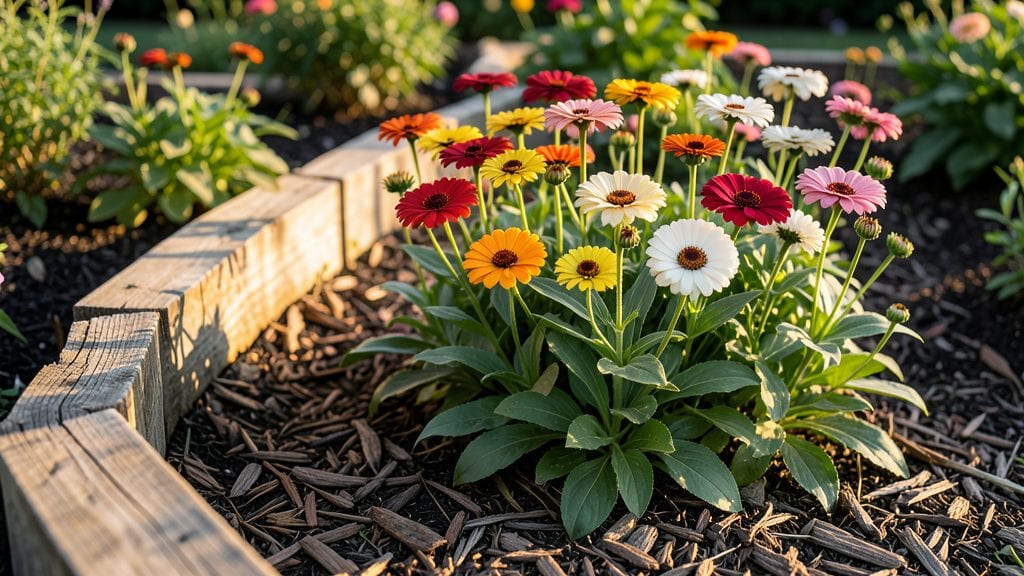
Crafting a showstopping annual flower bed plans for the Pacific Northwest’s damp, mild climate starts with bold colors and plants that outshine soggy soil struggles—trust me, soil prep is non-negotiable. ignoring rain patterns means wilting blooms by July—but the right bed stays vibrant all season long.
The secret lies in three layers of plants: tall backdrops like sunflowers or snapdragons, mid-height zinnias or petunias, and trailing alyssum or lobelia at the edges. This creates depth while keeping maintenance simple—no deadheading every other day, just occasional snips to encourage new blooms.
Pacific Northwest gardens need plants that handle both morning sun and afternoon drizzle without fuss.
By the time summer arrives, you’ll have a bed that pops with color without demanding constant attention. The key is mulching heavily to retain moisture and suppress weeds, plus a slow-release fertilizer at planting time.
Even in rainy seasons, the right mix stays lush and full—no wilting, no gaps, just constant blooms from spring through fall.
This approach works for any size bed, from a 4-foot-wide border to a 6-foot circular island. The same principles apply whether you’re filling a new space or refreshing an old one. Let’s turn your garden into a year-round showstopper with minimal effort.
📚 In This Guide
- What you need
- Instructions
- Tips and common mistakes
- Wrapping up and next steps
What you need
- ● Soil: 2–3 cubic yards of well-draining, organic-rich soil (amend with compost if your native soil is heavy or clay-like).
- ● Annual Flowers: Choose Pacific Northwest-friendly varieties like: 10–15 Petunias (spreading or trailing types)
- ● 10–12 Geraniums (zonal or ivy types)
- ● 8–10 Impatiens (for shade)
- ● 6–8 Coleus (for bold foliage)
- ● 4–6 Marigolds (for pest resistance)
- ● Mulch: 2–3 bags of shredded cedar or bark mulch (2–3 inches deep) to retain moisture and suppress weeds.
- ● Fertilizer: Slow-release balanced granular fertilizer (10-10-10) or organic options like fish emulsion.
- ● A garden trowel or hand shovel for planting.
- ● A hoe or weeder for clearing weeds.
- ● A wheelbarrow or garden cart for hauling soil/mulch.
- ● Gloves (gardening or work gloves).
- ● Watering can or hose with a gentle spray nozzle (soaker hoses are ideal!).
- ○ Optional: A soil pH tester (to ensure optimal conditions, ideally 6.0–7.0).
- ● Edging tools (for clean bed lines).
- ● Drip irrigation kit (for automated watering).
- ● Sunlight Assessment: Confirm your bed gets full sun (6+ hrs/day) or partial shade (3–6 hrs)—adjust flower choices accordingly.
- ● Water Access: Ensure a nearby water source (hoses or irrigation) for consistent moisture.
- ○ Weed Barrier (Optional): Lay landscape fabric under mulch if your area has aggressive weeds.
How to design a Pacific Northwest annual flower bed with minimal upkeep
This approach blends resilient plants with natural rain patterns for vibrant color that thrives without fuss.
Select Drought-Tolerant Annuals for Pacific Northwest Conditions
Choose annuals that thrive in the region's cool, moist summers and mild winters. Focus on varieties like lobelia, snapdragons, sweet alyssum, and petunias—they handle 40-50°F nights and 60-70°F days without wilting. Avoid heat-loving tropicals like marigolds, which struggle in the PNW's cooler climate. I always select self-cleaning varieties (like 'Wave' petunias) to reduce deadheading chores.
Group plants by water needs: shade-tolerant lobelia near the bed's north side, sun-loving snapdragons in the center, and trailing alyssum along edges. This zoning minimizes irrigation adjustments later. Check each variety's mature height—petunias reach 12-18 inches, while snapdragons grow 18-24 inches—to avoid overshadowing smaller plants.
Prepare Soil with Organic Matter for Moisture Retention
Remove existing vegetation and loosen soil to 12 inches deep with a garden fork. Amend the native soil with 3 cubic feet of compost per 4-foot section of bed. The PNW's heavy clay or sandy soils benefit from this organic boost, which improves drainage while holding moisture during occasional dry spells. I sift in a ½-inch layer of coconut coir on top to suppress weeds naturally.
Test soil pH—most annuals prefer 6.0-7.0. If your soil runs acidic (common in the PNW), mix in 1 cup dolomitic lime per 10 square feet. Work the amendments into the top 6 inches of soil, then rake smooth. Avoid tilling too deeply; annual roots rarely penetrate beyond 12 inches, and excessive disturbance can compact the subsoil.
Plant in Staggered Rows for Continuous Bloom
Create three staggered rows across the bed's length, spacing plants 8-12 inches apart depending on mature size. Start with tallest varieties (snapdragons) at the back, medium-height (petunias) in the middle, and trailing types (lobelia, alyssum) at the front. This arrangement prevents leggy growth from shading out smaller plants. I plant 2-3 inches deeper than the nursery pot to encourage root stability in the region's frequent rains.
Water deeply immediately after planting to settle roots, then let the soil dry slightly before the next watering. Overwatering at this stage can lead to root rot, especially in the PNW's damp climate. Mulch with 2 inches of shredded bark after planting to conserve moisture and suppress weeds—critical during the region's cool, wet springs when germination is unpredictable.
Implement a Watering Schedule That Matches Pacific Northwest Rainfall
Water early in the morning to allow foliage to dry before evening humidity sets in. In spring and fall, when natural rainfall often exceeds 1 inch per week, reduce supplemental watering to every 7-10 days. During summer's occasional dry spells, increase frequency to every 3-4 days, checking soil moisture by inserting a finger 1 inch deep—water when dry. Drip irrigation placed 6 inches from plants minimizes leaf wetness, reducing fungal risks like powdery mildew.
Fertilize lightly every 4-6 weeks with a balanced 10-10-10 formula (½ teaspoon per plant). The PNW's nutrient-rich soils often require less feeding than southern climates. Over-fertilizing here leads to soft, sappy growth that attracts slugs—a common PNW pest. I always pair feeding with a light mulch top-up to protect roots during the region's cool, wet winters.
Tips & tricks for Pacific Northwest annual flower beds
Creating a stunning annual flower bed that thrives in the Pacific Northwest’s unique climate takes a few strategic adjustments. Here’s how to ensure your design not only survives but flourishes with minimal fuss.
Climate-Specific Plant Pairings: The PNW’s cool, moist summers and mild winters mean you should prioritize plants that handle 40-50°F nights and 60-70°F days without wilting. For example, pair lobelia, which thrives in partial shade, with snapdragons in the center of your bed—their vertical growth adds height while tolerating full sun. This arrangement naturally creates microclimates within the bed, reducing stress on individual plants. I’ve found that sweet alyssum along the edges not only trails beautifully but also deters pests like aphids, which are common in the region’s damp conditions.
Soil Preparation for Moisture Balance: The PNW’s heavy clay or sandy soils can be tricky, so focus on improving drainage while retaining moisture. When amending soil with 3 cubic feet of compost per 4-foot section, mix in a ½-inch layer of coconut coir on top—this acts as a natural weed suppressant and helps regulate soil temperature. If your soil tests acidic (which is common in the PNW), don’t skip the 1 cup of dolomitic lime per 10 square feet—it’s a game-changer for root health. Work amendments into just the top 6 inches of soil, since annual roots rarely penetrate deeper than 12 inches, and avoid over-tilling, which can compact the subsoil.
Planting Depth and Spacing for Stability: In Step 3, planting 2-3 inches deeper than the nursery pot might seem counterintuitive, but it’s crucial for root stability in the PNW’s frequent rains. The extra depth encourages roots to spread outward rather than upward, which prevents toppling in windy conditions. When spacing plants 8-12 inches apart, consider the mature height of each variety—petunias (12-18 inches) should never overshadow lobelia or alyssum, which stay compact. This staggered arrangement also allows air to circulate, reducing the risk of fungal diseases like powdery mildew, which thrive in the region’s humid summers.
Watering and Mulching for Low-Maintenance Success: The PNW’s unpredictable rainfall means your watering schedule should be flexible. After planting, water deeply to settle roots, then let the soil dry slightly before the next watering to prevent root rot. Mulch with 2 inches of shredded bark—this not only conserves moisture but also suppresses weeds, which is especially helpful during the region’s cool, wet springs. For supplemental watering, stick to the early morning to allow foliage to dry before evening humidity sets in. During summer dry spells, check soil moisture by inserting a finger 1 inch deep—this simple test ensures you’re not overwatering, which can lead to slug infestations, a common PNW pest.
Pro Tips for Annual Flower Bed Plans
- Creating a stunning annual flower bed that thrives in the Pacific Northwest’s unique climate takes a few strategic adjustments.
- Climate-Specific Plant Pairings: The PNW’s cool, moist summers and mild winters mean you should prioritize plants that handle 40-50°F nights and 60-70°F days without wilting.
- Soil Preparation for Moisture Balance: The PNW’s heavy clay or sandy soils can be tricky, so focus on improving drainage while retaining moisture.
Frequently asked questions
Got questions about planning your annual flower beds in the Pacific Northwest? You’re not alone!
Here are some of the most common queries—and their straightforward answers—to help you create a stunning, low-maintenance display that thrives in our unique climate.
What’s the best time to plant annuals in the Pacific Northwest?
For most annuals, aim for late spring to early summer (after the last frost, typically May–June). However, cool-season annuals like pansies or sweet peas can go in early spring or fall. Check your local frost dates—PNW’s mild winters let some flowers bloom year-round with the right choices!
How often should I water my annual flower bed?
Water deeply 2–3 times per week during the first month, then taper to 1–2 times weekly once established (adjust for heatwaves or drought). Morning watering is best to reduce evaporation and fungal risks. Mulch (2–3 inches) helps retain moisture—critical for PNW’s variable rainfall!
Can I mix perennials with annuals in the same bed?
Pairing low-growing perennials (like creeping thyme or heuchera) with annuals creates a layered, long-lasting look. Just avoid crowding perennials that spread aggressively (e.g., mint or hostas). Annuals fill gaps and provide seasonal color—win-win!
How do I keep pests away from my annual flower bed?
Prevent pests with healthy soil (rich in compost), neem oil sprays, and beneficial insects like ladybugs. PNW-specific culprits include slugs (use beer traps!) and aphids. Rotate plants yearly to disrupt pest cycles, and remove spent blooms to deter diseases.
What are the easiest annuals for beginners in the PNW?
Start with hardy, low-fuss picks like:
- Zinnias (drought-tolerant, blooms all summer)
- Marigolds (pest-repellent, thrives in heat)
- Petunias (spiller for edges, loves sun)
- Snapdragons (cool-season, great for borders)
What do I do with my annuals at the end of the season?
Don’t toss them! Pull and compost spent plants to prevent pests/diseases. Save seeds from self-seeders (like cosmos) or cut back to the ground. Use the space for fall-planted bulbs (e.g., tulips) or cover with mulch for winter protection.
Wrapping up and next steps
Creating a stunning, low-maintenance annual flower bed in the Pacific Northwest doesn’t have to be overwhelming—just follow your climate-friendly blueprint! With the right plants, soil prep, and a touch of seasonal care, you’ll enjoy vibrant blooms year after year with minimal effort. 🌸
Now that you’re armed with expert tips and FAQs, it’s time to grab your gloves and get planting! Start small with one bed, experiment with colors, and watch your garden transform. Happy gardening—your future self (and pollinators!) will thank you.
- Next steps: Sketch your design, gather supplies, and dive in! 🌱
- Need inspiration? Browse seasonal plant pairings for extra flair.