Flowers
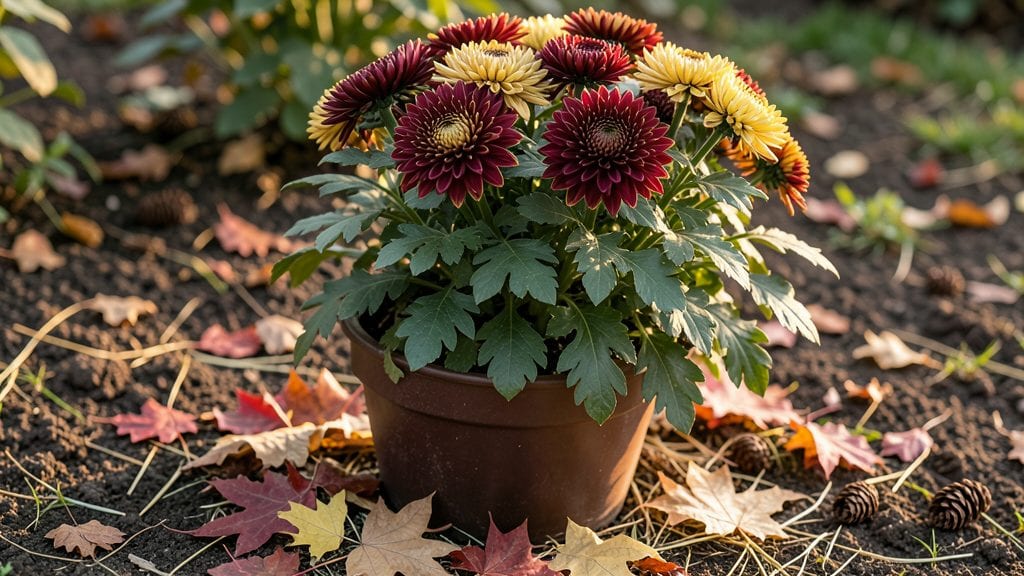
Autumn flowers in season bring the Pacific Northwest's damp, cool air to life with vibrant bursts of color that defy frost—my garden's late-season stars are the ones that keep me reaching for my camera until Thanksgiving. 🌿 The secret isn't just choosing the right varieties like chrysanthemums or asters; it's knowing when to plant them for that extra 6-8 weeks of blooms before winter sets in.
I've learned that timing matters almost as much as the flowers themselves.
Most of these frost-resistant beauties thrive with minimal fuss once established—think well-draining soil, a spot with morning sun, and regular deadheading to push new blooms. My go-to varieties include hardy mums that bloom until hard frost and New England asters that attract butterflies right up until snowfall.
The key is starting seeds indoors by mid-summer or buying sturdy transplants in early fall.
By late October, your garden can still be a riot of color if you play your cards right. Picture deep purples, fiery oranges, and golden yellows holding their own against misty mornings, with bees still buzzing between blooms.
The real magic happens when you pair them with evergreens for contrast—suddenly, your yard becomes a postcard-worthy escape.
This works equally well for containers on patios, raised beds, or full sun borders. The only rule? Don't wait until September to plant—give these late bloomers time to establish roots before winter arrives. Trust me, your autumn garden will thank you.
📚 In This Guide
- What you need
- Instructions
- Tips and common mistakes
- Wrapping up and next steps
What you need
- ● Autumn flowers in season: Choose from frost-resistant varieties like Japanese anemones, asters, sedum, or chrysanthemums (3–5 plants per section for a full look).
- ● Well-draining soil: 5–10 bags (20 lbs each) of peat moss or compost to amend clay-heavy PNW soil.
- ● Organic fertilizer: 1 bag of balanced 10-10-10 or slow-release rose/flower food.
- ● Mulch: 3–4 cubic feet of pine bark or straw mulch to protect roots from frost.
- ● Garden tools: 1 trowel
- ● 1 pruning shears
- ● 1 hand fork (for aerating soil)
- ● Container gardening: 3–5 10–12 inch pots with drainage holes (for patio displays).
- ● Drought-resistant plants: Add heuchera or coral bells (1–2 plants) for contrast.
- ● Decorative accents: Small garden stakes (for tall varieties like asters)
- ○ Garden flags to label plants (optional but cute!)
- ● Indoor arrangements: 1–2 clear vases (12–18 inches tall)
- ● Floral preservative (1 bottle) to extend vase life.
- ● Sunlight: Partial shade to full sun (6+ hours/day for most PNW varieties).
- ● Watering schedule: Deep watering 2–3 times per week (adjust for rain).
- ● Frost awareness: Monitor USDA Zone 7–9 frost dates (typically late October–November).
- ● Local expertise: Check with PNW nurseries (e.g., Willamette Flowers) for region-specific tips!
How to create a stunning autumn flower display in the Pacific Northwest
Here's how I design a frost-resistant, show-stopping flowerbed that thrives through fall's chill.
🌱 Step 1: Select the Right Frost-Resistant Varieties
For the Pacific Northwest's cool climate, I always choose hardy autumn bloomers like sedum (autumn joy), mums (New England varieties), asters, and heuchera. These plants handle 25-30°F temperatures without damage. Check your local nursery for Pacific Northwest-specific cultivars—they're bred to perform in our damp, cool conditions.
I like to mix three heights: tall asters (2-3 feet) as backdrops, medium mums (1-2 feet) in the middle, and low heuchera or sedum (6-12 inches) at the front. This creates a natural layered look that catches light beautifully in autumn's shorter days. Avoid anything labeled "tender" or "warm-climate"—those won't survive our frosts.
☀️ Step 2: Prepare the Planting Area for Cool-Season Growth
Start by clearing the area of weeds and loosening the soil to a depth of 6-8 inches. The Pacific Northwest's acidic, clay-heavy soil needs amendment—I mix in 2-3 inches of compost and a handful of slow-release fertilizer (10-10-10 works well). This gives roots the nutrients they need to establish before winter.
Here's the thing—don't over-till. Just break up the soil enough to create pockets for roots. Overworking it can compact the soil again and stress your plants. After amending, water deeply to settle everything. The soil should feel moist but not soggy—like a wrung-out sponge. This ensures roots get established before the first frost.
🪴 Step 3: Plant with Proper Spacing and Mulch for Insulation
Follow the spacing guidelines on your plant tags, but add 1-2 inches to allow for autumn growth. Crowded plants compete for nutrients and light, which weakens them before winter. For example, asters should be 18-24 inches apart, while sedum can handle 12 inches. I like to arrange them in odd-numbered groups (3, 5, or 7 plants) for a natural, balanced look.
After planting, spread 2-3 inches of mulch (I use cedar chips for their natural frost resistance) around each plant, keeping it 2 inches away from stems. This mulch layer acts like a blanket, protecting roots from temperature swings. Water again after mulching to help settle everything. You'll notice the soil stays cooler longer—this is key for autumn plant health.
✂️ Step 4: Maintain with Light Care and Deadheading
Autumn flowers need less water than summer bloomers, but don't let the soil dry out completely. Water deeply once a week unless we have a dry spell, then increase to every 4-5 days. Check by sticking your finger 1 inch into the soil—if it feels dry, it's time to water. Morning watering is best to prevent fungal issues from evening moisture.
Deadhead spent blooms regularly to encourage new growth and extend the season. For mums, I snip off 1/3 of the plant after the first flush of flowers to promote a second bloom. For sedum, I leave the seed heads—they add winter interest and attract birds. Here's a trick: use clean, sharp scissors and cut at a 45-degree angle just above a leaf node to encourage bushier growth.
⏰ Step 5: Prepare for Frost and Winter Dormancy
When nighttime temperatures drop below 35°F, it's time to protect tender foliage. I cover mums with frost cloth if a hard freeze is forecast, but leave sedum and asters uncovered—they handle frost beautifully. The key is gradual acclimation: start covering for 2-3 hours the first time, then increase as temperatures drop.
After the first hard frost, reduce watering to every 2 weeks unless we have an unusually dry spell. The plants will go dormant naturally, and the mulch will insulate roots through winter. In early spring, remove old mulch, add a fresh 1-inch layer, and water lightly to wake up the roots. You'll see new growth within 2-3 weeks—that's your signal everything survived the winter.
Tips & tricks for perfect autumn flower displays
Creating a show-stopping autumn flowerbed in the Pacific Northwest takes a few thoughtful tricks to ensure your hardy bloomers thrive. Here's what I've learned from years of designing frost-resistant displays that dazzle through fall.
Selection Tip: When choosing your asters and mums, look for plants with vibrant, healthy foliage—not just flowers. The leaves of heuchera should be deep green or burgundy, and sedum should have plump, succulent stems. These signs indicate strong, resilient plants that'll handle our cool climate. I always check for Pacific Northwest-specific labels at local nurseries—they're the secret to surviving our damp, chilly autumns.
Soil Prep Secret: The 6-8 inch soil loosening in Step 2 is crucial, but here's the thing: use a broadfork instead of a tiller if possible. A broadfork breaks up soil without compacting it again, which is exactly what we want for those 2-3 inches of compost and 10-10-10 fertilizer. After amending, press down gently with your foot—this helps the soil hold moisture better during our unpredictable autumn rains. The moist but not soggy test is your guide here.
Planting Strategy: For that perfect layered look, I recommend starting with the tallest plants first. Place your asters at the back, then work forward with mums in the middle, and finally the low-growing heuchera or sedum at the front. This creates a natural progression that catches light beautifully. Pro tip: arrange plants in odd-numbered groups—three or five plants create a more dynamic display than even numbers.
Frost Protection: When those temperatures drop below 35°F, remember that gradual acclimation is key. Start with just 2-3 hours of frost cloth coverage the first time, then increase as temperatures drop further. This helps plants adjust without shock. For sedum and asters, you can skip covering entirely—they're built to handle 25-30°F temperatures with ease. The mulch you applied earlier becomes your best defense against temperature swings.
Pro Tips for Autumn Flowers In Season
- Creating a show-stopping autumn flowerbed in the Pacific Northwest takes a few thoughtful tricks to ensure your hardy bloomers thrive.
- Selection Tip: When choosing your asters and mums, look for plants with vibrant, healthy foliage—not just flowers.
- Soil Prep Secret: The 6-8 inch soil loosening in Step 2 is crucial, but here's the thing: use a broadfork instead of a tiller if possible.
Frequently asked questions
Got questions about embracing the Pacific Northwest’s stunning autumn blooms? Here’s what you need to know to make the most of this seasonal spectacle—from timing to care tips!
When is the best time to plant autumn flowers in the PNW?
The ideal window for planting frost-resistant autumn flowers like sedum, mums, or heuchera is late summer to early fall (August through September). This gives roots time to establish before winter, while avoiding the heat stress of summer planting. Pro tip: Wait until nighttime temperatures drop below 70°F (21°C) for healthier transplants!
Which flowers thrive in the PNW’s cool, damp autumn climate?
The Pacific Northwest’s mild, wet autumn favors hardy perennials and annuals like Japanese anemones, aster, coral bells (heuchera), and Russian sage. These varieties handle frost, partial shade, and occasional rain—perfect for the region’s variable weather. Bonus: Bulbs like tulips and daffodils planted now will reward you with spring blooms!
How do I protect autumn flowers from early frost?
Most PNW-native autumn flowers are frost-tolerant, but tender varieties (like cosmos) may need a light cover of frost cloth or a mulch layer (2–3 inches) to insulate roots. Avoid plastic, which can trap moisture. Quick fix: Water deeply before a freeze—hydrated soil retains heat better!
Can I still enjoy autumn flowers if I don’t have a garden?
Opt for container gardening with frost-resistant picks like pansies or ornamental kale. Visit local nurseries (e.g., Ballard Nursery) for pre-potted autumn blooms, or create a mini "windowsill garden" with herbs like thyme (which doubles as a pollinator magnet!).
What should I do with dead or dying autumn flowers?
For perennials, trim back dead foliage in late winter (after the first frost) to encourage new growth. For annuals, remove spent blooms to prevent seed production (unless you want self-seeding flowers like lobelia). Compost tip: Chop up leaves and stems first—they’ll break down faster!
| Quick Reference | Action |
|---|---|
| Planting Time | Late August–September |
| Frost Protection | Mulch + frost cloth for tender plants |
| Container-Friendly Picks | Pansies, ornamental kale, thyme |
| Deadheading Rule | Trim perennials in late winter; remove annuals post-frost |
Wrapping up and next steps
Autumn in the Pacific Northwest is a breathtaking spectacle, and its frost-resistant flowers like Starburst are the stars of the show. 🌿 From vibrant asters to hardy sedums, these blooms bring color and joy even as temperatures drop.
Whether you're a gardener or simply a nature lover, embracing these seasonal beauties can transform your outdoor space—or even inspire your next floral adventure!
Ready to dive in? Start small—plant a few frost-resistant favorites in your garden, or visit local nurseries to explore more varieties. Your autumn garden will thank you with a burst of color that lasts well into the cooler months! 🌸