
Flowers
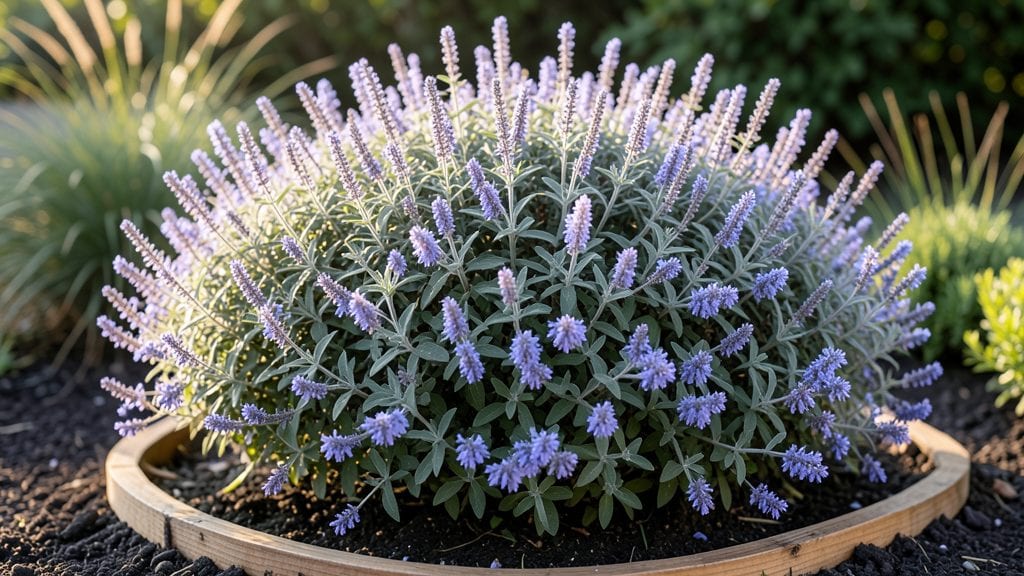
Caryopteris, or blue beard flower, is the Pacific Northwest’s unsung hero for pollinators and drought-tolerant beauty—its silvery foliage and cascading blue blooms transform any garden into a hummingbird magnet. 🌿 I planted mine last spring, and by midsummer, it was already covered in bees and butterflies, proving how tough yet elegant this shrub truly is.
The best part? It thrives where other plants wilt, asking for little more than good drainage and occasional pruning.
This hardy shrub loves full sun and well-draining soil, making it perfect for slopes, borders, or even containers on patios. Water it deeply once established, and you’ll spend far less time fussing than with finicky annuals.
Prune back in late winter to encourage dense growth, and watch it rebound with fresh, vibrant foliage by spring. The key to its success is patience—it grows slowly but steadily, rewarding gardeners with years of effortless beauty.
Imagine a garden where blue blooms last from mid-summer to fall, attracting pollinators while needing almost no care. That’s the magic of Caryopteris, a plant that stays lush even in dry spells and harsh winters.
Pair it with lavender for a fragrant, drought-resistant combo, or let it climb a trellis for a stunning vertical display. Once you see it in action, you’ll wonder how you ever gardened without it.
Whether you’re a beginner or a seasoned gardener, this plant delivers foolproof results with minimal effort. It’s the kind of shrub that makes gardening feel easy—no fuss, just stunning color and life. Ready to add a pollinator powerhouse to your landscape? Let’s get growing!
📚 In This Guide
- What you need
- Instructions
- Tips and common mistakes
- Wrapping up and next steps
What you need
- ● Seeds: High-quality Cordylanthus pilosus seeds (10–20 seeds for a small patch, 50+ for a larger display). Opt for organic or locally sourced seeds for best results.
- ● Well-draining soil: 5–10 cubic feet of sandy loam or cactus/succulent mix (amend with perlite or pumice if your soil is heavy). Blue Beard Flower hates soggy roots!
- ● Containers or garden bed: For containers: 5–7" deep pots with drainage holes (1–2 plants per pot). Terracotta or fabric grow bags work well.
- ● For in-ground planting: A sunny, south-facing slope or raised bed (6+ hours of sunlight daily).
- ● Gravel or grit: 1–2 bags of coarse gravel or small rocks (for drainage and aesthetic appeal).
- ● Drip irrigation or soaker hose: Low-volume watering system to avoid overwatering.
- ● Pruning shears: Sharp, clean pair for trimming dead blooms or leggy stems.
- ● Slow-release fertilizer: Balanced 10-10-10 or low-phosphorus blend (apply sparingly—this plant prefers lean soil!).
- ● Mulch: Light layer of gravel or decomposed granite to retain moisture and suppress weeds.
- ● Pollinator-friendly companions: Native wildflowers like Lupinus or Eschscholzia to attract bees and butterflies.
- ● Garden journal: To track seedling progress, watering schedules, and bloom times!
- ● Patience: Germination can take 4–8 weeks—stay consistent with moisture checks!
- ● Drought tolerance: Once established, Blue Beard Flower thrives with minimal watering.
- ● Local climate knowledge: Plant in USDA Zones 4–9 (ideal for the PNW’s dry summers).
Step-by-Step guide to planting blue beard flower vines
This hardy climber thrives in Pacific Northwest conditions—here’s how to get it growing strong.
🌱 Step 1: Choose the Perfect Spot with Morning Sun
Blue beard flower (Caryopteris × clandonensis) loves full sun to partial shade, but in the PNW, at least 6 hours of morning sun prevents winter dieback. I always pick a location near a trellis or fence where it can climb—it grows 5-8 feet tall and spreads 4-6 feet wide, so give it room.
The soil should drain well—this plant hates soggy roots. Amend heavy clay with 2-3 inches of compost mixed into the top 12 inches of soil. If your yard has poor drainage, build a raised bed or mound the soil slightly. Test the pH—blue beard prefers 6.0-7.0, but it’s forgiving if you’re slightly off.
🪴 Step 2: Plant in Early Spring or Fall for Best Root Establishment
Dig a hole twice as wide as the root ball but only as deep—planting too deep suffocates the stem. Gently loosen the roots if they’re circling and position the plant so the top of the root ball sits level with the ground. This prevents rot and encourages strong growth.
Backfill with the native soil (no need for extra fertilizer at planting). Water deeply right after planting—1 gallon per plant—to settle the soil and eliminate air pockets. Mulch with 2-3 inches of shredded bark to retain moisture and regulate soil temperature. Avoid piling mulch against the stem, though—keep it 2 inches away to prevent rot.
☀️ Step 3: Support the Vine and Prune for Bushier Growth
Install a trellis, arbor, or sturdy fence before planting—blue beard’s woody stems need support. Tie the main stems loosely with soft plant ties or twine as they grow. The goal is to guide, not restrict; let the vine climb naturally.
Prune in early spring before new growth begins. Cut back one-third of the oldest stems to the base to encourage fresh, vigorous growth. Deadhead spent blooms in late summer to prolong flowering, but leave some seed heads for winter interest. This plant is drought-tolerant once established, but water weekly the first year to help roots spread.
💧 Step 4: Water Deeply and Fertilize Lightly for Long-Lasting Blooms
Water deeply once a week in summer—1-2 gallons per plant—to encourage deep root growth. Shallow watering leads to weak stems and fewer flowers. You’ll know it’s time to water when the top 2 inches of soil feel dry. Overwatering is the fastest way to kill this drought-loving climber.
Feed lightly in early spring with a balanced 10-10-10 fertilizer (follow package rates). Too much nitrogen makes leaves lush but blooms sparse. I skip fertilizer after the first year—blue beard thrives in lean soil. If your plant looks pale, a slow-release granular fertilizer in spring is enough.
✂️ Step 5: Prepare for Winter and Prune for Next Year’s Growth
Blue beard is hardy to USDA Zone 5, but in the PNW’s mild winters, it may need light winter protection. After the first hard frost, cut back all stems to 6 inches tall and mulch heavily with 4-6 inches of straw or leaves. This prevents heaving and keeps roots warm.
In early spring, remove the mulch and prune again—cut back any dead or weak stems to the base. New growth will emerge from the roots, and you’ll see fresh green shoots within 2-3 weeks. This is the plant’s natural way of rejuvenating, so don’t panic if it looks bare in winter.
Tips & tricks for growing thriving blue beard flower vines
Here's what I've learned after growing blue beard for years in the Pacific Northwest—these tricks make all the difference.
Sunlight Strategy: That 6 hours of morning sun in Step 1 is non-negotiable for PNW growers. If your yard gets afternoon shade, position the trellis to catch those morning rays—this is when the plant does most of its growing. I've seen blue beard struggle when planted in full afternoon shade, even with perfect soil. The morning sun helps prevent winter dieback by building strong stems over time.
Root Ball Placement: In Step 2, when planting, don't just eyeball the depth—use a level to ensure the top of the root ball sits exactly flush with the soil surface. I learned this the hard way after seeing multiple plants develop rot from being planted too deep. The key is to create a slight mound of soil around the edges to prevent water pooling near the stem.
Pruning Precision: For Step 3's early spring pruning, I've found that cutting back one-third of the oldest stems actually works best if you identify the three largest stems first. These are usually the ones that flowered the previous year. When deadheading in late summer, leave some seed heads on the oldest stems—they provide winter interest and attract birds that help with pollination.
Watering Wisdom: The deep watering in Step 4 is crucial, but timing matters too. I water in the early morning so the leaves have time to dry before evening. This prevents fungal issues. And here's a trick: if you're unsure whether to water, stick a finger 2 inches into the soil—if it feels dry, it's time. The plant's drought tolerance kicks in after the first year, but proper watering establishes strong roots.
Pro Tips for Blue Beard Flower
- Here's what I've learned after growing blue beard for years in the Pacific Northwest—these tricks make all the difference.
- Sunlight Strategy: That 6 hours of morning sun in Step 1 is non-negotiable for PNW growers.
- Root Ball Placement: In Step 2, when planting, don't just eyeball the depth—use a level to ensure the top of the root ball sits exactly flush with the soil surface.
Frequently asked questions
Got questions about growing Blue Beard Flower (Cordylanthus pilosus)?
You’re not alone! Here are answers to the most common ones—from planting to troubleshooting—so you can keep your Pacific Northwest garden buzzing with pollinators.
When is the best time to plant Blue Beard Flower?
Plant seeds in early spring (March–April) or late summer (August–September) for the best success. This biennial thrives with cool-season germination, so avoid planting in summer heat. If starting from transplants, opt for early spring to give roots time to establish before winter.
Why aren’t bees visiting my Blue Beard Flower?
Bees love this flower, but a few issues might deter them: overcrowding (thin plants for better airflow), lack of water (keep soil moist but not soggy), or pesticide use (skip chemicals—this plant relies on pollinators!). If blooms aren’t opening, check for too much shade—they need full sun (6+ hours/day).
Can Blue Beard Flower survive PNW winters?
Yes! This hardy annual/biennial tolerates USDA Zones 6–9 and even light frosts. Mulch with straw or leaves in winter to protect roots. However, it won’t regrow from the same rootstock after freezing—treat it as a seasonal plant that self-seeds for future blooms.
What can I plant alongside Blue Beard Flower?
Pair it with drought-tolerant companions like yarrow, lupine, or California fuchsia for a pollinator-friendly meadow. Avoid aggressive spreaders (e.g., mint) or plants with deep roots (e.g., trees), which compete for water. A 3–6 inch mulch layer helps retain moisture for shallow-rooted Blue Beard.
How do I harvest seeds for next year’s garden?
Wait until seed pods turn brown and dry (late summer/fall), then gently twist them open. Store seeds in a cool, dry place (paper envelope works!) for up to 2 years. Pro tip: Deadhead spent blooms in early summer to encourage more flowers and delay seed production if you’re not ready to harvest.
What’s eating my Blue Beard Flower leaves?
Common culprits include slugs (handpick at night) or cabbage loopers (remove eggs manually). For prevention, use copper tape barriers or diatomaceous earth (food-safe!). Avoid chemical sprays—this plant’s delicate foliage is not pest-resistant.
Wrapping up and next steps
The blue beard flower (Cordylanthus pilosus) is a stunning, low-maintenance gem that brings vibrant color and pollinator magic to your Pacific Northwest garden.
With its hardy nature and striking blue blooms, it’s a dream for gardeners who love easy-care, high-impact plants—plus, it’s a lifeline for bees and butterflies! 🐝✨
Ready to transform your space? Start small—plant a few seeds or cuttings this season and watch your garden bloom with effortless beauty. Next up: Share your blue beard flower journey on social media with #PNWWildBeauty and inspire fellow gardeners to grow their own pollinator paradise!