
Pests
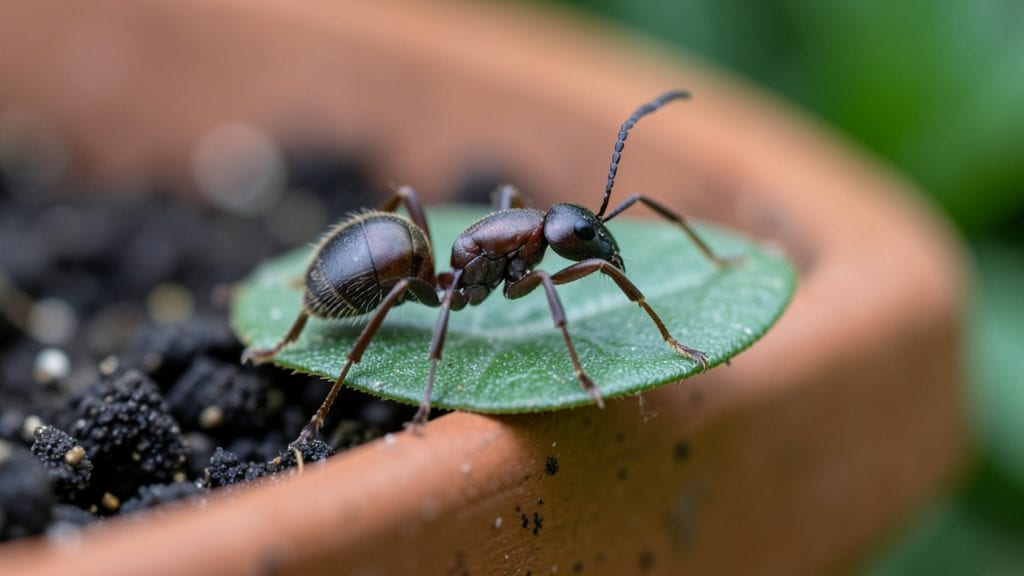
Ants marching through your flower pots aren’t just annoying—they’re stealing nutrients from your plants and creating messy trails. 🐜 I’ve battled these tiny invaders in my own containers, and the key isn’t harsh chemicals but smart, natural deterrents that work fast and keep coming back.
The problem starts with sugar-rich soil or moisture—ants love both. My go-to solutions? A sprinkle of diatomaceous earth around the pot’s edge (safe, non-toxic, and deadly to ants) or a barrier of cinnamon (they hate the smell).
For stubborn colonies, a vinegar spray (1:1 ratio) disrupts their scent trails and keeps them away for weeks.
You’ll see results within 24-48 hours—no more trails, no more stolen nectar, and healthier plants. The best part? These methods protect your soil’s ecosystem while keeping ants out for good. No more digging through pots to find hidden nests or watching your blooms wilt from ant damage.
Works for all container plants, from herbs to annuals, and adapts to any climate. Once you try these, you’ll wonder why you ever reached for pesticides. Let’s get those pots back to being a sanctuary for your flowers, not a buffet for ants.
📚 In This Guide
- What you need
- Instructions
- Tips and common mistakes
- Wrapping up and next steps
What you need
- ● Flower pot – Any size, but smaller pots (6–12 inches) work best for targeted treatment.
- ● Natural deterrents (pick one or mix!): Cinnamon – 1–2 tablespoons (ground or whole sticks)
- ● Vinegar – 1 cup (white or apple cider vinegar)
- ● Diatomaceous earth (food-grade) – 1–2 tablespoons (lightly dust)
- ● Coffee grounds – ½ cup (used or fresh)
- ● Essential oils – 10–15 drops (peppermint, lemon, or tea tree oil)
- ● Spray bottle – 8–16 oz (for liquid solutions)
- ● Small bowl or container – For mixing ingredients
- ● Water – 1 cup (for diluting oils/vinegar)
- ○ Gloves (optional) – If handling diatomaceous earth or vinegar.
- ● Tweezers – For removing visible ants or eggs.
- ● Fine-mesh strainer – If using coffee grounds to avoid clogging drainage.
- ● Pet-safe deterrents – Skip essential oils if pets frequent the area.
- ● Reusable barrier – Copper tape or a shallow dish of water (to block ant trails).
Natural ways to keep ants out of flower pots for good
Here's how to outsmart ants without harming your plants or the environment.
🌿 Step 1: Identify the Ant Trail and Entry Points
First, watch where the ants are coming from. They follow scent trails, so you'll usually see them marching in straight lines from cracks in the pot or the soil surface. Look for tiny holes around the pot's base or along the rim—these are their most common entry points. I always check the drainage holes first because they're the easiest access point for ants to build nests.
Ants also leave behind tiny bits of debris or a faint greasy trail. If you see this, mark the spots with a pencil so you know exactly where to focus your deterrents. This step is crucial because applying treatments randomly won't work—ants will just find another way in. Once you've identified their main routes, you can strategically place barriers.
💧 Step 2: Create Natural Barriers Around the Pot
Use the diatomaceous earth (food-grade only) to form a 1-inch wide ring around the pot's base. Sprinkle it lightly—you don't need much, just enough to create a visible line. The sharp edges of the diatomaceous earth will deter ants without harming your plants. I like to apply this in the early morning when ants are less active, so they don't have time to bypass it.
For pots with drainage holes, mix a pinch of cinnamon with the diatomaceous earth. Ants absolutely hate the smell of cinnamon, and it creates an extra layer of protection. Reapply both treatments after rain or watering, as moisture can wash them away. This barrier method works best when combined with the next step—it's like building a moat around your castle.
☀️ Step 3: Disrupt Their Scent Trails with Natural Repellents
Ants rely on pheromone trails to navigate, so breaking those trails is key. Mix 1 part lemon juice with 1 part water in a spray bottle and lightly mist the soil surface and pot edges. The citrus scent will confuse their trail system and make them think twice about returning. I do this every 3-4 days or after watering, since the smell fades quickly.
For a longer-lasting solution, sprinkle crushed citrus peels (like orange or lemon) around the pot's base. The oils in the peels continue to repel ants even after they dry out. Place a few drops of peppermint essential oil on a cotton ball and tuck it near the pot's drainage holes—ants avoid this strong scent instinctively. This step is especially effective if you've already seen active trails, as it disrupts their communication system.
✂️ Step 4: Maintain Long-Term Ant Prevention
After treating the immediate problem, focus on keeping your pots ant-free for good. Always water your plants from the bottom by placing pots in a shallow tray of water for 10-15 minutes. This prevents moisture from pooling on the soil surface, which ants love. I also make it a habit to clean up any fallen petals or debris from the pot's saucer—ants use these as bridges to climb up.
Every few weeks, refresh your natural barriers. Reapply the diatomaceous earth and cinnamon mix, especially after heavy rain. If you notice ants returning, it might mean they've found a new entry point—check the pot's rim and drainage holes again. For particularly stubborn cases, I've had success with a vinegar spray (1:1 ratio with water) applied to the soil surface. The strong smell doesn't harm plants but sends ants packing.
Tips & tricks for ant-proof flower pots
These simple strategies will help you keep those pesky ants away for good without harming your plants.
Timing Secret: In Step 1, when you're identifying ant trails, watch for activity during the early morning hours—this is when ants are most active and easiest to spot. I've found that marking trails with a pencil right when I see them helps track their movement patterns over time. If you notice trails disappearing and reappearing in different spots, it means they're finding new entry points, so check those drainage holes again. This proactive approach saves time in the long run.
Barrier Strategy: For Step 2, when creating your diatomaceous earth barrier, focus on making it continuous and unbroken. I like to use a small paintbrush to gently press the diatomaceous earth into place around the pot's base—this creates a stronger barrier that ants can't easily bypass. Remember, the 1-inch width is key; any narrower and they'll find a way through. Apply it in a dry environment, as moisture reduces its effectiveness.
Repellent Refresh: In Step 3, when using your lemon juice spray, don't be afraid to apply it liberally—but avoid soaking the soil. The goal is to disrupt scent trails, not drown them. I've found that adding a few drops of dish soap to the lemon juice mixture helps it cling better to the pot edges and soil surface. This makes the repellent last longer between applications, especially important since you're reapplying every 3-4 days or after watering.
Long-Term Maintenance: For Step 4's long-term prevention, I've added a simple trick that works wonders: place a small piece of aluminum foil around the pot's base before applying your barriers. The foil creates a physical barrier that ants can't cross, and it's completely invisible once covered. Combine this with your regular 10-15 minute bottom-watering routine, and you'll create an ant-proof zone that lasts weeks without constant reapplication.
Pro Tips for Ants In Flower Pot
- These simple strategies will help you keep those pesky ants away for good without harming your plants.
- Timing Secret: In Step 1, when you're identifying ant trails, watch for activity during the early morning hours—this is when ants are most active and easiest to spot.
- Barrier Strategy: For Step 2, when creating your diatomaceous earth barrier, focus on making it continuous and unbroken.
Frequently asked questions
Got ants invading your flower pot? You’re not alone! Here are answers to the most common questions—so you can tackle the problem like a pro.
Why are ants suddenly in my flower pot?
Ants are drawn to flower pots because they’re attracted to aphids (tiny sap-sucking pests) or the sweet honeydew they produce. They may also seek moisture, shelter, or food scraps from decaying plant matter. If your pot has aphids, ants will "farm" them for their sticky secretions—like a tiny, creepy cafeteria!
How long does it take for natural deterrents to work?
Most natural remedies (like diatomaceous earth, vinegar, or cinnamon) take 24–72 hours to show results, depending on the severity of the infestation. For persistent cases, reapply every 3–5 days until the ants vanish. Patience is key—ants won’t disappear overnight, but consistency wins!
Are there any plants that repel ants naturally?
Yes! Plant mint, lavender, basil, or lemongrass near your flower pots—their strong scents confuse ants’ trail-following instincts. You can also crush a few leaves and place them around the pot’s base for an instant deterrent. Bonus: These plants add beauty and pest control!
What if the ants keep coming back after I treat them?
If ants return, they’re likely finding a new food source (like aphids or rotting roots) or using hidden trails. Double-check for aphids first—spray plants with soapy water if needed. Then, block entry points with a barrier of coffee grounds, chalk, or citrus peels around the pot’s edge. Persistence pays off!
Should I use chemical pesticides for flower pot ants?
Chemicals can harm plants and beneficial insects (like bees or ladybugs). Start with natural methods first—vinegar sprays, neem oil, or even a dish soap-water mix (1 tsp soap per quart of water). If the infestation is severe, opt for pet-safe insecticidal soap instead of harsh pesticides.
Wrapping up and next steps
Dealing with ants in your flower pot doesn’t have to be a losing battle! By using natural deterrents like vinegar, diatomaceous earth, or citrus peels, you can protect your plants without harsh chemicals.
These simple, eco-friendly solutions are effective, safe, and easy to implement—so don’t let tiny invaders ruin your gardening joy.
Ready to reclaim your flower pots? Start with one method today and observe the results. If ants persist, mix and match techniques until you find what works best for your space. Happy (and ant-free!) gardening! 🌱✨