
Flowers
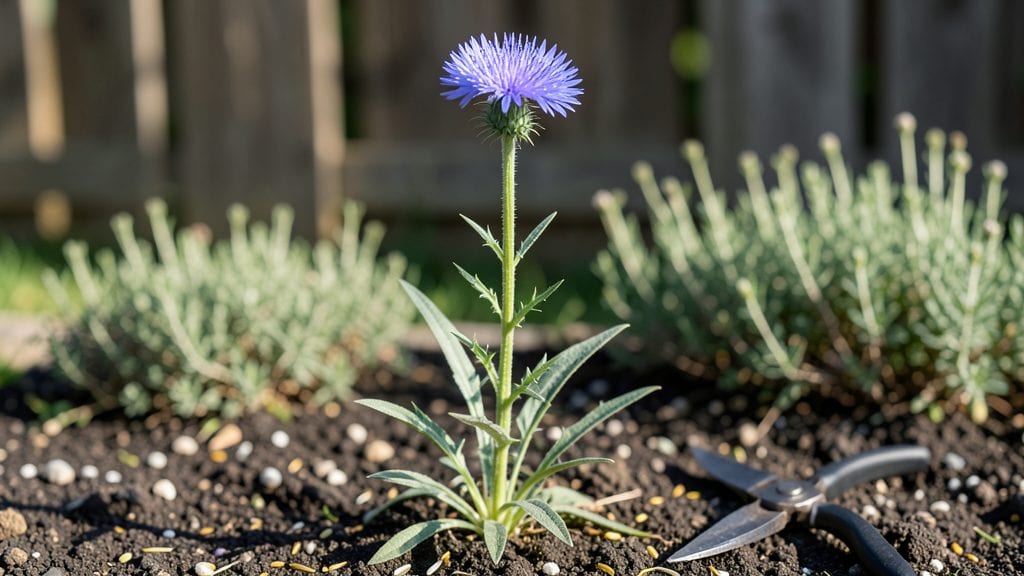
Blue cornflower flowers (Centaurea cyanus) bring effortless charm to Pacific Northwest gardens with their drought-resistant starbursts of sky-blue. 🌿 I fell in love with them after seeing how they thrived in my dry, rocky soil—no fuss, just weeks of cheerful blooms that bees adore.
These hardy annuals grow wild in old fields, so they’re built to handle whatever your garden throws at them.
The secret to their success? Plant them in full sun with well-draining soil—even poor, sandy soil works. Sprinkle seeds in early spring or fall, barely covering them with soil, and keep the area moist until germination.
Once established, they barely need water, making them perfect for low-maintenance borders or wildflower meadows.
By summer, you’ll have tall, airy stems topped with delicate blue petals that sway in the breeze. The flowers last for weeks when cut, and they self-seed prolifically, creating naturalizing displays year after year. They pair beautifully with lavender, poppies, or even grasses for a cottage-garden feel.
Even beginners can’t go wrong with these tough little blooms. They resist deer, tolerate heat and drought, and attract pollinators like crazy. Once you try them, you’ll wonder why you didn’t plant more sooner—they’re the ultimate carefree addition to any garden.
📚 In This Guide
- What you need
- Instructions
- Tips and common mistakes
- Wrapping up and next steps
What you need
- ● Blue cornflower seeds: 1 packet (50–100 seeds, non-GMO preferred for best color and hardiness).
- ● Well-draining potting mix: 5–10 gallons (sterilized, organic blend for seedlings or garden soil amended with compost for direct sowing).
- ● Containers or garden bed: Seedlings: 4–6" deep pots with drainage holes (4–6 plants per pot).
- ● Direct sowing: Full-sun garden bed (6+ hours of sunlight) with loose, rocky soil (cornflowers thrive in poor soil!).
- ● Watering can or hose: With a gentle spray nozzle for seedlings.
- ○ Fertilizer (optional but helpful): Low-nitrogen, balanced fertilizer (5-5-5 or 10-10-10, 1 tbsp per 10 sq ft).
- ● Garden gloves: To protect hands from prickly stems.
- ● Trowel or hand shovel: For planting seeds or transplanting seedlings.
- ○ Spray bottle (optional): For misting seeds during germination.
- ○ Stakes or plant markers (optional): To label varieties and track growth.
- ○ Pruners (optional): For deadheading spent blooms to encourage more flowers.
Step-by-step guide for cultivating Pacific Northwest-friendly blue cornflowers
Here’s how to grow these drought-resistant blooms with minimal fuss—perfect for dry summers and coastal climates.
🌱 Step 1: Choose the Right Location and Prepare Soil
Blue cornflowers thrive in full sun—at least 6 hours of direct light daily—so pick a spot with unobstructed exposure. In the Pacific Northwest, this often means south- or west-facing areas where morning mist clears by midday. Avoid low-lying spots where cold air pools, as cornflowers dislike soggy roots.
Loosen the soil to a depth of 6 inches with a garden fork, breaking up compacted layers. Mix in 1 inch of compost (from your supplies) to improve drainage without adding excessive moisture. Cornflowers hate heavy, clay-heavy soil—amending with compost ensures roots stay aerated. Test the soil’s moisture by squeezing a handful: it should crumble slightly but not stick together.
🌱 Step 2: Sow Seeds at the Correct Depth and Spacing
Scatter seeds ¼ inch deep—too shallow and they’ll dry out before germinating; too deep and they’ll struggle to reach the surface. Space seeds 12 inches apart in rows 18 inches apart to allow airflow and prevent fungal issues. I like to tap the seed packet gently over the soil to distribute them evenly, then lightly cover with a thin layer of fine compost.
Water gently with a fine mist until the soil surface is damp but not saturated. Overwatering at this stage can cause seeds to rot. Place a small marker near each row to avoid disturbing the soil later. Germination takes 7-14 days, depending on soil warmth—warmer spring days speed it up, while cooler coastal mornings may delay sprouts.
☀️ Step 3: Maintain Drought-Tolerant Care Through the Season
Once seedlings emerge, water deeply once a week—cornflowers are drought-tolerant, but consistent moisture during their first 4-6 weeks ensures strong root development. Let the top 2 inches of soil dry out between waterings; this prevents root rot and encourages deep root growth. In the Pacific Northwest’s dry summers, this often means watering every 5-7 days unless rain intervenes.
Fertilize lightly once in early spring with a balanced 10-10-10 formula (if using) to support blooming, but avoid heavy feeding—cornflowers thrive in lean soil. Deadhead spent blooms by pinching off faded flowers to encourage continuous flowering. Watch for pale leaves or wilting, which signals underwatering, or yellowing leaves, which may indicate overwatering or fungal stress.
✂️ Step 4: Harvest and Preserve for Long-Lasting Beauty
Cut stems when half the blooms are open for the longest vase life. Use clean, sharp shears to snip just above a leaf node, which encourages bushier growth. Strip lower leaves to reduce bacterial growth in water. Cornflowers last 7-10 days in a vase—longer than many cut flowers—thanks to their natural resilience.
For dried arrangements, hang stems upside down in a dark, dry place for 2-3 weeks. The deep blue petals retain their color beautifully, making them ideal for winter wreaths or pressed flower art. If leaving plants in the garden, allow some seed heads to mature for next year’s natural reseeding—cornflowers self-sow readily in well-drained soil.
Tips & tricks for perfect blue cornflower cultivation
These simple yet game-changing strategies will help your blue cornflowers thrive in Pacific Northwest conditions—without the guesswork.
Sunlight Strategy: While the instructions call for at least 6 hours of direct light daily, I’ve found that south-facing spots in coastal areas often need a little extra. If your garden gets morning fog, consider adding a reflective surface like a white wall or light-colored mulch to bounce sunlight onto the plants during those critical afternoon hours. This can help compensate for the natural mist that lingers in many PNW gardens.
Soil Prep Secret: The instructions recommend loosening soil to 6 inches, but I’ve noticed that clay-heavy soils common in the Pacific Northwest can still pose challenges even after amending. To further improve drainage, mix in a handful of perlite or coarse sand into that 1 inch of compost. This creates air pockets that prevent waterlogging, which is especially important during our wet winters when roots need to stay aerated.
Germination Timing: The 7-14 day germination window can feel like an eternity, especially when you’re eager to see those first sprouts. To help speed things along, place a clear plastic dome or even a cut-open plastic bottle over the seeded area to create a mini greenhouse effect. Remove it once sprouts appear to prevent fungal issues. Just be sure to water from the bottom to avoid disturbing the seeds.
Watering Wisdom: The instructions mention letting the top 2 inches of soil dry between waterings, but I’ve found that checking soil moisture at different times of day can give you more accurate readings. In the morning, the soil will be cooler and may feel damper than it actually is. Instead, check in the late afternoon when the soil has had time to warm up and dry out naturally. This helps prevent overwatering during our cool, damp summers.
Pro Tips for Blue Cornflower Flower
- These simple yet game-changing strategies will help your blue cornflowers thrive in Pacific Northwest conditions—without the guesswork.
- Sunlight Strategy: While the instructions call for at least 6 hours of direct light daily, I’ve found that south-facing spots in coastal areas often need a little extra.
- Soil Prep Secret: The instructions recommend loosening soil to 6 inches, but I’ve noticed that clay-heavy soils common in the Pacific Northwest can still pose challenges even after amending.
Frequently asked questions
Got questions about growing blue cornflowers in your Pacific Northwest garden?
Here are some of the most common ones—and the answers you need to keep your drought-tolerant starbursts thriving!
When is the best time to plant blue cornflowers in the PNW?
Plant seeds in early spring (March–April) or late summer (August–September) for best results. They’re cold-hardy and can even handle light frosts, but avoid planting in mid-summer heat—they prefer cooler soil. If sowing in fall, do it at least 6–8 weeks before the first frost for germination.
How often should I water blue cornflowers once established?
Once mature, blue cornflowers are drought-tolerant and need watering only every 2–3 weeks unless your PNW summer is unusually dry. Water deeply at the base (not overhead) to encourage strong roots. Overwatering can lead to root rot, so let the soil dry out slightly between waterings.
Why aren’t my blue cornflower seeds germinating?
Seeds may struggle if planted too deep (¼ inch max) or in compacted or overly wet soil. Try these fixes:
- Lightly scratch seeds into loose, well-draining soil.
- Keep soil consistently moist (not soggy) until sprouts appear (7–14 days).
- If planting in spring, stratify seeds (place in the fridge for 2 weeks) to mimic winter conditions.
Can I grow blue cornflowers in containers, or do they need a garden bed?
Yes! They thrive in containers 6+ inches deep with drainage holes. Use a light, sandy potting mix and place pots in full sun. Just ensure the container doesn’t stay waterlogged—empty saucers after watering. Bonus: Container-grown flowers often bloom earlier than garden beds!
Are blue cornflowers good for pollinators, and do they attract pests?
Their vibrant blooms lure bees, butterflies, and beneficial insects like ladybugs. However, they’re low-maintenance and rarely attract pests. Aphids might visit, but a spray of water or neem oil usually clears them up. No major diseases affect them—just ensure good airflow to prevent fungal issues.
Wrapping up and next steps
The blue cornflower isn’t just a drought-tolerant beauty—it’s a resilient, low-maintenance superstar for Pacific Northwest gardens! 🌸 With its striking petals and easy-care nature, it’s the perfect addition for gardeners who want impact without the fuss.
Whether you’re a beginner or a seasoned pro, these starbursts of color will reward you with minimal effort.
Ready to transform your garden? Grab your seeds, pick a sunny spot, and let nature do the rest. Plant a few today—your future blooms will thank you! 🌿