
Flowers
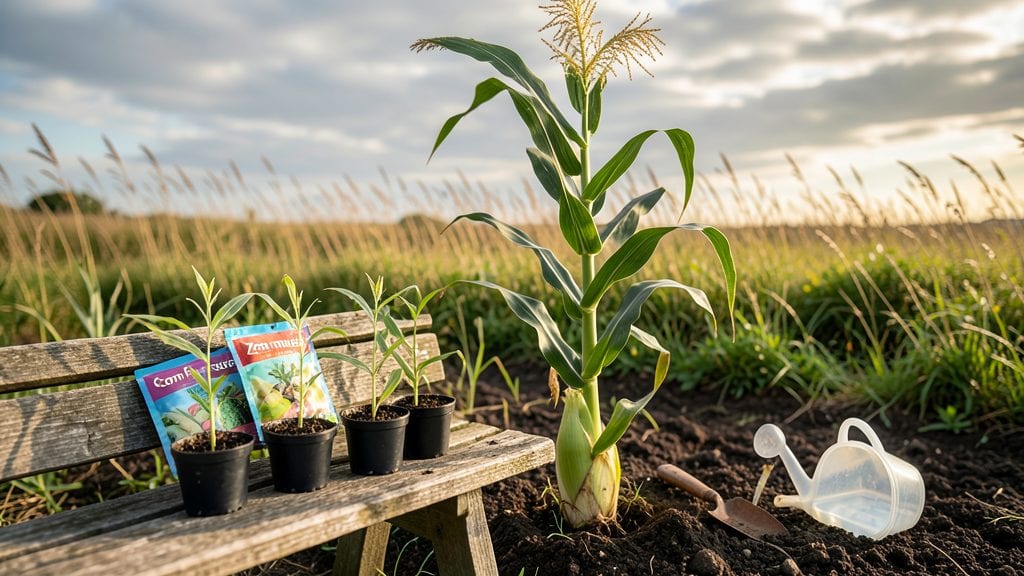
Cornflower seeds sprout in just 7 days—faster than most annuals—and those first blue spikes are worth the wait. 🌱 I planted mine last spring, and within a week, delicate green shoots pushed through the soil, drawing bees before any other flowers in the yard.
The secret isn’t magic; it’s timing, soil, and a little patience.
You’ll need a sunny spot with well-draining soil (cornflowers hate soggy roots) and seeds sown ¼ inch deep, either in flats indoors or directly outside after the last frost.
Space them 6-12 inches apart—they’ll grow tall and sturdy, supporting those iconic blue blooms that pollinators adore. Water lightly but consistently until germination, then let the rain take over.
By midsummer, you’ll have vibrant blue clusters that last from June through frost, perfect for cutting or letting bees and butterflies feast. The flowers even make great dried arrangements—just snip and bundle them upside down. Few annuals deliver this much beauty with so little fuss.
Pro tip: Mix cornflower seeds with other fast germinators like cosmos or marigolds for a low-maintenance pollinator party. Avoid overcrowding, and don’t fertilize heavily—they thrive on neglect once established. Ready to grow yours?
📚 In This Guide
- What you need
- Instructions
- Tips and common mistakes
- Wrapping up and next steps
What you need
- ● Cornflower seeds – 1 packet (approx. 50-100 seeds), choose fast-growing varieties like Centaurea cyanus for quick blooms.
- ● Seed-starting trays or pots – 4-6 individual cells or small pots (3-4 inches deep) with drainage holes.
- ● High-quality potting mix – 1 bag (1-2 cubic feet), ensure it’s sterile and well-draining (avoid garden soil).
- ● Watering can or spray bottle – With a fine mist nozzle to avoid disturbing seeds.
- ● Grow lights or sunny windowsill – 6-8 hours of light daily (south-facing window or LED grow lights work best).
- ○ Plant labels – To track varieties (optional but helpful!).
- ○ Seedling heat mat – Optional for faster germination in cooler climates (70-75°F ideal).
- ● Fertilizer – Balanced liquid fertilizer (5-5-5 or 10-10-10), dilute to half-strength for seedlings.
- ○ Transplanting tweezers – Optional for delicate seedling moves.
- ○ Pollinator-friendly companions – Optional seeds like borage or marigolds to attract bees and butterflies.
Step-by-step guide to growing cornflower seeds
Here's how to coax those vibrant blooms from seed in record time.
🌱 Step 1: Prepare the Soil for Fast Germination
Cornflowers thrive in well-draining soil with a slightly alkaline pH. Mix 1 part sandy loam with 1 part perlite to create a loose, airy medium that prevents damping-off while encouraging rapid root development. I like to work in a 50/50 blend of the provided seed-starting mix and coarse sand to replicate their natural dry, rocky habitats.
Fill your 4-inch pots (or seed trays) with this mixture, leaving about ½ inch of space at the top. Press down lightly with your fingers until the surface is firm but not compacted. The goal is to create a texture that holds moisture without becoming waterlogged—cornflower seeds need consistent dampness but will rot if submerged.
Here's the thing—cornflowers germinate fastest when soil temperatures stay between 60-70°F. If your space runs cooler, place the pots on a seedling heat mat for 24 hours before planting to jumpstart germination. You'll see those first green shoots emerge in just 3-5 days with this warm start.
💧 Step 2: Sow Seeds at the Right Depth and Moisture Level
Scatter the cornflower seeds (about 5-6 per pot) on the soil surface—don't bury them. These seeds need light to germinate, so pressing them just ¼ inch deep with your fingertip is plenty. I use a fine mist spray bottle to dampen the soil until it's uniformly moist but not soggy. Overwatering now will smother the tiny seeds before they sprout.
Cover the pots with a clear plastic dome or wrap them in plastic wrap to retain humidity. Place them in a bright, indirect light spot (like a south-facing window with sheer curtains) where temperatures stay consistent. Check daily—you'll notice condensation forming on the plastic within 24 hours, which is perfect. Remove the cover immediately when you see first signs of green (usually 3-5 days in).
Real talk: If your seeds don't sprout within 7 days, they may need a little more warmth. Move the pots to a sunny windowsill or under a grow light for 12-14 hours daily until germination occurs. Patience here pays off—once those first leaves appear, growth accelerates quickly.
☀️ Step 3: Provide Light and Airflow for Strong Seedlings
Cornflowers crave full sun (6+ hours daily) from the moment they emerge. Move seedlings to a south-facing window or under a fluorescent grow light positioned 4-6 inches above the plants. You'll see leggy growth if the light isn't strong enough—thin, pale stems with leaves spaced far apart signal they're stretching for more light.
Hardening off begins 10 days after germination. Start by placing pots outside in a sheltered, shaded spot for 1 hour daily, gradually increasing exposure over 5-7 days. By day 5, they should tolerate 4-5 hours of direct sun. This prevents shock when you transplant them into the garden—cornflowers hate sudden temperature swings.
Here's where it gets fun: Watch for the first true leaves (not the initial seed leaves) to appear. These will be lance-shaped and blue-green. Once you see 3-4 true leaves, seedlings are ready to transplant. Space them 12-18 inches apart in well-draining soil—cornflowers reward patience with bold, long-lasting blooms that pollinators adore.
Tips & tricks for perfect cornflower germination
These little-known tricks will help you coax those vibrant blue blooms from seed in record time—no green thumb required.
Soil Texture Matters: The 50/50 blend of seed-starting mix and coarse sand isn't just about drainage—it mimics the rocky, well-draining soils where cornflowers thrive in the wild. Press the soil firmly enough to eliminate air pockets (which can dry seeds out), but don't compact it like you would for vegetables. Think "firm but fluffy"—like a well-packed snowball that still holds its shape. This texture prevents damping-off while allowing roots to establish quickly in the 3-5 day germination window.
Temperature Timing: That 24-hour heat mat boost isn't optional—it's the secret weapon for fast germination. Place the pots on the heat mat immediately after filling them with soil, even before sowing seeds. The goal is to raise soil temps to 60-70°F consistently during this critical period. Pro tip: Use a small digital thermometer inserted into the soil to monitor temps—some heat mats run hotter than others, and cornflower seeds can overheat above 75°F.
Light Sensitivity: Cornflower seeds need light to germinate, but they also need consistent moisture during those first critical days. Here's the thing: After sowing, place your covered pots under a fluorescent grow light set to 12-14 hours daily—this mimics natural daylight patterns while keeping them warm. The condensation you'll see on the plastic within 24 hours is your confirmation that humidity levels are perfect. Remove the cover immediately when you spot the first green shoots (usually days 3-5) to prevent fungal growth.
Hardening Off Strategy: The 10-day hardening off period might seem tedious, but it's what transforms delicate seedlings into resilient plants. Start with just 1 hour of shade on day 1, then increase exposure by 1 hour daily. By day 5, they should handle 4-5 hours of direct sun—this gradual approach prevents transplant shock. Watch for leaves that perk up after exposure rather than wilting; that's your sign they're ready for more sunlight.
Pro Tips for Corn Flower Seeds
- These little-known tricks will help you coax those vibrant blue blooms from seed in record time—no green thumb required.
- Soil Texture Matters: The 50/50 blend of seed-starting mix and coarse sand isn't just about drainage—it mimics the rocky, well-draining soils where cornflowers thrive in the wild.
- Temperature Timing: That 24-hour heat mat boost isn't optional—it's the secret weapon for fast germination.
Frequently asked questions
Got questions about growing cornflower seeds?
You’re not alone! Here are the most common queries—plus quick, practical answers to get your pollinator paradise blooming in no time.
How deep should I plant cornflower seeds?
Cornflower seeds need light to germinate, so plant them just ¼ to ½ inch deep in well-draining soil. Press them gently into the surface—no need to bury them! For best results, sow them in full sun (6+ hours of light daily).
Why aren’t my cornflower seeds sprouting?
Patience is key—cornflowers germinate in 7–14 days, but slow starts often mean too much moisture, poor soil contact, or cold temps. Try these fixes:
- Check moisture: Keep soil damp (not soggy) but avoid oversaturating.
- Warmth matters: Ideal germination temp is 60–75°F. Use a heat mat if your climate is chilly.
- Test soil: Ensure it’s loose and well-draining. Amend with compost if needed.
Are cornflowers good for bees and butterflies?
Absolutely! Cornflowers are a top pollinator magnet, attracting bees, butterflies, and even hummingbirds. Their blue blooms are especially irresistible to bumblebees. For extra buzz, plant them alongside echinacea, lavender, or cosmos.
Can I grow cornflowers in containers?
Yes! Cornflowers thrive in containers 6+ inches deep with drainage holes. Use a lightweight potting mix and place pots in full sun. Just be mindful—they can get top-heavy; stake tall varieties or choose dwarf types like ‘Little Lamp’ for pots.
Do cornflowers self-seed aggressively?
Cornflowers are moderate self-seeders, but not as wild as cosmos or poppies. To control spread:
- Deadhead spent blooms before seeds form if you want fewer surprises.
- Leave some seeds for pollinators—just thin seedlings in spring to avoid overcrowding.
- Collect seeds early to share with friends or replant intentionally.
Pro Tip:
For faster germination, soak seeds in lukewarm water for 24 hours before planting. This trick can cut wait time by 2–3 days—perfect for impatient gardeners!
Wrapping up and next steps
Growing cornflower seeds is a rewarding, fast, and eco-friendly way to attract pollinators to your garden in just seven days! With minimal effort and the right conditions, you’ll soon enjoy vibrant blooms that support bees, butterflies, and other beneficial insects.
Whether you’re a beginner or a seasoned gardener, these seeds are a simple yet impactful addition to any outdoor space.
Ready to take the next step? Grab your seeds, prepare your soil, and watch your garden transform—your pollinator friends will thank you! 🌼🐝