
Flowers
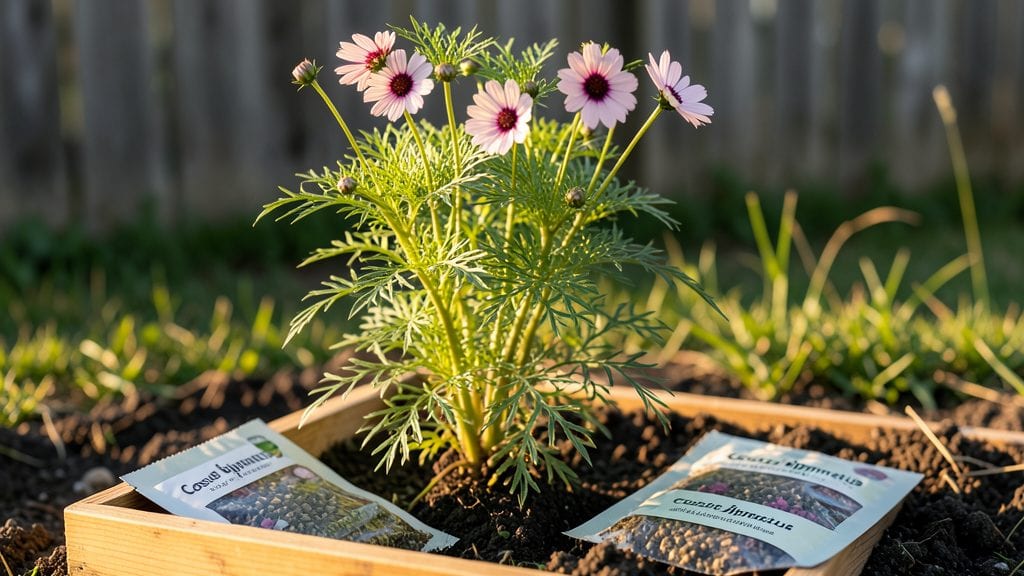
Cosmos wildflower seeds bring effortless drama to gardens where others fail—even in zones where frost lingers late. ✨ I planted mine in early May, and by July, they were the star of my front yard, their papery blooms swaying in the breeze like fireworks gone wild.
The secret isn’t coddling them; it’s letting them grow on their own terms, with minimal fuss and maximum reward.
You’ll need just three things to get started: a sunny spot (they’ll tolerate partial shade but won’t shine), loose soil (they hate compacted earth), and patience for their slow-but-sure germination. Unlike fussy annuals, cosmos seeds don’t need light to sprout—just consistent moisture and temps above 50°F.
Once up, they’re nearly indestructible, thriving in poor soil and surviving light frosts that would kill most flowers.
By midsummer, you’ll have 3-4 foot tall plants bursting with 3-inch blooms in every shade from white to deep pink. The flowers attract pollinators like crazy, and the seed heads add winter interest—no deadheading required.
They self-seed aggressively, so after the first year, you’ll have cosmos popping up everywhere without lifting a finger.
Perfect for cutting gardens, pollinator patches, or filling gaps in perennial borders. Here’s how to turn those tiny seeds into a bold, carefree display that outperforms anything from a nursery.
📚 In This Guide
- What you need
- Instructions
- Tips and common mistakes
- Wrapping up and next steps
What you need
- ● Cosmos wildflower seeds: Choose Cosmos bipinnatus or Cosmos sulphureus varieties (cold-hardy options!). Aim for 2–3 grams per 10 sq. ft. for a vibrant display.
- ○ Well-draining soil: Mix 1 part potting soil with 1 part perlite or coarse sand (optional but ideal for cold climates).
- ● Sunlight access: Full sun (6+ hours/day) is a must—cosmos loves to bask!
- ● Watering can or hose: A gentle spray nozzle helps avoid disturbing seeds.
- ○ Garden gloves (optional but handy for messy soil!).
- ● Seedling trays or biodegradable pots (if starting indoors; 2–3 inch pots work well).
- ● Mulch or straw (to retain moisture and protect seedlings from frost).
- ○ Fertilizer (low-nitrogen): A 5-10-10 blend at planting time (optional but boosts growth).
- ● Stakes or cages (for taller varieties like Cosmos bipinnatus to prevent flopping).
- ● Cold-hardy zone: Cosmos thrive in zones 3–11—perfect for early spring or late fall planting!
- ● Patience: Germination takes 7–14 days in optimal conditions (warm soil, 60–70°F).
- ○ Deadheading shears (optional): Snip spent blooms to encourage non-stop starbursts!
Step-by-step guide for growing cosmos wildflowers from seed
Here's how to coax those vibrant cosmos blooms from tiny seeds—even in cooler climates.
🌱 Step 1: Start Seeds Indoors for Early Blooms
Fill 2-3 inch deep seed trays with a light, well-draining seed-starting mix. Cosmos seeds germinate best at 65-75°F, so use a seedling heat mat if your home runs cooler. Scatter seeds ¼ inch deep—they're tiny, so I sprinkle them gently from the packet rather than trying to place them individually.
Moisten the soil with a spray bottle until evenly damp, then cover the tray with plastic wrap or a humidity dome. Place in bright, indirect light (no direct sun yet) and check daily for condensation. Once first true leaves appear (about 7-14 days), remove the cover immediately to prevent damping-off.
Here's the thing—cosmos seedlings grow fast. Within 3-4 weeks, they'll be ready for transplanting. I like to harden them off by moving trays outside for 1 hour daily starting 2 weeks before the last frost date, gradually increasing time to full sun exposure.
☀️ Step 2: Transplant After Frost Danger Passes
Choose a sunny spot with 6+ hours of direct sunlight daily. Cosmos thrive in lean soil, so I skip fertilizing at planting—too much nitrogen makes them grow lush foliage instead of blooms. Dig holes slightly larger than the root ball and space plants 12-18 inches apart for full, airy clusters.
Water deeply at planting to settle the soil, then let the top inch dry between waterings. The first week after transplanting, I give them ½ inch of water weekly—cosmos are drought-tolerant once established, but they need consistent moisture to root in.
Real talk: If your soil stays soggy, cosmos will rot. Amend heavy clay with 2-3 inches of compost before planting to improve drainage. You'll see new growth within 10-14 days—that's your signal they're thriving.
🌿 Step 3: Support and Encourage Continuous Blooms
As plants reach 12-18 inches tall, they'll need support. I either stake individual plants with 3-foot bamboo stakes or let them flop naturally in a wildflower meadow. If you choose stakes, tie stems loosely with soft twine every 6 inches to prevent breakage.
Deadhead spent blooms by snipping stems ½ inch above the next set of leaves to encourage more flowers. Cosmos self-seed prolifically, so I leave some seed heads if I want next year's crop for free. Here's where it gets fun—watch the blooms open fully by mid-morning and close by afternoon, only to reopen the next day.
For cooler climates, cosmos often rebloom in fall. If frost threatens before blooms fade, cut back stems to 6 inches tall and mulch with 2 inches of straw to protect roots. Many varieties resprout the following spring.
✂️ Step 4: Harvest and Preserve for Year-Round Enjoyment
Cut stems when half the blooms are open for the longest vase life. Snip with clean shears at a 45-degree angle to increase water uptake. Change water every 2 days to keep stems fresh—cosmos last 7-10 days in arrangements.
To dry flowers, hang inverted stems in a dark, dry place for 1-2 weeks**. Once completely dry, remove petals and store in airtight containers. You'll love how they retain their starburst shape for years.
For a second crop, sow additional seeds 6-8 weeks before your first fall frost. Cosmos germinate quickly in warm soil, so late summer plantings often bloom before winter sets in.
Tips & tricks for growing cosmos wildflowers
These small details make all the difference when nurturing cosmos from seed to showstopping blooms.
Germination Conditions: The 65-75°F temperature range is non-negotiable for cosmos seeds—any cooler and they'll sulk, any hotter and they may rot. I've found that placing seed trays on top of refrigerators (where it's warmer than room temperature) works perfectly when my home runs chilly. For extra insurance, I add a seedling heat mat and monitor soil moisture daily to prevent condensation buildup under the humidity dome.
Hardening Off Strategy: The 1 hour daily outdoor exposure should start when seedlings have their first true leaves—not the initial spiky cotyledons. I begin this process 2 weeks before my last frost date by placing trays on a shaded porch or under a tree. Gradually increase exposure by 30 minutes every 2-3 days until they're getting full sun. This gradual transition prevents transplant shock and helps them develop stronger stems for that 12-18 inch height we're aiming for.
Soil Preparation Secret: While cosmos tolerate lean soil, I always amend heavy clay with 2-3 inches of compost before planting. The key is working this in 2-3 weeks before transplanting—it gives beneficial microbes time to colonize. For containers, I use a 50/50 mix of potting soil and perlite to ensure that ½ inch weekly watering doesn't lead to soggy roots. Trust me on this: soggy soil is the #1 reason cosmos fail in cooler climates.
Support System Hack: When staking, I use 3-foot bamboo stakes but cut them to 2 feet for most varieties—cosmos rarely grow that tall unless you're growing 'Bright Lights' or 'Sensation Mixed'. For the loose twine ties, I actually use old t-shirts cut into strips—they're softer on stems and won't cut into the plants as they grow. And here's a pro move: place stakes at planting time so you don't disturb roots later when plants reach 12-18 inches.
Pro Tips for Cosmos Wildflower Seeds
- These small details make all the difference when nurturing cosmos from seed to showstopping blooms.
- Germination Conditions: The 65-75°F temperature range is non-negotiable for cosmos seeds—any cooler and they'll sulk, any hotter and they may rot.
- Hardening Off Strategy: The 1 hour daily outdoor exposure should start when seedlings have their first true leaves—not the initial spiky cotyledons.
Frequently asked questions
Got questions about growing cosmos wildflower seeds in cold climates? You’re not alone!
Here are some of the most common queries—and their straightforward answers—to help you cultivate a dazzling display with ease.
When is the best time to plant cosmos wildflower seeds?
Cosmos seeds thrive when planted after the last frost (around late spring or early summer in most cold climates). They’re frost-sensitive, so wait until soil temps hit at least 50°F (10°C). For a longer bloom season, you can even sow a second batch in mid-summer!
Can cosmos wildflowers survive winter in cold regions?
No—they’re annuals, so they won’t return after frost. However, their seeds self-sow wildly in mild winters (zones 3–10), often popping up on their own the next spring! In harsh winters, collect seeds before frost for replanting.
How often should I water cosmos seeds?
Keep soil consistently moist (not soggy) until germination (5–10 days). After sprouting, water deeply but less frequently—cosmos are drought-tolerant once established. Overwatering can cause leggy stems or rot. Pro tip: Mulch lightly to retain moisture!
Will cosmos attract bees and butterflies in cold areas?
Absolutely!
Cosmos are a pollinator magnet, especially for bees, butterflies, and hummingbirds. Their nectar-rich blooms thrive even in cooler summers (unlike some tropical flowers). Plant in full sun for maximum buzzing activity!
What if my cosmos seeds don’t germinate?
Try these fixes:
- Light exposure: Cosmos need sunlight to germinate—don’t bury seeds deeper than ¼ inch.
- Soil warmth: Use a heat mat if temps are below 60°F (15°C).
- Fresh seeds: Store-bought seeds last 2–3 years; test viability by soaking in warm water (sink = good!).
- Patience: Germination can take 2–3 weeks in cool soil.
Wrapping up and next steps
Transforming your garden into a cosmic dreamland with cosmos wildflower seeds is easier—and more rewarding—than you think! These bold, starburst blooms bring effortless beauty and resilience to cold climates, proving nature’s magic thrives even in cooler seasons.
Whether you’re a seasoned gardener or a curious beginner, your next step is simple: grab a packet of seeds, pick a sunny spot, and let the cosmos work its charm.
🌱 Ready to grow? Start small—even a single patch will dazzle—and watch your outdoor space burst into color like a real-life galaxy. Happy planting! 🌟