
Pruning
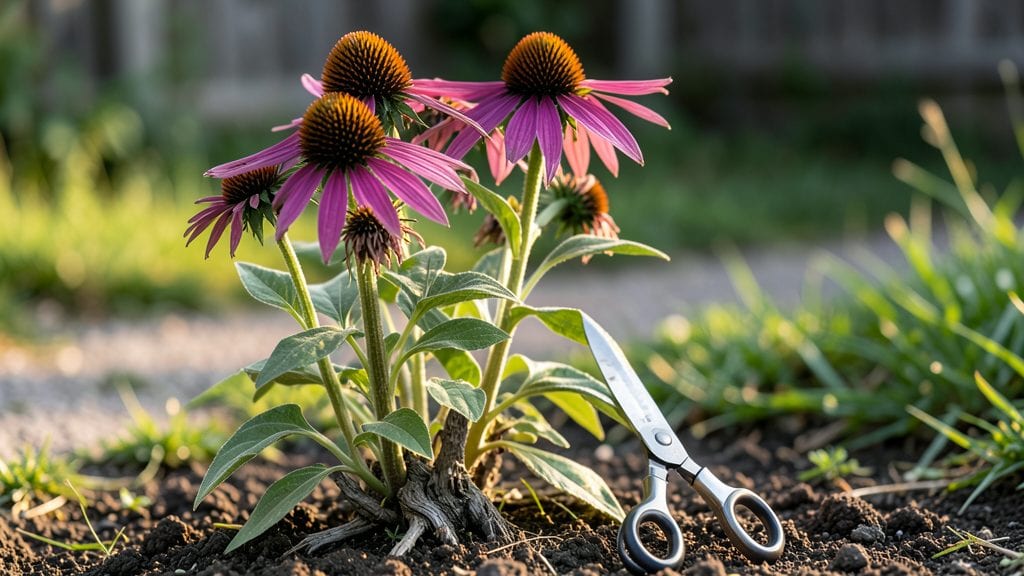
Cutting back coneflowers in fall isn’t just tidying up—it’s setting the stage for next year’s showstopping blooms. ✨ I’ve learned the hard way that skipping this step means weaker stems, fewer flowers, and plants that struggle to bounce back in spring.
The key is timing: too early and you risk frost damage, too late and you invite pests or disease.
You’ll need sharp pruners, gloves, and a clear day when temps hover above freezing. The goal is to trim back the stems to 2-3 inches above the ground, but never cut into old wood—just above the crown.
This reduces winter moisture buildup while protecting the roots from harsh winds. For climates with mild winters, you can wait until early spring, but in colder zones, fall is the perfect time to clean up.
What you’ll end up with is a garden that looks neater now and performs better next season. Coneflowers will push out stronger stems, resist powdery mildew, and produce more abundant blooms by mid-summer.
The secret? Removing last year’s seed heads prevents self-sowing where you don’t want it and keeps energy focused on new growth.
Pro tip: Mulch lightly after pruning to insulate roots, especially in zones with hard freezes. And if your plants look sad in spring, don’t panic—coneflowers are tough survivors. The right cut now means bold purple blooms in just a few months. Let’s get those shears ready!
📚 In This Guide
- What you need
- Instructions
- Tips and common mistakes
- Wrapping up and next steps
What you need
- ● Pruning shears or sharp bypass pruners: Choose bypass pruners (not anvil-type) for clean cuts—look for 4- to 6-inch blades with comfortable grips. Pro tip: ✨ Sharpen them beforehand for precision!
- ● Heavy-duty garden gloves: A pair of cut-resistant gloves (e.g., leather or synthetic blend) to protect your hands from thorns and rough stems.
- ● Garden rake or leaf blower: A stiff-tined rake (for debris cleanup) or a leaf blower (for quick removal) to tidy up fallen foliage.
- ○ Garden twine or burlap sacks: Optional but handy for bundling pruned stems or collecting debris for compost.
- ● Disinfectant (70% isopropyl alcohol or bleach solution): A small spray bottle or wipe to sterilize tools between cuts (prevents disease spread).
- ● Loppers: For thick, woody stems (if your coneflowers are mature and stubborn!).
- ● Pruning saw: Only if dealing with extremely thick stems (rare for most coneflowers).
- ● Compost bin or trash bags: To dispose of diseased or pest-infested plant parts separately from healthy debris.
- ● Knee pads or stool: Because fall pruning is a labor of love—save your joints!
Step-by-Step guide for pruning coneflowers in fall
Here's how I simplify late-season pruning for healthier blooms next year.
✂️ Step 1: Wait Until Frost or First Hard Freeze
Don't cut back too early—wait until your first hard frost or after the first freeze when foliage turns brown and crispy. This signals the plant has entered dormancy and stored energy for next season. I always check my local frost dates, but a light frost won't do it—you need that sharp drop to 25-30°F to trigger proper dormancy.
If you cut back before frost, you risk removing leaves that are still photosynthesizing and storing nutrients in the roots. The plant needs these final weeks to build strength for spring. Watch for the stems to feel brittle and the leaves to crunch when touched—that's your cue everything's ready.
✂️ Step 2: Cut Back to 3-4 Inches Above the Ground
Use clean, sharp pruners to cut stems back to about 3-4 inches above the soil line. This height gives the plant enough protection over winter while allowing new growth to emerge cleanly in spring. I avoid cutting too low because the crown (where new growth originates) needs insulation from snow and cold.
Don't worry about removing every last stem—some may linger, but they'll break down naturally. The key is removing the bulk of the dead foliage to prevent disease and pests from overwintering in the plant debris. If your coneflowers have particularly thick stems, you can cut them in stages over a few days to avoid overwhelming yourself.
✂ Step 3: Remove Seed Heads for Neatness (Optional)
While you're at it, pull or cut off any remaining seed heads that haven't already fallen. This keeps your garden looking tidy and prevents volunteer seedlings from popping up everywhere next spring. I usually leave the dried seed heads for winter interest, but if they're unsightly, a quick tug or snip removes them completely.
Here's the thing—if you're growing coneflowers for their seeds (like for bird feed or saving for next year), leave a few heads on one or two plants. Otherwise, removing them all makes cleanup easier. Just avoid raking up all the fallen petals and seed debris—leave some behind as natural mulch to protect the crown.
🌿 Step 4: Add a Light Mulch Layer for Winter Protection
Spread a 2-inch layer of shredded leaves, straw, or pine needles around the base of your coneflowers after pruning. This mulch acts like a blanket, insulating the roots from extreme cold and preventing soil heaving during freeze-thaw cycles. I always use materials I have on hand—even a thick layer of fallen leaves works in a pinch.
Don't pile mulch against the stems, though. Keep it 1-2 inches away from the crown to prevent rot. A little mulch goes a long way, and it also suppresses weeds come spring. If you're in a particularly cold climate, you can add an extra inch or two, but avoid smothering the plant entirely—coneflowers are tough and need some airflow.
Tips & tricks for perfect fall coneflower pruning
Here's how to avoid the most common mistakes that can stress your plants or leave you with weak spring growth.
Timing is Everything: The 25-30°F temperature threshold is critical—this is when coneflowers truly enter dormancy. I've seen gardeners cut back after a light frost only to have their plants send up weak growth in spring. Use a weather app to track overnight lows, or simply wait until the stems feel brittle when you touch them. That crispy texture is your perfect cue.
Precision Cutting: When you're cutting back to that 3-4 inch mark in Step 2, use a sharp pair of pruners and make clean cuts at a slight angle. Ragged cuts can create entry points for disease, and cutting too low risks damaging the crown. I like to mark the 3-inch height with a small stake before cutting to ensure consistency across all stems.
Mulch Application Strategy: That 2-inch layer of mulch in Step 4 should be fluffy, not compacted. I spread mine in a loose pile and gently pat it down—think of it like tucking your plants into a cozy blanket rather than smothering them. For extra insulation in harsh winters, I add a second 1-inch layer of straw on top after the first snowfall, creating an air pocket that traps heat.
Seed Head Consideration: If you're growing coneflowers for their seeds, leave at least 20% of your plants with their seed heads intact. I mark these plants with colorful garden flags so I remember which ones to preserve. The seeds provide food for birds while the remaining plants focus their energy on root development for next year's blooms.
Pro Tips for Cutting Back Coneflowers In Fall
- Here's how to avoid the most common mistakes that can stress your plants or leave you with weak spring growth.
- Timing is Everything: The 25-30°F temperature threshold is critical—this is when coneflowers truly enter dormancy.
- Precision Cutting: When you're cutting back to that 3-4 inch mark in Step 2, use a sharp pair of pruners and make clean cuts at a slight angle.
Frequently asked questions
Got questions about trimming coneflowers in autumn? You’re not alone! Here are some of the most common concerns—and straightforward answers—to help you prep your garden like a pro.
When is the exact best time to cut back coneflowers in fall?
Wait until the first hard frost (when foliage turns brown and dies back) or after the first snowfall. This timing ensures pests hide in the dead stems, and you avoid shocking the plant too early. If you’re in a mild climate, aim for late November or early December. Pro tip: Never cut back green stems—they’re still storing energy for next year!
How short should I cut back coneflowers in fall?
Trim stems down to 4–6 inches above the ground. This height protects the crown (where new growth emerges) from winter moisture while keeping the plant tidy. Avoid scalping it too low—coneflowers are tough but not invincible! For large clumps, use clean pruners or loppers for a crisp cut.
Will cutting back coneflowers in fall attract pests or diseases?
Not if done correctly! Leaving dead stems over winter can harbor Eutypella (a fungal disease) or pests like slugs. Cutting back in late fall removes hiding spots. Bonus: Add the trimmings to your compost pile—just avoid wet, diseased debris. Mulch lightly after pruning to deter rodents from nesting in bare soil.
What if I skip cutting back coneflowers in fall—will they still bloom?
Yes, but with trade-offs! Skipping fall pruning won’t kill your coneflowers, but you might see fewer blooms or leggy growth. Deadheading spent flowers in summer helps, but fall pruning boosts next year’s vigor by redirecting energy. Think of it as a spa day for your perennials—they’ll thank you with bigger, brighter blooms!
Can I use the same pruning technique for other perennials like black-eyed Susans or rudbeckias?
Mostly, yes! Black-eyed Susans and rudbeckias also benefit from late-fall pruning (4–6 inches tall). However, sedum and orchids have different needs—always check the plant’s specific care guide. For coneflowers, the key is timing (post-frost) and height (never too short!).
Wrapping up and next steps
Cutting back coneflowers in fall is a simple yet powerful way to boost next year’s blooms while keeping your garden tidy.
By removing spent foliage and stems, you’re not just cleaning up—you’re giving your plants a fresh start for spring. Your efforts now will pay off with vibrant, healthy blooms in 2025!
Ready to take action? Grab your pruners and schedule your fall pruning session before the first frost hits. A little prep now means big rewards later—happy gardening! 🌸✂️