
Pruning
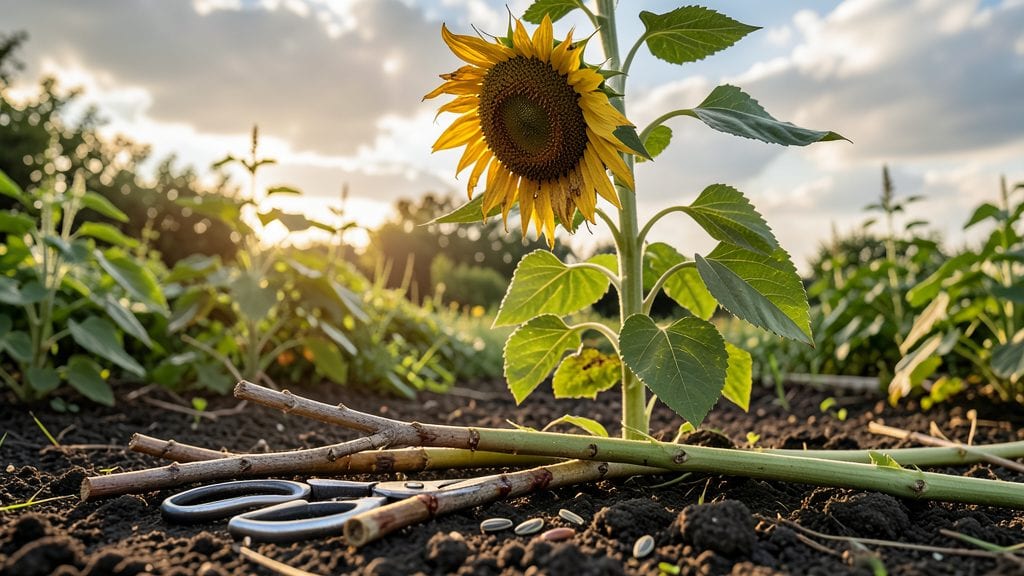
Cutting back sunflowers after they bloom isn’t just about tidying up—it’s how you coax a second round of flowers and stronger stems for next year. 🌻 I’ve learned the hard way that skipping this step means missing out on extra blooms and weaker plants by spring.
The key is timing: wait until the petals fade completely, then snip just above a set of healthy leaves.
You’ll need sharp pruners or clean scissors—no dull tools that tear stems—and a sunny day to work. The goal is to remove dead blooms while leaving enough foliage for photosynthesis.
This simple cut encourages new side shoots to grow, often producing smaller but just-as-cheerful flowers by late summer. My sunflowers now give me two harvests instead of one!
What you’ll end up with is a bushier plant that stores more energy in its roots, leading to taller, sturdier stems the following year. The garden stays colorful longer, and you avoid the sad sight of leggy, floppy stalks by spring.
Plus, cutting back prevents pests from hiding in dead blooms—always a bonus.
Works for all sunflower varieties, whether you’re growing them for cut flowers, seeds, or just the joy of watching them sway in the breeze. Here’s exactly how to do it without harming your plants—and when to leave them standing for seed heads.
📚 In This Guide
- What you need
- Instructions
- Tips and common mistakes
- Wrapping up and next steps
What you need
- ● Pruning shears or sharp bypass pruners – Choose a pair with clean, sharp blades (4-6 inch blades work well for sunflowers). Dull tools crush stems instead of cutting cleanly.
- ○ Gloves (optional but recommended) – Wear gardening gloves to protect your hands from thorns (especially on varieties like Russian Mammoth) and sap.
- ● Disinfectant (70% isopropyl alcohol or bleach solution) – Clean your tools before and after pruning to prevent disease spread. Mix 1 part bleach to 9 parts water for a DIY solution.
- ● Rubbing alcohol or hand sanitizer – Keep a small bottle handy to wipe down cuts or scrapes quickly.
- ● Bucket or trash bag – Collect pruned stems and debris for composting or disposal.
- ● Permanent marker or tape – Label stems if you’re experimenting with regrowth timing or tracking varieties.
- ● Knee pads or a small stool – Sunflowers can get tall (8–12 feet!), so save your back with a comfy seat or padding.
- ● Plant tie or soft twine – If your sunflowers are top-heavy, secure them to stakes after pruning to prevent tipping.
- ● Spray bottle with water – Mist stems after cutting to reduce stress on the plant.
- ● Camera or phone – Snap progress photos to track regrowth or share your pruning success!
Step-by-Step guide to pruning sunflowers for healthier growth
Here's how to encourage a second flush of blooms and stronger stems—no fancy tools needed.
✂️ Step 1: Wait Until Blooms Are Fully Open
Don't rush this. Wait until the sunflower's center is completely open and the petals have fully unfurled. You'll see a deep, brownish disc in the middle—this is your cue. Cutting too early stresses the plant and reduces next-season growth.
Use clean, sharp pruners or even a knife if you don't have shears. I like to sterilize my tools with rubbing alcohol first—it prevents spreading any hidden plant diseases between cuts. Make your cut about 1-2 inches below the flower head. This leaves a small stem stub that helps the plant heal faster.
🌱 Step 2: Remove Only the Deadhead, Not the Whole Stem
Here's the thing—you're not pruning for size control like with shrubs. Just snip off the spent flower head. The rest of the stem stays intact. This encourages the plant to redirect energy from seed production to growing new side shoots and flowers.
Watch for side buds forming near the base of the cut stem. These will develop into your second flush of blooms. If you see any small buds forming along the main stem, leave them alone—they'll grow into additional flowers without extra pruning.
☀️ Step 3: Maintain Plant Health After Pruning
After cutting back, give your sunflowers a little extra care. Water at the base—about 1 inch per week—until you see new growth. The plant needs moisture to recover from the pruning shock and start producing new blooms.
Keep an eye on the stems for any signs of stress. If leaves start yellowing, it might mean the plant is overwatered or needs more sunlight. Sunflowers are tough, but they do best with 6-8 hours of direct sun daily. A little afternoon shade is fine, but don't let them get crowded out by taller plants.
⏰ Step 4: Watch for New Growth and Repeat
Within 1-2 weeks, you should see new leaves emerging from the stem nodes below your cut. This is your signal that the plant is recovering and preparing to flower again. When you spot these new leaves, it's time to start checking for those side buds.
Repeat the process with any new spent blooms. You can often get 2-3 harvests from a single sunflower plant if you keep up with the pruning. Just remember: the later in the season you prune, the less time the plant has to recover and produce new flowers before frost.
Tips & tricks for perfect sunflower pruning
Here's what nobody tells you about maximizing your sunflower's second harvest—these tricks make all the difference.
Timing Secret: The 6-8 hours of daily sunlight mentioned in Step 3 isn't just about growth—it's about when you should prune. Cutting in the morning gives plants the entire day to recover before nightfall. I've noticed that afternoon pruning can stress plants more, especially in hot climates, because they don't have time to adjust before the evening chill sets in.
Tool Technique: Don't have pruners? A sharp knife works perfectly—but here's the thing: I learned this the hard way after ruining three stems with dull tools. If you're using a knife, make sure it's honed to a razor edge. A quick way to test sharpness is to slice a piece of paper—if it tears instead of cleanly cutting, your blade needs sharpening. The cleaner the cut, the faster the plant recovers.
Visual Cue for New Growth: In Step 4, those new leaves emerging within 1-2 weeks should be bright green and slightly plump. If they look yellowish or wilted, your plant needs more water right away. I've found that checking the soil moisture with your finger (about 1 inch down) is more reliable than guessing. The soil should feel damp but not soggy—this is the sweet spot for recovery.
Seasonal Strategy: If you're in a cooler climate, don't prune after mid-August. The plant needs at least 6-8 weeks to recover and produce new blooms before frost. I've seen sunflowers bloom again in October when pruned early in the season, but late pruning often results in weak stems that can't support new flowers. Trust me on this.
Pro Tips for Cutting Back Sunflowers
- Here's what nobody tells you about maximizing your sunflower's second harvest—these tricks make all the difference.
- Timing Secret: The 6-8 hours of daily sunlight mentioned in Step 3 isn't just about growth—it's about when you should prune.
- Tool Technique: Don't have pruners?
Frequently asked questions
Got questions about cutting back sunflowers? You’re not alone! Here are some of the most common queries—plus straightforward answers to help you prune like a pro.
When is the best time to cut back sunflowers?
Prune sunflowers after they’ve bolted (flowered) but before they produce seeds—usually late summer to early fall. This encourages a second harvest while keeping stems sturdy. Avoid cutting too early (before flowering) or too late (after seeds harden), as this can stress the plant or reduce yield.
How much should I cut back?
Trim back to the first set of strong leaves or about 1/3 of the plant’s height. Leave at least 4–6 inches of stem to promote regrowth. For giant varieties, you can cut more aggressively, but dwarf sunflowers may need gentler pruning to avoid weakening the base.
Will cutting back sunflowers give me another harvest?
Yes! If pruned correctly, many sunflower varieties (especially Helianthus annuus) will produce a second, smaller bloom in 4–6 weeks. Focus on healthy stems with no signs of disease or pests. Just remember: the second harvest may be smaller but still delicious!
What if my sunflowers don’t regrow after pruning?
Several factors could be at play: over-pruning (cutting too close to the base), disease (like powdery mildew), or poor soil/nutrients. Try fertilizing lightly with compost or a balanced 10-10-10 mix post-pruning. If the plant is already weak, it may not recover—replace it next season.
Can I cut back sunflowers for bouquets instead?
If you’re not growing sunflowers for seeds, cut them at the peak bloom (when petals fully open) for the longest vase life. Remove leaves below the waterline to prevent bacteria. For bouquets, harvest in the early morning when stems are hydrated—this keeps them fresh for days!
Wrapping up and next steps
Cutting back sunflowers isn’t just about tidying up—it’s your secret to longer blooms, sturdier stems, and even a second harvest! 🌻 With the right tools, timing, and technique, you’ll transform your garden into a sunflower powerhouse.
Whether you’re pruning for health, aesthetics, or extra flowers, remember: patience and precision pay off.
Ready to give it a try? Start by observing your sunflowers this week—notice their growth patterns and plan your first cut. Grab your shears, follow the steps, and enjoy the rewards of a thriving, sun-drenched garden! 🌱
Next step: Mark your calendar for late summer or early fall—peak pruning season—and get ready to share your sunflower success story with fellow gardeners!