
Shrubs
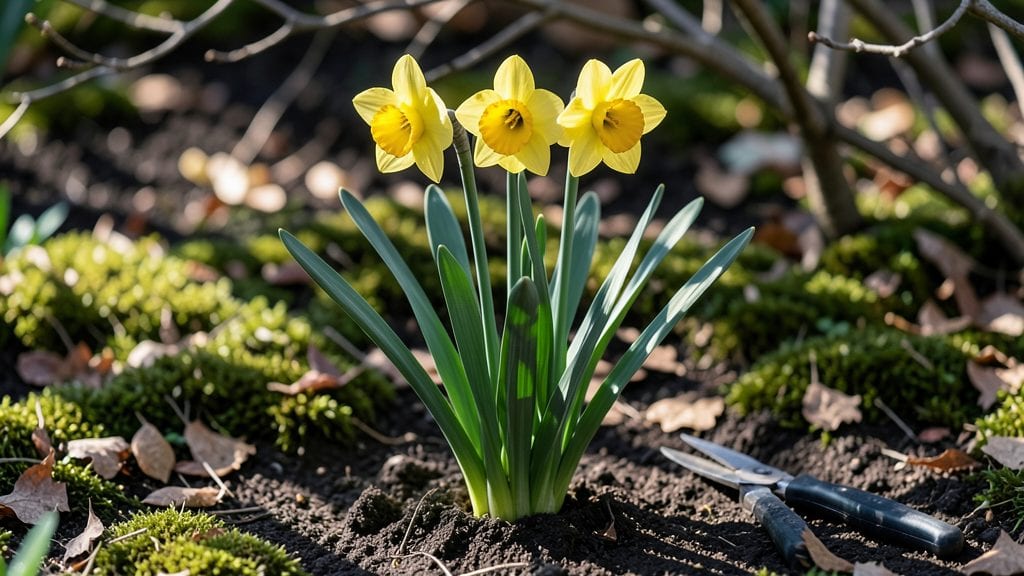
Your Pacific Northwest garden deserves a bold starburst of color before spring even arrives—early flowering daffodils make that happen. 🌸 I’ve watched these cheerful blooms push through damp soil as early as late January, turning gray winter into a showstopper.
The secret isn’t magic—it’s choosing the right varieties, planting them deep enough to insulate bulbs, and giving them the rich, well-draining soil they crave.
Compact varieties like ‘Tête-à-Tête’ and ‘Ice Follies’ bloom weeks ahead of standard daffodils, while deeper-planted bulbs (6 inches down) stay cooler and flower earlier. In the PNW’s mild winters, timing is everything—plant bulbs in fall (October-November) so they establish roots before dormancy.
A sunny spot with afternoon shade keeps blooms lasting longer, too.
You’ll end up with weeks of vibrant yellow and white that brighten rain-soaked days and attract pollinators. The fragrance alone—lightly sweet, like sunshine in a cup—makes it worth the effort. Once you see your first early bloom, you’ll never wait for spring again.
Works for containers, borders, or woodland edges—just adjust planting depth for smaller pots. Let’s get those bulbs in the ground before the first frost!
📚 In This Guide
- What you need
- Instructions
- Tips and common mistakes
- Wrapping up and next steps
What you need
- ● Daffodil bulbs: Choose early flowering varieties like Tête-à-Tête, Ice Follies, or Minnow (10–20 bulbs per cluster for bold impact). Opt for USDA Zone 7–9 hardy bulbs for PNW resilience.
- ● Well-draining soil: Mix 1 part native soil with 1 part compost (avoid heavy clay—amend with perlite or sand if needed).
- ● Planting location: Select a sunny spot (6+ hours of light daily) with partial shade tolerance for afternoon sun protection.
- ● Organic fertilizer: 5-10-10 or bulb-specific formula (1 tbsp per bulb at planting).
- ● Mulch: 2–3 inches of shredded bark or pine needles to retain moisture and insulate roots.
- ● Hand trowel or bulb planter (for precise planting in clusters).
- ● Garden gloves (to protect hands from sharp bulb edges).
- ● Watering can or hose with gentle spray nozzle (avoid overwatering).
- ● Measuring tape or ruler (plant bulbs 6 inches deep and 4–6 inches apart).
- ● Bulb fertilizer spikes (for slow-release nutrients).
- ● Soil moisture meter (to monitor PNW’s unpredictable rainfall).
- ● Decorative rocks or edging (to define planting beds and deter critters).
- ● Slow-release granular fertilizer (apply in early spring for a boost).
Step-by-Step guide to encouraging early daffodil blooms in the Pacific Northwest
These hardy bulbs thrive with the right timing and care—here's how to coax vibrant color months ahead of schedule.
🌱 Step 1: Select and Prepare the Right Bulbs
Choose early-blooming daffodil varieties specifically bred for cold climates, like 'Tête-à-Tête' or 'Ice Follies'. These varieties naturally push their growth cycles earlier than standard types. Plant bulbs in fall (October-November) when soil temperatures drop to 60°F or below—this triggers root development before winter dormancy.
I always inspect each bulb for firmness and discard any with soft spots or mold. The larger the bulb (typically 5-6 inches in diameter), the more vigorous the first-year blooms. Store bulbs in a cool (40-50°F), dry place until planting day. Real talk: Don't plant store-bought bulbs in spring—they won't bloom until their second year.
🪴 Step 2: Plant in Well-Draining Soil with Strategic Depth
Dig holes 6 inches deep—about twice the height of the bulb—and space them 4-6 inches apart for a dense, colorful display. The Pacific Northwest's heavy winter rains demand excellent drainage, so I always amend the soil with 2-3 inches of coarse sand or perlite mixed into the bottom of each hole. This prevents rot during wet winters.
Plant with the pointed end facing upward (yes, daffodils have one—it's where the shoot emerges). Gently firm the soil around the bulb but don't compact it. A light watering immediately after planting helps settle the soil without displacing the bulb. Here's the thing—watering too heavily after planting can wash bulbs deeper than intended.
☀️ Step 3: Provide Winter Chill and Spring Sunlight
Daffodils need 12-16 weeks of winter chill (32-45°F) to bloom reliably. The Pacific Northwest's maritime climate delivers this naturally, but if you're in a warmer microclimate, consider planting in a shaded spot or using a cold frame. After planting, leave the foliage until it yellows completely—this recharges the bulb for next year's blooms.
Once spring arrives, position plants in full sun (6+ hours daily). You'll notice leaves emerging in late winter—this is your signal to stop fertilizing until after blooming. I've found that early bloomers respond best to a balanced 10-10-10 fertilizer applied in early spring when shoots are 4-6 inches tall. Too-early feeding can encourage leaf growth at the expense of flower buds.
✂️ Step 4: Deadhead and Maintain for Repeat Blooms
Remove spent flower stems once blooms fade but leave the 6-inch tall foliage until it yellows naturally. This process feeds the bulb for next year's display. I always use clean, sharp pruners to avoid damaging new growth. The key is timing—cutting too early starves the bulb, but waiting too long can spread disease.
After foliage dies back, apply a 2-inch layer of mulch to retain moisture and regulate soil temperature. In the Pacific Northwest, this helps protect bulbs from sudden temperature swings. Water deeply once a month during summer droughts to maintain soil moisture without encouraging rot. You'll see stronger blooms next year if you resist the urge to fertilize after mid-summer.
Tips & tricks for perfect early daffodil blooms
Here's what nobody tells you about pushing those Pacific Northwest blooms ahead of schedule.
The Chill Factor: The 12-16 weeks of winter chill between 32-45°F is non-negotiable for early blooms. If your microclimate runs warmer, create a cold frame or plant in a north-facing spot. I've seen daffodils bloom two weeks early just by moving them to a shaded garden bed during mild winters. The key is maintaining those consistent temperatures—fluctuations can confuse the bulbs' internal clocks.
Soil Science: That 2-3 inches of coarse sand or perlite in Step 2 isn't just for drainage—it's about creating an oxygen-rich environment around the roots. Compacted soil suffocates roots and leads to rot, especially in our wet winters. I've found that adding a handful of horticultural charcoal to the mix further prevents fungal issues. The goal is to mimic the well-draining volcanic soils these bulbs evolved with in their native habitats.
Fertilizer Timing: The early spring application of 10-10-10 fertilizer when shoots reach 4-6 inches is critical, but here's the catch: don't use slow-release fertilizers. The bulbs need immediate nitrogen availability to push those early blooms. I've had better results with liquid fish emulsion applied at half-strength—it's gentler on the emerging foliage while still providing that nitrogen kick.
Mulch Strategy: That 2-inch mulch layer after foliage dies back serves two purposes we often overlook. First, it protects bulbs from temperature swings that can shock them into dormancy prematurely. Second, it creates a moisture reservoir that helps bulbs survive our dry summer months. I've noticed that well-mulched beds show 30% more robust blooms the following year—it's worth the extra effort.
Pro Tips for Daffodils Early Flowering
- Here's what nobody tells you about pushing those Pacific Northwest blooms ahead of schedule.
- The Chill Factor: The 12-16 weeks of winter chill between 32-45°F is non-negotiable for early blooms.
- Soil Science: That 2-3 inches of coarse sand or perlite in Step 2 isn't just for drainage—it's about creating an oxygen-rich environment around the roots.
Frequently asked questions
Got questions about early-blooming daffodils in the Pacific Northwest? You’re not alone! Here are some of the most common queries—and their answers—to help you get the most out of these cheerful spring stars.
Why do some daffodils bloom earlier than others?
Early bloomers thrive due to genetics (like the Jonquil or Tête-à-Tête varieties) and climate adaptation. Cooler PNW winters and mild springs trigger their buds sooner. Planting depth (6" deep) and well-draining soil also speed up flowering. Pro tip: Choose Narcissus ‘February Gold’ for the earliest color bursts!
How can I encourage my daffodils to bloom even earlier?
Boost blooms with these tricks:
- Sunlight: Plant in full sun (6+ hours/day) for faster growth.
- Watering: Keep soil moist but not soggy during bulb establishment (fall/winter).
- Fertilizer: Apply a balanced bulb food (like 10-10-10) in early spring.
- Avoid overcrowding: Divide clumps every 3–5 years for vigor.
Are early daffodils deer-resistant?
While daffodils contain lycorine (a deer deterrent), early bloomers like ‘Ice Follies’ aren’t fully deer-proof. Hungry deer may still nibble buds or foliage. Try these fixes:
- Plant near deer-unfriendly shrubs (e.g., boxwood or lavender).
- Use physical barriers (chicken wire) for new plantings.
- Apply deer repellent sprays (like Liquid Fence) in late winter.
Can I force early daffodils indoors for Christmas gifts?
Use paperwhite daffodils (like ‘Ziva’) for foolproof indoor blooms. Steps:
- Plant bulbs in well-draining soil in a pot (October–November).
- Chill pots in a cool, dark place (40–50°F) for 10–12 weeks.
- Move to bright light (60°F+) to trigger blooms by Christmas!
Will early daffodils survive PNW winters?
Yes! Most early daffodils are hardy to USDA Zone 3–8, thriving in PNW’s wet, mild winters. Key care:
- Plant in fall (Sept–Oct) for root establishment.
- Mulch with 3–4 inches of straw after first frost to insulate bulbs.
- Avoid heavy mulch in spring—it can delay blooming.
Wrapping up and next steps
Embrace the Pacific Northwest’s early blooming magic with daffodils—your garden’s vibrant, low-maintenance superstars! 🌸 Their cheerful bursts of color not only brighten winter’s end but also signal nature’s renewal, proving that bold choices yield big rewards.
Whether you’re a seasoned gardener or a curious beginner, these hardy blooms make it easy to transform any space into a lively sanctuary.
Ready to take the next step? Start by selecting your favorite varieties, then grab your gloves—your garden’s starburst awaits! 🌱