
Container Gardens
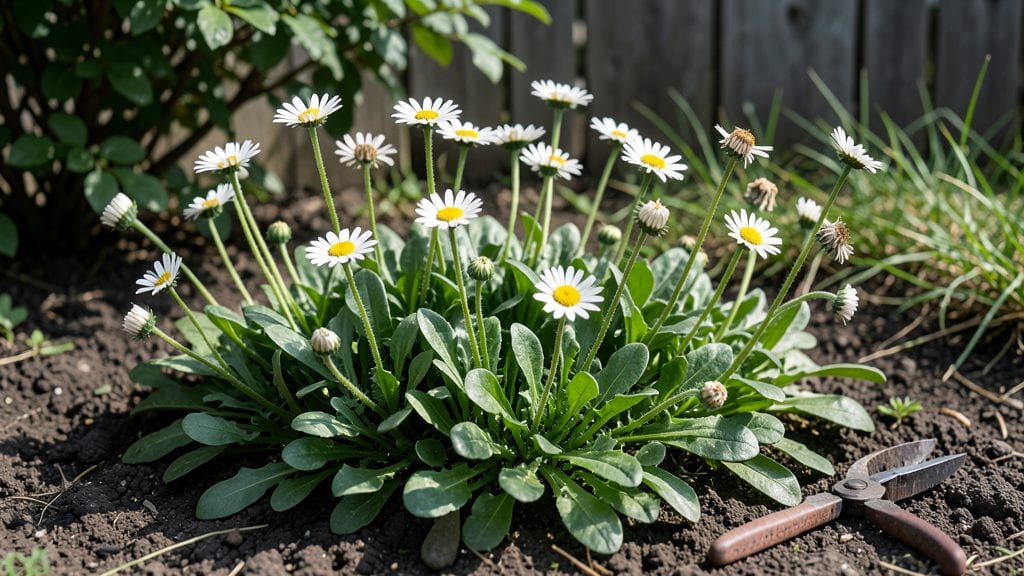
Growing this daisy flower from seed to those showstopping starbursts takes patience—but the payoff is worth every sunny afternoon spent tending them. 🌻 I’ve watched my own daisy patches transform bare soil into a cloud of white and pink blooms by summer’s. second year, and the secret isn’t complicated.
It’s about matching their love of full sun with the right soil prep and a watering routine that keeps roots happy without drowning them.
The best part? You can grow them in containers, garden beds, or even along fences—no fancy tools required. Start with well-draining soil mixed with compost, plant seeds just below the surface, and keep them moist until sprouts appear.
Perennial varieties like the classic Shasta daisy return year after year, while annuals like the Gerbera daisy deliver bold color in a single season. Either way, you’ll end up with blooms that last from early summer through fall’s first frost.
Once established, daisies are low-maintenance champs—just deadhead spent blooms to encourage more flowers and watch them multiply. They’re also tough against pests, though aphids might occasionally crash the party.
A quick spray of soapy water usually sends them packing. Within two years, you’ll have a self-sustaining daisy meadow that brightens any corner of your yard with minimal effort.
Perfect for beginners but rewarding for veterans, this guide covers everything from seed starting to troubleshooting wilting leaves. Whether you’re filling a window box or reclaiming a sunny patch of grass, daisies are the easy, cheerful stars of any garden. Let’s get those seeds in the ground!
📚 In This Guide
- What you need
- Instructions
- Tips and common mistakes
- Wrapping up and next steps
What you need
- ● Daisy seeds or seedlings: Choose between Gerbera daisies (annuals, vibrant colors) or Oxeye daisies (perennials, classic white/yellow). Buy 5–10 seeds or 3–5 seedlings for a small container.
- ● Well-draining potting mix: 5–10 gallons (depending on container size). Opt for a blend with 20–30% perlite or sand to prevent root rot.
- ● Container or garden bed: Containers: 5–15 gallon pots with drainage holes (minimum 12" diameter for 3–5 plants). Terracotta or fabric pots work best.
- ● Garden beds: Full sun exposure (6+ hours/day) and loose, fertile soil with a pH of 6.0–7.5.
- ● Watering can or hose: With a gentle spray nozzle to avoid disturbing seedlings.
- ● Fertilizer: Balanced, slow-release granules (e.g., 10-10-10) or liquid bloom booster (diluted to half-strength).
- ● Gloves – Protect your hands from thorns (especially Gerbera varieties).
- ● Trowel or small shovel – For transplanting seedlings or amending soil.
- ● Mulch (straw or shredded bark) – 1–2 inches to retain moisture and suppress weeds.
- ● Plant supports (stakes or cages) – For tall varieties like Oxeye daisies to prevent flopping.
- ● Pruning shears – To deadhead spent blooms and encourage more flowers.
- ● Sunlight: Full sun (6+ hours/day) is non-negotiable for daisies! Partial shade (3–4 hours) may work for cooler climates, but expect fewer blooms.
- ● Temperature: Ideal germination range: 60–75°F (15–24°C). Avoid planting until all frost risk has passed in spring.
- ● Spacing: Containers: 6–12 inches apart (depending on variety).
- ● Garden beds: 12–18 inches apart for mature plants.
Step-by-step guide to planting and caring for daisy flowers
Here's how to turn your sunny patch into a daisy-filled paradise—no green thumb required.
🌱 Step 1: Choose the Perfect Location and Prepare the Soil
Daisies thrive in full sun, so pick a spot that gets at least 6-8 hours of direct sunlight daily. I like to test locations by observing where sunlight lingers longest—this is where your daisies will shine brightest. The soil should drain well since daisies hate soggy roots; if your garden holds water, amend the area with 1-2 inches of coarse sand or perlite mixed into the top 6 inches of soil.
Loosen the soil to a depth of 12 inches with a garden fork or tiller. This helps roots spread easily. A quick trick: sprinkle a handful of compost into the hole before planting—it gives the roots a nutrient boost right from the start. Avoid fresh manure; it can burn tender daisy roots.
🌱 Step 2: Plant Seeds or Transplants at the Right Time
For seeds, sow them ¼ inch deep in early spring, about 2-3 weeks before your last frost date. I like to plant them in rows 12-18 inches apart to give each daisy room to grow. If using transplants, space them 18-24 inches apart—crowding leads to weak stems and fewer blooms. Water the soil thoroughly before planting to help roots settle in without stress.
Here's the thing—daisies are tough, but they will struggle if planted too deep. The crown (where the roots meet the stem) should sit just above the soil line. If you bury it too deep, the plant may rot. A gentle pat of soil around the base is all you need. After planting, water lightly to avoid disturbing the roots.
☀️ Step 3: Water Consistently and Fertilize Lightly
Water daisies 1-2 times per week, giving them about 1 inch of water each time. You'll know they're getting enough when the top 2 inches of soil feel dry to the touch. Overwatering is the biggest mistake—it causes yellowing leaves and weak stems. I set a rain gauge nearby to track moisture; it’s easier than guessing.
Feed them once in early spring with a balanced, slow-release fertilizer (like 10-10-10). Too much nitrogen makes them grow leaves instead of flowers. After the first flush of blooms, add a low-phosphorus fertilizer to encourage more starburst flowers. Deadhead spent blooms regularly—this trick tells the plant to produce more flowers instead of going to seed.
✂️ Step 4: Prune for Bushier Growth and More Blooms
Cut back daisies by ⅓ of their height in early spring to encourage fresh, bushy growth. Use clean, sharp shears to avoid tearing stems. This is also the time to remove any dead or yellowing leaves—it keeps the plant healthy and looking its best. I like to do this on a dry morning so the cuts heal faster.
After the first big bloom cycle, trim again to half their height. This second pruning usually triggers a second round of flowers later in the season. Just don’t cut into old wood—always leave some green growth. If you see any stems with black spots or mushy areas, snip them off immediately to prevent disease from spreading.
Tips & tricks for perfect daisy flower growing
A few simple tricks will help your daisies thrive and bloom like crazy—without the guesswork. Here's what I've learned after watching my own garden transform.
Sunlight Secret: That 6-8 hours of sunlight isn't just a suggestion—it's non-negotiable for daisies. I test spots by placing a white plate where I plan to plant and checking every few hours. If the plate stays cool to the touch, that's your sunny winner. Morning sun is especially important; it helps prevent fungal diseases that thrive in damp evenings.
Soil Prep Pro Tip: When loosening that 12-inch depth of soil, don't just dig—break up any compacted layers with your garden fork. Think of it like fluffing a pillow: roots need room to breathe. And that compost trick? I double the handful if my soil looks particularly poor. The extra nutrients give your daisies a strong start, especially in their first growing season.
Planting Precision: The ¼-inch planting depth might seem shallow, but it's perfect for daisies. Use a ruler or even a pencil to mark your depth—eyeballing it can lead to inconsistent results. For transplants, gently squeeze the root ball to encourage roots to spread out before placing in the hole. This helps them establish faster and reduces transplant shock.
Watering Wisdom: Those 1-2 inches of water per week might seem like a lot, but daisies actually need less than many other flowers. I water in the morning so any excess evaporates during the day. And here's a trick: water at the base of the plant rather than overhead. This keeps leaves dry and prevents those pesky brown spots that can ruin your starburst blooms.
Pro Tips for Daisy Flower Growing
- A few simple tricks will help your daisies thrive and bloom like crazy—without the guesswork.
- Sunlight Secret: That 6-8 hours of sunlight isn't just a suggestion—it's non-negotiable for daisies.
- Soil Prep Pro Tip: When loosening that 12-inch depth of soil, don't just dig—break up any compacted layers with your garden fork.
Frequently asked questions
Got questions about growing daisies? You’re not alone! Here are some of the most common queries—plus straightforward answers to help you cultivate happy, blooming daisies in your container garden.
How often should I water my daisy plants?
Daisies thrive with consistent moisture but hate soggy roots. Water deeply 2–3 times per week during dry spells, ensuring the top 1–2 inches of soil stay lightly damp. Containers dry out faster, so check soil moisture daily in hot weather. Pro tip: Water at the base (not leaves) to prevent fungal diseases like powdery mildew.
Can I grow daisies from store-bought flowers?
Yes, but success depends on the variety! If the daisy has a thick, fleshy base (like a gerbera or African daisy), you can snip the stem, remove lower leaves, and place it in water or soil to root. Common garden daisies (e.g., Bellis perennis or Leucanthemum) rarely root from cuttings—opt for seeds or nursery plants instead.
Why aren’t my daisies blooming?
Blooming depends on light, nutrients, and deadheading. If your daisies are leggy with few flowers, they’re likely:
- Not getting enough sun (6+ hours daily is ideal).
- Overcrowded—thin plants to 6–12 inches apart.
- Lacking phosphorus—feed with a balanced fertilizer (10-10-10) at planting and mid-season.
- Not deadheaded—snip spent blooms to encourage new flowers!
What’s the best container size for daisies?
Daisies need space to spread—aim for containers at least 12–18 inches wide and deep for single plants. For varieties like Gerbera or Shasta daisies, larger pots (20+ inches) work best. Ensure drainage holes are present to prevent root rot. Grouping 3–5 plants in a single container creates a stunning "daisy meadow" effect!
Do daisies survive winter in containers?
Most daisies are hardy perennials, but container-grown plants need extra care. Move pots to a sheltered, unheated garage or shed before frost hits. If left outside, mulch heavily with straw or leaves and wrap containers in burlap. Tender varieties (e.g., Gerbera) should be dug up and replanted next spring.
What can I plant with daisies for a low-maintenance combo?
Pair daisies with complementary, drought-tolerant plants like:
- Lavender (repels pests, loves sun)
- Catmint (attracts pollinators)
- Salvia (adds height and color)
- Sedum (succulent, minimal water needs)
Wrapping up and next steps
Growing daisies from sunny spots to stunning blooms is a rewarding journey that blends simplicity with beauty! 🌻 With the right container, soil, sunlight, and care, you’ll enjoy vibrant starburst flowers in just two years—perfect for brightening patios, balconies, or garden beds.
Whether you’re a beginner or a seasoned gardener, these cheerful blooms will bring joy with minimal effort.
Now that you’re armed with tips and tricks, why not start your daisy adventure today? Grab your supplies, pick a sunny corner, and watch your container garden transform into a sea of cheerful faces. Happy growing! 🌱