
Flowers
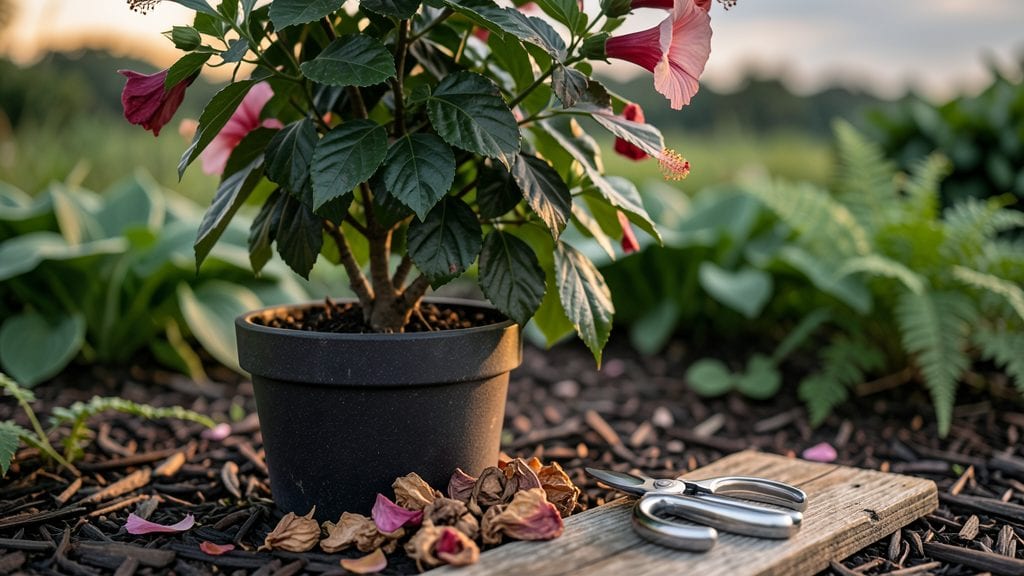
Seeing dead hibiscus flowers on your plant is like watching a sunset fade too soon—heartbreaking, but not hopeless. 🌿 The good news? Most "dead" hibiscus blooms can be revived with simple adjustments, and I’ve learned the exact tricks that bring them back to life after wilting, browning, or dropping prematurely.
My first hibiscus plant nearly gave up on me after a summer of overwatering, but a few targeted fixes turned it into the showstopper of my patio.
The real culprits behind dead hibiscus flowers are usually overwatering, pests hiding in the leaves, or seasonal stress from sudden temperature swings. The fix isn’t complicated—just prune the damaged blooms at the right time, check for hidden bugs, and adjust your watering to match the plant’s thirst.
I’ve even revived plants that looked beyond saving by addressing just these three issues. The key is acting fast before the problem spreads to the leaves or stems.
By the end of this, your hibiscus will be pushing out fresh buds within weeks, with blooms that last longer and look even more vibrant than before. You’ll spot the early signs of stress sooner, and your plant will bounce back faster after heatwaves or rainstorms.
The best part? These tricks work for both indoor and outdoor hibiscus, so no matter where your plant lives, it’ll thrive again.
Let’s start with the simplest fix—pruning—and work through the other game-changers step by step. You’ll have your hibiscus blooming like crazy in no time, and I’ll show you exactly how to keep those flowers alive all season long.
📚 In This Guide
- What you need
- Instructions
- Tips and common mistakes
- Wrapping up and next steps
What you need
- ● Wilted hibiscus flowers – 5–10 blooms (freshly fallen or cut from the plant).
- ● Fresh, cool water – 1–2 cups (room temperature or slightly chilled).
- ● White or clear vase – Medium-sized (6–8 inches tall) to hold flowers upright.
- ○ Floral preservative (optional but recommended) – 1 packet (like Floralife or LeMons) or 1 tsp sugar + 1 tsp bleach (homemade alternative).
- ● Sharp scissors or pruning shears – Clean and sterilized (rubbing alcohol wipe works!).
- ● Paper towels – 2–3 sheets (for blotting excess moisture).
- ○ Kitchen scale (optional) – For precise preservative measurements (if using homemade mix).
- ○ Food-safe container (optional) – Small bowl for mixing preservative solution.
- ○ Newspaper or dark paper (optional) – To line the vase and reduce light exposure.
- ○ Spray bottle with water (optional) – For misting flowers if they dry out.
Step-by-Step instructions for reviving wilted hibiscus blooms
Here's the method I swear by after years of nursing back hibiscus blooms.
💧 Step 1: Check the Water Stress Immediately
First, feel the soil around your hibiscus. If it's bone dry, you've got a classic case of thirst-induced wilting. Hibiscus roots need consistent moisture but hate soggy conditions. Stick your finger 2 inches deep—if it comes out completely dry, that's your first clue. Water deeply until it drains from the bottom, then wait 1-2 hours before checking again.
Here's the thing—hibiscus blooms wilt fast but bounce back quickly when watered right. If the stems feel crispy when you gently bend them, you're dealing with severe dehydration. In that case, submerge the entire pot in lukewarm water for 15 minutes to rehydrate the roots completely. You'll see the leaves perk up within minutes.
☀️ Step 2: Adjust Light Exposure Strategically
Too much direct sun can scorch hibiscus blooms, making them look dead when they're actually just sunburned. Move your plant to a spot with morning sun and afternoon shade—this is the sweet spot for tropical hibiscus. You'll know you've got it right when new buds form along the stems within 1-2 weeks.
If your hibiscus is indoors, place it within 3 feet of a south-facing window. Artificial grow lights work too, but keep them 12-18 inches away for 12-14 hours daily. Watch for leaves that look bleached or yellowed—this means you've got too much light. Rotate the pot a quarter turn weekly so all sides get even exposure.
✂️ Step 3: Prune Damaged Flowers and Stimulate New Growth
Snip off any completely wilted blooms with clean pruning shears, cutting just above a leaf node. This might seem counterintuitive, but removing dead flowers redirects the plant's energy to new growth. I always sterilize my shears with rubbing alcohol first—hibiscus is prone to fungal infections through open cuts.
After pruning, give your hibiscus a balanced liquid fertilizer diluted to half strength. The key nutrients—phosphorus and potassium—help revive stressed plants. You'll see the first signs of recovery in 3-5 days: new leaves will unfurl with a vibrant green color, and buds will start to swell. If no new growth appears after 2 weeks, check your fertilizer—too much salt can burn roots.
🌿 Step 4: Boost Humidity and Monitor Recovery
Hibiscus thrives in 50-70% humidity, but most homes run drier, especially in winter. Place the pot on a tray of pebbles filled with water, keeping the pot elevated so roots don't sit in water. Mist the leaves lightly in the morning—this mimics tropical conditions and prevents leaf edges from browning.
Keep an eye on the soil moisture now. Overwatering is just as deadly as underwatering. Stick your finger in daily until you see consistent new growth. Healthy hibiscus leaves should be firm to the touch and a deep, glossy green. If they feel soft or mushy, you've got root rot setting in—stop watering immediately and let the top 3 inches dry out before trying again.
Tips & tricks for reviving wilted hibiscus blooms
Took me a while to figure these out, so here goes—these little tricks make all the difference when your hibiscus looks like it's given up.
The Water Test: When checking soil moisture in Step 1, don't just rely on your finger—grab a moisture meter if you have one. Hibiscus roots can be tricky, and the soil might feel dry at the surface but still damp deeper down. If you're unsure, err on the side of underwatering rather than overwatering, especially after the 1-2 hour wait. The roots need time to absorb moisture properly before you see those first signs of revival.
Light Rotation Hack: In Step 2, that weekly quarter-turn rotation isn't just about even exposure—it's also a way to spot-check your plant's health. After rotating, take a close look at the undersides of leaves. If they're yellowing or covered in tiny white spots, you've got either overwatering or a fungal issue. This simple check helps you catch problems before they spread, and it's why I always keep a small notebook nearby to track changes over time.
Pruning Precision: When you're pruning in Step 3, don't just cut off the wilted blooms—look for any leaves that are yellowing at the base or have brown edges. These are signs the plant is struggling to support them. Cut just above a leaf node (where new growth emerges) at a 45-degree angle to prevent water pooling. I've saved so many hibiscus plants by removing just a few stubborn leaves that were draining energy from the rest of the plant.
Humidity Boost: For Step 4, if you don't have a humidity tray, group your hibiscus with other houseplants—transpiration from their leaves will naturally increase humidity around your hibiscus. You can also place a small pebble tray with water near a radiator or heat vent (but keep it away from direct heat). The goal is to mimic that tropical environment without creating a swampy situation. I've seen wilting hibiscus perk up within 24 hours just from this simple adjustment.
Pro Tips for Dead Hibiscus Flowers
- Took me a while to figure these out, so here goes—these little tricks make all the difference when your hibiscus looks like it's given up.
- The Water Test: When checking soil moisture in Step 1, don't just rely on your finger—grab a moisture meter if you have one.
- Light Rotation Hack: In Step 2, that weekly quarter-turn rotation isn't just about even exposure—it's also a way to spot-check your plant's health.
Frequently asked questions
Why do hibiscus flowers wilt so fast?
Hibiscus blooms are naturally short-lived—often lasting just 1–3 days—because they’re designed to attract pollinators quickly. Overwatering, extreme heat, or nutrient deficiencies can speed up wilting. Check soil moisture (it should be damp but not soggy) and ensure your plant gets 6+ hours of sunlight daily.
Can I revive a hibiscus flower that’s already wilted?
If the flower itself is limp but the stem is still firm, try the “hydration shock” method: Trim the stem at a 45° angle, place it in room-temperature water with a splash of sugar (1 tsp per cup), and let it soak for 30 minutes. For severely wilted stems, recut the base and replant in fresh, well-draining soil—new blooms may appear in 2–4 weeks.
What’s the best way to remove dead hibiscus flowers?
Use clean, sharp pruners (or scissors) to snip stems just above a leaf node (the bump where leaves grow). Avoid tearing—this prevents disease. For overgrown bushes, prune back 1/3 of the plant in early spring to encourage bushier growth. Pro tip: Wear gloves—hibiscus thorns are no joke!
Should I fertilize dead hibiscus flowers?
No—dead flowers don’t need fertilizer. Instead, focus on the plant’s health! Use a balanced, water-soluble fertilizer (10-10-10) every 4–6 weeks during growing season (spring–fall). For yellowing leaves, switch to an iron-rich supplement (like chelated iron). Over-fertilizing can burn roots, so always dilute to half-strength.
What if my hibiscus keeps dropping flowers before they open?
This usually signals stress—check for:
- Underwatering (let top 1–2 inches of soil dry between waterings).
- Temperature swings (hibiscus hate below 50°F or above 95°F).
- Pests (aphids or spider mites). Spray with neem oil if you spot them.
- Transplant shock (wait 2 weeks before fertilizing after repotting).
Wrapping up and next steps
Reviving dead hibiscus flowers doesn’t have to be a lost cause—with a little science-backed care, you can breathe new life into those wilted blooms! 🌸 Whether you’re dealing with droopy petals or dried stems, the right techniques can help your hibiscus thrive again. Remember: patience and consistency are key—your plant will thank you with vibrant, healthy flowers.
Ready to give it a try? Start small: pick one wilting bloom and follow the steps above. If success comes easily, expand your efforts to the whole plant. Your green thumb is closer than you think!