
Planting
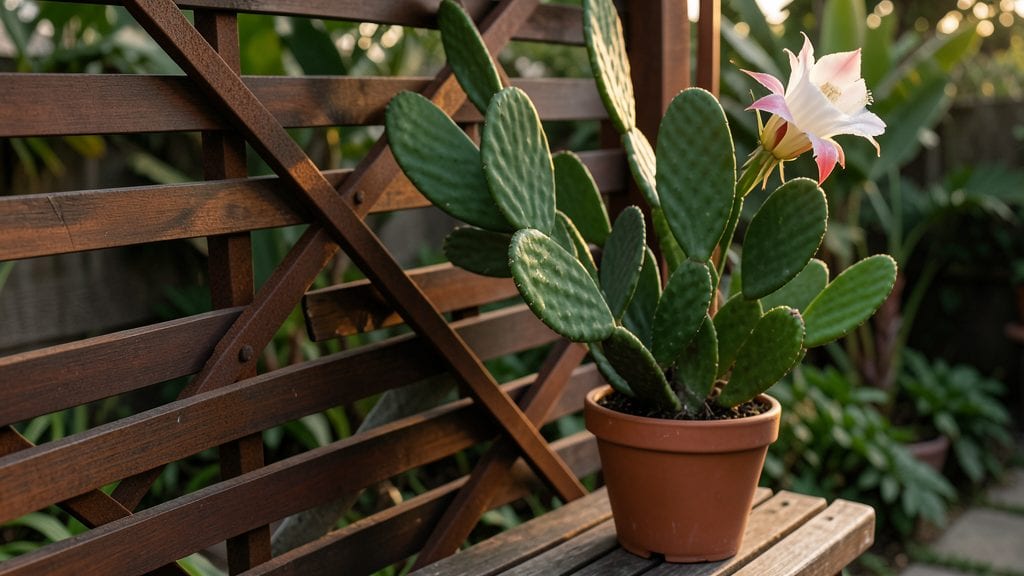
The vibrant dragon fruit plant and flower transforms your Pacific Northwest garden into a tropical oasis—this cold-tolerant beauty thrives with desert-inspired care. 🌿 from winter chills, so it rewards you with those surreal night-blooming flowers and sweet, scaly fruit.
You’ll need a sun-drenched spot (6+ hours daily), well-draining soil mixed with cactus compost, and a container large enough to hold 15+ gallons if growing indoors.
Dragon fruit vines are vigorous climbers, so a trellis or sturdy fence is non-negotiable—think of it as a living jungle gym for your patio or greenhouse. The real magic happens at night when those pale white flowers open, revealing their neon green centers.
With proper care, you’ll see those exotic pink or yellow fruits ripening by late summer—each one a conversation starter. The process isn’t instant, but the payoff is worth the wait: homegrown dragon fruit that tastes sweeter than anything you’ve ever bought.
Plus, the flowers attract hummingbirds, adding another layer of garden drama.
Whether you’re growing in containers on a balcony or burying a potted plant in your yard during summer, this guide covers every step—from planting to hand-pollinating those delicate blooms. Let’s get those vines climbing!
📚 In This Guide
- What you need
- Instructions
- Tips and common mistakes
- Wrapping up and next steps
What you need
- ● Dragon fruit plant (Hylocereus spp.) – Choose a cold-hardy variety like Hylocereus undatus or Hylocereus megalanthus (start with a 1-2 year old potted plant from a nursery or online supplier).
- ● Large container or raised bed – Minimum 10-gallon pot (or larger for multiple plants) with drainage holes. For in-ground planting, ensure well-draining soil in a sheltered, sunny spot.
- ● High-quality cactus/succulent potting mix – Avoid heavy garden soil; mix with perlite or pumice (20-30%) for aeration.
- ● Slow-release fertilizer – Look for a balanced 5-10-5 or cactus-specific formula (e.g., Dyna-Gro Grow or Fox Farm Big Bloom).
- ● Organic mulch – 2-3 inches of straw or wood chips to retain moisture and regulate temperature.
- ● Gloves – Cactus spines can be prickly! Opt for gardening gloves with reinforced palms.
- ● Trowel or small shovel – For planting and soil adjustments.
- ● Watering can or hose with a gentle spray nozzle – Dragon fruit plants hate soggy roots.
- ○ pH testing kit (optional but helpful) – Aim for a soil pH of 6.0–7.0.
- ● Pruning shears – For trimming dead or overgrown stems (sterilize with rubbing alcohol first!).
- ● Sunlight – 6+ hours of direct sun daily (use a sunlight meter if unsure).
- ● Temperature control – Protect from frost (below 32°F/0°C); use row covers or move pots indoors in winter.
- ● Pollinators – Hand-pollinate flowers with a soft paintbrush if bees are scarce (especially in early spring).
- ● Patience – Dragon fruit plants take 18–24 months to bear fruit after planting!
Step-by-Step guide for growing cold-hardy dragon fruit in the Pacific Northwest
This is how I’ve adapted tropical dragon fruit to thrive in cooler climates—with the right prep and care.
🌱 Step 1: Select and Prepare the Right Planting Material
Start with a cold-hardy dragon fruit variety like Hylocereus undatus or Selenicereus megalanthus, which tolerate brief dips to 28°F with proper protection. I’ve found that seed-grown plants (not cuttings) establish better roots in cooler soils, so order seeds from a reputable supplier specializing in cold-tolerant cacti.
Sow seeds indoors 8-10 weeks before your last frost date in 4-inch pots filled with a cactus/succulent mix (never regular potting soil—it stays too wet). Press seeds ¼ inch deep into the surface, as dragon fruit seeds need light to germinate. Mist the soil lightly with a spray bottle, then cover the pot with clear plastic wrap to retain humidity. Place in a warm spot (75-85°F) until germination, which takes 10-30 days—be patient, as some seeds may take longer.
☀️ Step 2: Harden Off and Transplant for Pacific Northwest Conditions
Once seedlings show 2-3 sets of true leaves, begin hardening them off by moving pots outside for 1-2 hours daily in a sheltered spot, gradually increasing exposure over 2 weeks. Watch for wilting or yellowing leaves—this signals they’re not ready yet. Dragon fruit plants despise cold, wet roots, so I always transplant on a warm, sunny day after the last frost.
Choose a south-facing location with at least 6 hours of direct sunlight—PNW summers are short, so maximize light exposure. Plant in well-draining soil amended with 20% perlite or pumice to prevent root rot. Space plants 6-8 feet apart to allow for their sprawling growth habit. Water deeply only when the top 2 inches of soil feel dry, as overwatering is the fastest way to kill these drought-adapted plants.
🪴 Step 3: Protect from Frost and Train for Cold-Hardiness
In the PNW, even cold-hardy dragon fruit needs winter protection. I’ve had the most success using black plastic mulch in late fall to insulate roots, combined with burlap wraps around the stems during hard freezes (below 28°F). For extra insurance, mound 4-6 inches of straw or leaves around the base of the plant in late autumn—this mimics their natural desert environment.
Dragon fruit vines grow aggressively, so provide a strong trellis or fence (at least 10 feet tall) to support their weight. Prune leggy growth in early spring to encourage bushier, more productive plants. Fertilize lightly in late spring with a balanced 10-10-10 fertilizer (½ strength) to avoid burning tender roots. Avoid high-nitrogen feeds—these plants need low fertility to thrive.
⏰ Step 4: Encourage Flowering and Fruit Set in Cool Climates
Dragon fruit flowers are nocturnal and highly sensitive to temperature. To trigger blooming in the PNW, I’ve found that evening watering (after sunset) mimics tropical humidity levels. Flowers appear on new growth, so pinch back tips in early summer to redirect energy into flowering. Watch for white, funnel-shaped blooms—they open at night and close by morning, so set up a small flashlight to admire them!
Hand-pollinate flowers with a soft paintbrush in the evening to ensure fruit set. Dragon fruit requires cross-pollination between different varieties for fruit to develop. Once pollinated, fruits take 30-40 days to mature. Harvest when the skin turns bright pink or yellow and feels slightly soft to the touch—never wait for them to fall, as they’ll never ripen off the vine in cooler climates.
💧 Step 5: Overwinter and Plan for Next Year’s Growth
As temperatures drop below 40°F, reduce watering to once every 2-3 weeks and stop fertilizing entirely. In Zone 8-9 PNW areas, dragon fruit may survive mild winters with heavy mulch and frost cloth, but in colder zones, dig up pots and store them in a garage or unheated shed (above freezing) until spring. I’ve kept plants alive through Zone 7 winters this way—just don’t water until new growth appears in spring.
In early spring, repot if roots have outgrown the container, using fresh cactus mix. Resume watering when soil dries out completely, and watch for new pads—these signal the plant is ready to grow again. With patience, your dragon fruit will reward you with vibrant blooms and sweet, star-shaped fruits even in the Pacific Northwest’s cooler climate.
Tips & tricks for thriving cold-hardy dragon fruit in the Pacific Northwest
Growing dragon fruit in the PNW’s unpredictable climate takes strategy—not just patience. These insights will help you avoid common pitfalls and maximize your plant’s potential.
Seed Germination Secret: Dragon fruit seeds need both warmth and light to sprout, but don’t overthink the moisture. After sowing those ¼-inch-deep seeds in your cactus mix, I’ve found that misting once daily is enough—overwatering at this stage is the fastest way to rot seeds before they germinate. The 10-30 day window is real, but some seeds take twice as long, so mark your calendar and resist the urge to replant.
Hardening Off Hack: The 2-week gradual exposure in Step 2 is critical, but watch for subtle signs of stress beyond just wilting. Look for leaves that feel slightly limp when touched—this means your plant is still acclimating. I’ve learned to move pots to progressively sunnier spots during the day rather than increasing time in one location. Morning sun is gentler than afternoon heat, so start there if possible.
Winter Protection Upgrade: While the instructions mention black plastic mulch and burlap wraps, I’ve added an extra layer of insulation for Zone 7 growers: wrap the entire plant (including pot) in bubble wrap before adding mulch. This creates an air pocket that traps heat while allowing airflow—critical when temperatures dip below 28°F. Just remove it in early spring before new growth appears.
Flowering Trigger: The evening watering tip in Step 4 is brilliant, but timing matters even more. Water between 7-9 PM when temperatures are dropping naturally—this mimics the tropical humidity drop that triggers blooms. I’ve also noticed that plants need consistent evening watering for at least 3 weeks before flowers appear, so don’t expect immediate results after just a few days.
Pro Tips for Dragon Fruit Plant And Flower
- Growing dragon fruit in the PNW’s unpredictable climate takes strategy—not just patience.
- Seed Germination Secret: Dragon fruit seeds need both warmth and light to sprout, but don’t overthink the moisture.
- Hardening Off Hack: The 2-week gradual exposure in Step 2 is critical, but watch for subtle signs of stress beyond just wilting.
Frequently asked questions
Got questions about growing your own dragon fruit in the Pacific Northwest? Here are some of the most common ones—and their answers!
Can dragon fruit plants survive winter in the PNW?
Dragon fruit plants (Hylocereus spp.) are not cold-hardy natively, but with care, they can survive PNW winters (Zones 8-11). Use a mix of mulching, frost cloth, and moving pots indoors when temps drop below 30°F (-1°C). In colder microclimates, grow them as annuals or in containers for easy winter storage.
How long does it take for dragon fruit flowers to produce fruit?
Patience is key! Dragon fruit plants typically take 18–36 months to flower and bear fruit from seed. Grafted plants (common in nurseries) can fruit in as little as 12–18 months. Ensure your plant gets full sun (6+ hours/day) and well-draining soil to speed up the process.
What can I do if my dragon fruit plant isn’t flowering?
Lack of flowers? Try these fixes:
- More sunlight: Dragon fruit needs 6+ hours of direct sun daily. If indoors, use grow lights.
- Balanced watering: Overwatering stresses plants. Water deeply but let soil dry between waterings.
- Temperature check: Ideal range is 60–90°F (15–32°C). Cold drafts or heat spikes can stunt growth.
- Fertilizer boost: Use a low-nitrogen, high-phosphorus fertilizer (like 5-10-10) during blooming season.
Are dragon fruit flowers edible, and how do I pollinate them?
Yes! Dragon fruit flowers are 100% edible—sweet, fragrant, and often used in drinks or garnishes. For fruit, you’ll need to hand-pollinate them (they’re not self-pollinating). Use a soft paintbrush or cotton swab to transfer pollen from one flower to another in the evening (when flowers open).
Can I grow dragon fruit in containers, and what’s the best pot size?
Containers are ideal for PNW growers. Use a pot at least 12–18 inches wide with drainage holes. Ensure it’s made of terracotta or fabric to prevent root rot. Add a cactus/succulent mix with perlite for optimal drainage. Move pots indoors or to a garage during winter if temps drop below 40°F (4°C).
Wrapping up and next steps
Growing dragon fruit in the Pacific Northwest isn’t just possible—it’s a rewarding adventure! 🌱 With the right cold-hardy varieties, proper support structures, and a little patience, you can enjoy vibrant blooms and sweet, star-shaped fruit right in your own backyard.
Whether you’re a seasoned gardener or a curious beginner, this tropical gem proves that even cooler climates can thrive with the right care.
Ready to take the next step? Start small—plant one dragon fruit vine this season and watch it grow! 🌟 Next up: Track your plant’s progress, experiment with pollination techniques, and soon, you’ll be harvesting your own dragon fruit treats. Happy gardening!