
Flowers
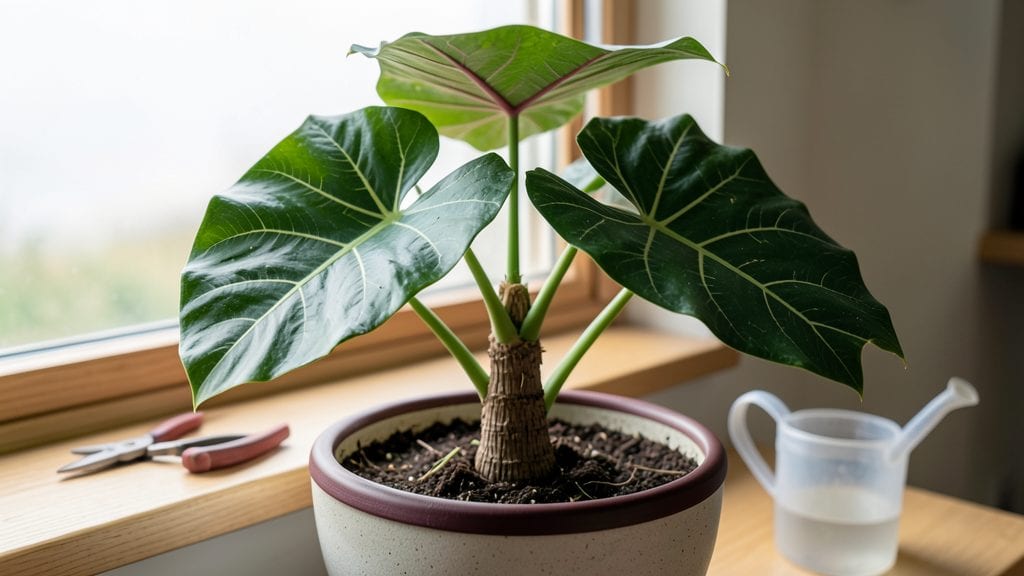
The elephant trunk flowers—those whimsical, sun-drenched blooms that look like they were painted by a playful artist—are about to become your garden’s star attraction. 🌿 I’ll never forget the first time I saw one in a neighbor’s yard, its cascading petals spilling over the edge of a pot like a waterfall of cream and blush.
These aren’t your ordinary flowers; they’re the kind that make passersby stop and ask, "What are those?"
Growing them is easier than you’d think, especially if you mimic their natural habitat: bright, unfiltered sunlight and soil that drains faster than a sieve.
They thrive in well-draining pots or garden beds, and once established, they’re as tough as they are beautiful—drought-tolerant, pest-resistant, and happy to spread their cheerful blooms year after year. The secret?
Treat them like the sun-worshippers they are, and they’ll reward you with 360-degree displays that turn heads in every direction.
You’ll end up with a plant that looks like it belongs in a storybook, its thick, fleshy stems and layered petals creating a living sculpture. Imagine the soft pink and white blooms spilling over trellises, climbing walls, or tumbling from hanging baskets—each one a delicate masterpiece that lasts for weeks.
The best part? They’re perennial, so once they’re happy, they’ll come back bigger and bolder every season.
Whether you’re a beginner or a seasoned gardener, these sun-loving perennials are a game-changer. They’re perfect for containers, vertical gardens, or mixed borders, and they pair beautifully with succulents, ornamental grasses, or other drought-tolerant plants.
Let’s get you growing yours—because once you see them in person, you’ll understand why they’re impossible to resist.
📚 In This Guide
- What you need
- Instructions
- Tips and common mistakes
- Wrapping up and next steps
What you need
- ● Elephant trunk flower plant: 1-2 healthy cuttings or nursery-grown plants (ensure they have at least 3-4 nodes for rooting)
- ● Well-draining potting mix: 1 bag (5-10 gallons) of cactus/succulent mix (or DIY: 50% potting soil + 50% perlite/pumice)
- ● Containers: 1-2 6-8 inch pots with drainage holes (or hanging baskets for trailing displays)
- ● Drainage trays or saucers: 1-2 trays to catch excess water (prevents root rot!)
- ● Watering can or spray bottle: 1 small can or bottle with a fine rose nozzle (for gentle hydration)
- ● Pruning shears or scissors: 1 pair (sterilized with rubbing alcohol for clean cuts)
- ● Grow lights or sunny windowsill: Access to 4-6 hours of direct sunlight daily (south-facing window or LED grow lights for indoor setups)
- ○ Fertilizer (optional but helpful): 1 bottle of balanced liquid fertilizer (e.g., 10-10-10, diluted to half-strength)
- ● Rooting hormone: Speeds up propagation if starting from cuttings.
- ● Peat moss or coconut coir: Boosts moisture retention for cuttings.
- ● Support trellis or moss pole: Encourages vertical growth and trailing.
- ● Humidity tray: Adds moisture for faster rooting (especially in dry climates).
- ● Slow-release granules: Mix into soil for low-maintenance nutrition.
Step-by-step guide to cultivating elephant trunk flowers
Here's how to coax these dramatic perennials into thriving, multi-season bloomers.
🌱 Step 1: Select the Perfect Planting Site
Elephant trunk flowers demand full sun exposure—at least 6-8 hours of direct sunlight daily. I always scout locations with southern or western exposure first, as these spots receive the most intense afternoon light. Avoid spots where trees or buildings cast shade during peak sun hours (10 AM to 4 PM).
Check the soil drainage by digging a 6-inch hole—if water pools after 30 minutes, amend the area with 2-3 inches of coarse sand or gravel mixed into the top 12 inches of soil. These plants despise soggy roots, and poor drainage is the #1 reason they fail. I test soil pH too—aim for 6.0-7.0—and adjust with lime if needed.
🪴 Step 2: Prepare the Soil and Plant
Loosen the soil in a 24-inch diameter circle around your chosen spot to encourage root spread. Mix in 3 inches of compost and 1 cup of bone meal (for phosphorus) into the top 12 inches of soil—this gives roots the nutrients they need for vigorous growth. The reason we add bone meal is that elephant trunk flowers are heavy feeders, especially when establishing new blooms.
Dig a hole twice as wide as the root ball but only as deep as the container's root level. Gently remove the plant from its pot, tease the roots outward if they're circling, then position it so the top of the root ball sits 1 inch below soil level. This slight burial prevents stem rot while encouraging strong root growth. Backfill with native soil, patting lightly to remove air pockets.
☀️ Step 3: Water Deeply and Establish a Routine
Water deeply immediately after planting—1 gallon per plant—to settle the soil and eliminate air gaps. The first week is critical: keep soil evenly moist (not soggy) by watering every 2-3 days until you see new growth. Here's the thing—I water at the base using a soaker hose to avoid wetting the foliage, which reduces disease risk.
After 4-6 weeks, switch to deep watering once weekly unless your area experiences extreme heat or drought. You'll know moisture is right when the top 2 inches of soil feel dry to the touch but deeper soil remains damp. Overwatering causes root rot, while underwatering leads to weak stems that can't support those heavy blooms.
✂️ Step 4: Prune and Support for Maximum Blooms
Deadhead spent blooms immediately after they fade to encourage continuous flowering. I use clean, sharp pruners and cut back to the first set of healthy leaves below the bloom—this redirects energy to new growth. Never cut into old wood, as these plants bloom on current season's growth. Real talk: I've seen gardeners skip this step and end up with just one big flush of blooms instead of months of color.
Install 3-4 stakes or a small trellis around each plant at planting time. The dramatic, arching stems can reach 4-6 feet tall and need support to prevent flopping. Tie stems loosely with soft plant ties every 6-8 inches as they grow. This keeps the elegant trunks upright while allowing them to sway naturally in the breeze.
Tips & tricks for perfect elephant trunk flowers
These sun-loving perennials reward patience with stunning blooms—here's how to set them up for success from day one.
Sunlight Strategy: While 6-8 hours of sunlight is the baseline, these plants thrive with even more light. If your location gets afternoon shade, consider planting them near a south-facing wall where reflected light can extend their sun exposure. I've seen dramatic differences in bloom production when moving plants just a few feet closer to full sun—sometimes adding an extra 2-3 hours makes all the difference.
Soil Preparation Secret: The 2-3 inches of sand or gravel amendment isn't just about drainage—it's about creating an oxygen-rich root zone. After amending, mix in a handful of perlite or vermiculite for extra porosity. This prevents that dreaded "soggy roots" scenario while also warming the soil faster in spring, giving your plants a head start on growth.
Planting Depth Insight: Burying the root ball just 1 inch below soil level might seem minor, but it's crucial for preventing stem rot while encouraging strong root development. Here's what I do: I make a small mound of soil in the hole before placing the plant, then gently settle it down. This creates better soil-to-root contact immediately, which is especially important during the first critical week after planting.
Watering Transition Hack: The shift from every-2-3-days watering to weekly deep watering can be tricky. I recommend installing a simple moisture meter near each plant during the transition period. This helps you gauge when the top 2 inches are truly dry while ensuring deeper soil stays moist—critical for establishing those sturdy stems that support those heavy blooms.
Pro Tips for Elephant Trunk Flowers
- These sun-loving perennials reward patience with stunning blooms—here's how to set them up for success from day one.
- Sunlight Strategy: While 6-8 hours of sunlight is the baseline, these plants thrive with even more light.
- Soil Preparation Secret: The 2-3 inches of sand or gravel amendment isn't just about drainage—it's about creating an oxygen-rich root zone.
Frequently asked questions
Got questions about growing elephant trunk flowers (also known as Ceropegia woodii or "string of hearts")? You’re not alone! Here are some of the most common queries—plus quick answers to help you nurture these unique, sun-loving perennials with confidence.
How fast do elephant trunk flowers grow?
These vining beauties grow at a moderate pace—expect 6–12 inches per year under ideal conditions (bright indirect light, well-draining soil). With patience, they’ll create lush, trailing cascades in just a few seasons! Pro tip: Prune leggy stems to encourage bushier growth and more blooms.
When is the best time to plant elephant trunk flowers?
Plant them in spring or early summer (after the last frost) to give roots time to establish before winter. If repotting, do it in spring—this minimizes stress and encourages vigorous growth. Troubleshooting: If planted too late, mulch heavily to protect roots in cold climates.
Can elephant trunk flowers handle full sun?
Yes! These sun-lovers thrive in 6+ hours of direct sunlight daily, but protect them from intense afternoon heat (especially in hot zones) to prevent leaf scorch. In containers, move them to partial shade if leaves turn yellow or crispy. Alternative: Use sheer curtains or dappled shade for a compromise.
How often should I water elephant trunk flowers?
Water when the top 1–2 inches of soil are dry—typically every 1–2 weeks (less in winter). Overwatering is the #1 killer! Ensure pots have drainage holes, and let excess water run out. Signs of distress: Wilting or mushy stems = too much water; dry, crispy leaves = underwatering.
What pests commonly attack elephant trunk flowers?
Keep an eye out for mealybugs, spider mites, and aphids—they love the sweet sap! Wipe leaves with neem oil or insecticidal soap for mild infestations. For severe cases, isolate the plant and treat with horticultural oil. Prevention tip: Inspect new plants before bringing them indoors!
Why aren’t my elephant trunk flowers blooming?
Blooms need bright light, proper watering, and a bit of stress (like slightly cooler temps in winter). If flowers are missing, check for:
- Low light → Move to a sunnier spot.
- Over-fertilizing → Use a balanced, diluted fertilizer (half-strength) in spring/summer.
- Lack of dormancy → Reduce water in winter to mimic natural cycles.
Wrapping up and next steps
Elephant trunk flowers—with their bold, 360° blooms and sun-loving resilience—are a gardener’s dream! 🌸 Whether you’re drawn to their unique shape or their low-maintenance charm, these perennials reward patience with stunning, long-lasting color.
Ready to transform your garden? Start small—plant a few in a sunny spot, then expand as you fall in love with their drama.
Next steps:
- Pick your favorite variety (like Ceropegia woodii or Ceropegia sandersonii) and gather supplies.
- Follow the care tips shared above—sun, well-draining soil, and occasional pruning are key!
- Share your progress with fellow plant lovers—tag us in your blooms! 📸✨