
Flowers
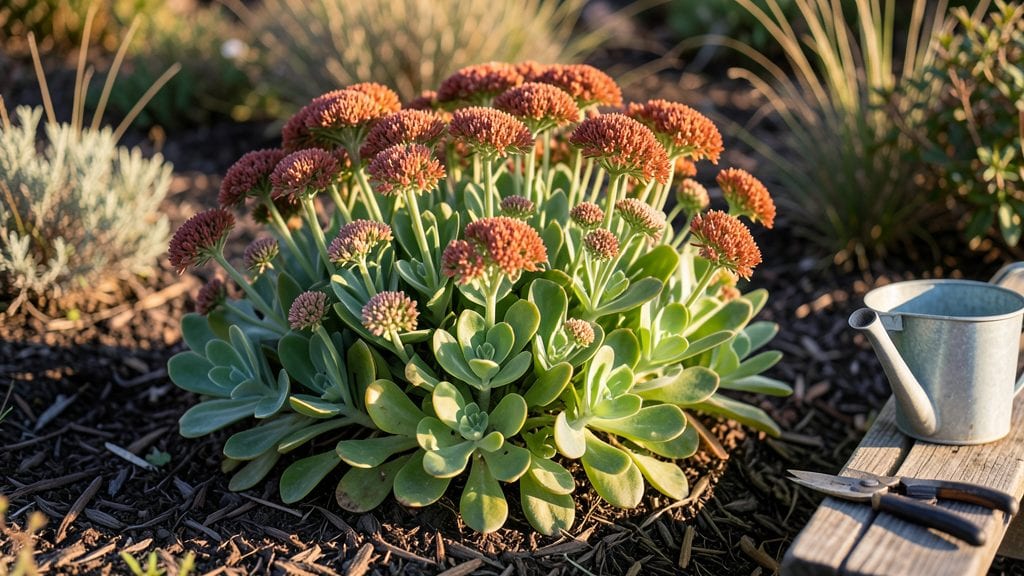
Fall flowering perennials keep your Pacific Northwest garden buzzing with life long after summer fades. 🌻 I’ve spent years curating plants that thrive in our damp, cool seasons—like asters, sedum, and chrysanthemums—each bringing bold colors and pollinator support when other gardens go quiet.
The secret isn’t just picking the right plants; it’s knowing when to prune, deadhead, or protect them for next spring.
These perennials handle our region’s USDA Zones 7-9 with ease, blooming from September through frost. My go-to varieties include New England asters (violet-purple clusters), ‘Autumn Joy’ sedum (deep pink domes), and ‘Shasta Daisy’ chrysanthemums (cheerful whites and yellows).
They’re tough enough for beginners but reward experienced gardeners with extended bloom times—some even rebloom in spring.
Plant them now for low-maintenance color that lasts. Divide clumps in early fall, deadhead spent blooms to encourage new growth, and mulch to shield roots from winter’s chill. Pair them with spring bulbs like daffodils for a seamless transition, and watch bees and butterflies linger until the first frost.
Whether you’re filling gaps in borders or creating a pollinator paradise, these perennials deliver year-round interest with minimal effort. Let’s make your fall garden the envy of the neighborhood—starting with the right plants and a few smart seasonal tweaks.
📚 In This Guide
- What you need
- Instructions
- Tips and common mistakes
- Wrapping up and next steps
What you need
- ● Fall-blooming perennial plants: 3–5 varieties (e.g., Sedum, Heuchera, Asters, Russian Sage, or Goldenrod). Choose native PNW species for best pollinator support.
- ● Well-draining soil: Amend clay-heavy soil with 2–3 inches of compost or peat moss (PNW’s acidic soils love this!).
- ● Organic mulch: 3–4 inches of wood chips or straw to retain moisture and regulate temperature.
- ● Watering can or hose: With a gentle spray nozzle (1–2 gallons per plant, 2–3x/week in dry spells).
- ● Garden gloves & trowel: For planting and soil prep (size medium or large for comfort).
- ● Pruners: Bypass pruners (sharp, for clean cuts) to trim spent blooms or shape plants.
- ● Soil pH tester: Ensure your soil’s pH 5.5–7.0 (PNW’s range).
- ● Pollinator-friendly fertilizers: Slow-release organic fertilizer (e.g., fish emulsion or bone meal) for nutrient boosts.
- ○ Drip irrigation kit: (Optional) For low-maintenance watering—ideal for larger gardens.
- ● Plant labels: Waterproof markers to track varieties (especially helpful for fall rebloomers).
How to design a stunning fall perennial border in the Pacific Northwest
Here’s how to create a late-season pollinator magnet that thrives in our cool, wet climate.
🌱 Step 1: Select Drought-Tolerant Pacific Northwest Natives
Focus on fall-blooming perennials that thrive in USDA Zones 7-9 and handle mild winters without fuss. My top picks include Sedum ‘Autumn Joy’ (drought-resistant and long-blooming), Asters (native to the region and beloved by bees), and Russian Sage (silver foliage that stays striking through frost). These plants not only feed pollinators but also withstand our 60-70°F fall temperatures and occasional coastal fog.
Here’s the thing—avoid tender annuals that bolt with the first frost. Instead, prioritize hardy perennials like Bee Balm (which rebounds yearly) or Goldenrod (a late-season nectar powerhouse). I always check the Pacific Northwest Native Plant Society database to confirm cold tolerance and moisture needs before buying.
☀️ Step 2: Position for Late-Season Sun Exposure
Fall sunlight in the PNW is gentler but still critical—most perennials need at least 4-6 hours of direct light to bloom reliably. Place taller plants like Russian Sage (3-4 feet) at the back of your border, where they won’t shade shorter Sedum or Asters (1-2 feet). I like to arrange them in odd-numbered clusters (3, 5, or 7 plants per grouping) for natural movement and visual balance.
Watch for afternoon shade in dense forests or tall buildings—it can delay blooming. If your site runs cool, add a south-facing wall to extend the growing season. You’ll see the difference in leaf color retention and flower longevity when plants get their light.
💧 Step 3: Amend Soil for Moisture Retention Without Waterlogging
Pacific Northwest soil is often dense and acidic, so I mix in 2-3 inches of compost and a handful of perlite to improve drainage. Avoid heavy amendments like peat moss—they can compact over time. Instead, focus on organic matter to help roots access moisture during our wetter falls. Test your soil’s pH (ideal range: 6.0-7.0 for most perennials) and adjust with lime if needed.
Water deeply once a week after planting, then taper to every 10-14 days once established. You’ll know it’s right when the top 2 inches of soil feel slightly dry—not bone-dry, but not soggy either. Overwatering in fall leads to root rot, especially in Sedum and Goldenrod, which prefer drier conditions.
✂️ Step 4: Prune Strategically for Next Year’s Blooms
After the first hard frost (when foliage turns brown), cut back dead stems to 2-3 inches above the ground for most perennials. This prevents disease and encourages stronger growth in spring. For Asters, leave some seed heads—they provide winter interest and food for birds. I always use clean, sharp shears to avoid tearing stems, which can invite pests.
Real talk: Don’t rush to clean up everything. Leaving some foliage over winter protects beneficial insects and improves soil health. I mark plants with stakes if I’m unsure which is which—come spring, you’ll thank yourself for not over-pruning.
Tips & tricks for perfect fall flowering perennials in the Pacific Northwest
Creating a thriving late-season pollinator garden in our unique climate requires a few key strategies that go beyond the basics.
Seasonal Plant Pairing: Combine plants with staggered bloom times—like Sedum ‘Autumn Joy’ (which blooms from August to October) alongside Asters (September to November)—to ensure continuous nectar for pollinators. I pair these with Russian Sage for its late-season silver foliage that contrasts beautifully with fading leaves. This layered approach extends your garden's visual appeal and functional value through the entire fall season.
Microclimate Awareness: The Pacific Northwest's varied microclimates mean your garden's success hinges on understanding your specific conditions. Coastal areas with occasional fog may require more drought-tolerant varieties like Goldenrod, while inland sites with warmer afternoons can support more moisture-loving perennials. I always test my garden's exposure by placing a thermometer at plant height—if it stays consistently above 60°F, you can plant more heat-tolerant species.
Soil Prep Pro Tip: For the 2-3 inches of compost mentioned in Step 3, I recommend using a mix of well-aged cow manure (for nitrogen) and leaf mold (for moisture retention). This combination creates a perfect balance for our acidic soils. Spread it evenly before planting and lightly scratch it into the top 4-6 inches of soil. The key is to avoid compacting the soil—use a broadfork to loosen it before adding amendments. This creates ideal conditions for root development during our wetter falls.
Pollinator Magnet Strategy: To maximize pollinator visits, incorporate three key elements in your design: nectar sources (like Asters), pollen sources (such as Bee Balm), and larval host plants (like milkweed for monarchs). Place these in odd-numbered clusters (as mentioned in Step 2) to create visual interest while providing abundant resources. I've noticed that pollinators are particularly drawn to borders with 3-5 feet of continuous blooming plants—this gives them easy access to multiple food sources in one visit.
Pro Tips for Fall Flowering Perennials
- Creating a thriving late-season pollinator garden in our unique climate requires a few key strategies that go beyond the basics.
- Seasonal Plant Pairing: Combine plants with staggered bloom times—like Sedum ‘Autumn Joy’ (which blooms from August to October) alongside Asters (September to November)—to ensure continuous nectar for pollinators.
- Microclimate Awareness: The Pacific Northwest's varied microclimates mean your garden's success hinges on understanding your specific conditions.
Frequently asked questions
Got questions about adding fall flowering perennials to your Pacific Northwest garden? You’re not alone! Here are some of the most common queries—and expert answers—to help you create a vibrant, pollinator-friendly space that thrives in autumn’s cooler (but still sunny!) days.
When is the best time to plant fall-blooming perennials in the PNW?
For the Pacific Northwest’s mild, wet climate, aim to plant most perennials in early to mid-fall (September–October). This gives roots time to establish before winter while avoiding summer’s heat stress. Hardy varieties like Sedum or Heuchera can even handle late fall planting if soil isn’t frozen. Pro tip: Water deeply after planting to encourage root growth before winter dormancy!
Which fall perennials attract the most pollinators?
Top picks for bees, butterflies, and hummingbirds include:
- Aster (butterfly magnet)
- Goldenrod (late-season bee favorite)
- Joe Pye Weed (hummingbird draw)
- Russian Sage (drought-tolerant & aromatic)
How do I protect fall perennials from early frosts?
Most hardy perennials (zones 6–9) tolerate light frosts, but tender varieties (like Canna) need mulch or row covers once temps dip below 25°F. Cut back dead foliage in late fall to prevent rot, but leave seed heads for winter interest and birds! Evergreens like Heuchera or Hellebore add color year-round—just shield them from heavy snow.
Can I grow fall perennials in containers or small spaces?
Compact varieties
like Dwarf Russian Sage, Miniature Aster, or Creeping Thyme thrive in pots (12"+ depth). Use well-draining soil and terracotta containers to prevent root rot. Group containers near windows or patios to extend the blooming season—just move them to sheltered spots before hard frosts!
Why aren’t my fall perennials blooming this year?
Common culprits:
- Over-fertilizing (promotes leafy growth, not flowers). Use low-phosphorus fertilizer in early spring instead.
- Poor sunlight (most need 6+ hours of sun for fall blooms). Relocate if shaded by new growth.
- Stress from drought or pests. Check for aphids or spider mites—neem oil helps!
Wrapping up and next steps
Transforming your Pacific Northwest garden into a pollinator paradise with fall-blooming perennials is easier—and more rewarding—than you think! 🌸 From hardy asters to vibrant sedums, these plants not only brighten autumn but also support local ecosystems year-round.
Whether you’re a seasoned gardener or just starting, every bloom matters—so grab your gloves and get planting!
👉 Next step: Pick 2-3 perennials from this guide, sketch a simple garden layout, and visit your local nursery to bring your vision to life. Happy gardening!