
Flowers
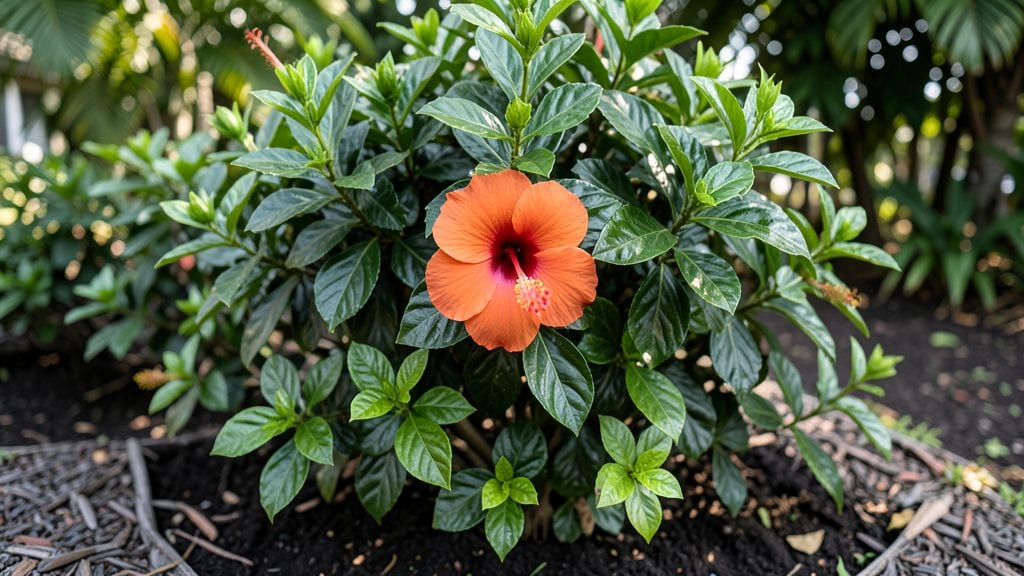
Growing a fiesta hibiscus flower in cooler climates feels like cheating the system—these vibrant blooms thrive where most tropical plants would surrender. 🌺 I’ve watched mine burst into fiery reds and oranges even in Zone 7, proving that with the right tricks, you can coax this showstopper to life.
The key isn’t just sunlight or soil; it’s understanding how to mimic its natural subtropical comforts, even when winter tries to steal the show.
Here’s the secret: acidic, well-draining soil mixed with a dash of organic matter, paired with morning sun and afternoon shade to protect those delicate petals. Most gardeners overwater, but fiesta hibiscus hate soggy roots—think of it as giving them a drink, not a bath.
And yes, you can overwinter them indoors or with frost blankets, though I’ve had mine bounce back from light freezes with a little TLC.
What you’ll end up with is a plant that blooms from late spring through fall, its flowers lasting just one day but appearing in waves. The foliage stays lush and glossy, and the scent?
Like a tropical breeze on a summer afternoon. It’s the kind of plant that makes neighbors pause and ask, “How’d you do that?”—and the answer is simpler than you’d think.
Whether you’re starting from seeds (slow but rewarding) or cuttings (faster, but needs patience), this guide covers every step—including how to prune for bushier growth and when to fertilize for those bold, dinner-plate-sized blooms. Let’s get those roots in the ground!
📚 In This Guide
- What you need
- Instructions
- Tips and common mistakes
- Wrapping up and next steps
What you need
- ● Fiesta Hibiscus Seeds or Cuttings: 1 packet of Hibiscus rosa-sinensis seeds (variety "Fiesta" or similar tropical hybrids) OR
- ○ 1-2 healthy cuttings (4-6 inches long) from an existing fiesta hibiscus plant (optional but faster!).
- ● Potting Mix: 1 bag (10-15 gallons) of well-draining, peat-based potting mix (e.g., Miracle-Gro Potting Mix or a 50/50 blend of peat moss + perlite).
- ○ Optional: Add 1 cup of orchid bark or coconut coir for extra aeration.
- ● Containers: 1-2 5-7 gallon pots with drainage holes (for seedlings or cuttings).
- ○ Optional: A grow tray or seedling flat if starting from seeds (12+ cells).
- ● Basic Gardening Tools: 1 pair of pruning shears (sterilized with rubbing alcohol).
- ● 1 trowel or small shovel for transplanting.
- ● 1 spray bottle (for misting seeds/cuttings).
- ● Climate Control (for Cooler Climates): 1 greenhouse, sunroom, or indoor grow lights (12-16 hours/day, 6000K-7000K spectrum).
- ○ Heat mat (optional, for seed germination: 75-85°F).
- ● Fertilizers & Amendments: 1 bottle of balanced liquid fertilizer (e.g., 10-10-10 or 20-20-20, diluted to half-strength).
- ○ Optional: 1 scoop of worm castings or fish emulsion for organic boost.
Step-by-step instructions for cultivating fiesta hibiscus in containers
Bringing these vibrant blooms to life starts with the right approach—here’s how I do it every season.
🪴 Step 1: Select and Prepare Your Container
Fiesta hibiscus thrive in 5-gallon containers with drainage holes—no exceptions. I use unglazed terra cotta pots because they breathe and prevent root rot in humid conditions. If your container lacks drainage, drill 4 evenly spaced holes near the bottom. Line the bottom with 1 inch of coarse gravel to improve airflow and prevent clogging.
Choose a pot with a diameter at least 12 inches—these plants grow bushy and need room to establish. I always add a plastic nursery pot liner inside the decorative container to protect roots from the porous clay. This keeps the hibiscus happy while letting you change outer pots for seasonal aesthetics.
🌱 Step 2: Layer Soil for Optimal Drainage and Feeding
Fiesta hibiscus despise soggy roots, so I create a three-layer soil mix in each container. Start with 2 inches of perlite at the bottom—this ensures excess water drains instantly. Next, add 3 inches of high-quality potting mix (look for one labeled for tropical plants). Finally, top with 1 inch of coconut coir or peat moss to retain moisture near the roots.
Mix in 1 tablespoon of slow-release fertilizer (10-10-10 works well) directly into the potting mix. I like to sprinkle ½ teaspoon of mycorrhizal fungi on the roots before planting—this helps the hibiscus establish a strong network for nutrient uptake. The fungi also boosts resilience against cooler temperatures, which is key for cooler climates.
☀️ Step 3: Plant and Position for Maximum Blooms
Dig a hole twice as wide as the root ball but no deeper than the container’s top layer. Gently remove the hibiscus from its nursery pot and tease the roots outward if they’re circling. Place the plant so the top of the root ball sits just below the soil line—burying the stem too deep invites rot, while planting too high stresses the plant.
Fill the hole with your layered mix, pressing lightly to eliminate air pockets. Water deeply until water runs freely from the drainage holes. After planting, move the container to a location with full sun exposure (6+ hours daily). Fiesta hibiscus love heat but tolerate partial shade in peak afternoon sun—just watch for fewer blooms if light drops below 5 hours. I always place mine near a south-facing wall for extra warmth.
💧 Step 4: Water and Feed for Continuous Color
Water deeply every 2-3 days during the growing season, checking until water drains from the bottom holes. Let the top 1-2 inches of soil dry out between waterings—this prevents root rot while keeping the plant hydrated. In cooler months, reduce watering to once every 5-7 days, adjusting based on indoor humidity levels. Overwatering is the fastest way to kill these tropical beauties.
Feed with a balanced liquid fertilizer (20-20-20) every 2 weeks during spring and summer. I cut back to once a month in fall and stop fertilizing entirely in winter. The key is consistency—Fiesta hibiscus respond dramatically to steady nutrition. You’ll see buds form within 3-4 weeks of proper feeding, and blooms will last 7-10 days each if you deadhead spent flowers promptly.
✂️ Step 5: Prune and Winterize for Next Season
Prune back one-third of the plant in early spring to encourage bushier growth. I use clean, sharp pruners to cut just above a leaf node at a 45-degree angle. Remove any dead or yellowing leaves immediately—they sap energy from the plant. After pruning, apply a thin layer of mulch (½ inch) around the base to retain moisture and regulate soil temperature.
In cooler climates, bring containers indoors before temperatures drop below 50°F. Place them near a south-facing window or under grow lights for 12-14 hours daily. Reduce watering to once every 10-14 days and stop fertilizing entirely. With proper care, your Fiesta hibiscus will reward you with bold blooms year after year, even in less-than-tropical conditions.
Tips & tricks for cultivating stunning fiesta hibiscus
These little-known secrets will help you coax vibrant blooms from your container-grown hibiscus—even when temperatures dip below tropical norms.
Container Selection Wisdom: If you're repurposing decorative pots without drainage, drill holes in a staggered pattern rather than clustering them all near the bottom. This creates a more even water distribution system that mimics natural rain patterns. I've also found that adding a plastic nursery pot liner inside decorative containers prevents the porous terra cotta from wicking moisture too aggressively, which is crucial during those 5 hours of peak afternoon sun when evaporation rates spike.
Soil Layering Technique: The three-layer soil mix isn't just about drainage—it's about creating an ideal microclimate for roots. When mixing your 3 inches of potting mix, incorporate 1 tablespoon of slow-release fertilizer directly into the middle layer. This creates a nutrient-rich zone where roots will naturally grow toward. For the 1 inch of coconut coir top layer, I like to add a handful of worm castings—this boosts microbial activity without overwhelming the plant's delicate root system.
Light Positioning Strategy: While 6+ hours of full sun is ideal, I've found that positioning your container near a reflective surface (like a white wall or light-colored patio furniture) can effectively increase light exposure by 20-30%. This is especially helpful in cooler climates where direct sunlight might be limited. Rotate your container quarter-turns every 2 weeks to ensure even growth—you'll notice leaves reaching toward one side if they're not getting balanced light exposure.
Winter Care Insight: When bringing containers indoors before 50°F temperatures, place them near a south-facing window but avoid cold drafts from open windows. I've had success using a grow light on a timer (12-14 hours daily) positioned 12-18 inches above the plant. This mimics natural daylight cycles and prevents the sudden shock of indoor conditions. During this period, I also reduce watering to once every 10-14 days—the cooler indoor air means the soil stays moist longer than outdoor conditions would suggest.
Pro Tips for Fiesta Hibiscus Flower
- These little-known secrets will help you coax vibrant blooms from your container-grown hibiscus—even when temperatures dip below tropical norms.
- Container Selection Wisdom: If you're repurposing decorative pots without drainage, drill holes in a staggered pattern rather than clustering them all near the bottom.
- Soil Layering Technique: The three-layer soil mix isn't just about drainage—it's about creating an ideal microclimate for roots.
Frequently asked questions
Got questions about growing fiesta hibiscus flowers? You’re not alone! Here are answers to the most common queries to help you cultivate these stunning tropical blooms with confidence—even in cooler climates.
Can fiesta hibiscus survive in cold climates, or do I need to grow them indoors?
Fiesta hibiscus (Hibiscus rosa-sinensis) thrives in USDA zones 10–12, but with care, you can grow them in cooler zones (7–9) as container plants. Move them indoors before frost (below 50°F/10°C) and provide bright light. A heat lamp or grow light helps during winter dormancy. With proper protection, they’ll reward you with vibrant blooms year-round!
How often should I water my fiesta hibiscus, and what’s the best soil mix?
Water your fiesta hibiscus when the top 1–2 inches of soil feel dry—typically 2–3 times per week in summer, less in winter. Use a well-draining potting mix (50% peat/coir, 30% perlite, 20% compost) to prevent root rot. Pro tip: Add a 1-inch layer of mulch to retain moisture and regulate soil temperature.
Why aren’t my fiesta hibiscus flowers opening, even though the buds look healthy?
Bud drop or failure to open is often caused by stress. Check for these fixes:
- Light: Ensure 6+ hours of direct sunlight daily (south-facing windows or grow lights).
- Temperature: Keep temps between 65–85°F (18–29°C)—buds may abort in drafts or cold snaps.
- Humidity: Low humidity (<40%) can stunt blooms. Use a humidifier or pebble tray.
- Fertilizer: Over- or under-fertilizing stresses plants. Use a balanced 10-10-10 or hibiscus-specific feed every 4–6 weeks.
If issues persist, inspect for pests (spider mites, aphids) or nutrient deficiencies (yellow leaves = nitrogen; brown edges = potassium).
Are there low-maintenance alternatives to fiesta hibiscus for cooler climates?
If fiesta hibiscus seems too high-maintenance, try these hardier hibiscus varieties or alternatives:
- Hardy Hibiscus (Hibiscus moscheutos): Thrives in zones 5–9, drought-tolerant, and blooms summer-to-fall. Note: Different genus but equally stunning!
- Rose of Sharon (Hibiscus syriacus): Cold-hardy to zone 4, fragrant blooms, and minimal care.
- Tropical Bougainvillea: More drought-resistant than hibiscus but needs winter protection in zones 9–11.
- Container-Grown Tropicals: Try plumeria or bougainvillea in pots for year-round color (bring indoors in winter).
For easiest care, opt for Hibiscus syriacus—it’s nearly indestructible!
How do I revive a fiesta hibiscus that’s been neglected (droopy, yellow leaves, no blooms)?
Don’t panic! Follow these steps to nurse it back to health:
- Prune dead/dying leaves with clean scissors to redirect energy.
- Check roots: If pot-bound, repot in fresh soil and trim crowded roots.
- Adjust watering: Overwatering causes root rot (yellow leaves). Underwatering causes droop. Let soil dry slightly between waterings.
- Fertilize lightly with a half-strength balanced fertilizer to avoid burning.
- Move to better light (south window or grow light) for 2–3 weeks.
With TLC, your hibiscus should bounce back in 4–6 weeks! If not, check for pests or disease (like fungal leaf spot).
Wrapping up and next steps
The Fiesta hibiscus brings a burst of tropical beauty to gardens—even in cooler climates! With the right care, you can enjoy its vibrant blooms year after year. Start by choosing the perfect spot, providing consistent moisture, and protecting it from harsh winters.
Ready to transform your space? Grab your supplies, follow the steps, and watch your Fiesta hibiscus thrive! 🌺✨ Next, share your progress with fellow plant lovers—tag us in your garden photos!