
Tools
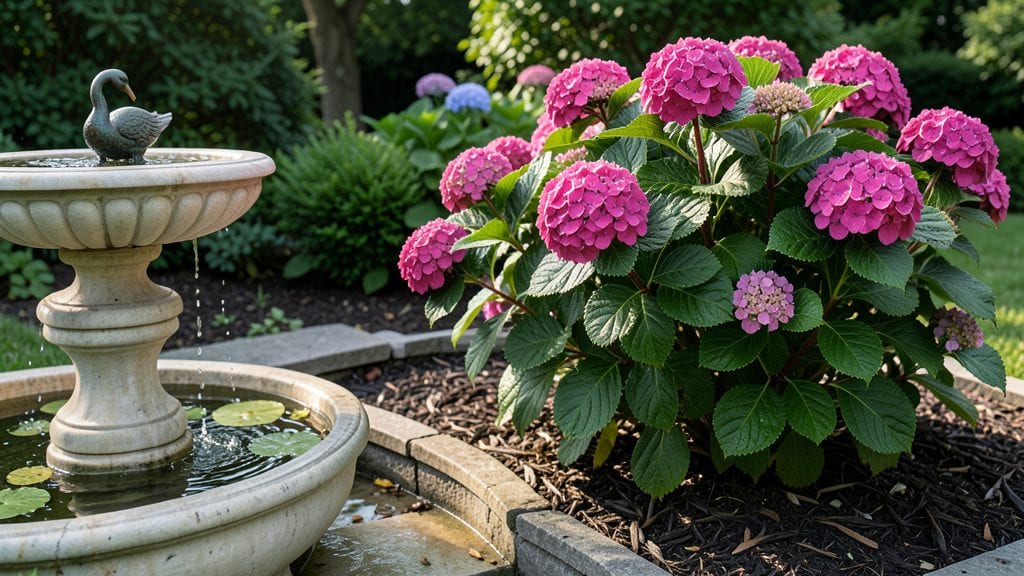
A flower garden with fountain transforms your yard from ordinary to extraordinary—where the soothing sound of water becomes the soundtrack to your outdoor retreat. 🌸 The key is choosing plants that thrive near water while letting the fountain be the centerpiece, not an afterthought.
I learned this the hard way when my first setup drowned delicate blooms, but now my garden balances lush foliage with effortless elegance.
Start with a fountain that matches your space—whether it's a small tabletop model for a patio or a grand tiered basin for a sprawling yard. Place it where the water's gentle movement creates a focal point, surrounded by moisture-loving plants like hostas, astilbes, or water lilies.
The trick is keeping the fountain's splash zone clear of sun-sensitive flowers while letting the water's mist add humidity for thriving greenery.
You'll end up with a garden that feels like a private sanctuary—where the scent of blooms mingles with the freshness of moving water. The right fountain and plant combo turns ordinary afternoons into moments of quiet escape, all while requiring minimal upkeep.
Even in hot summers, the water feature keeps the air cooler and the plants happier, creating a self-sustaining oasis.
This works for any size garden, from urban balconies to rural acreages. The secret? Start small, observe how your plants respond, and let the fountain's rhythm guide your design choices. Soon, you'll have a space that feels like a retreat, not just a yard.
📚 In This Guide
- What you need
- Instructions
- Tips and common mistakes
- Wrapping up and next steps
What you need
- ● Water Feature: Pre-formed fountain kit (e.g., tiered, wall-mounted, or pondless) or a custom-designed basin (12"–36" diameter, depending on space)
- ● Pump (submersible or external, 1/20 HP to 1/4 HP for small to medium fountains)
- ● Flowers & Plants: Moisture-loving perennials (e.g., hostas, astilbes, or impatiens – 5–10 plants)
- ● Water-tolerant annuals (e.g., lobelia, primrose, or water lilies – 3–5 plants)
- ● Ground cover (e.g., creeping jenny or moss – 1–2 bags)
- ● Soil & Mulch: Well-draining potting mix (2–3 cubic feet)
- ● Organic mulch (1–2 bags, e.g., shredded bark or pine straw)
- ● Garden shovel & trowel
- ● Wheelbarrow (for hauling soil/mulch)
- ● Measuring tape & level
- ● Garden hose (with spray nozzle)
- ● Gloves & knee pads
- ○ Optional (but helpful!): Landscape fabric (to suppress weeds)
- ● Decorative stones or pebbles (for fountain base)
- ● Solar-powered fountain light (for ambiance)
- ● Sunlight assessment: Partial shade to full sun (6+ hours/day ideal for most fountains/flowers)
- ● Water source: Garden hose connection or nearby spigot (for pump setup)
- ● Drainage plan: Ensure the fountain area slopes slightly for water runoff
- ● Local regulations: Check HOA or city codes for water feature restrictions
Step-by-Step instructions for designing a flower garden with a fountain
Here's how to blend water and blooms for a tranquil, visually stunning garden.
🪴 Step 1: Plan the Layout and Select Your Fountain
Start by sketching your garden space to determine the fountain's focal point. A small tabletop fountain works beautifully in a 4-foot by 4-foot garden bed, while a freestanding tiered fountain can anchor a larger 8-foot by 8-foot area. Place the fountain where it won’t obstruct foot traffic or block sunlight from plants.
Here's the thing—water features need easy access to electricity or battery power. If you're using a solar-powered fountain, position it where it gets at least 6 hours of sunlight daily. For plugged-in models, ensure the power cord won’t trip anyone or get soaked. I like to bury the cord in a shallow trench with a waterproof conduit for a clean look.
☀️ Step 2: Prepare the Soil and Plant Water-Loving Flowers
Before planting, loosen the soil to a depth of 12 inches to help roots establish. Mix in 2-3 inches of compost to improve drainage and fertility—water-loving plants like marginals and aquatic varieties thrive in nutrient-rich, slightly moist soil. Test the soil’s moisture level by squeezing a handful; it should hold together but not feel soggy.
Plant flowers in concentric rings around the fountain, starting with tall perennials (like canna lilies or hostas) at the back, then medium-height blooms (such as daylilies or impatiens) in the middle, and low-growing ground covers (like creeping jenny or ajuga) at the edges. This creates a natural tiered effect that frames the water feature beautifully.
💧 Step 3: Install the Fountain and Water System
Follow the manufacturer’s instructions to assemble your fountain, but here’s my pro tip: level the base carefully using a spirit level—even the slightest tilt will cause water to pool unevenly. Place a layer of landscape fabric under the fountain to prevent weeds from creeping up through the base.
Fill the fountain with dechlorinated water (use a water conditioner if your tap water has chlorine) and test the pump. Adjust the flow rate so water cascades smoothly without splashing too aggressively—you want a calming, rhythmic sound, not a loud roar. If your fountain has a skimmer or filter, clean it every 2 weeks to keep the water crystal clear.
🌿 Step 4: Maintain Water Quality and Garden Health
Check the water level weekly and top it off with dechlorinated water to prevent algae growth. Add a fountain tablet or barley straw to the water every 4-6 weeks to keep it fresh naturally. Avoid overcrowding plants around the fountain—leave 6-12 inches of space between them for airflow and easy maintenance.
Real talk: Mosquitoes love stagnant water, so if you notice any activity, add a floating mosquito dunks (they’re organic and safe for plants). Trim dead foliage regularly to keep the garden looking neat, and fertilize every 6-8 weeks during the growing season with a slow-release, water-soluble fertilizer to support vibrant blooms.
Tips & tricks for perfect flower garden with fountain
Creating a harmonious garden with a fountain takes thoughtful planning—and these tricks will help you avoid common pitfalls while maximizing beauty.
Fountain Placement: When choosing your fountain's location in Step 1, consider the sun's path throughout the day. A tabletop fountain in a 4-foot bed should get morning sun to prevent algae buildup, while tiered fountains in 8-foot areas can handle more direct sunlight. I always position mine so the water reflects light onto nearby flowers for that magical shimmer effect.
Soil Preparation: In Step 2, don't skimp on the compost—those 2-3 inches are crucial for water-loving plants. I like to mix in a handful of perlite to improve drainage while maintaining moisture retention. For heavy clay soil, add extra compost to create that ideal slightly moist texture. Test your soil moisture by squeezing—it should hold together but not feel damp.
Water Quality Maintenance: The weekly water checks in Step 4 are non-negotiable, but here's a pro tip: Keep a small bucket of dechlorinated water nearby to make top-offs quick and convenient. For extra clarity, add a pinch of hydrogen peroxide (1/4 teaspoon per gallon) every other month—it's a natural algae fighter that won't harm plants.
Plant Spacing Secret: When arranging your concentric rings in Step 2, remember that mature plant sizes matter more than current sizes. Give those canna lilies and hostas at least 18 inches of space at the back—they'll spread! The 6-12 inch spacing recommendation is for mature plants, not seedlings. I always mark planting spots with stakes before digging to visualize the final layout.
Pro Tips for Flower Garden With Fountain
- Creating a harmonious garden with a fountain takes thoughtful planning—and these tricks will help you avoid common pitfalls while maximizing beauty.
- Fountain Placement: When choosing your fountain's location in Step 1, consider the sun's path throughout the day.
- Soil Preparation: In Step 2, don't skimp on the compost—those 2-3 inches are crucial for water-loving plants.
Frequently asked questions
Got questions about creating your dream flower garden with fountain? You're not alone! Here are some of the most common concerns—and their solutions—to help you plan with confidence.
What’s the best type of fountain for a small flower garden?
A compact bubble fountain or tabletop tiered fountain works beautifully in small spaces, blending seamlessly with flowers. For larger gardens, a pondless waterfall or wall-mounted fountain adds elegance without overwhelming the area. Choose one with a low water flow (under 30 GPH) to minimize maintenance.
When is the best time to install a fountain in a flower garden?
Spring or early fall is ideal—soil is workable, and temperatures are mild. Avoid winter installations (freezing risks) or peak summer (heat stress on plants). If adding to an existing garden, plant flowers around the fountain after installation to avoid root damage. Pro tip: Test the fountain’s water flow before planting to check for leaks!
How do I keep the fountain water clean in a flower garden?
Use a fountain filter or biological additives (like barley straw) to reduce algae. Skim debris weekly, and top off water with a dechlorinator if using tap water. Place the fountain slightly away from dense foliage to minimize leaf buildup. For extra peace of mind, add a UV clarifier to keep water crystal clear.
Can I add a fountain to an existing garden without disrupting the flowers?
Yes! Opt for a portable fountain or a pre-formed pond liner to minimize digging. If installing permanently, choose a spot near your irrigation system to reuse water. Transplant delicate flowers after installation, and water them deeply for 2 weeks to help them recover. For a seamless look, select flowers with drought-tolerant roots near the fountain’s edge.
What’s the most common issue with fountain-flower garden setups?
The biggest challenge is root intrusion into fountain plumbing. Use a root barrier around the base, and avoid planting deep-rooted species (like willows or bamboo) nearby. Another issue? Mosquitoes—keep water moving with a pump, and add mosquito dunks (beneficial bacteria) to stagnant areas. Regular pump maintenance also prevents clogs!
Wrapping up and next steps
A flower garden with fountain isn’t just a stunning visual—it’s a tranquil retreat that transforms your outdoor space into a peaceful sanctuary. Whether you’re drawn to the soothing sounds of water or the vibrant beauty of blooms, this combination brings harmony and life to any landscape. 🌸💦
Now that you’re inspired—and armed with the right tools and tips—take the next step! Start small with a single fountain or expand your vision into a full-blown garden oasis. Your serene escape is just a shovel’s throw away!