
Flowers
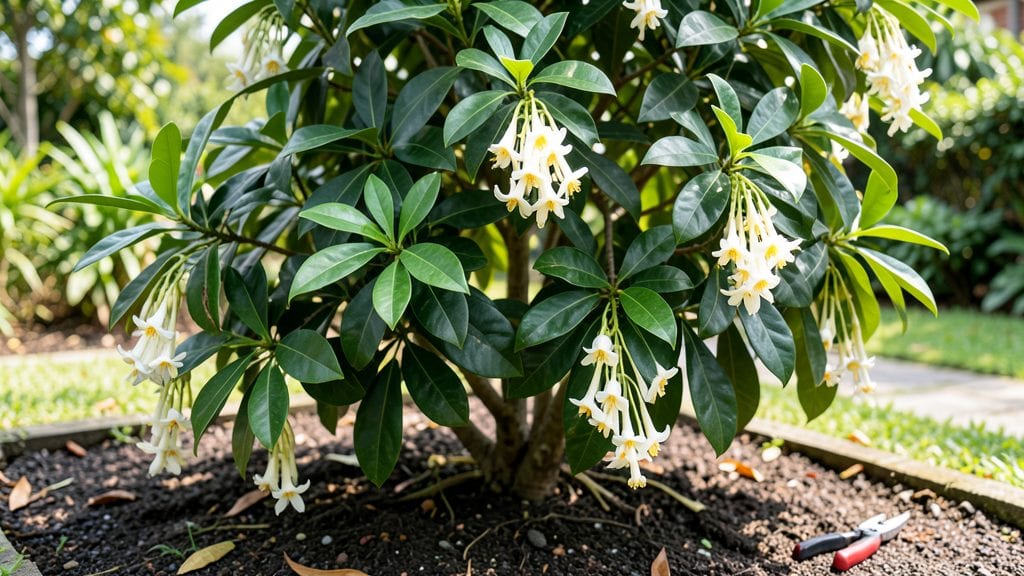
Growing ylang-ylang (Cananga odorata) means turning your garden into a fragrant tropical oasis that hums with pollinators year-round. 🌿 This isn’t your average flowering shrub—its starburst blooms release a heady, sweet perfume that’s legendary in perfumery, and the dark green leaves add lush texture to any landscape.
The catch? It thrives only where summers stay warm and winters avoid frost, making it a showstopper for zones 10-12 or container growers who can bring it indoors in cooler months.
The secret to happy ylang-ylang starts with mimicking its jungle roots: rich, slightly acidic soil that drains well but stays moist (think peat moss mixed with compost). Plant it where it gets morning sun and afternoon shade—too much direct heat wilts the blooms faster than you can admire them.
Water consistently, keeping the soil damp but never soggy, and you’ll reward yourself with fragrant white flowers that open in clusters from late spring through fall.
By summer’s end, your ylang-ylang will be a magnet for bees and butterflies, its branches heavy with intoxicating blossoms you can harvest for homemade perfumes or fresh floral arrangements. Prune lightly after blooming to shape it, and watch it bounce back with even more vigor next season.
The payoff? A garden that smells like a tropical paradise and never stops attracting life.
For cooler climates, grow it in a large pot and overwinter it under grow lights—its adaptability makes it worth the effort. Whether you’re chasing fragrance, pollinators, or just a stunning focal point, this plant delivers on all fronts. Ready to grow your own slice of paradise?
📚 In This Guide
- What you need
- Instructions
- Tips and common mistakes
- Wrapping up and next steps
What you need
- ● Ylang-ylang seeds or cuttings: 3–5 healthy seeds (or 1–2 cuttings for faster growth). Ensure they’re sourced from a reputable nursery for quality.
- ● Well-draining potting mix: 5–10 gallons of a blend of peat moss, perlite, and coconut coir (or a pre-mixed tropical mix). Aim for a pH of 5.5–6.5.
- ● Containers: 1–2 5-gallon pots with drainage holes (or a raised bed if planting outdoors in warm climates).
- ● Slow-release fertilizer: A balanced 10-10-10 or 20-20-20 formula (1–2 tbsp per pot). Look for one labeled for tropical plants.
- ● Humidity dome or plastic wrap: For seedling protection (especially if starting indoors).
- ● Misting spray bottle: To maintain moisture without overwatering.
- ○ Pruning shears: Sharp, sterilized shears for trimming (optional but helpful for shaping).
- ● Grow lights: LED or fluorescent bulbs (12–16 hours/day) if starting seeds indoors before warm weather.
- ● Heat mat: For seeds (70–85°F ideal for germination).
- ● Compost or worm castings: To boost soil fertility (1 cup mixed into the top layer of soil).
- ● Essential oil diffuser: For a ylang-ylang-scented growing experience (because why not?).
- ● Pollinator-friendly companions: Like butterfly bushes or hibiscus to attract bees and butterflies to your ylang-ylang haven!
Step-by-step guide to cultivating ylang-ylang for lush, fragrant blooms
Here's how I grow these tropical beauties—rich, fragrant, and full of life.
🌱 Step 1: Choose the Perfect Spot and Prepare the Soil
Ylang-ylang thrives in warm, humid conditions with partial shade to full sun—think 6-8 hours of dappled sunlight daily. I plant mine in a sheltered corner where morning sun warms the leaves but afternoon shade prevents scorching. The soil must drain well but retain moisture, so I mix equal parts garden soil, compost, and perlite to create a light, airy medium.
Test your soil's moisture by squeezing a handful—it should hold together but not feel soggy. If your soil drains too fast, add 1 part peat moss to the mix. Ylang-ylang roots hate sitting wet, so elevated beds or containers with drainage holes work best if your yard stays damp.
☀️ Step 2: Plant and Water for Strong Root Establishment
Dig a hole twice as wide as the root ball but only as deep as the container it came in. Gently loosen the roots if they're circling and place the plant so the top of the root ball sits just below soil level. This prevents stem rot while encouraging roots to spread.
Water deeply right after planting—1 gallon per plant—until water runs out the drainage holes. Then, let the top 2 inches of soil dry out before watering again. Overwatering at this stage causes yellow leaves, but underwatering stunts growth. I check soil moisture by sticking my finger 1 inch down; if it's dry, it's time to water.
🌿 Step 3: Prune and Fertilize for Bushy Growth and Fragrance
Once your ylang-ylang reaches 12-18 inches tall, pinch back the tips of new growth to encourage fuller branching. I use clean, sharp pruners to snip just above a leaf node where new shoots will sprout. This step is crucial—without it, your plant grows leggy and sparse.
Feed with a balanced, water-soluble fertilizer (10-10-10) every 4-6 weeks during growing season. Dilute to half-strength to avoid burning roots. I also sprinkle 1 inch of compost around the base in spring to boost soil fertility naturally. Watch for dark green, glossy leaves—that’s your sign the plant is thriving.
✂️ Step 4: Harvest Flowers for Pollinators and Essential Oil
Ylang-ylang blooms best when you let some flowers stay on the plant for pollinators, but you can also harvest fully opened buds for fragrance. I pick flowers in the morning when their scent is strongest. Use clean scissors to cut stems just above a leaf node, leaving 2-3 inches of stem for regrowth.
Drying the flowers for essential oil is simple: lay them in a single layer on a screen in a warm, dark place for 5-7 days. Once completely dry, store in an airtight jar. If you’re not harvesting for oil, leave some blooms on the plant—they attract bees and butterflies, creating a year-round pollinator haven. Just don’t remove more than one-third of the flowers at once to keep the plant productive.
🪴 Step 5: Protect and Overwinter for Long-Term Growth
In cooler climates, ylang-ylang needs winter protection. I wrap the base of the plant in burlap and cover it with 4-6 inches of mulch to insulate roots. If frost threatens, move potted plants to a garage or shed where temps stay above 50°F. Even a light freeze can damage leaves, but the plant often rebounds with proper care.
Resume regular watering in spring when new growth appears. Prune any dead or damaged branches before buds swell—this encourages fresh, vigorous shoots. With time, your ylang-ylang will reward you with glossy foliage, intoxicating blooms, and a lush, fragrant haven for pollinators all year.
Tips & tricks for perfect ylang-ylang cultivation
Took me years to figure out these tropical plant secrets—here's how to avoid the pitfalls I faced.
Location Strategy: That 6-8 hours of dappled sunlight is non-negotiable. I learned the hard way—direct afternoon sun scorches leaves while too little shade makes plants stretch leggy. If your yard gets harsh afternoon rays, install a sheer curtain or use shade cloth for the hottest hours. The goal is bright but indirect light that mimics their native rainforest understory.
Soil Mix Secret: The equal parts garden soil, compost, and perlite ratio is perfect, but don't skip the peat moss test. If your soil drains too fast, add that extra part of peat moss—it's the difference between thriving roots and struggling ones. I've seen plants wither within weeks when planted in pure sandy soil. Think "moist sponge" texture, not "dry powder."
Watering Technique: That 1 gallon initial watering is crucial, but timing matters just as much. Water in the morning so leaves dry by evening—prevents fungal issues. And when checking soil moisture, press your finger 1 inch down: if it feels dry, water thoroughly until it runs out drainage holes. I've lost plants by both overwatering (soggy roots) and underwatering (crispy edges).
Pruning Insight: The 12-18 inch height trigger for pruning is about growth stage, not calendar time. Watch for new growth that's about 4-6 inches long—those are your pinch points. I use my fingernail to make clean breaks at leaf nodes rather than cutting with scissors. This encourages bushier growth while preventing jagged cuts that invite disease.
Pro Tips for Flower Ylang Ylang
- Took me years to figure out these tropical plant secrets—here's how to avoid the pitfalls I faced.
- Location Strategy: That 6-8 hours of dappled sunlight is non-negotiable.
- Soil Mix Secret: The equal parts garden soil, compost, and perlite ratio is perfect, but don't skip the peat moss test.
Frequently asked questions
How do I know when my ylang-ylang tree is ready to bloom?
Ylang-ylang trees typically bloom 2–3 years after planting if given proper care. Look for small, pale green buds that develop into fragrant, star-shaped white or yellow flowers. A mature tree (5+ years) may produce blooms year-round in tropical climates or seasonally in cooler areas.
Can ylang-ylang grow in containers, or does it need a garden?
Yes! Ylang-ylang thrives in large containers (15+ gallons) with drainage holes. Use a well-draining potting mix and place it in full sun (6+ hours daily). In colder climates, move pots indoors during winter or use a grow light. Just ensure the container is at least 2 feet wide to accommodate root growth.
Why aren’t my ylang-ylang leaves turning yellow?
Yellowing leaves often signal overwatering, poor drainage, or nutrient deficiency. Check soil moisture—water only when the top 2 inches are dry. Ensure the pot has drainage holes, and fertilize lightly with a balanced bloom booster (10-10-10) every 4–6 weeks. If pests like spider mites are present, treat with neem oil.
What’s the best way to propagate ylang-ylang from cuttings?
Take 4–6 inch semi-hardwood cuttings in spring/summer, dip in rooting hormone, and plant in moist perlite or sand. Keep humidity high (use a plastic bag) and place in bright, indirect light. Roots form in 4–8 weeks. Transplant once established!
Are there fragrant alternatives to ylang-ylang for pollinators?
Try jasmine, gardenia, or plumeria for sweet scents. For pollinators, butterfly bush (Buddleia), lavender, or bee balm are excellent choices. All thrive in similar sunny, well-drained conditions and attract bees and butterflies.
Wrapping up and next steps
Growing ylang-ylang is a rewarding journey that brings beauty, fragrance, and life to your garden while supporting pollinators. With the right care—sunlight, well-draining soil, and patience—you’ll enjoy its stunning blooms and intoxicating scent year after year. Now’s the time to take action!
🌱 Next steps:
- Pick your spot and gather supplies (or repurpose what you have!).
- Plant your ylang-ylang and watch it thrive—your garden (and pollinators!) will thank you.
- Share your progress with fellow gardeners for extra motivation!