
Flowers
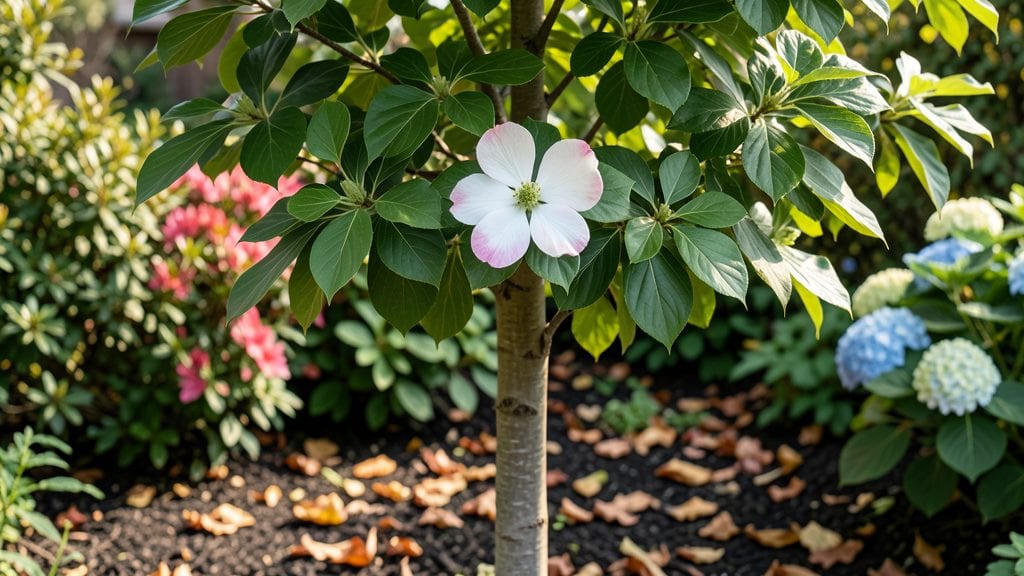
Growing flowering dogwoods (Cornus florida) delivers four-season interest—stunning spring blooms, glossy summer foliage, and fiery fall colors—with remarkably little effort once established. 🌿 I’ve learned that the key isn’t fussing over them but understanding their quiet needs: moisture-rich soil, dappled light, and space to grow without competition.
Their showy white or pink flowers arrive in late spring, often before leaves unfurl, creating a breathtaking display that lasts weeks. Unlike high-maintenance shrubs, dogwoods thrive in partial shade, making them perfect for understory plantings or woodland gardens where full sun would scorch them.
Just avoid soggy soil—their roots hate wet feet.
By late summer, the foliage turns deep green, and autumn brings crimson or purple leaves that rival any maple. Pruning is minimal: just remove dead wood in early spring and shape lightly after flowering. Even pests rarely bother them, though powdery mildew can appear if air circulation is poor.
Whether you’re planting a single specimen or a small grove, these trees reward patience with decades of drama. Start with a well-drained site, water deeply during the first year, and step back—they’ll thank you with effortless beauty. Ready to grow yours?
📚 In This Guide
- What you need
- Instructions
- Tips and common mistakes
- Wrapping up and next steps
What you need
- ● Flowering Dogwood Seeds or Saplings: Choose Cornus florida (eastern dogwood) or a hybrid variety. For seeds, ensure they’re fresh or stratified (cold-treated) for better germination. For saplings, opt for 1–3 gallon containers for easier handling.
- ● Well-Draining Soil: A mix of 60% topsoil, 30% compost, and 10% perlite or sand (for sandy or clay-heavy soils). Test soil pH (ideal: 5.0–6.5).
- ● Organic Mulch: 3–4 inches of shredded bark, pine straw, or wood chips to retain moisture and suppress weeds.
- ● Watering Can or Hose: With a gentle spray nozzle to avoid disturbing soil.
- ● Garden Trowel or Spade: For digging holes (depth: 2–3 times the root ball for saplings).
- ● Pruning Shears: Sharp, sterilized shears for trimming dead branches or shaping.
- ● Garden Gloves: Heavy-duty to protect hands from thorns and rough bark.
- ○ pH Test Kit or Meter: Optional but helpful for adjusting soil acidity.
- ● Fertilizer (Balanced or Acid-Loving): 10-10-10 NPK or cottonseed meal (apply sparingly in early spring).
- ● Epsom Salt: For magnesium boost (mix 1 tbsp per gallon of water, apply monthly in growing season).
- ● Plant Support Stakes: If planting in windy areas (use bamboo stakes tied loosely).
- ● Drip Irrigation System: For consistent moisture in dry climates.
- ● Bird Netting: To protect flowers from hungry birds during bloom season.
Step-by-Step guide to planting and caring for flowering dogwood trees
Here’s how to grow these showstopping trees with minimal effort—once established, they thrive with almost no fuss.
🌱 Step 1: Choose the Right Location and Planting Time
Flowering dogwoods (Cornus florida) demand partial shade to full sun—morning sunlight with afternoon shade works best in hotter climates. Avoid deep shade, where they’ll produce fewer blooms. Plant in early spring or fall, when soil temperatures are cool but not frozen. This gives roots time to establish before summer heat or winter cold.
Dig a hole twice as wide as the root ball but only as deep—planting too deep suffocates the tree. Loosen the soil at the bottom of the hole to encourage root spread. If your soil drains poorly, amend it with 2-3 inches of compost mixed into the native soil before backfilling.
💧 Step 2: Water Deeply and Mulch for Retention
Water the tree deeply right after planting, soaking the root ball and surrounding soil until water runs out the drainage holes. Follow up with 1-2 inches of water weekly during the first growing season—more if your area experiences drought. Dogwoods hate soggy roots but also can’t tolerate drought stress, so check soil moisture by sticking your finger 2 inches deep. If it’s dry, water again.
Apply a 3-inch layer of mulch (wood chips or shredded bark) around the base, keeping it 6 inches away from the trunk to prevent rot. Mulch locks in moisture and regulates soil temperature, which is especially helpful in summer’s heat. Replenish mulch annually—it breaks down over time and loses effectiveness.
☀️ Step 3: Prune for Shape and Health in Late Winter
Wait until late winter or early spring—just before buds swell—to prune. Remove dead, diseased, or crossing branches first, cutting back to the branch collar (the swollen area where the branch meets the trunk). Thin out crowded branches to improve airflow, which reduces fungal diseases like powdery mildew.
Shape the tree lightly by shortening overlong branches, but avoid heavy pruning—dogwoods respond poorly to aggressive cuts. Never top the tree (cutting the main stem flat), as this invites weak, disease-prone regrowth. A well-pruned dogwood should have an open, vase-like structure with branches spaced evenly.
✂️ Step 4: Fertilize Lightly and Monitor for Pests
Dogwoods generally don’t need fertilizer, but if your soil is poor, apply a balanced, slow-release fertilizer (10-10-10) in early spring—just enough to lightly dust the root zone. Over-fertilizing leads to excessive leaf growth at the expense of flowers. If you notice yellowing leaves, do a soil test first—it could be nutrient deficiency or poor drainage.
Watch for dogwood borers (small holes in bark) and powdery mildew (white powder on leaves). Treat borers with Bt (Bacillus thuringiensis) spray in early summer, and mildew with neem oil applied in the evening to avoid harming pollinators. Healthy dogwoods are naturally resistant, so focus on proper spacing and airflow to prevent issues.
🪴 Step 5: Enjoy Year-Round Interest and Minimal Maintenance
Once established, flowering dogwoods require almost no maintenance. Their spring blooms (white, pink, or red) are followed by red berries that birds adore, and their fall foliage turns vibrant shades of purple or red. Prune only to remove deadwood or shape lightly—never for size control, as this stresses the tree.
In winter, avoid heavy snow buildup on branches—tap it off gently to prevent breakage. Mature dogwoods (15+ years) develop natural strength, but young trees benefit from light staking in windy areas until their root systems stabilize. With the right care, your dogwood will reward you with decades of effortless beauty.
Tips & tricks for perfect flowering dogwood flower planting
Here's the thing—those stunning dogwood blooms don't happen by accident. These are the subtle details that make all the difference between a struggling sapling and a showstopping tree.
Location Intelligence: That "partial shade to full sun" guideline isn't just poetic language—it's critical. In Step 1, when you're choosing your spot, notice how the light moves across your yard throughout the day. The ideal location gets morning sun (to kickstart photosynthesis) but afternoon shade (to prevent leaf scorch). If you're in a hotter climate, prioritize that afternoon shade—dogwoods will reward you with bigger, more abundant blooms when they're not stressed by afternoon heat.
Root Zone Secrets: The "twice as wide" hole specification in Step 1 is non-negotiable for root spread, but here's what nobody tells you: those roots need oxygen too. After planting, use your fingers to create small air pockets in the backfilled soil around the root ball. This mimics natural soil conditions and helps prevent root suffocation, which is especially important if your native soil is clay-heavy. Think of it as giving your dogwood's roots their first deep breath.
Watering Wisdom: The 1-2 inches weekly guideline in Step 2 is perfect, but timing matters just as much as quantity. Water in the early morning—this gives the roots all day to absorb moisture before evening evaporation. And here's a pro move: after your initial deep watering, let the top inch of soil dry out between waterings. This encourages deeper root growth rather than shallow, drought-sensitive roots that only reach for surface moisture.
Pruning Precision: When you're ready to prune in Step 3, grab a small magnifying glass to examine the branch collars before making cuts. You'll notice tiny buds along the trunk where new branches could grow—these are your visual cues for where to stop cutting. Pruning too close to these buds stresses the tree, while leaving a small stub (about 1/8 inch) preserves the tree's natural healing ability. This attention to detail prevents those unsightly "pruning wounds" that can invite disease.
Pro Tips for Flowering Dogwood Flower
- Here's the thing—those stunning dogwood blooms don't happen by accident.
- Location Intelligence: That "partial shade to full sun" guideline isn't just poetic language—it's critical.
- Root Zone Secrets: The "twice as wide" hole specification in Step 1 is non-negotiable for root spread, but here's what nobody tells you: those roots need oxygen too.
Frequently asked questions
Got questions about growing and caring for flowering dogwood flowers? You’re not alone! Here are some of the most common queries—plus straightforward answers to help you keep your dogwood thriving with minimal effort.
When is the best time to plant a flowering dogwood?
Plant your dogwood in early spring or fall when the soil is moist but not soggy. Avoid extreme heat or frost, as these can stress young roots. If you’re transplanting a mature tree, do it in late winter or early spring before new growth begins.
How long does it take for a flowering dogwood to bloom?
Patience is key! Mature dogwoods (5–10 years old) typically bloom in late spring to early summer, but younger trees may take 3–5 years to produce flowers. Choose a healthy, well-established plant to speed up the process.
Why aren’t my dogwood flowers opening?
Several factors could be at play: lack of sunlight (they need 6+ hours/day), over-fertilizing (too much nitrogen = fewer blooms), or stress from drought or pests. Check for dogwood anthracnose (a fungal disease) and prune dead branches. A balanced fertilizer in early spring can help!
Can flowering dogwoods grow in containers?
While possible, they’re not ideal for containers long-term—they need deep roots and space to thrive. If you must, use a large, well-draining pot (20+ gallons) and repot every 2–3 years. For best results, plant them in the ground where they can spread their wings!
What pests or diseases should I watch for?
Keep an eye out for:
- Dogwood borers (look for sawdust-like frass near the trunk).
- Anthracnose fungus (yellow spots on leaves).
- Scale insects (sticky residue on branches).
Wrapping up and next steps
The flowering dogwood is a stunning, low-maintenance gem that brings year-round beauty to your garden with minimal effort. Whether you’re drawn to its show-stopping spring blooms or its vibrant fall foliage, this tree thrives with just the right balance of sunlight, soil, and care. 🌸
Ready to transform your outdoor space? Start by selecting the perfect spot, gathering your supplies, and following the simple steps outlined above. With patience and a little love, you’ll soon be rewarded with a lush, colorful dogwood that becomes the star of your landscape!