Shrubs
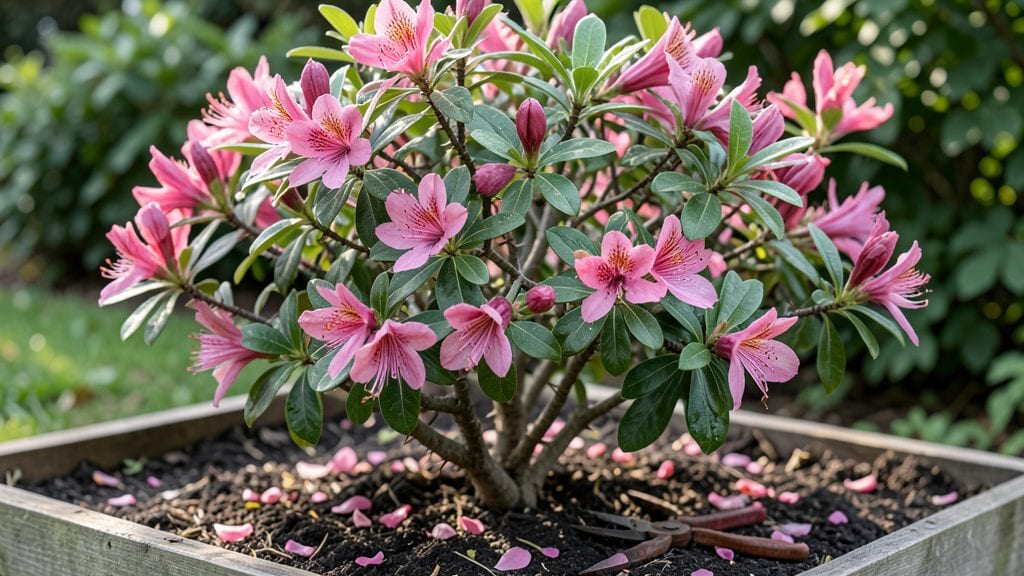
Planting flowering quince bushes in your yard means adding a bold splash of color that survives winter and wakes up pollinators early in spring. 🌸 These hardy shrubs thrive where many plants fail, their fragrant blooms appearing before leaves unfurl—often in late winter or early spring.
I’ve grown them in zones 3 through 8, and they’ve never disappointed, even after harsh winters.
The secret to their success lies in their low-maintenance nature: they tolerate poor soil, need minimal pruning, and handle drought once established.
My first quince bush bloomed within two years of planting, and I’ve since added three more varieties to attract bees and butterflies before other plants even think about flowering. The key is choosing the right spot—full sun to partial shade—and giving them well-draining soil.
You’ll love how they transform your landscape with vibrant pink, red, or white blossoms that last for weeks, followed by edible (though tart) fruit for birds. Pruning is simple: just remove dead wood in early spring and shape lightly after flowering.
With proper care, these shrubs can live for decades, becoming a reliable backbone of your garden.
Perfect for foundation plantings, mixed borders, or even as a privacy screen in cold climates. Whether you’re a beginner or a seasoned gardener, flowering quince bushes deliver beauty with almost no effort—and they’ll reward you year after year with their stunning display and resilience.
📚 In This Guide
- What you need
- Instructions
- Tips and common mistakes
- Wrapping up and next steps
What you need
- ● Flowering quince plants: 1–3 bare-root or container-grown bushes (check hardiness zone compatibility—most thrive in zones 3–8).
- ● Well-draining soil: A mix of native soil + compost (50/50 ratio) or garden loam with sand or perlite (1 part per 4 parts soil) for rocky or clay-heavy areas.
- ● Organic mulch: 3–4 inches of shredded bark, pine straw, or wood chips to retain moisture and suppress weeds.
- ● Slow-release fertilizer: 10-10-10 or 5-10-10 (1–2 tbsp per planting hole) or composted manure (aged, 1 cup per plant).
- ● Watering can or hose with a gentle spray nozzle (for post-planting hydration).
- ● Pruning shears: Bypass pruners (sharp, 5–7 inch blades) for shaping and deadheading.
- ● Gloves: Heavy-duty gardening gloves (to protect from thorns!).
- ● Shovel or trowel: For digging planting holes (12–18 inches wide/deep).
- ● Soil pH tester: Ideal range is 6.0–7.0 (adjust with lime or sulfur if needed).
- ● Plant support: Stakes or cages (if planting in windy areas).
- ● Fungicide spray (e.g., neem oil or copper fungicide) for prevention of powdery mildew.
- ○ Drip irrigation system (optional but handy for consistent watering).
- ● Plant labels: To track varieties (e.g., Chaenomeles speciosa or C. japonica).
How to plant and care for flowering quince bushes
Here's my foolproof method for establishing these cold-hardy shrubs that reward you with fragrant blooms year after year.
🌱 Step 1: Choose the Perfect Planting Site
Flowering quince thrives in full sun to partial shade, with at least 6 hours of direct sunlight daily. I always look for spots with well-draining soil—these plants despise soggy roots. Test your soil by digging a 6-inch deep hole; if water pools after 10 minutes, amend with 2-3 inches of compost to improve drainage.
Their natural hardiness means they tolerate USDA Zones 3-8, but I recommend planting in spring or early fall when soil temperatures are 50-60°F. This gives roots time to establish before winter or summer heat stress. Avoid planting in low spots where cold air settles—you'll see better flowering performance on slightly elevated ground.
🪴 Step 2: Prepare the Planting Hole and Amend Soil
Dig a hole twice as wide as the root ball but only as deep—planting too deep suffocates the stem. Loosen the roots gently if they're circling tightly in the container. I always mix 4-5 gallons of organic compost into the native soil at the bottom of the hole to give the roots a nutrient boost without overwhelming them.
Flowering quince adapts to most soil types but prefers slightly acidic to neutral pH (6.0-7.5). If your soil tests below 6.0, add pelletized lime at planting. The key is to avoid heavy clay—amend with sand or perlite if needed. Handle the root ball carefully; rough treatment stresses the plant and delays flowering.
☀️ Step 3: Plant and Water for Immediate Establishment
Place the shrub in the hole so the top of the root ball sits 1-2 inches above ground level—this prevents rot during heavy rains. Backfill with native soil mixed with compost, tamping down gently in 2-inch layers to eliminate air pockets. Water immediately after planting to settle the soil and eliminate air gaps around roots.
Give each newly planted bush 1-2 gallons of water spread evenly over the root zone. You'll see the soil surface darken as it absorbs moisture—this indicates proper saturation. Mulch with 2-3 inches of wood chips within the 2-foot radius to retain moisture and regulate soil temperature. Keep mulch 6 inches away from the stem to prevent rot.
✂️ Step 4: Prune for Shape and Encourage Blooms
Wait until spring before pruning—never cut back in fall or winter. Remove dead, crossing, or diseased branches first, then shape the bush by cutting back 1/3 of the oldest stems to the ground. This rejuvenates growth and promotes vigorous flowering. I always prune just above an outward-facing bud to encourage bushier growth.
Flowering quince blooms on both old and new wood, so avoid heavy pruning that removes too many last year's branches. After flowering, do a light cleanup prune to remove spent blooms and any weak growth. You'll notice new shoots emerging from the base—these are your plant's way of replacing older stems and keeping the bush youthful.
💧 Step 5: Maintain Through Seasons for Long-Term Health
Water deeply once a week during the first growing season, providing 3-5 gallons per bush depending on soil type. You'll know you've watered enough when the soil 6 inches down feels moist—stick your finger in to check. Once established, flowering quince tolerates drought but produces better blooms with consistent moisture during dry spells.
Fertilize in early spring with 10-10-10 granular fertilizer spread over the root zone. Use 1 pound per year of plant age, up to a maximum of 3 pounds. Avoid high-nitrogen fertilizers—they promote leafy growth at the expense of flowers. In fall, apply a 2-inch layer of compost to replenish nutrients without risking winter burn from synthetic fertilizers.
Tips & tricks for perfect flowering quince bushes
These hardy shrubs demand attention to detail—here's how to avoid common pitfalls and maximize those fragrant blooms.
Sunlight Strategy: While flowering quince tolerates partial shade, those 6 hours of direct sunlight are non-negotiable for optimal blooming. I've seen plants in eastern exposures thrive with morning sun, but western exposures can scorch leaves in summer—watch for crispy edges and adjust with afternoon shade if needed. The key is balancing light exposure with temperature regulation during heatwaves.
Soil Test Timing: That 10-minute water test in Step 1 reveals more than just drainage. If water disappears within 5 minutes, your soil drains too quickly and needs organic matter. If it takes 15+ minutes, you're dealing with clay—amend with sand or perlite as mentioned, but don't overdo it. I've found flowering quince actually prefers soil that holds moisture for 10-12 minutes, giving roots consistent hydration without becoming waterlogged.
Pruning Precision: When you're cutting back 1/3 of the oldest stems in Step 4, look for stems thicker than your thumb—these are the ones to remove. The outward-facing bud is your guide: prune just above it at a 45-degree angle to prevent water from pooling on the cut. I've made the mistake of cutting too close to buds, which stunts new growth. Also, never remove more than 1/3 in any single year—this plant blooms on both old and new wood, so drastic cuts reduce next year's flowers.
Watering Wisdom: Those 1-2 gallons after planting might seem like a lot, but it's crucial for eliminating air pockets around roots. For established bushes, I've developed a simple test: if the soil 6 inches down feels like a damp sponge (not wet or dry), you've hit the sweet spot. Overwatering causes root rot, while underwatering stresses the plant—especially during the first growing season when roots are establishing. Consider installing a soaker hose on a timer for consistent moisture without the risk of overwatering.
Pro Tips for Flowering Quince Bushes
- These hardy shrubs demand attention to detail—here's how to avoid common pitfalls and maximize those fragrant blooms.
- Sunlight Strategy: While flowering quince tolerates partial shade, those 6 hours of direct sunlight are non-negotiable for optimal blooming.
- Soil Test Timing: That 10-minute water test in Step 1 reveals more than just drainage.
Frequently asked questions
Got questions about growing flowering quince bushes? You’re not alone! Here are some of the most common concerns—and their answers—to help you cultivate these fragrant, cold-hardy shrubs with confidence.
When is the best time to plant flowering quince bushes?
Plant flowering quince in early spring or early fall when the soil is workable but not frozen. This gives roots time to establish before extreme temperatures hit. Avoid planting in mid-summer heat, as the shock can stress young shrubs.
How much sun do flowering quince bushes need?
These shrubs thrive in full sun (6+ hours daily), but they tolerate partial shade (4–6 hours), especially in hot climates. For the best blooms and fragrance, prioritize sun—just ensure they’re protected from harsh afternoon heat if in a dry area.
Are flowering quince bushes deer-resistant?
While not fully deer-proof, flowering quince is less appealing to deer than many other shrubs due to its bitter leaves. However, hungry deer may still nibble, especially in winter. Consider adding a physical barrier or companion plants like boxwood or barberry for extra protection.
Why aren’t my flowering quince bushes blooming?
Common culprits include:
- Too much shade—Move to a sunnier spot.
- Over-fertilizing—Quince blooms best with low-nitrogen fertilizer.
- Pruning at the wrong time—Trim right after flowering (never in late summer/fall).
- Age or stress—Young bushes may take 2–3 years to bloom; check for pests/disease.
What’s a good alternative if I want a fragrant, low-maintenance shrub?
If flowering quince isn’t your style, try these cold-hardy, fragrant alternatives:
Shrub
Fragrance Notes
Care Level
Mock Orange (Philadelphus)
Sweet, citrusy blooms
Moderate (needs well-drained soil)
Weigela
Light floral scent
Easy (drought-tolerant once established)
Daphne
Intense, spicy fragrance
Moderate (prefers shade)
Wrapping up and next steps
Flowering quince bushes are a fantastic addition to cold-climate gardens, offering stunning blooms, resilience, and pollinator support with minimal fuss. Whether you're a seasoned gardener or just starting, their hardy nature and low-maintenance care make them a perfect choice for year-round beauty.
Ready to transform your outdoor space? Start by selecting your spot and dive into planting—your garden (and pollinators!) will thank you!