
Shrubs
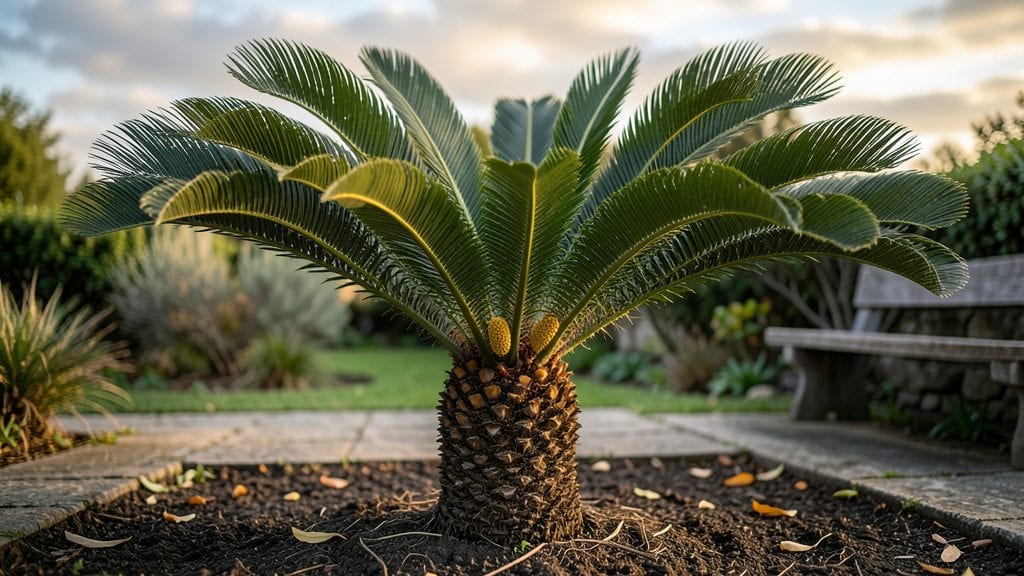
That flowering sago palm in your Pacific Northwest garden could become the centerpiece of your landscape—if you understand its quiet patience. 🌿 Unlike fast-growing plants, this ancient-looking beauty unfurls slowly, rewarding long-term care with striking fronds and rare, prized blooms that take 10+ years to appear.
The key isn’t rushing it but creating the right conditions: bright light, well-draining soil, and a little winter protection to survive our damp winters.
You’ll need just three things to get started: a sunny spot (at least 6 hours of direct light daily), a well-draining soil mix (think gritty, not clay-heavy), and a patience mindset—this isn’t a plant for instant gratification.
The payoff? A 10-foot-tall specimen that thrives with minimal fuss, handles drought once established, and becomes a conversation piece for neighbors who don’t know what it is (hint: it’s not a true palm).
Once settled, it’ll demand little beyond occasional watering (deep but infrequent) and an annual dose of balanced fertilizer in spring. Pruning? Just remove dead fronds—no fancy trimming required.
The real magic happens in late summer, when mature plants occasionally produce foot-long cones that take years to develop. That’s when you’ll know you’ve done everything right.
Perfect for landscaping focal points, container gardens (in warmer zones), or even as a striking houseplant in bright indoor spaces. Here’s how to give it the care it deserves without the fuss.
📚 In This Guide
- What you need
- Instructions
- Tips and common mistakes
- Wrapping up and next steps
What you need
- ● Flowering Sago Palm (Cycas revoluta): 1-2 mature plants (3-5 years old for faster blooms) OR
- ● 5-10 seeds (germination takes 3-6 months)
- ● Well-draining soil mix: 50% premium potting soil
- ● 30% coarse sand or perlite (for drainage)
- ○ 20% organic compost (optional, for nutrients)
- ● Container or planting area: For containers: 15-20 gallon pot with drainage holes (1 per plant)
- ● For in-ground: Sunlit, sheltered spot with 6+ feet of vertical clearance
- ● Garden trowel or transplant spade
- ○ Gloves (optional, for handling sharp fronds)
- ● Watering can or hose with gentle spray nozzle
- ● Mulch (pine bark or shredded leaves, 2-3 inches thick)
- ○ pH testing kit (optional, ideal soil pH: 6.0-7.5)
- ● Slow-release fertilizer (balanced 10-10-10, 1 tbsp per plant)
- ● Climate readiness: Hardiness zones 8-11 (PNW growers: protect from frost with burlap wraps or move indoors)
- ● Sunlight: Full sun (6+ hours/day) for optimal flowering
- ● Watering schedule: Keep soil slightly moist but never soggy (reduce watering in winter)
- ● Patience: Flowering may take 5-10 years from seed!
Step-by-step guide to cultivating a thriving flowering sago palm
Here's how to establish this striking Pacific Northwest favorite with minimal fuss.
🪴 Step 1: Select the Perfect Location and Pot
The sago palm thrives in partial shade to full sun—ideal for Pacific Northwest gardens where direct afternoon sun can scorch its fronds. Choose a spot with morning sunlight and afternoon shade, especially during summer months. A well-draining container is essential, as soggy roots will cause rot. I recommend a fiberglass or glazed ceramic pot at least 12 inches deep and wide for mature plants, with multiple drainage holes.
If planting in ground, amend the soil with 2-3 inches of coarse sand or perlite to improve drainage. The sago palm's native habitat is sandy, so mimic this texture. Place the pot in a location where it won't be disturbed—once established, these plants dislike being moved. Real talk: Your first instinct might be to put it in full sun, but the Pacific Northwest's summer heat will crisp the fronds if not shaded properly.
☀️ Step 2: Plant with Proper Spacing and Soil Preparation
Fill the container with a mix of 60% potting soil, 30% coarse sand, and 10% perlite—this replicates its natural sandy soil conditions. Sago palms have thick, fibrous roots, so don't bury the crown too deeply. Leave about 1 inch of space between the soil line and the rim of the pot for watering. When planting multiple specimens, space them 5-6 feet apart to allow for their eventual 6-10 foot mature height.
Gently remove the plant from its nursery container and loosen the roots if they appear compacted. Place it in the center of the pot or planting hole, then backfill with your soil mix, pressing lightly to remove air pockets. Water immediately after planting to settle the soil and eliminate gaps. Here's the thing—sago palms are drought-tolerant once established, but they need consistent moisture during their first 6-8 weeks to encourage strong root development.
💧 Step 3: Establish a Watering Routine for Optimal Growth
Water deeply once a week during the first year, allowing the top 2-3 inches of soil to dry out completely between waterings. In the Pacific Northwest's cooler, wetter climate, you might need to adjust this to every 10-14 days once established. Overwatering is the fastest way to kill a sago palm—yellowing fronds are your first warning sign. Use a moisture meter or stick your finger into the soil: if it feels dry 2 inches down, it's time to water.
When watering, aim for the base of the plant rather than the fronds to prevent fungal diseases. During the growing season (spring and summer), you'll notice new fronds emerging from the center. This is your signal that the plant is thriving. In winter, reduce watering to every 3-4 weeks unless your home has very dry indoor air. The sago palm's thick stems store water, so it's surprisingly resilient during dry spells.
✂️ Step 4: Prune and Maintain for Long-Term Health
Remove brown or damaged fronds at the base with clean, sharp pruners to maintain the plant's appearance and redirect energy to new growth. Never cut healthy fronds—this stresses the plant unnecessarily. The sago palm's distinctive blue-green fronds are its signature feature, so avoid over-pruning. I like to do a light cleanup in early spring, just as new growth begins to emerge. This ensures the plant looks its best during the growing season.
Fertilize once in early spring with a balanced, slow-release fertilizer (10-10-10 or similar). Apply according to package instructions, typically every 3-4 months during the growing season. In the Pacific Northwest, where soil nutrients can be depleted by winter rains, this keeps the plant vigorous. Avoid fertilizing in fall or winter—this encourages tender new growth that won't survive cold snaps. You'll see stronger, more vibrant fronds within a few months of consistent feeding.
⏰ Step 5: Protect and Prepare for Pacific Northwest Seasons
Sago palms are cold-hardy to USDA Zone 8, but the Pacific Northwest's winter chills can still stress them. If temperatures drop below 20°F, move potted specimens to a protected location like a garage or under an eave. Mulch the base of in-ground plants with 2-3 inches of straw or pine needles to insulate the roots. In coastal areas with milder winters, they often survive outdoors year-round with minimal protection.
Watch for scale insects or spider mites, which can infest sago palms in dry indoor conditions. Wipe fronds with a soapy water solution (1 tsp mild dish soap per gallon of water) if you spot sticky residue or tiny webs. Most pests avoid healthy, well-watered plants, so proper care is your best defense. Here's the moment that matters: If you see fronds curling or browning at the tips, it's usually a sign of underwatering or fluoride sensitivity—common in Pacific Northwest tap water. Switch to rainwater or distilled water if this occurs.
Tips & tricks for perfect flowering sago palm cultivation
Common pitfalls—and how to sidestep every one—when nurturing this Pacific Northwest standout.
Location Strategy: The morning sun and afternoon shade balance is critical for your sago palm's health. In particularly hot Pacific Northwest summers, consider adding a shade cloth (30-50%) during peak afternoon hours to prevent frond scorch. This mimics the plant's natural habitat where it receives filtered sunlight. If you're unsure about your microclimate, observe how nearby plants react—if they're wilting by midday, your sago palm needs similar protection.
Soil Science: That 60-30-10 soil mix (potting soil, coarse sand, perlite) is non-negotiable for proper drainage. I've learned this the hard way after seeing soggy roots cause root rot in two different plants. For an extra insurance policy, add a handful of orchid bark to your mix—it improves aeration while maintaining that essential sandy texture. When repotting, choose containers with drainage holes that are 25% larger in diameter than the current root ball to prevent overcrowding.
Watering Wisdom: The two-inch dry soil test is your best friend, especially in the Pacific Northwest's unpredictable weather. I keep a moisture meter nearby to avoid the common mistake of overwatering during our frequent rainy periods. When watering, use the "soak and dry" method: water until it runs freely from the drainage holes, then wait until the top 2-3 inches are completely dry before watering again. During winter, reduce to every 3-4 weeks unless your home has particularly dry air, as the plant's thick stems store moisture efficiently.
Seasonal Care: That 20°F threshold is crucial for protecting your sago palm during Pacific Northwest winters. For extra cold protection, wrap the pot (and any exposed roots) with burlap or frost cloth when temperatures dip below 25°F. In coastal areas where winters are milder, you can often leave them outdoors year-round, but monitor for any signs of stress like browning frond tips. The key is to mimic the plant's natural resilience—it's adapted to survive dry conditions but needs protection from extreme cold snaps that our region can experience.
Pro Tips for Flowering Sago Palm
- Common pitfalls—and how to sidestep every one—when nurturing this Pacific Northwest standout.
- Location Strategy: The morning sun and afternoon shade balance is critical for your sago palm's health.
- Soil Science: That 60-30-10 soil mix (potting soil, coarse sand, perlite) is non-negotiable for proper drainage.
Frequently asked questions
Got questions about nurturing your flowering sago palm? You’re not alone! This hardy plant is a favorite, but even the best gardeners need a little guidance. Here are answers to the most common queries—so you can keep your palm thriving with confidence.
How long does it take for a sago palm to flower?
A sago palm (Cycas revoluta) typically takes 10–20 years to produce its first flowers, depending on growing conditions. In the Pacific Northwest’s cooler climate, it may take even longer—patience is key! Once established, healthy palms bloom sporadically, often in late spring or summer.
Can I grow a sago palm indoors in the PNW?
Yes! While sago palms thrive outdoors in zones 8–11, they adapt well to large indoor spaces with bright, indirect light. Use a well-draining pot and keep soil slightly moist. Just remember: they need space to grow—expect 6+ feet tall and wide over time!
Why are the fronds turning yellow or brown?
Yellowing fronds often signal overwatering or poor drainage. Sago palms prefer dry soil—let the top 2–3 inches dry out between waterings. Brown tips? It could be fluoride buildup from tap water—switch to rainwater or filtered water to help.
Are there non-flowering sago palm alternatives?
If you love the look but want lower maintenance, consider Zamia (cardboard palm) or Dioon cycads—both are slow-growing and drought-tolerant. For a faster-growing option, try Chamaedorea elegans (parlor palm), though it’s not cold-hardy like sago.
What pests should I watch for with sago palms?
Sago palms are pest-resistant, but keep an eye out for scale insects or spider mites in dry conditions. Treat infestations early with neem oil or insecticidal soap. Prevention tip: Wipe leaves occasionally with a damp cloth to deter pests!
Wrapping up and next steps
The flowering sago palm is a stunning, low-maintenance gem that thrives in the Pacific Northwest’s climate—adding tropical flair with minimal fuss! 🌿 From its striking foliage to its hardy nature, this plant is perfect for both beginners and seasoned gardeners alike.
With the right care, you’ll enjoy its beauty for years.
Ready to transform your space? Start by selecting the perfect spot—whether it’s a sunny patio, a shaded corner, or a container garden—and watch your sago palm flourish. Happy planting! 🌱