Planting
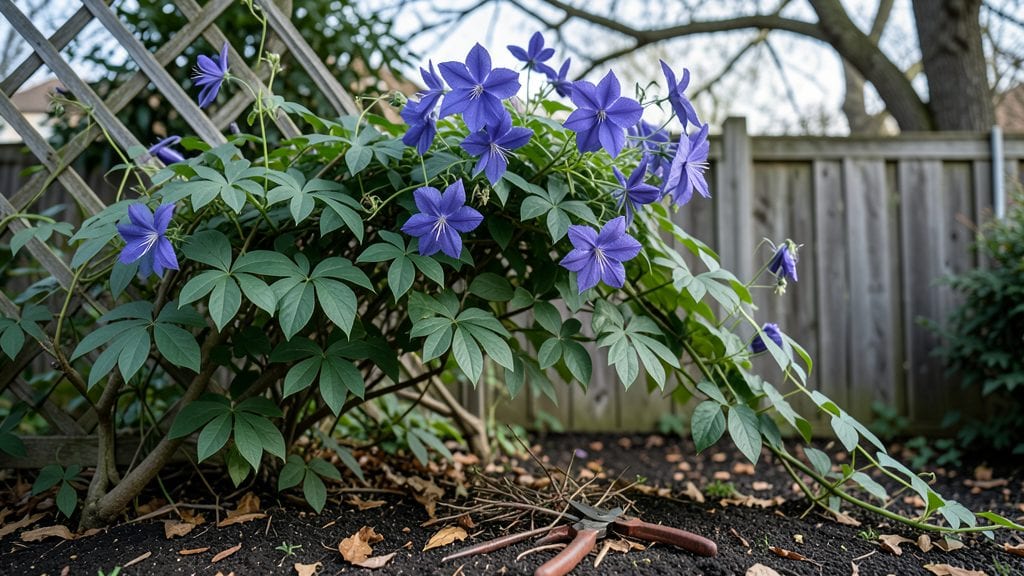
Flowering vines in Zone 6 don’t just survive—they put on a show year after year, even when temperatures dip below freezing. 🌿 I’ve grown clematis, wisteria, and morning glories in my own yard, and the key is choosing varieties that handle our chilly winters without fuss.
These climbers transform bare walls, trellises, and fences into vertical gardens that burst with color when spring arrives.
The right vine thrives with minimal fuss: most need full sun to partial shade, well-draining soil, and a sturdy support structure.
My clematis, for example, blooms reliably every year because I planted it in morning sun and afternoon shade, protected its roots with a thick layer of mulch, and gave it a trellis to climb. The payoff? Fragrant blooms from early summer through fall, even after our Zone 6 winters.
You’ll end up with a garden feature that’s low-maintenance but high-impact—think wisteria’s intoxicating fragrance or morning glories’ cheerful daily blooms. These vines also handle pests better than many annuals, and their deep roots improve soil health over time.
The best part? They keep growing stronger each year, with less work from you.
Whether you’re working with a small balcony or a large fence, these vines adapt easily. I’ll walk you through selecting the hardiest varieties for Zone 6, planting them correctly, and keeping them thriving through our cold winters—no green thumb required.
📚 In This Guide
- What you need
- Instructions
- Tips and common mistakes
- Wrapping up and next steps
What you need
- ● Flowering Vine Plants: 3–5 hardy Zone 6 vines (e.g., Clematis, Honeysuckle, Wisteria, or Morning Glory)
- ● Choose disease-resistant varieties for longevity.
- ● Soil Amendments: 5–10 lbs. of compost or well-rotted manure
- ● 1–2 lbs. of balanced fertilizer (10-10-10) or slow-release organic granules
- ● Support Structures: Trellis (6–10 ft. tall, metal or wood)
- ● OR Arbors, pergolas, or sturdy fences (if available)
- ● Tools: Garden trowel or spade
- ● Pruning shears (sharp and sterilized)
- ● Gloves (for handling thorny vines like Roses or Hydrangeas)
- ● Watering can or hose with a gentle spray nozzle
- ● Mulch (2–3 inches of pine straw or shredded bark) to retain moisture
- ● Epsom salt (for Clematis—mix 1 tbsp. per gallon of water monthly)
- ● Plant ties or soft twine (to secure young vines to supports)
- ● Soil pH test kit (ideal range: 6.0–7.0 for most vines)
- ● Seed-starting tray (if growing from seed)
Step-by-step guide for planting and caring for flowering vines in Zone 6
Here's how to get those stunning vines thriving in your cooler climate.
🌱 Step 1: Choose the Right Vine Varieties for Zone 6
Pick hardy vines that handle Zone 6's 20-30°F winters and humid summers. Clematis 'Jackmanii' and 'Nelly Moser' are cold-tolerant stars, while honeysuckle and wisteria survive well too. I always check the USDA hardiness zone rating on the tag—anything labeled Zone 4 or 5 will handle Zone 6 easily.
For quick blooms, go with established plants from nurseries. They'll flower the first season, while seeds can take 2-3 years to mature. If starting from seed, sow in late spring after the last frost when soil reaches 60°F. I've learned the hard way—don't plant seeds too early, or they'll rot in cold soil.
🪴 Step 2: Prepare the Planting Site and Support Structure
Flowering vines need 6-8 hours of sun daily, but some like clematis appreciate afternoon shade in hot summers. Test your spot by observing sunlight patterns for a week—most south or west-facing walls get enough light. Amend heavy clay soil with 2-3 inches of compost to improve drainage.
Install a sturdy trellis, arbor, or fence before planting. I use 8-foot tall metal trellises for clematis because they need vertical space to climb. For heavier vines like wisteria, attach 3-inch wide mesh to the support so tendrils can grip. Bury the base of the trellis 6 inches deep and stake it firmly—nothing's worse than watching a vine topple in a windstorm.
☀️ Step 3: Plant and Water for Strong Establishment
Dig a hole twice as wide as the root ball but only as deep as the container's base. Loosen the roots gently if they're circling, then place the vine in the hole. Backfill with native soil mixed with 1 cup of bone meal (for phosphorus) and water thoroughly. The soil should settle 1-2 inches—top off with more soil if needed.
Water deeply every 2-3 days for the first 2 weeks, then taper to once a week once new growth appears. You'll know it's enough when water drains through the hole after 30 minutes. Mulch with 2-3 inches of shredded bark around the base (but keep it 6 inches away from the stem) to retain moisture and regulate soil temperature.
🌿 Step 4: Prune and Maintain for Continuous Blooms
Most flowering vines bloom on new wood, so prune in early spring before buds swell. Cut back last year's growth by 1/3 to encourage fresh, vigorous shoots. For clematis, I remove dead or crossing branches first—this improves air circulation and prevents disease. Wisteria needs heavier pruning: trim back 1/2 to 2/3 of the previous year's growth to shape the plant and promote flowers.
Fertilize lightly in early spring with a balanced 10-10-10 formula. Too much nitrogen makes vines leafy but flowerless. I also side-dress with compost tea every 4-6 weeks during the growing season. Watch for powdery mildew (white fuzzy spots) or aphids—spray with neem oil at the first sign to keep pests in check.
Tips & tricks for perfect flowering vines in Zone 6
These simple strategies will help your hardy climbers flourish in cooler climates.
Variety Selection: When choosing clematis varieties like 'Jackmanii' or 'Nelly Moser', look for plants labeled as Zone 4 or 5—they'll handle Zone 6 winters with ease. I always check the USDA hardiness zone rating on the tag to avoid surprises. For quick blooms, established plants from nurseries are worth the investment since they'll flower the first season, while seeds can take 2-3 years to mature.
Sunlight Strategy: Most flowering vines need 6-8 hours of sun daily, but clematis especially benefits from afternoon shade during hot summers. I test potential spots by observing sunlight patterns for a week before planting. South or west-facing walls typically get the most consistent light, but even north-facing spots can work if you choose shade-tolerant varieties like honeysuckle.
Support System: Install your trellis or arbor before planting—it's much easier than trying to fit one around an established vine. For clematis, I use 8-foot tall metal trellises because they need vertical space to climb properly. For heavier vines like wisteria, attach 3-inch wide mesh to the support so the tendrils have something to grip. Bury the base 6 inches deep and stake it firmly to prevent wind damage.
Watering Wisdom: The first 2 weeks are critical—water deeply every 2-3 days until you see water draining through the hole after 30 minutes. This ensures proper root establishment. Once new growth appears, you can taper to weekly watering. Mulch with 2-3 inches of shredded bark around the base (keeping it 6 inches away from the stem) to retain moisture and regulate soil temperature.
Pro Tips for Flowering Vines Zone 6
- These simple strategies will help your hardy climbers flourish in cooler climates.
- Variety Selection: When choosing clematis varieties like 'Jackmanii' or 'Nelly Moser', look for plants labeled as Zon...
- Sunlight Strategy: Most flowering vines need 6-8 hours of sun daily, but clematis especially benefits from afternoon ...
Frequently asked questions
Got questions about growing flowering vines in Zone 6? You’re not alone! Here are answers to the most common concerns—from timing to troubleshooting—to help you cultivate a stunning vertical garden with confidence.
What are the best flowering vines for Zone 6’s short growing season?
Opt for hardy climbers like Clematis, Honeysuckle, or Climbing Roses. These thrive in Zone 6’s cooler temps and offer early blooms. For late-season color, try Passionflower or Virginia Creeper (though it’s not a true vine). Always check USDA labels for cold tolerance!
When is the ideal time to plant flowering vines in Zone 6?
Plant in early spring (after the last frost, ~April) or early fall (4–6 weeks before the first frost, ~September). Fall planting gives roots time to establish before winter. Avoid planting in extreme heat—vines stress easily in Zone 6’s summer humidity spikes.
Do flowering vines need full sun, or can they grow in partial shade?
Most flowering vines (e.g., Clematis, Wisteria) crave 6+ hours of sun for vibrant blooms. Partial shade (3–6 hours) works for Hydrangea vines or Actaea, but expect fewer flowers. South- or west-facing walls are ideal in Zone 6 to maximize sunlight without scorching.
How do I protect my flowering vines from pests in Zone 6?
Watch for aphids, Japanese beetles, and spider mites—common in Zone 6’s humid summers. Use neem oil or insecticidal soap for mild infestations. For severe damage, introduce ladybugs or praying mantises. Prune affected leaves promptly to prevent spread.
Will flowering vines survive Zone 6 winters without extra protection?
Many vines (like Clematis) are hardy to Zone 3–5, but young plants or tender varieties (e.g., Bougainvillea) may need mulch or burlap wraps for heavy snow or freezing winds. Cut back dead foliage in late winter to encourage fresh growth—just leave a few buds!
Can I grow flowering vines in containers instead of trellises?
Use large pots (15+ gallons) with drainage for vines like Morning Glory or Sweet Pea. Ensure the container stays moist and rotate it weekly for even sunlight. Just note: Container-grown vines may need annual repotting as roots outgrow the space.
Wrapping up and next steps
Growing flowering vines in Zone 6 is a rewarding way to add color, texture, and life to your garden—even in cooler climates! 🌿 From hardy clematis to vibrant trumpet vines, these climbers prove that beauty thrives with the right care.
Whether you’re a seasoned gardener or just starting, these tips will help you cultivate stunning, low-maintenance vines that flourish year after year.
Ready to transform your space? Pick your favorite vine, gather your supplies, and start planting—your garden’s next masterpiece is just a season away! 🌸