Flowers
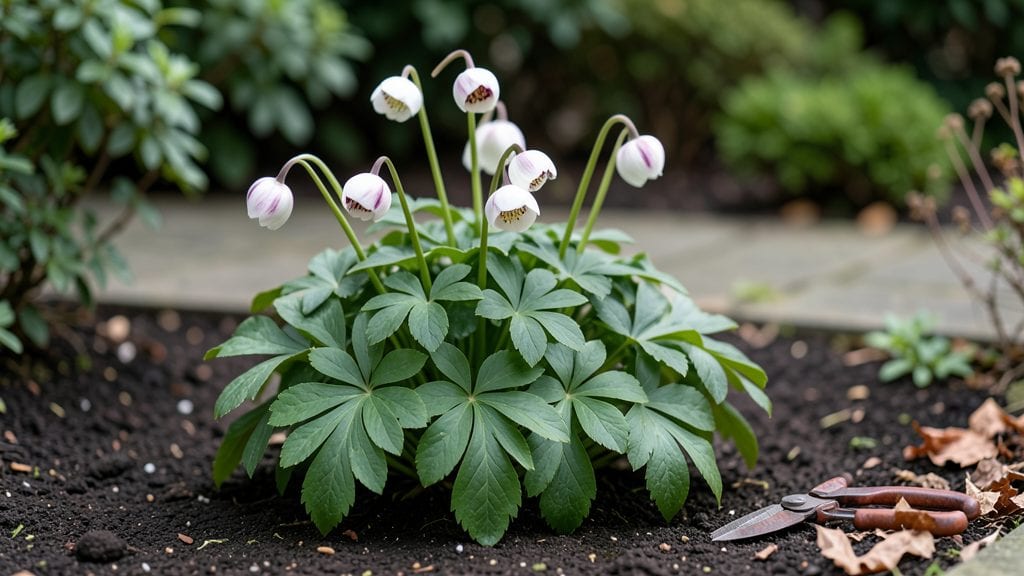
Perennial flowers that come back each year are the unsung heroes of any garden—no replanting, no starting from scratch, just reliable beauty that grows stronger with every season. 🌿 I remember my first coneflower blooming in its third year, taller and more vibrant than ever, proving that patience in gardening pays off in stunning ways.
These plants thrive once established, cutting your workload while delivering color from spring through fall.
The magic happens underground: perennials develop deep root systems that store energy over winter, so they burst back to life when temperatures rise.
Unlike annuals that fizzle after one season, these plants reward you with years of effortless blooms—think lavender’s silvery foliage, hostas’ lush leaves, or black-eyed Susans’ cheerful yellow faces. Even in drought years, their resilience shines through.
You’ll spend less time replanting and more time enjoying your garden’s transformation. Picture hostas unfurling their arrow-shaped leaves in spring, followed by peonies’ lush, fragrant blooms, then late-season asters adding color when other plants fade.
The best part? Most perennials need minimal care once planted—just good soil, occasional watering, and deadheading spent blooms.
Whether you’re a beginner or a seasoned gardener, perennials adapt to almost any space—containers, borders, or wildflower meadows. Let’s dive into the easiest varieties to start with and how to keep them thriving for decades.
📚 In This Guide
- What you need
- Instructions
- Tips and common mistakes
- Wrapping up and next steps
What you need
- ● Perennial flowers: Choose from coneflowers, black-eyed Susans, daylilies, hostas, or lavender (3–5 plants per variety for a balanced look). Opt for hardy, disease-resistant varieties suited to your USDA hardiness zone.
- ● Well-draining soil: Mix 1 part compost with 2 parts native soil (or potting mix for containers). Test soil pH (aim for 6.0–7.0 for most perennials).
- ● Mulch: 2–3 inches of organic mulch (e.g., shredded bark, straw, or pine needles) to retain moisture and suppress weeds.
- ● Watering can or hose with a gentle spray nozzle (or a drip irrigation system for efficiency).
- ○ Garden gloves (optional but recommended to protect hands from thorns or rough stems).
- ● Pruners or shears (sharp, bypass-style for clean cuts).
- ● Stakes or plant supports (for tall perennials like delphiniums or hollyhocks).
- ● Slow-release fertilizer (e.g., 10-10-10 or organic options like bone meal for phosphorus). Apply once in early spring.
- ● Plant markers (wooden or metal tags) to track varieties and avoid overcrowding.
- ● Organic pest control (e.g., neem oil or soapy water spray for aphids).
- ● Container garden essentials: Pots with drainage holes (12–18 inches in diameter) and lightweight potting soil.
- ● Seasonal tools: Trowel (for transplanting seedlings).
- ● Garden fork (to aerate soil).
- ● Soil thermometer (to monitor planting times in cold climates).
How to establish perennial flowers for season-after-season blooms
Here’s how I create a garden that returns year after year with minimal effort.
🌱 Step 1: Choose the Right Perennials for Your Climate
Perennials thrive when matched to your hardiness zone and sunlight conditions. I focus on native species first—they’re already adapted to local soil and weather. For example, black-eyed Susans and coneflowers handle drought once established, while hostas and heucheras prefer shade and consistent moisture.
Check the mature size of each plant to avoid overcrowding. A 3-foot spread like daylilies needs space, while creeping thyme (a ground cover) can fill gaps between larger plants. Group plants by water needs to simplify maintenance.
☀️ Step 2: Prepare the Soil for Long-Term Success
Perennials reward good soil preparation with years of blooms. I start by amending the soil with 2-3 inches of compost mixed into the top 12 inches of bed. This improves drainage and adds nutrients without overwhelming roots.
Test your soil’s pH—most perennials prefer 6.0-7.0. If your soil is heavy clay, add sand or perlite to loosen it. Avoid fresh manure, which can burn tender roots and attract pests. A slow-release fertilizer at planting time gives roots a steady nutrient supply.
🪴 Step 3: Plant at the Right Depth and Spacing
Dig holes twice as wide as the root ball but only as deep. The top of the root ball should sit level with the soil surface—burying too deep suffocates stems, while planting too shallow exposes roots to drying winds.
Space plants according to their mature size: 18-24 inches apart for most perennials, but 3-4 feet for large shrub-like types like peony. Mulch with 2-3 inches of organic mulch (like shredded bark) to retain moisture and suppress weeds. Keep mulch 2 inches away from stems to prevent rot.
💧 Step 4: Water Deeply and Establish Roots
Water newly planted perennials deeply once a week for the first month, then taper to every 10-14 days once established. The goal is to encourage deep root growth—1 inch of water per week is ideal, but adjust for rain.
You’ll know roots are settling in when leaves stay firm and green (not wilting). Avoid overhead watering after planting—it spreads soil-borne diseases. Instead, water at the base in the early morning to reduce evaporation.
✂️ Step 5: Prune and Divide for Longevity
Deadhead spent blooms in late summer to encourage a second flush of flowers. For perennials like peony, cut back to ground level in early spring before new growth appears. Others, like coneflower, benefit from light trimming in late winter to shape the plant.
Divide clumps every 3-5 years when blooms diminish. Dig up the plant, separate sections with a clean knife, and replant the healthiest divisions. This rejuvenates growth and prevents overcrowding.
Tips & tricks for perfect perennial flower gardens
Here's what nobody tells you about making your perennial garden thrive with almost no effort after the first season.
Climate Matching: Native plants are your secret weapon—research which perennials thrive in your specific hardiness zone and sunlight conditions. For example, black-eyed Susans and coneflowers are drought-tolerant once established, while hostas and heucheras prefer shade and consistent moisture. I always check the mature size too—daylilies with their 3-foot spread need plenty of room, while creeping thyme can fill gaps beautifully between larger plants.
Soil Prep Pro Tip: When amending your soil with 2-3 inches of compost mixed into the top 12 inches of bed, don't just scratch it in—thoroughly work it into the native soil. This creates a perfect blend of nutrients and drainage. For heavy clay soils, I add sand or perlite to loosen the texture without disrupting the established root systems of nearby plants. A soil test for pH between 6.0-7.0 is worth the investment—it's the foundation of everything that comes next.
Planting Precision: The golden rule for planting depth is to keep the top of the root ball level with the soil surface—no higher, no lower. I use a small stake to mark the original soil line on the root ball before planting, then adjust until it matches perfectly. For spacing, most perennials need 18-24 inches between plants, but give peonies their full 3-4 feet of space. This might seem like overkill, but it prevents future crowding and makes maintenance effortless.
Watering Wisdom: The first month is critical—water deeply once a week to encourage those roots to grow down, not just spread out. I use a rain gauge to measure 1 inch of water per week, delivered in the early morning. This timing reduces evaporation and gives plants time to absorb moisture before evening temperatures rise. After the first month, you can stretch watering to every 10-14 days, but always check for firm, green leaves as your guide.
Pro Tips for Flowers That Come Back Each Year
- Here's what nobody tells you about making your perennial garden thrive with almost no effort after the first season.
- Climate Matching: Native plants are your secret weapon—research which perennials thrive in your specific hardiness zone and sunlight conditions.
- Soil Prep Pro Tip: When amending your soil with 2-3 inches of compost mixed into the top 12 inches of bed, don't just scratch it in—thoroughly work it into the native soil.
Frequently asked questions
Got questions about perennials? You’re not alone!
Here are answers to the most common queries about flowers that return year after year—so you can enjoy blooms with minimal fuss.
What’s the easiest perennial flower for beginners?
Start with coneflowers (Echinacea) or black-eyed Susans (Rudbeckia)—they’re tough, drought-tolerant, and thrive in full sun. Hostas are another great pick for shady spots and low light. All three handle neglect like pros!
How long does it take for perennials to bloom after planting?
Most perennials take 1–2 years to establish and bloom fully. The first year may be sparse, but patience pays off! Daylilies (Hemerocallis) often flower in their first season, while others like peony (Paeonia) may wait until year two.
Can perennials survive harsh winters?
Many perennials are cold-hardy, but mulch helps protect roots in freezing temps. Lavender, sedum, and Russian sage are winter warriors, while tender perennials (like dahlias) need winter protection or digging up. Check your USDA hardiness zone for specifics!
What do I do if my perennials stop blooming?
Overcrowding, poor soil, or too much fertilizer (which promotes leaves over flowers) are common culprits. Deadhead spent blooms, divide clumps every 3–4 years, and ensure they get 6+ hours of sun. If they’re still struggling, test your soil—perennials often need well-draining, nutrient-rich dirt.
Are there perennials that bloom all season long?
Yes! Coneflowers, bee balm (Monarda), and Shasta daisies offer long blooms, while Russian sage and catmint provide color from summer to fall. For year-round interest, layer perennials with ornamental grasses (like feather reed grass) for texture.
Wrapping up and next steps
Discovering flowers that come back each year is like unlocking a secret garden—one that blooms effortlessly and brings joy season after season! 🌸 Whether you're a busy gardener or a beginner, perennials like coneflowers, lavender, and hostas offer beauty with minimal fuss.
Their resilience and charm make them the perfect addition to any outdoor space.
Ready to transform your garden? Start small—pick one or two perennials that suit your climate and soil, then watch your space thrive with low-maintenance elegance. Happy planting! 🌱