
Flowers
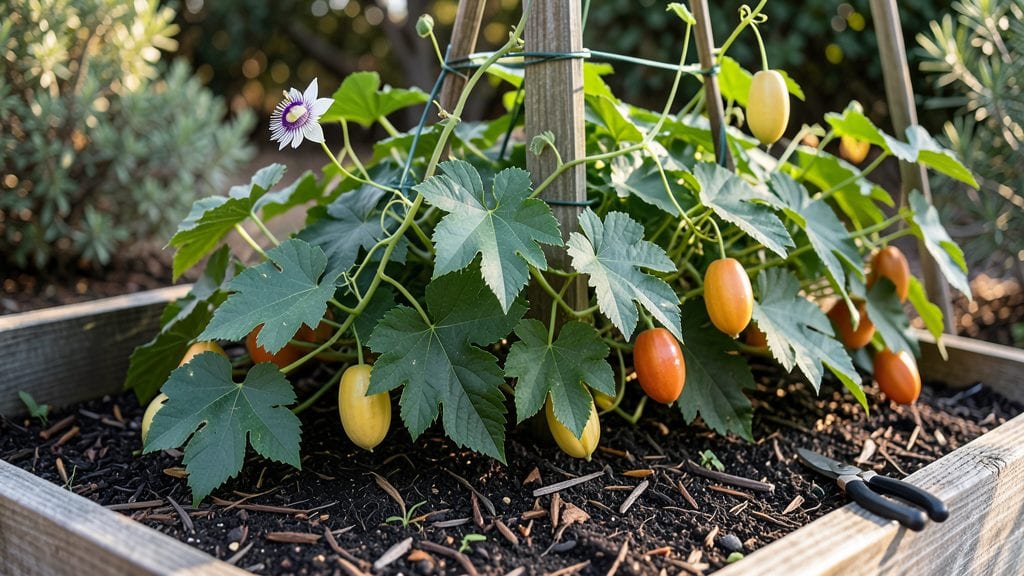
Growing the Frederick passion flower means welcoming a cold-hardy vine with edible starburst blooms that defy frost. 🌱 I planted mine last spring, and by midsummer, the deep purple flowers were attracting hummingbirds like magnets—plus, the fruit tastes like a mix of pineapple and citrus.
The key to success starts with understanding its unique needs, from soil prep to winter protection.
The vine thrives in USDA zones 5-9, making it one of the hardiest passion flowers you can grow. It’s happiest with 6-8 hours of sunlight and well-draining soil rich in organic matter, though it tolerates partial shade in hotter climates.
Whether you’re using a large container (minimum 15-gallon) or planting directly in the ground, the roots appreciate room to spread—think of it like giving a toddler space to explore.
By late summer, you’ll be rewarded with vibrant blooms that last for weeks, followed by egg-shaped fruits that ripen to a golden hue. The foliage stays lush even through light frosts, and with proper pruning, the vine stays manageable.
The best part? It’s drought-tolerant once established, so watering becomes less of a daily chore and more of a seasonal check-in.
Pair it with clematis, roses, or climbing hydrangeas for a dramatic vertical garden, or let it scramble over a trellis near your patio. The only real challenge is keeping squirrels from snacking on the fruit before you do—so harvest often!
With the right care, this vine will outperform most annuals and keep coming back year after year.
📚 In This Guide
- What you need
- Instructions
- Tips and common mistakes
- Wrapping up and next steps
What you need
- ● Frederick passion flower seeds or young plants: Choose Passiflora incarnata (Maypop) or Passiflora caerulea (Blue passionflower) varieties. Buy from a reputable nursery for healthy starts.
- ● Well-draining potting mix (if container-grown): A blend of 50% peat moss or coco coir, 30% perlite or vermiculite, and 20% compost. Aim for a 6-inch-deep pot (minimum) for young vines.
- ● Garden soil (if in-ground): Amend with 2–3 inches of compost or aged manure to improve fertility and drainage.
- ● Organic mulch: Straw, wood chips, or shredded leaves (2–3 inches thick) to retain moisture and suppress weeds.
- ● Support structure: Trellis or arbor: At least 6–8 feet tall (passion vines can grow 15+ feet!). Use galvanized metal or sturdy wooden lattice.
- ● Cattle panels or wire mesh: For a rustic, DIY look (ensure it’s 12–14 gauge to support weight).
- ● Garden trowel or transplant spade: For digging holes (12–18 inches deep for roots).
- ● Pruning shears: Bypass pruners (for clean cuts; avoid anvil pruners).
- ● Watering can or hose with adjustable nozzle: Passion vines need 1–2 inches of water weekly (more in drought).
- ○ Fertilizer (optional but recommended): Balanced organic fertilizer: 10-10-10 or 5-5-5 (apply at planting time and mid-season).
- ● Compost tea or fish emulsion: For a liquid boost during flowering.
- ● Cold-frame or row covers (Zone 5–6 growers): Protect young plants from late frosts (below 20°F/-7°C).
- ● Soil moisture meter: To monitor ideal 40–60% soil moisture.
- ● Epsom salt: 1 tablespoon per gallon of water (monthly spray for magnesium-rich blooms).
- ● Bee-friendly companion plants: Borage, nasturtiums, or marigolds to attract pollinators.
- ● Decorative stakes or floral wire: For training vines artistically.
Step-by-step guide to planting and cultivating Frederick passion flower
This cold-hardy vine thrives with proper site selection and seasonal care.
🌱 Step 1: Choose the Perfect Planting Location
Frederick passion flower needs 6 hours of morning sun and afternoon shade—especially in hotter climates. Look for a spot with well-draining soil and a sturdy trellis or fence within 10-12 feet of the planting area. These vines can grow aggressively, so secure support early.
I always test soil drainage by digging a 12-inch hole and filling it with water. If it drains within 30 minutes, the site is ideal. If water pools, amend with 2-3 inches of compost and 1 inch of perlite to improve aeration before planting.
🪴 Step 2: Plant in Early Spring or Fall
Spring is best for USDA Zones 5-7, while fall planting works in Zones 8-9. Dig a hole twice as wide as the root ball but only as deep—the crown should sit 1 inch above soil level. This prevents rot and encourages strong root establishment.
Gently remove the plant from its container and loosen any circling roots. Place it in the hole, backfill with native soil, and water deeply to settle everything. Mulch with 2-3 inches of shredded bark to retain moisture and regulate soil temperature.
☀️ Step 3: Provide Seasonal Care for Vigorous Growth
Water deeply once a week during the first growing season, ensuring the top 6 inches of soil stay moist but not soggy. After establishment, these vines tolerate drought once mature. I check by sticking my finger 2 inches deep—if dry, it's time to water.
Fertilize lightly in early spring with a balanced 10-10-10 formula (1 tablespoon per plant). Too much nitrogen promotes leafy growth over flowers. Prune leggy stems in late winter to encourage bushier, more productive vines.
✂️ Step 4: Train and Prune for Optimal Blooms
Guide young vines along the trellis using soft plant ties or twine. Never let them twist—they'll snap under weight. Once established, prune spent blooms immediately to redirect energy to new flowers. I also cut back overly vigorous shoots in mid-summer to maintain shape.
Here's the thing—Frederick passion flower blooms on new wood, so aggressive pruning isn't needed. Just remove dead or crossing branches. You'll see starburst-shaped flowers appear in late spring to early summer, followed by edible fruit in fall.
Tips & tricks for perfect Frederick passion flower cultivation
Here's what nobody tells you about getting these cold-hardy vines to thrive—and avoid the most common pitfalls.
Location Intelligence: That 6 hours of morning sun is non-negotiable for vibrant blooms, but afternoon shade becomes critical when summer temperatures climb above 85°F. I've seen plants in full afternoon sun develop leaf scorch—watch for crispy edges on leaves as your early warning sign. For hot climates, consider a 50% shade cloth during peak afternoon hours to protect the delicate foliage.
Drainage Test: The 30-minute drainage test is your best friend for preventing root rot. If water lingers after 30 minutes, you're not just dealing with poor drainage—you're risking fungal issues that can kill your vine within weeks. My go-to fix is mixing in 1 part perlite to 3 parts compost by volume to create the perfect aerated medium. This creates tiny air pockets that roots love while still retaining moisture.
Seasonal Timing: Spring planting in Zones 5-7 gives your vine the full growing season to establish roots before winter, but don't rush—wait until after the last frost date in your area. In Zones 8-9, fall planting works because the vine enters dormancy naturally, but aim for 6-8 weeks before your first frost to allow root establishment before cold sets in.
Pruning Strategy: Those mid-summer prunings aren't just about shaping—they're about redirecting energy. When you cut back overly vigorous shoots, you're telling the plant to focus on producing more blooms rather than just foliage. I make a habit of pruning on a cloudy day—the reduced sunlight means less stress on the plant, and you'll see new growth appear faster than if you prune in peak sun.
Pro Tips for Frederick Passion Flower
- Here's what nobody tells you about getting these cold-hardy vines to thrive—and avoid the most common pitfalls.
- Location Intelligence: That 6 hours of morning sun is non-negotiable for vibrant blooms, but afternoon shade becomes critical when summer temperatures climb above 85°F.
- Drainage Test: The 30-minute drainage test is your best friend for preventing root rot.
Frequently asked questions
Got questions about growing Frederick passion flower? You’re not alone! Here are answers to the most common queries—from planting tips to troubleshooting—so you can nurture this stunning, cold-hardy vine with confidence.
What’s the best time to plant Frederick passion flower?
Plant in early spring after the last frost, once soil temperatures rise above 60°F (15°C). This gives roots time to establish before summer heat. In warmer climates, fall planting (6–8 weeks before frost) also works—just water deeply to help roots settle.
How cold-hardy is Frederick passion flower, really?
This variety thrives in USDA Zones 5–9, tolerating temps down to –15°F (–26°C) with proper mulching. Young plants may need winter protection (e.g., burlap wraps or row covers), but established vines bounce back resiliently. Pro tip: Prune back dead growth in early spring!
Can I grow Frederick passion flower in containers?
Yes! Use a large container (15+ gallons) with drainage holes and a well-draining potting mix. Choose a spot with 6+ hours of sun and water consistently. Container-grown vines may need annual repotting to accommodate root growth.
Why aren’t my passion flowers blooming?
Common culprits:
- Insufficient sunlight (needs full sun for best blooms).
- Over-fertilizing (too much nitrogen = leafy growth, not flowers). Use a balanced 10-10-10 fertilizer in early spring.
- Young plants (may take 2–3 years to mature and bloom).
Give it patience—and a light pruning after blooming to encourage next year’s flowers!
What pests should I watch for with Frederick passion flower?
Keep an eye out for:
- Aphids (sap-sucking pests; blast off with water or use neem oil).
- Spider mites (tiny red dots on leaves; increase humidity).
- Passion vine hoppers (jump when disturbed; handpick or use insecticidal soap).
Healthy plants resist pests better, so prioritize well-draining soil and regular pruning for airflow.
Wrapping up and next steps
Growing Frederick passion flower is a rewarding journey that brings beauty, resilience, and even edible surprises to your garden! 🌸 With its cold-hardy nature and striking starburst blooms, this vine is perfect for gardeners looking to add a touch of exotic charm without the fuss.
Whether you're a beginner or a seasoned plant enthusiast, its adaptability makes it a fantastic choice for your outdoor space.
Ready to dive in? Start by gathering your supplies and picking a sunny spot—then watch as your garden transforms into a vibrant haven. Plant your first seeds or cuttings today, and soon you’ll be enjoying the unique allure of Frederick passion flower in full bloom!