Flowers
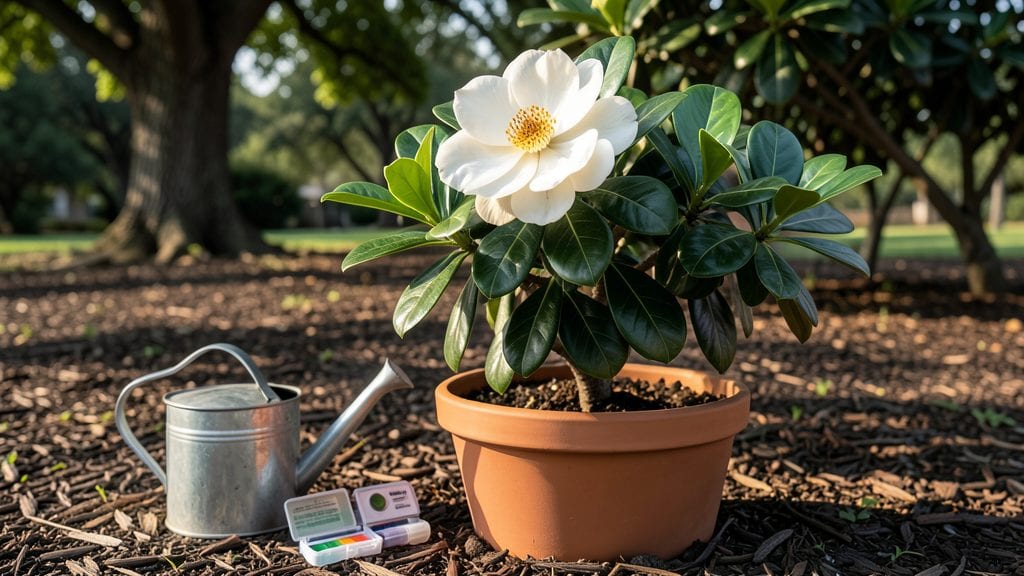
The secret to gardenia flower care lies in mimicking its tropical roots—rich soil, consistent moisture, and just the right amount of shade. 🌿 I’ve learned that these fragrant blooms reward patience with glossy leaves and intoxicating perfume, but only if you meet their exact needs.
The first rule? Never let them dry out, and always prune after flowering to keep them lush.
Your gardenias need well-draining, acidic soil (think pH 5.0–6.5) and a spot where they get morning sun and afternoon shade—too much direct light scorches their delicate petals.
A light feeding every 4–6 weeks with an acid-loving plant fertilizer keeps them blooming, while regular pruning in late winter shapes them for the season ahead. The payoff? Months of those signature white, velvety blooms that smell like a summer evening.
Seasonal shifts matter most—winter slows growth, so cut back on watering and fertilizing, but don’t let the soil dry completely. Watch for yellowing leaves (overwatering) or brown edges (underwatering or low humidity), and treat pests like aphids with neem oil before they take hold.
With these adjustments, your gardenias will thrive year after year, filling your garden with their signature scent.
Even in small spaces, gardenias adapt—containers work well if you use the right mix and keep them sheltered from harsh winds. The key is consistency: match their care to their tropical nature, and they’ll reward you with blooms that last from spring through fall.
Let’s get those plants looking their best!
📚 In This Guide
- What you need
- Instructions
- Tips and common mistakes
- Wrapping up and next steps
What you need
- ● Gardenia plant: Choose a healthy specimen (potted or bare-root) from a nursery. Opt for Gardenia jasminoides for classic fragrance.
- ● Well-draining potting mix: 1 bag (10-12 quarts) of peat-based or acidic mix (pH 5.0–6.5). Avoid garden soil—it’s too dense!
- ● Pot with drainage holes: 1 container 1–2 sizes larger than the plant’s root ball (ceramic or terracotta preferred).
- ● Distilled or rainwater: Gardenias hate tap water’s chemicals. Stock up on 5+ gallons weekly.
- ○ Balanced fertilizer: 1 bottle of 10-10-10 or 20-20-20 (diluted to half-strength). Optional: Use a citric acid fertilizer for extra acidity.
- ● Humidity tray or pebbles: 1 shallow tray + 1–2 inches of pebbles (or a humidifier for indoor plants).
- ● Pruning shears: Sharp, sterilized shears (or small scissors) for trimming.
- ○ Mulch (optional but helpful): Pine bark or coconut coir (1–2 inches) to retain moisture and acidity.
- ● Gloves: 1 pair (gardenia leaves can irritate skin).
- ● pH testing kit: To monitor soil acidity (aim for 5.0–6.5).
- ● Spray bottle: For light misting (1–2 times daily in dry climates).
- ● Sunlight spot: Bright, indirect light (6+ hours daily). Outdoor plants need morning sun + afternoon shade.
- ● Patience: Gardenias thrive with consistency—skip shortcuts!
Step-by-Step instructions for nurturing healthy gardenia plants
Here's how I keep my gardenias blooming heavily—no guesswork, just proven care.
🌿 Step 1: Master the Light Requirements
Gardenias demand bright, indirect light for at least 6 hours daily. A south or east-facing window works best, but direct midday sun will scorch delicate leaves. I notice the leaves yellowing if they get too much harsh light—immediately move the plant back a few feet.
If growing indoors, supplement with a grow light positioned 12-18 inches away for 12-14 hours daily. The key is consistent light—gardenias bloom best when they receive steady illumination without sudden shifts. Watch for leaves stretching toward the light; this means you need to adjust the position or increase light exposure.
💧 Step 2: Water with Precision
Water gardenias when the top 1-2 inches of soil feel dry to the touch. I use room-temperature water to avoid shocking the roots, and I always water thoroughly until it drains from the bottom. The secret is consistency—gardenias hate soggy soil but also can't tolerate drying out completely.
Use a moisture meter if you're unsure, as gardenias are sensitive to both over- and under-watering. Yellow leaves often signal overwatering, while drooping or crispy edges mean it's thirsty. I water in the morning so excess moisture evaporates during the day, preventing fungal issues.
☀️ Step 3: Maintain Ideal Humidity and Temperature
Gardenias thrive in 65-75°F temperatures and 50-60% humidity. If your home runs dry, place the pot on a tray filled with pebbles and water to create a humid microclimate. I see buds drop off if humidity dips below 40%, so I use a small humidifier nearby during winter.
Avoid cold drafts or sudden temperature swings—gardenias are tropical and sensitive to changes. If you notice buds forming but then falling off, it's usually a humidity or temperature issue. Keep the plant away from air vents, doors, and windows that open frequently.
✂️ Step 4: Prune for Better Blooms
Prune gardenias after flowering to encourage new growth and more blooms. Use clean, sharp pruners to trim back leggy stems by about one-third, cutting just above a leaf node. I always sterilize my tools with rubbing alcohol first to prevent disease.
Remove any yellow or damaged leaves immediately—they drain energy from the plant. The best time to prune is in early spring, right before new growth begins. If you see buds forming but not opening, lightly trim some of the oldest leaves to redirect energy toward blooming.
🪴 Step 5: Feed Regularly for Fragrant Blooms
Use a balanced, acid-loving plant fertilizer (like 10-10-10 or 20-20-20) diluted to half strength every 4-6 weeks during growing season. I switch to a low-phosphorus fertilizer in late summer to prevent excessive foliage growth at the expense of blooms.
Gardenias love slightly acidic soil—aim for a pH between 5.5-6.5. If your water is hard, flush the soil occasionally with distilled water to prevent mineral buildup. Over-fertilizing causes salt buildup, which I can spot by white crust on the soil surface—rinse the soil thoroughly if this happens.
Tips & tricks for perfect gardenia flower care
Here's what nobody tells you about keeping your gardenias thriving—these are the little details that make all the difference between occasional blooms and a fragrant, year-round display.
Light Adjustment Strategy: The 6 hours of bright, indirect light in Step 1 is non-negotiable, but here's the trick: rotate your plant every 2-3 weeks so all sides get equal exposure. I learned this the hard way when my gardenia developed uneven growth—one side was stretching toward the window while the other looked sparse. A simple quarter-turn keeps it balanced and encourages fuller blooming.
Humidity Rescue: If your home dips below 50% humidity (especially in winter), group your gardenia with other houseplants or place it on a pebble tray with distilled water. The key is keeping the water level below the pot's bottom to prevent root rot. I've seen buds drop off when humidity falls below 40%—don't let that happen to you!
Pruning Timing Secret: That one-third trim in Step 4 works best when done right after blooms fade completely. The secret is to look for fresh, green growth emerging from the base—this tells you the plant has redirected energy toward new stems. I always prune in early spring because that's when gardenias naturally start their growth cycle, and it prevents leggy stems from forming.
Fertilizer Rotation: The 4-6 week feeding schedule in Step 5 is perfect, but here's the pro move: alternate between your balanced fertilizer and a low-nitrogen, high-potassium formula (like 5-10-10) during bloom season. This switch gives your gardenia the extra energy it needs to produce those fragrant flowers without encouraging too much foliage growth. Just remember to flush the soil every 3 months to prevent salt buildup.
Pro Tips for Gardenia Flower Care
- Here's what nobody tells you about keeping your gardenias thriving—these are the little details that make all the difference between occasional blooms and a fragrant, year-round display.
- Light Adjustment Strategy: The 6 hours of bright, indirect light in Step 1 is non-negotiable, but here's the trick: rotate your plant every 2-3 weeks so all sides get equal exposure.
- Humidity Rescue: If your home dips below 50% humidity (especially in winter), group your gardenia with other houseplants or place it on a pebble tray with distilled water.
Frequently asked questions
Got questions about keeping your gardenias lush and blooming? You’re not alone—these fragrant beauties can be a little finicky! Here are answers to the most common concerns, from pruning to pests and everything in between.
How often should I water my gardenia plant?
Water your gardenia when the top 1–2 inches of soil feel dry—usually 2–3 times per week in warm weather, but adjust for humidity or rain. Overwatering is the #1 killer, so ensure pots have drainage holes. Pro tip: Use room-temperature water to avoid shocking the roots!
When is the best time to prune gardenias?
Prune after flowering (late spring to early summer) to shape the plant and encourage new growth. Avoid heavy pruning in fall/winter—it stresses the plant. Key rule: Never cut into old wood (woody stems), as gardenias bloom on new growth. Use clean, sharp shears!
Why are my gardenia leaves turning yellow?
Yellow leaves often signal overwatering or nutrient deficiencies. Check soil moisture first—if soggy, reduce watering. For yellowing with brown edges, it’s likely chlorosis (iron deficiency). Try an acid-loving plant fertilizer or add iron supplements. Bonus fix: Test soil pH (ideal: 5.0–6.0).
Can gardenias grow indoors year-round?
Yes! Place them near bright, indirect light (east/west-facing windows) and maintain 60–70°F temps. Humidity is critical—use a pebble tray or humidifier. Expect fewer blooms indoors, but regular pruning and fertilizer (like 10-10-10) can help. Warning: Avoid drafts (AC vents, cold windows).
What’s the fastest way to propagate gardenia cuttings?
Take 4–6 inch cuttings from healthy stems in spring/summer, strip lower leaves, and dip in rooting hormone. Plant in perlite/peat moss mix, keep humid (cover with a plastic bag), and mist daily. Roots form in 4–8 weeks. Pro move: Use bottom heat (like a heating mat) to speed up rooting!
How do I prevent gardenia buds from dropping before opening?
Dropping buds usually mean stress—check for these fixes:
- Water consistently (avoid dry spells).
- Keep temps stable (no sudden drafts or heat).
- Fertilize lightly with acid fertilizer (like 8-3-9) every 4–6 weeks.
- Avoid overcrowding—prune to improve airflow.
Wrapping up and next steps
Caring for gardenias may seem like a delicate task, but with the right knowledge and a little patience, you’ll be rewarded with stunning, fragrant blooms that last all year. 🌸 Remember, they thrive in bright, indirect light, consistent moisture, and a touch of humidity—plus, a gentle hand with pruning and fertilizing.
Don’t let a few hiccups discourage you; even seasoned gardeners face challenges, and every wilted leaf is a lesson in progress!
Now that you’re armed with these gardenia flower care tips, why not put them into action? Grab your shears, adjust that humidity tray, and give your gardenia the love it deserves. Watch those blooms shine—and enjoy the heavenly scent! 🌿