
Flowers
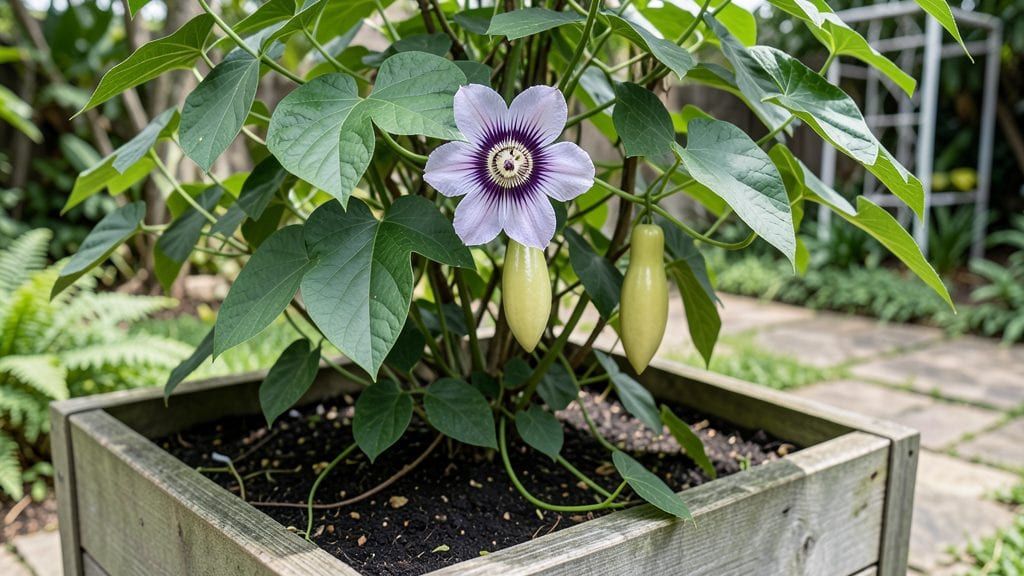
The giant granadilla passion flower (Passiflora gigantia) grows like a jungle dream in the right conditions—glossy, fast-growing vines that burst with 3-inch-wide flowers and produce grapefruit-sized fruit. 🌿 I remember the first time I saw one in a greenhouse, and I knew I had to grow it myself.
It’s not just a pretty vine; it’s a statement plant that thrives in heat, hums with pollinators, and rewards you with edible fruit that tastes like a cross between pineapple and banana.
This tropical beauty needs full sun, rich soil, and consistent moisture—think of it as a high-maintenance diva that pays you back with year-round blooms and exotic fruit. The key is mimicking its native habitat: well-draining soil, a sturdy trellis for its aggressive growth, and protection from frost.
Beginners might worry about its size (it can reach 30 feet in a season!), but with the right setup, it’s surprisingly manageable—and the payoff is worth every inch.
By summer, you’ll be harvesting sweet, creamy fruit that’s a showstopper at dinner parties, and the vines will be draped in vibrant purple-and-white blooms that attract hummingbirds like magnets. The fruit takes 6-9 months to ripen, so patience is key, but the anticipation is half the fun.
Plus, the more you prune and train it, the more productive it becomes—it’s like gardening with a green, growing treasure chest.
Whether you’re in USDA Zones 9-11 or a cooler climate with a greenhouse, this guide covers everything from planting to pollination tricks so you can grow one successfully. Let’s get those vines climbing!
📚 In This Guide
- What you need
- Instructions
- Tips and common mistakes
- Wrapping up and next steps
What you need
- ● Giant granadilla seeds or cuttings: 3–5 seeds (or 1–2 healthy cuttings for faster growth). Opt for organic, non-GMO seeds if possible.
- ● Well-draining potting mix: 5–10 gallons of a blend designed for tropical plants (e.g., 60% coconut coir, 20% perlite, 20% compost). Pro tip: Add a handful of orchid bark for extra aeration!
- ● Large containers or garden space: Containers: 5-gallon pots or larger (with drainage holes) for each plant.
- ● Garden beds: Full sun (6+ hours/day) with rich, slightly acidic soil (pH 6.0–7.0). Amend clay soil with compost.
- ● Fertilizer: Balanced liquid fertilizer (10-10-10 or 20-20-20) or organic options like fish emulsion or worm castings.
- ● Support structure: A trellis, arbor, or sturdy fence (8+ feet tall) for vines to climb.
- ● Mulch: 2–3 inches of organic mulch (e.g., wood chips or straw) to retain moisture and regulate soil temp.
- ● Basic gardening tools: Trowel, pruning shears, gloves, and a watering can or hose with a gentle spray nozzle.
- ○ pH testing kit: To monitor soil acidity (optional but helpful for troubleshooting).
- ● Shade cloth (30–50% coverage): For seedlings or hot climates to prevent scorching.
- ● Humidity tray or misting bottle: Especially useful in dry or indoor settings to mimic tropical conditions.
- ● Patience & warmth: Giant granadillas thrive in USDA zones 10–11. In cooler climates, grow them in containers and bring them indoors during winter!
How to cultivate giant granadilla passion flower vines
Here's the foolproof method I've used to coax these dramatic tropical vines into full, blooming glory—even in less-than-ideal climates.
🪴 Step 1: Select the Perfect Growing Environment
Giant granadilla thrives in USDA Zones 10-12, but with the right container setup, you can grow it as a seasonal houseplant or patio vine in cooler climates. Choose a large container (at least 15-gallon capacity) with drainage holes—these vines develop extensive root systems and need space to spread.
Position your plant where it receives full sun (6+ hours daily). South-facing windows or a sheltered patio spot work best. If growing indoors, supplement with a grow light placed 12-18 inches above the plant for 12-14 hours daily—passion flowers need strong light to produce blooms. Watch for leaves turning pale yellow toward the light source; this means the plant is stretching toward the source and needs repositioning.
🌱 Step 2: Plant with Proper Soil and Support
Use a well-draining potting mix—I blend equal parts peat moss, perlite, and coconut coir for the best results. Avoid garden soil, which compacts easily and suffocates roots. Fill the container to 2 inches below the rim, leaving room for watering.
Plant your granadilla vine in early spring, burying the root ball 1-2 inches deeper than it was in the nursery pot. This encourages stronger root development. Immediately install a strong trellis or arbor—these vines can grow 30+ feet in a single season! Secure the main stem with soft plant ties or strips of old fabric to prevent wind damage as it climbs.
☀️ Step 3: Maintain Ideal Growing Conditions
Water deeply 2-3 times per week during the growing season, keeping the soil evenly moist but never soggy. Stick your finger 2 inches into the soil—if it feels dry, it's time to water. Overwatering leads to root rot, while underwatering causes buds to drop before opening. In winter, reduce watering to once every 10-14 days as growth slows.
Fertilize monthly during the growing season with a balanced liquid fertilizer (10-10-10) diluted to half-strength. Passion flowers are heavy feeders, but too much fertilizer causes excessive foliage at the expense of blooms. Stop fertilizing in late summer to encourage flowering. Watch for new growth—if leaves appear lush but no buds form, you may be over-fertilizing.
✂️ Step 4: Prune and Encourage Blooming
Prune in late winter or early spring before new growth begins. Remove dead or weak stems, then cut back remaining vines by one-third to stimulate bushier growth. Use clean, sharp pruners and make cuts just above a leaf node. This is also the time to thin out crowded stems—aim for 3-5 strong, central vines to focus the plant's energy.
Pinch back new growth tips in early summer to encourage lateral branching and more flower clusters. Each lateral branch can produce 5-10 blooms, while unpruned vines often flower poorly. Remove spent blooms regularly to redirect the plant's energy into new flowers rather than seed production. You'll see the difference within 4-6 weeks of consistent pruning.
🌿 Step 5: Overwintering for Year-Round Growth
In cooler climates, bring potted granadilla indoors before temperatures drop below 50°F. Choose a bright, cool location (60-65°F) with good air circulation. Reduce watering and stop fertilizing until spring. These vines are semi-dormant in winter, so don't be alarmed if growth slows dramatically—just keep the soil lightly moist.
If growing outdoors year-round in warm climates, protect from strong winds and heavy rains, which can damage delicate blooms. Mulch around the base with 2-3 inches of organic mulch to retain moisture and regulate soil temperature. In late winter, repot if roots have filled the container—granadilla vines appreciate being slightly root-bound to trigger flowering.
Tips & tricks for perfect giant granadilla passion flower cultivation
These game-changing insights will help you transform your granadilla from a struggling vine into a blooming tropical showstopper—even if you're not in its native climate.
Lighting Strategy: When supplementing with grow lights, position them 12-18 inches above the plant and use a timer for that 12-14 hour daily exposure. I've found that LED grow lights with a full spectrum (especially red and blue wavelengths) produce the most dramatic results. If your plant starts stretching toward the light source, rotate the container daily to ensure even growth—this prevents that leggy, weak appearance that frustrates many growers.
Soil Mix Secrets: The equal parts peat moss, perlite, and coconut coir blend works wonders, but here's what nobody tells you—add a handful of orchid bark (optional but fantastic) to improve aeration. This mimics the vine's natural epiphytic growing habits. If you notice water pooling on top of the soil after watering, your mix isn't draining properly enough—add more perlite or consider repotting with a chunkier blend.
Pruning Precision: When you're cutting back vines by one-third in late winter, make your cuts just above a leaf node where you see small buds forming. These are your future growth points. I've learned the hard way that cutting too close to a node can leave the vine vulnerable to disease. Also, always sterilize your pruners with rubbing alcohol between cuts to prevent spreading any potential pathogens through the plant's open wounds.
Winter Care Watch: That 60-65°F indoor winter range is critical—too warm and your vine will think it's spring, too cool and it won't properly rest. I've found that placing the container on a bed of pebbles with water (creating a pebble tray) helps maintain consistent humidity levels without overwatering. This mimics the tropical conditions these vines crave even when they're semi-dormant.
Pro Tips for Giant Granadilla Passion Flower
- These game-changing insights will help you transform your granadilla from a struggling vine into a blooming tropical showstopper—even if you're not in its native climate.
- Lighting Strategy: When supplementing with grow lights, position them 12-18 inches above the plant and use a timer for that 12-14 hour daily exposure.
- Soil Mix Secrets: The equal parts peat moss, perlite, and coconut coir blend works wonders, but here's what nobody tells you—add a handful of orchid bark (optional but fantastic) to improve aeration.
Frequently asked questions
Got questions about growing and enjoying giant granadilla passion flowers? You're not alone! Here are some of the most common queries from gardeners and fruit enthusiasts—plus quick, actionable answers to help you thrive with this tropical beauty.
How long does it take for a giant granadilla vine to bear fruit?
A healthy giant granadilla vine typically takes 2–3 years from planting to produce its first fruit, though some vigorous varieties may flower sooner in ideal conditions (warmth, full sun, and consistent moisture). Patience is key—these vines reward long-term care with huge (up to 12-inch-long!) fruit!
Can giant granadilla survive cold winters?
Nope! Giant granadillas are tropical and thrive in USDA zones 10–11. In colder climates, grow them in containers and move them indoors (or to a greenhouse) when temps dip below 40°F (4°C). Without protection, frost will kill the vine. Pro tip: Mulch heavily in winter if you’re pushing the limits!
What’s the best way to eat giant granadilla fruit?
This fruit is versatile! Peel the skin (edible but fibrous), scoop out the jelly-like pulp, and enjoy it fresh, blended into smoothies, or used in desserts like passion fruit tart or sorbet. The flavor is tangy-sweet, similar to passion fruit but milder. Warning: The seeds are edible but can be surprisingly crunchy—chew carefully!
Why aren’t my giant granadilla flowers turning into fruit?
Common culprits include:
- Pollination issues: Giant granadillas rely on bees, hummingbirds, or hand-pollination (gently shake flowers or use a brush).
- Temperature stress: Flowers drop if temps exceed 95°F (35°C) or drop below 55°F (13°C).
- Nutrient deficiency: Yellowing leaves? Boost potassium and phosphorus with a balanced fertilizer.
What’s a good alternative if I can’t grow giant granadilla?
If your climate is too harsh, try these passion flower relatives:
- Purple passion flower (Passiflora edulis): Smaller fruit but hardier (zones 7–11).
- Blue passion flower (Passiflora caerulea): Ornamental but cold-tolerant (zones 6–10).
- Sweet granadilla (Passiflora ligularis): Similar flavor, slightly more frost-resistant.
Wrapping up and next steps
The giant granadilla passion flower is a stunning tropical gem that rewards patience with year-round blooms and exotic fruit—perfect for adventurous gardeners! Whether you're drawn to its vibrant flowers, fragrant vines, or edible harvests, this guide has given you the tools to succeed.
With the right location, support, and care, you’ll soon be enjoying its lush beauty and unique flavors.
Ready to dive in? Start by selecting your healthiest cuttings or seeds—then watch your tropical paradise grow! 🌱✨ Happy gardening!