Flowers
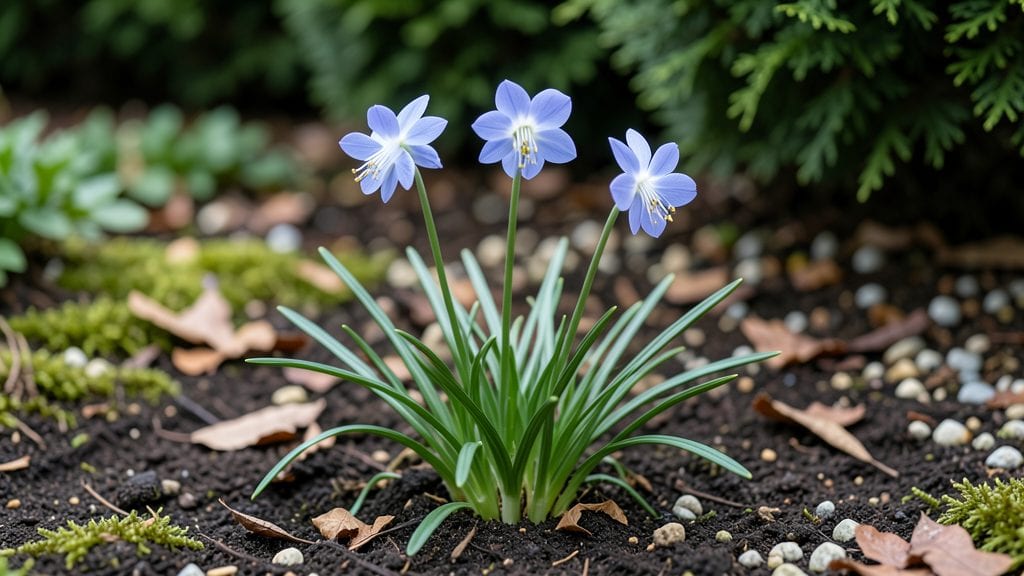
The Glory of the Snow flower bursts through frozen ground like tiny blue fireworks. 🌱 I planted mine last fall, and by late February, they’re already poking through the snow—proof that some flowers refuse to wait for spring.
These delicate starbursts thrive where most bulbs give up, making them perfect for cold climates where winter lingers.
They’re fuss-free once planted: well-draining soil, partial shade, and 3-4 inches of mulch after blooming keeps them happy for years. The secret’s in the timing—plant bulbs in fall (October-November) so roots establish before winter. No coddling needed; they’ll reward you with weeks of cheerful blooms before summer even arrives.
Imagine a carpet of cobalt-blue stars under bare branches, their scent light and sweet—like spring on a breath. You’ll harvest dozens of blooms per plant, perfect for cutting or letting bees adore. Just watch for squirrels; they love these too.
Works in borders, rock gardens, or even containers. Once established, they multiply and naturalize—zero effort, all reward. Here’s how to make them yours.
📚 In This Guide
- What you need
- Instructions
- Tips and common mistakes
- Wrapping up and next steps
What you need
- ● Chionodoxa bulbs: 10–20 bulbs (depending on desired coverage; choose varieties like Chionodoxa luciliae or Chionodoxa gigantea for bold color).
- ● Well-draining potting mix: 5–10 gallons (or enough to fill containers). Mix in 10–20% perlite or coarse sand to prevent rot.
- ● Garden soil (for in-ground planting): Amend with compost (1 part compost to 3 parts soil) for fertility.
- ○ Containers (optional): 6–12" pots with drainage holes (if growing in pots).
- ● Garden trowel or bulb planter: For easy digging.
- ● Watering can or hose with gentle spray: Avoid overwatering—these bulbs hate soggy soil!
- ○ Mulch (optional but recommended): 1–2 inches of gravel, pine needles, or straw to insulate roots in harsh winters.
- ● Sunlight: Full sun to partial shade (6+ hours of sunlight daily for best blooms).
- ● Hardiness Zone: 3–8 (perfect for cold climates!).
- ● Planting Time: Fall (October–November) for spring blooms.
- ● Watering: Keep soil moist but not waterlogged until dormancy (water sparingly after blooming).
- ○ Fertilizer (optional): A balanced bulb fertilizer (5-10-10) or bone meal at planting time for extra vigor.
Step-by-step guide to planting and caring for Glory of the snow flowers
Here’s how to grow these stunning winter bloomers with minimal fuss—once planted, they’ll reward you for years.
🌱 Step 1: Choose the Perfect Planting Spot
Glory of the Snow thrives in full sun to partial shade, but the key is well-draining soil. If your garden holds moisture, amend with 2-3 inches of compost to improve drainage. These flowers hate soggy roots, so avoid low-lying areas where water pools.
Here’s the thing—these plants naturalize beautifully, so give them at least 18 inches of space between clusters. Over time, they’ll spread into a lush, snow-covered carpet. I like to plant them in small groups of 3-5 for a dramatic winter display.
🪴 Step 2: Plant Bare-Root Corms in Late Summer or Early Fall
Timing matters: plant corms 4-6 weeks before your first frost—this gives roots time to establish before winter. Dig holes 2-3 inches deep (about twice the corm’s height) and space them 6-8 inches apart. You’ll see them multiply over time!
Don’t bury them too deep—too much soil smothers the corms and prevents blooms. Gently place each one in the hole with the pointy end up (yes, they have one—trust me, it’s obvious). Cover lightly with soil and water deeply to settle everything.
☀️ Step 3: Water and Mulch for Winter Protection
After planting, water once a week until the ground freezes—this encourages root growth. Once winter arrives, stop watering entirely unless your area gets very little snow. These plants are drought-tolerant once established, but they do need moisture to get going.
Here’s where mulch saves the day: cover the planting area with 2-3 inches of straw or shredded leaves after the first frost. This insulates the corms and prevents heaving (when soil freezes and pushes them up). I’ve seen these flowers pop through snow-covered ground in early spring—it’s magical.
⏰ Step 4: Minimal Spring Care for Stunning Blooms
In early spring, remove the mulch once the ground thaws—you’ll see delicate green shoots pushing through. Water lightly every 2-3 weeks once growth appears, but don’t overdo it. Too much moisture now causes rot.
Watch for star-shaped blooms in late winter or early spring—these flowers emerge before leaves appear, creating a breathtaking contrast. Deadhead spent blooms only if they look messy, but leave some for seed heads if you want more plants next year (they self-seed readily).
✂️ Step 5: Divide and Share Every 3-4 Years
These corms multiply aggressively, so dig up clumps in early fall when foliage yellows. Separate the corms with your hands or a fork, keeping 3-4 per division for strong growth. Replant immediately or store in a cool, dry place until fall planting.
Real talk: If you skip dividing, you’ll end up with a dense patch that blooms less vigorously. I like to share divisions with friends—everyone loves getting free, cold-hardy flowers!
Tips & tricks for perfect Glory of the snow flower planting
These frost-resistant beauties reward patience with years of winter color—but a few key moves make all the difference.
Soil Science Matters: The 2-3 inches of compost recommendation isn't just about drainage—it's about creating a microclimate that mimics their native rocky slopes. Mix in coarse sand or perlite if your soil is heavy clay. I've seen these flowers thrive in containers with a 50/50 mix of potting soil and perlite when planted in groups of 3-5, proving they adapt beautifully to urban gardens too.
Timing Secret: Those 4-6 weeks before frost aren't arbitrary—they match the plant's natural dormancy cycle. In colder zones, plant on the earlier side (6 weeks out). In milder climates, you can stretch to 7-8 weeks. The key visual cue: plant when your local chrysanthemums start flowering—same timing, guaranteed success.
Mulch Magic: The 2-3 inches of straw or leaves isn't just insulation—it's a moisture barrier. Pack it firmly around (not over) the corms to prevent rot. I've had winter thaws where the mulch kept the soil at perfect 32°F, protecting the corms while allowing roots to stay active. For extra insurance, top with a thin layer of pine needles—they repel voles that might dig up your precious corms.
Division Strategy: When you dig up those clumps every 3-4 years, resist the urge to split them too small. Keep divisions with at least 3-4 corms each—they'll establish faster and bloom more reliably. I've found that larger divisions (5-6 corms) produce the most dramatic first-year blooms. Save the smallest pieces for propagation or sharing with fellow gardeners.
Pro Tips for Glory Of The Snow Flower
- These frost-resistant beauties reward patience with years of winter color—but a few key moves make all the difference.
- Soil Science Matters: The 2-3 inches of compost recommendation isn't just about drainage—it's about creating a microclimate that mimics their native rocky slopes.
- Timing Secret: Those 4-6 weeks before frost aren't arbitrary—they match the plant's natural dormancy cycle.
Frequently asked questions
Got questions about nurturing the Glory of the Snow Flower? You’re not alone! Here are some common queries—and their frost-hardy answers.
What’s the best time to plant Glory of the Snow Flower for cold climates?
Plant in early fall (September–October) or late winter (February–March) for optimal root establishment before frost. This gives them time to acclimate to cold soil while avoiding summer heat stress. Pro tip: Mulch heavily after planting to insulate roots!
Can Glory of the Snow Flower survive heavy snow or ice?
Yes! These hardy beauties thrive in zones 3–7 and tolerate 10–20°F (-12 to -7°C). Their semi-evergreen foliage often stays intact under snow, though stems may flatten. Troubleshooting: Gently brush off snow to prevent rot—never shake plants!
Are there alternatives if my yard gets too much shade?
Try Hellebores (Lenten Roses) or Winter Aconite for similar early blooms in shade. For sun-tolerant swaps, consider Snowdrops (Galanthus) or Crocuses. All three are cold-resistant and bloom before Glory of the Snow Flower’s peak.
How do I revive a Glory of the Snow Flower that looks wilted after winter?
Start with gentle pruning—trim dead stems to 2–3 inches above ground. Water lightly (but don’t soak!) and fertilize with compost in early spring. If no new growth appears by April, check for rot (slimy roots = overwatering) or pests (like slugs). Quick fix: A layer of straw mulch can boost recovery!
Do Glory of the Snow Flowers need special care during drought?
They’re drought-tolerant once established (after 2 years), but young plants need weekly deep watering in dry spells. Mulch 3–4 inches deep to retain moisture. If leaves yellow, it’s often thirst—not frost damage. Watering tip: Soak soil at the base, not the foliage, to prevent fungal issues.
Wrapping up and next steps
The glory of the snow flower isn’t just a resilient beauty—it’s a testament to nature’s ability to thrive even in the harshest conditions.
Whether you’re drawn to its delicate petals or its symbolic strength, these frost-defying blooms remind us that patience and care can turn even the coldest spaces into something extraordinary. 🌸❄️
Ready to bring a touch of winter magic to your garden?
Start small—plant a few snow flowers in a pot or along a chilly border—and watch as they transform your outdoor space into a serene, frost-kissed paradise. Your next step? Grab your gloves, pick your favorite variety, and let the glory of the snow flower inspire your next gardening adventure!