
Flowers
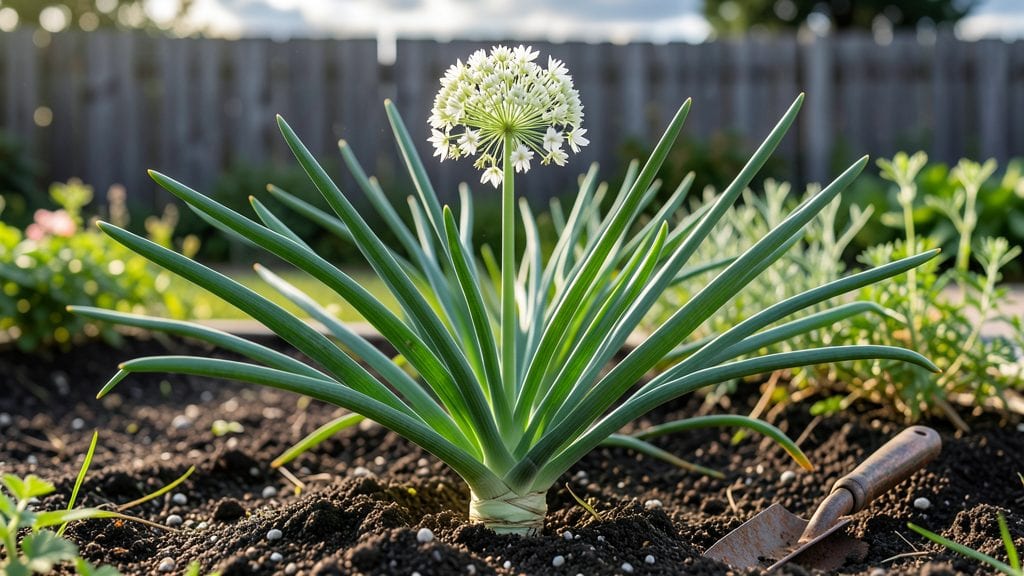
Growing green onions from flower bulbs means you get both edible greens and delicate blooms on the same plant—something most gardeners overlook. 🌱 I’ve grown these from seed for years, and the secret to success lies in understanding how to coax those bulbs into producing lush greens and letting them flower without sacrificing flavor.
The key is timing, soil, and a little patience.
You’ll need well-draining soil, a sunny spot with at least 6 hours of light daily, and a shallow planting depth—just ½ inch deep for the bulb. Water consistently but avoid soggy soil, which causes rot.
The first harvest of greens comes in 3-4 weeks, but if you let the plant flower, you’ll get those pretty white blossoms (edible too!) by mid-season.
Here’s the magic: when the plant bolts, don’t panic—it’s still producing food. Snip the greens lower down to encourage new growth while letting the flower stalk mature. By late summer, you’ll have both fresh greens for cooking and blooms for salads or garnishes. It’s a two-for-one harvest that keeps giving.
Works in containers, raised beds, or directly in the ground—even in small spaces. The only challenge is bolting, but with the right care, you’ll turn that into an advantage. Let’s grow those bulbs into a full-season feast!
📚 In This Guide
- What you need
- Instructions
- Tips and common mistakes
- Wrapping up and next steps
What you need
- ● Green onion (scallion) bulbs or seeds: Choose organic, non-treated bulbs (3–5 per pot or 6–8 per square foot in garden beds). For seeds, opt for heirloom varieties like Allium fistulosum.
- ● Well-draining potting mix: 5–10 gallons (for containers) or loamy garden soil amended with compost (for in-ground planting). Pro tip: Mix in perlite or vermiculite (10–20%) for aeration!
- ○ Containers (optional but handy): 5–7" deep pots with drainage holes (1–2 bulbs per pot).
- ● Window boxes or vertical planters (for small spaces).
- ○ Fertilizer: Balanced organic fertilizer (10-10-10) or compost tea. Optional: Slow-release granules for long-term growth.
- ● Watering can or spray bottle: For gentle hydration (avoid soggy soil!).
- ● Garden trowel or small shovel: For transplanting bulbs (if starting from store-bought greens).
- ● Pruning shears or scissors: To trim spent blooms and encourage regrowth.
- ● Sunlight access: 4–6 hours of direct sun daily (partial shade tolerates 60°F–75°F temps).
- ● Patience (and a notebook!): Track planting dates, watering schedules, and bloom stages for best results.
- ● Mulch (straw or shredded leaves) to retain moisture and suppress weeds.
- ● Grow lights (for indoor setups, 12–14 hours/day).
- ● Copper tape or slug bait (to deter pests like slugs and snails).
- ● Food-safe spray (neem oil or insecticidal soap) for organic pest control.
Step-by-Step guide to growing green onion flower bulbs
Here’s how to coax both edible greens and delicate blooms from the same plant—no fancy equipment needed.
🌱 Step 1: Select and Prepare the Bulbs
Choose firm, medium-sized green onion bulbs with intact roots—these will regrow best. Soak them in lukewarm water for 12 hours to soften the outer layers and kickstart root regrowth. I like to use a shallow dish with just enough water to cover the bottoms.
After soaking, let the bulbs dry briefly on a paper towel. This prevents rot when planting. The goal is to wake up dormant roots without overwatering. You’ll see tiny white root hairs forming within 24 hours—that’s your first sign they’re ready.
🪴 Step 2: Plant in Well-Draining Soil
Fill a 6-inch diameter pot with a mix of 50% potting soil and 50% perlite for drainage. Press the bulb halfway into the soil, leaving the top 1 inch exposed. This mimics their natural growth habit and prevents rot.
Water lightly until the soil feels evenly moist but not soggy. Place the pot in a spot with bright, indirect light (like an east-facing window). Too much direct sun now will stress the bulb before it’s established. Check soil moisture daily—it should stay damp, not wet.
☀️ Step 3: Encourage Greens and Flowers
Once the bulb sprouts 2-inch green shoots, move it to 4-6 hours of morning sun to build strength. After 4-6 weeks, when the greens reach 6 inches tall, gradually increase sun exposure to full sun (6+ hours daily). This triggers flowering.
Watch for purple or white blooms—these appear 8-12 weeks after planting. The flowers are edible and add a mild onion flavor to salads. Snip them off to encourage more greens, or leave them to go to seed for next season.
💧 Step 4: Maintain and Harvest
Water when the top inch of soil feels dry, but avoid soggy conditions—green onions hate wet feet. Fertilize lightly with balanced liquid fertilizer (10-10-10) every 4 weeks to support both greens and blooms.
Harvest greens by cutting 1-2 inches above the bulb when they reach 6-8 inches tall. They’ll regrow in 2-3 weeks. For flowers, pick them as they open—this keeps the plant producing. If left unharvested, the blooms will fade, but new growth often follows.
Tips & tricks for perfect green onion flower bulb growth
These insider strategies will help you maximize both edible greens and delicate blooms from your regrown green onions.
Soaking Strategy: The 12-hour lukewarm water soak in Step 1 is non-negotiable for breaking dormancy. Use a shallow dish with just enough water to cover the bulb bottoms—any deeper risks waterlogging. For faster results, place the dish in a warm spot (around 70°F) during the soaking period. You'll notice root hairs appearing within 24 hours, but don't rush planting—let them develop slightly longer for stronger establishment.
Light Transition Technique: When moving your 2-inch shoots to morning sun in Step 3, do it gradually over 3-4 days. Start with just 2 hours of morning sun, then increase by 1 hour daily. This prevents sunburn on tender new growth. The key is building resilience before full sun exposure—think of it like acclimating to a new climate. After 4-6 weeks, when greens reach 6 inches, you can safely transition to full sun for flowering.
Flowering Trigger: The 8-12 week window for blooms might seem long, but proper sun exposure is what triggers it. If you're not seeing flowers by week 10, check your light conditions—green onions need at least 6 hours of direct sun daily to initiate flowering. A south-facing window or grow light can help bridge gaps if natural light is insufficient. Once blooms appear, harvest them early in the morning when flavors are most intense.
Regrowth Hack: After harvesting greens 1-2 inches above the bulb, give your plant a light feeding with diluted fertilizer (half-strength 10-10-10) to encourage regrowth. The 2-3 week regrowth time assumes proper care—if your plant looks stressed, reduce fertilizer and focus on consistent moisture instead. For continuous harvests, alternate between cutting greens and harvesting flowers to maintain production.
Pro Tips for Green Onion Flower Bulb
- These insider strategies will help you maximize both edible greens and delicate blooms from your regrown green onions.
- Soaking Strategy: The 12-hour lukewarm water soak in Step 1 is non-negotiable for breaking dormancy.
- Light Transition Technique: When moving your 2-inch shoots to morning sun in Step 3, do it gradually over 3-4 days.
Frequently asked questions
Got questions about growing green onion flower bulbs? You’re not alone! Here are some of the most common queries—plus quick, practical answers to help you cultivate edible blooms and fresh greens with ease.
Can I eat green onion flowers?
Green onion flowers are edible and add a mild, onion-like flavor with a slightly sweeter, floral twist. Use them raw in salads, garnishes, or even in stir-fries. Just ensure they’re pesticide-free if foraging wild varieties.
How long does it take for green onion flower bulbs to bloom?
Most green onion flower bulbs (like Allium fistulosum) take 60–90 days to produce flowers after planting, depending on climate and care. In cooler weather, blooms may appear sooner, while warmer conditions can delay them slightly. Patience pays off—those pretty purple pom-poms are worth the wait!
What if my green onion flowers don’t bloom?
Don’t worry—non-blooming can happen for a few reasons:
- Not enough light: Green onions need 6+ hours of sunlight daily to trigger flowering.
- Overcrowding: Thin plants to 4–6 inches apart for better airflow and growth.
- Nutrient deficiency: Add a balanced fertilizer (like 10-10-10) when greens are 6 inches tall.
- Wrong variety: Some green onions (like Allium cepa) focus on bulbs over flowers. Stick to Allium fistulosum for blooms.
Are green onion flowers perennial or annual?
Green onion flower bulbs are perennial in mild climates (zones 4–9) but often treated as annuals in colder areas. In warm regions, they’ll regrow year after year, producing flowers and greens with minimal effort. In colder zones, replant fresh bulbs each spring for a fresh harvest.
What’s the best way to harvest green onion flowers and greens?
Harvest greens by cutting leaves 2 inches above the base—this encourages regrowth. For flowers, snip the entire stalk when blooms are fully open but before they seed. Use scissors to avoid damaging the bulb. Pro tip: Harvest flowers in the morning for peak freshness!
Can I grow green onion flowers in containers?
Yes! They thrive in 5–6 inch deep containers with well-draining soil. Use a pot with drainage holes and place it in full sun. Just ensure the bulb has room to grow—crowding can stunt flowers. Perfect for balconies or small gardens!
Wrapping up and next steps
Growing green onion flower bulbs is a rewarding way to enjoy both edible blooms and fresh greens in one compact plant! Whether you're a seasoned gardener or just starting out, these versatile plants thrive with minimal effort—just provide well-draining soil, sunlight, and patience.
The sweet, mild flavor of their flowers and greens makes them a fantastic addition to salads, garnishes, or even teas.
Ready to harvest your bounty? Start small with a few bulbs in pots or your garden bed, and soon you’ll be reaping the delicious benefits! 🌱✨ Next step: Share your progress with fellow gardeners or experiment with creative recipes using your homegrown blooms!