
Flowers
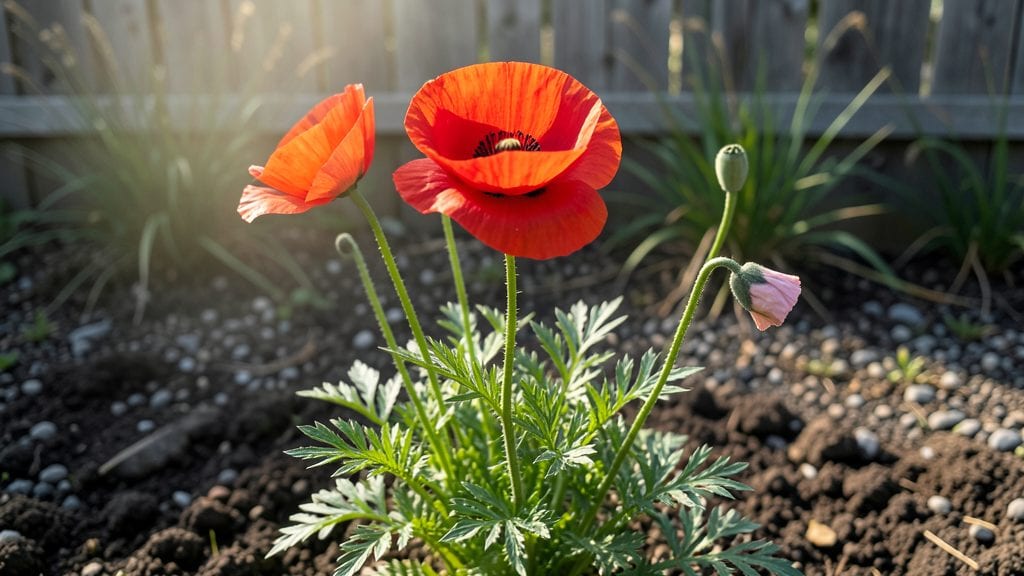
Poppy flowers burst into bold, starburst blooms that seem to appear overnight—growing poppy flowers is the easiest way to turn a patch of soil into a fairy-tale meadow.
I still remember the first time I scattered seeds in early spring and watched them pop up like tiny red fireworks within weeks. They’re the kind of plant that rewards patience with jaw-dropping color, and once they self-sow, you’ll have poppies popping up for years without replanting.
The secret to their magic lies in their simplicity: they thrive in poor soil, need almost no care, and love full sun. Start by scattering seeds directly into well-drained soil—no need to bury them deep. Lightly press them in and water gently, then step back and let nature take over.
Most varieties bloom in just 6-8 weeks, turning any corner of your garden into a vibrant display. The key is avoiding overwatering; poppies hate soggy roots and will bolt if they get too much moisture.
What you’ll end up with is a garden that feels like a painting—deep reds, sunny yellows, and delicate whites dotting the landscape. They’re also surprisingly hardy, bouncing back from frost and even self-seeding where they please.
Once established, they’ll naturalize beautifully, creating a low-maintenance show year after year. The only downside? You might have to fight off neighbors who’ll beg for cuttings of your poppy magic.
Perfect for cottage gardens, wildflower meadows, or even container edges, poppies adapt to almost any sunny spot. They’re the ideal plant for beginners who want drama without the fuss—just scatter, wait, and watch the show unfold. Let’s get those seeds in the ground!
📚 In This Guide
- What you need
- Instructions
- Tips and common mistakes
- Wrapping up and next steps
What you need
- ● Poppy seeds – Choose Papaver varieties like Papaver rhoeas (common poppy) or Papaver somniferum (opium poppy, check legality first!). Aim for 1–2 grams per 10 sq ft for a lush display.
- ● Well-draining soil – Poppies hate soggy roots! Mix in sand or perlite (20–30%) if your soil is heavy clay.
- ● Sunny spot – At least 6–8 hours of full sun daily (they’ll fade in shade).
- ● Watering can or hose – A gentle spray works best to avoid disturbing seeds.
- ● Garden trowel or hand fork – For light soil prep (poppies dislike deep digging).
- ● Rake or hoe – To scratch seeds into soil ¼ inch deep (they need light to germinate!).
- ○ Gloves (optional) – Poppy foliage can be prickly!
- ● Compost or slow-release fertilizer – A light mix (5-10-10 ratio) at planting boosts early growth.
- ● Mulch (straw or pine needles) – Keeps soil moist without smothering seeds.
- ● Trellis or stakes – Tall varieties (like Papaver orientale) may need support.
- ● Dibber or seed tape – For precise planting (great for small spaces!).
How to grow poppy flowers from seed to blooming beauty
Here’s how to coax those delicate, star-shaped blooms from tiny seeds—no green thumb required.
🌱 Step 1: Plant Seeds Directly in Well-Drained Soil
Poppies hate being transplanted, so skip starting them indoors. Instead, scatter seeds directly into the garden bed or containers in early spring, once the soil warms to at least 50°F. The seeds are tiny—think sand grains—so I sprinkle them lightly over the surface without covering them. A light press with your palm ensures contact with the soil, but don’t bury them. Poppy seeds need light to germinate.
Space seeds 6-12 inches apart for single blooms or closer (4-6 inches) for a lush, wildflower effect. If using containers, choose pots at least 6 inches deep with drainage holes. The key here is patience—germination can take 10-20 days, depending on soil temperature and moisture.
☀️ Step 2: Provide Sun and Water Sparingly
Poppies thrive in full sun (6+ hours daily) but are surprisingly drought-tolerant once established. Water the soil lightly after planting to moisten it, but avoid soaking. Overwatering causes seeds to rot before they sprout. After germination, let the soil dry out between waterings—poppies resent soggy roots.
Here’s the thing—poppies grow best when they’re a little stressed. If seedlings start to wilt in hot weather, that’s normal. Water deeply only when the top 1-2 inches of soil feel dry to the touch. Once they reach 4-6 inches tall, they’ll be tough enough to handle dry spells like a pro.
🌿 Step 3: Let Them Grow Wild (Resist the Urge to Tidy)
Poppies grow fast, shooting up 1-3 feet tall in just a few weeks. They don’t need fertilizing—too much nitrogen makes them floppy and leggy. In fact, I avoid adding any extra nutrients unless your soil is particularly poor. Poppies prefer lean, well-drained conditions.
Watch for first true leaves (the second set after the initial seed leaves). This is your cue to thin seedlings if they’re crowded. Snip weaker stems at the base with clean scissors, leaving the strongest plants spaced 6-12 inches apart. This prevents competition and ensures bigger, showier blooms later.
⏰ Step 4: Enjoy the Show and Let Nature Do the Rest
Poppies bloom in 60-90 days after planting, depending on the variety. Oriental poppies (like ‘Peony’ or ‘Flamingo’) produce cup-shaped flowers, while Iceland poppies (like ‘Moonlight’) have delicate, papery blooms. Deadhead spent flowers to encourage more blooms, but leave some seed pods if you want a self-sowing spectacle next year.
Real talk: Poppies are finicky about transplanting, so don’t move them once they’re established. They’ll naturalize over time, popping up year after year in the same spot. If you’re growing them in containers, plan to replace them annually—they’re not long-term residents.
Tips & tricks for growing stunning poppy flowers
Here's what I wish I knew before planting my first batch of poppies—these small details make all the difference between a patchy garden and a showstopping display.
Soil Temperature Secret: That 50°F minimum isn't just a suggestion—it's critical. I learned this the hard way when my first batch of seeds sprouted unevenly in cooler soil. Use a soil thermometer if you're unsure, especially in spring. The seeds need consistent warmth at that temperature to germinate reliably. If your soil is colder, wait it out—poppies won't tolerate being rushed.
Thinning Technique: When you see those first true leaves in Step 3, that's your golden opportunity to shape your garden's future. I use clean, sharp scissors to snip at the base rather than pulling, which prevents disturbing the roots of neighboring plants. Leave the strongest stems—look for ones with vibrant color and no signs of disease—and space them exactly 6-12 inches apart as instructed. This might seem harsh, but trust me, your poppies will reward you with bigger, more dramatic blooms.
Watering Wisdom: The "let soil dry between waterings" advice is crucial, but here's the part nobody tells you: poppies actually appreciate a good rain shower. When they're established (after those first 4-6 inches of growth), they'll handle natural rainfall beautifully. I've found that watering deeply once a week with about an inch of water mimics spring rains perfectly, while keeping them drought-tolerant once mature. The key is that top 1-2 inches of dry soil—stick your finger in to check rather than relying on a schedule.
Sunlight Strategy: While poppies love full sun, I've noticed that in extremely hot climates (like 100°F+), they appreciate some afternoon shade when they're young. Once they reach 1-3 feet tall, they'll handle full sun all day. If you're in a hot zone, consider planting them where they'll get morning sun and afternoon shade until they're well-established. This prevents the wilting you might see in intense heat.
Pro Tips for Growing Poppy Flowers
- Here's what I wish I knew before planting my first batch of poppies—these small details make all the difference between a patchy garden and a showstopping display.
- Soil Temperature Secret: That 50°F minimum isn't just a suggestion—it's critical.
- Thinning Technique: When you see those first true leaves in Step 3, that's your golden opportunity to shape your garden's future.
Frequently asked questions
Got questions about growing poppy flowers? You’re not alone—these stunning blooms spark curiosity! Here are answers to the most common queries to help you cultivate success with ease.
Can poppy flowers grow in containers or do they need a garden bed?
Poppies thrive in containers! Choose a pot at least 12 inches deep with drainage holes to prevent root rot. Dwarf varieties like Papaver rhoeas (corn poppy) are ideal for pots, while larger types (e.g., Papaver orientale) need bigger spaces. Just ensure they get 6+ hours of sunlight daily—containers dry out faster than garden beds.
How long does it take for poppy seeds to germinate and bloom?
Poppy seeds germinate quickly—often in 7–14 days if soil stays moist (but not soggy). From seed to bloom takes 8–12 weeks, depending on the variety. Pro tip: Sow seeds directly in the ground in early spring or fall—they hate transplanting! Chilly weather actually helps germination.
Why aren’t my poppy seeds sprouting? Troubleshooting tips!
Poppy seeds need light to germinate—don’t bury them! Scatter them on top of soil and press lightly. Common issues:
- Too wet: Overwatering causes rot. Let soil dry slightly between waterings.
- Too hot: Seeds need temps 40–70°F. Wait for cooler spring/fall weather.
- Old seeds: Poppy seeds lose viability after 1–2 years. Buy fresh!
Are there non-opioid poppies safe for pollinators?
Yes! Most ornamental poppies (like Papaver somniferum varieties bred for flowers) are non-opioid and pollinator-friendly. Look for Papaver rhoeas (corn poppy) or Papaver nudicaule (Iceland poppy)—they’re low-maintenance and attract bees, butterflies, and hummingbirds. Avoid wild P. somniferum (opium poppy) if unsure.
Will poppies self-seed aggressively? How to control them?
Poppies are prolific self-seeders—a double-edged sword! To manage them:
- Deadhead spent blooms to reduce seed spread (but leave some for natural charm!).
- Pull seedlings in fall if they’re overcrowding.
- Embrace it! Many gardeners love their magical, spontaneous regrowth.
Fun fact: Some poppies (like Papaver setigerum) even close at night—watch for this quirky behavior!
Wrapping up and next steps
Growing poppy flowers is a rewarding journey that brings bold, vibrant beauty to your garden with minimal effort—thanks to their self-sowing magic! 🌸 Whether you're a seasoned gardener or a beginner, these resilient blooms thrive with just a little sunlight, well-draining soil, and patience.
Now that you know the secrets to success, why not take the next step?
🌱 Your Next Step: Plant & Watch the Magic Happen
Start small—sow a few seeds in a sunny spot this weekend, and soon, you’ll be surrounded by a sea of starry poppies. Share your progress with fellow gardeners or experiment with different varieties to create a stunning, low-maintenance display. Happy growing!