
Flowers
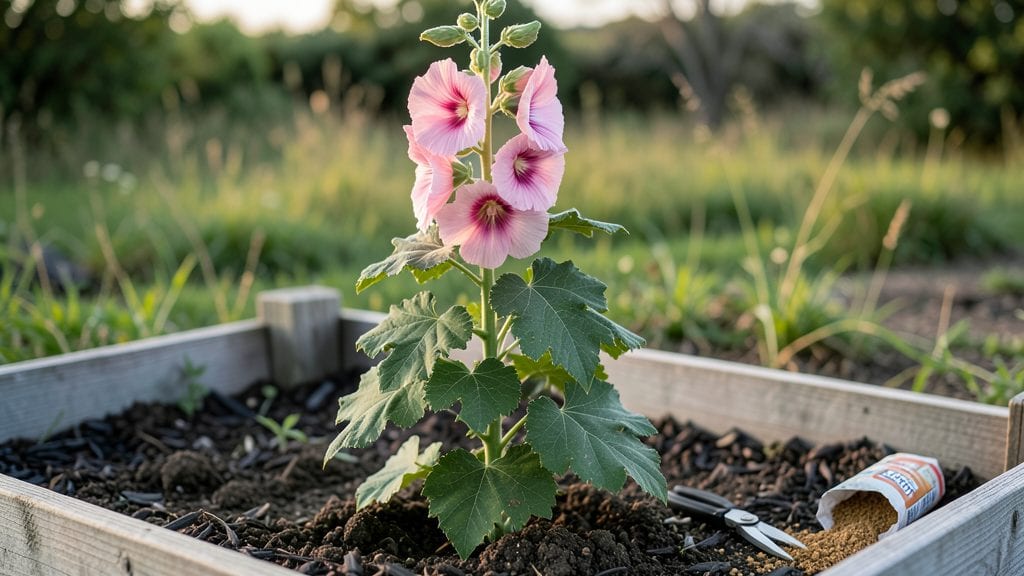
The Pacific Northwest's frost-resilient hollyhock flowers bring towering drama to any garden. 🌿 I still remember the first time I planted them—those tall, rustling stems reaching for the sky like nature's own vertical starburst. They thrive where many perennials fail, standing strong through damp winters and cool summers.
Hollyhocks grow best in full sun with well-draining soil, though they tolerate partial shade. The secret to their success lies in their biennial or short-lived perennial nature—plant seeds in early spring or fall, and you'll be rewarded with bold blooms the following year.
Spacing them 18-24 inches apart gives their sturdy stems room to grow without flopping.
With proper care, you'll enjoy vibrant blooms from early summer through fall, attracting bees and butterflies to your garden. The velvety petals come in shades of pink, white, and deep purple, creating a stunning vertical display that's hard to resist.
Prune spent blooms to encourage more flowers and prevent seed heads from weighing down the stems.
Perfect for cottage gardens, borders, or even containers, hollyhocks add old-fashioned charm with minimal effort. Their resilience makes them a favorite for Pacific Northwest gardeners, and their striking presence will have your neighbors asking for tips. Let's get those seeds in the ground!
📚 In This Guide
- What you need
- Instructions
- Tips and common mistakes
- Wrapping up and next steps
What you need
- ● Hollyhock seeds: Choose heirloom varieties like 'Black Prince' or 'Peach Blush' (20-30 seeds per plant; ~50 seeds total for a small garden). Opt for organic, non-GMO seeds for best results.
- ● Well-draining soil: Mix 2 parts garden soil with 1 part compost or aged manure (hollyhocks love nutrient-rich, slightly alkaline soil, pH 6.5–7.5).
- ● Fertilizer: A balanced, slow-release granular fertilizer (10-10-10 ratio) or organic options like fish emulsion or bone meal (apply at planting and mid-season).
- ● Support stakes or trellis: Sturdy bamboo stakes (5–6 ft tall) or a wire trellis (hollyhocks can grow 6–8 ft tall!). Use 2–3 stakes per plant for stability.
- ● Mulch: Straw or shredded leaves (2–3 inches) to retain moisture and protect roots from winter frost.
- ● Garden trowel or shovel (for planting seeds ½ inch deep).
- ● Watering can or hose with a gentle spray nozzle (keep soil consistently moist but not soggy).
- ● Pruners or shears (for deadheading and shaping plants).
- ○ Gloves (optional but helpful for handling prickly stems or thorny varieties).
- ● Epsom salt (1 tbsp dissolved in water monthly) for magnesium boosts and vibrant blooms.
- ● Companion plants: Marigolds or nasturtiums to deter pests like aphids.
- ● Rain gauge (PNW’s wet climate can lead to overwatering—aim for 1–1.5 inches per week).
Step-by-Step instructions for planting hollyhock flowers
Here's how to grow these tall, dramatic blooms with minimal fuss—perfect for adding vertical interest to your Pacific Northwest garden.
🌱 Step 1: Choose the Right Location and Prepare the Soil
Hollyhocks thrive in full sun to partial shade—at least 6 hours of sunlight daily—but they tolerate the cooler, damp climates of the Pacific Northwest better than most flowers. Pick a spot where they won’t compete with aggressive roots or get overshadowed by trees. These plants love well-draining soil but aren’t picky about fertility, so even average garden soil will work.
Before planting, loosen the soil to a depth of 12 inches with a garden fork or tiller. Hollyhocks have deep taproots, so breaking up compacted soil early saves you from struggling later. Mix in 2-3 inches of compost to improve drainage and provide nutrients. If your soil feels heavy or clay-like, add a handful of sand or perlite per planting hole to prevent waterlogging—hollyhocks hate soggy roots.
🪴 Step 2: Plant Seeds or Transplants at the Right Time and Depth
For the Pacific Northwest’s climate, direct-sow seeds in early spring (March-April) or transplant seedlings in late April to May, after the last frost. Seeds germinate best in soil temperatures between 60-70°F, so don’t plant too early if your ground is still cold. If you’re starting from seed, scatter them ¼ inch deep—they won’t need light to germinate, so you can plant them directly where they’ll grow.
Space seeds 12-18 inches apart in rows 2 feet apart to give plants room to develop their full height (some varieties reach 6-8 feet). If using transplants, dig holes twice as wide as the root ball and just as deep. Gently tease the roots apart if they’re circling in the container—this encourages outward growth. Water deeply after planting to settle the soil around the roots.
☀️ Step 3: Water Deeply and Provide Support Early
Hollyhocks need consistent moisture, especially in the Pacific Northwest’s dry summer months. Water deeply once a week (or more often in heatwaves) to encourage deep root growth. The soil should feel dry 1-2 inches down before watering again—stick your finger in to check. Avoid wetting the leaves, as this can promote rust disease, a common issue with hollyhocks. Water at the base in the morning so foliage dries quickly.
These plants are self-supporting but top-heavy, so install 3-4 foot tall stakes or a trellis at planting time. Tie stems loosely with soft garden twine or plant them near a sturdy fence. The moment you see new growth reaching 12 inches tall, secure it to the support—waiting until later often leads to snapped stems when blooms get heavy.
✂️ Step 4: Prune for Health and Encourage More Blooms
Deadhead spent blooms regularly to keep the plant producing flowers all season. Simply pinch off the faded flower heads with your fingers or snip them with clean pruners just above a set of leaves. This prevents the plant from wasting energy on seed production and encourages more vibrant blooms later in the season. I like to do this every 2-3 days during peak bloom—it’s a quick habit that pays off.
In early spring, cut back dead stems to the ground to make room for new growth. If your hollyhocks get leggy or overcrowded, thin them in early fall by removing the weakest stems at the base. This improves airflow, reducing the risk of fungal diseases like rust. Hollyhocks are perennial in the Pacific Northwest, so they’ll come back year after year with proper care.
Tips & tricks for perfect hollyhock growth
These simple secrets will help your hollyhocks thrive in the Pacific Northwest's unique climate.
Soil Prep Secret: Don't skip the deep soil loosening in Step 1—those 12 inches matter! Hollyhocks develop deep taproots that need room to grow. I've seen plants struggle when planted in compacted soil, even with compost added. Use a garden fork to break up any clay layers, and add sand or perlite if your soil feels heavy. This prevents waterlogging, which hollyhocks absolutely hate.
Timing is Everything: The 60-70°F soil temperature range in Step 2 is crucial for germination. If your spring is unusually cold, consider using a mini greenhouse or cold frame to create a warmer microclimate. I've started seeds under grow lights in early March when outdoor temps were still too chilly. For transplants, wait until late April to ensure the last frost has passed—nothing worse than frost damage on tender new growth.
Support Strategy: Install those 3-4 foot tall stakes or trellises right at planting time in Step 3. I've seen too many gardeners wait until stems are already 2 feet tall before adding support, and by then it's too late. The moment you see new growth reaching 12 inches, secure it loosely with garden twine. This prevents the stems from snapping under the weight of heavy blooms later in the season.
Pruning Payoff: The 2-3 day deadheading schedule in Step 4 makes all the difference. When you pinch off those faded blooms just above a set of leaves, you're telling the plant to focus its energy on producing more flowers instead of seeds. I've noticed plants that get regular deadheading continue blooming until early fall, while neglected ones peter out by mid-summer.
Pro Tips for Hollyhock Flowers
- These simple secrets will help your hollyhocks thrive in the Pacific Northwest's unique climate.
- Soil Prep Secret: Don't skip the deep soil loosening in Step 1—those 12 inches matter!
- Timing is Everything: The 60-70°F soil temperature range in Step 2 is crucial for germination.
Frequently asked questions
Got questions about growing hollyhock flowers?
You’re not alone! Here are answers to the most common queries from Pacific Northwest gardeners eager to add these vertical stars to their landscapes.
When is the best time to plant hollyhocks in the PNW?
Plant hollyhock seeds or seedlings in early spring (March–April) after the last frost, or in late summer (August) for blooms the following year. The PNW’s mild winters mean they’ll overwinter well if planted before fall frost hits.
Are hollyhocks frost-tolerant like the article claims?
Hollyhocks thrive in the PNW’s USDA Zones 3–9 and handle frost beautifully. Their hardy roots survive winter, and new growth emerges early—just protect young plants with a light mulch if heavy snow is forecasted.
How do I prevent hollyhocks from getting rust disease?
Rust fungus (a common issue) spreads via spores. Space plants 18–24 inches apart for airflow, remove infected leaves immediately, and avoid overhead watering. Dwarf varieties or Alcea rosea ‘Happipop’ are rust-resistant picks!
Can I grow hollyhocks in containers, or do they need ground planting?
Yes! Choose dwarf varieties (like ‘Black Night’) and use a 5-gallon container with well-draining soil. Ensure it’s at least 12 inches deep—hollyhocks have taproots that need room to stretch. Place in full sun!
Why aren’t my hollyhocks blooming?
Check these fixes:
- Sunlight: Hollyhocks need 6+ hours of full sun daily.
- Deadheading: Snip spent blooms to encourage new flowers.
- Fertilizer: Feed with a balanced 10-10-10 mix in spring.
- Age: First-year plants often focus on roots—blooms arrive year two!
What’s a great hollyhock alternative if I want vertical interest?
Try these PNW-friendly swaps:
Delphiniums
Tall spikes, similar height (4–6 ft), but annual in cold climates.
Foxgloves
Biennial with bell-shaped blooms; thrives in partial shade.
Hollyhock ‘cousin’: Malva (Mallow)
Drought-tolerant, rust-resistant, and shorter (2–4 ft).
Wrapping up and next steps
From their striking vertical blooms to their frost-hardy charm, hollyhock flowers are the perfect addition to any Pacific Northwest garden. Whether you’re drawn to their old-world elegance or their low-maintenance resilience, these plants offer both beauty and practicality.
Now that you’re equipped with the right materials, tips, and answers, it’s time to roll up your sleeves and bring their magic to life!
🌱 Next step: Mark your calendar for early spring—plant your seeds or seedlings, and soon, your garden will be adorned with towering bursts of color. Happy growing!