
Companion Plants
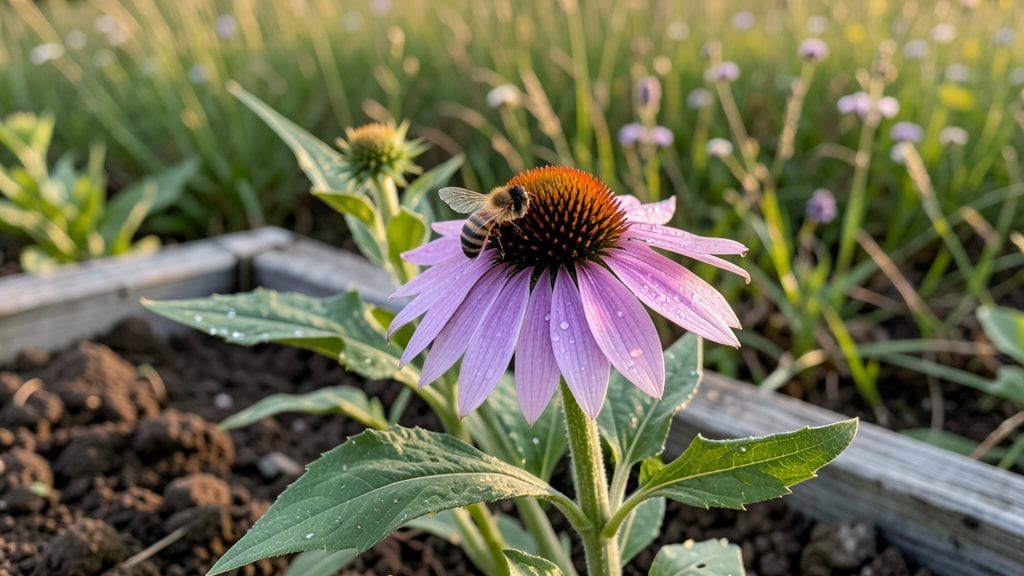
Planting honey bee wildflowers transforms your garden into a buzzing pollinator paradise that even urban spaces can support. 🌼 I learned this firsthand when my tiny city balcony became a magnet for bees after adding just six native species—now neighbors ask how I did it.
The secret lies in choosing flowers that bloom sequentially, provide nectar and pollen, and thrive in your specific climate.
Start with a mix of sun-loving perennials like bee balm and moisture-tolerant annuals such as cosmos. Group them in clusters of three or more to create visual impact while giving bees easy access.
Native varieties like milkweed and goldenrod need minimal care once established, while non-natives like lavender and borage add color and fragrance. The key is diversity—aim for at least three different blooming times from spring through fall.
What you’ll end up with is a garden that hums with activity while looking effortlessly lush. Bees will visit consistently, your vegetables will set fruit more reliably, and you’ll enjoy the satisfaction of supporting local ecosystems.
The best part? These plants pair beautifully with herbs, vegetables, and ornamental flowers, so your pollinator haven doubles as a showstopping landscape feature.
Whether you have a full yard or a windowsill, this approach scales easily. For small spaces, try container-grown wildflowers; for larger areas, create a meadow-style border. The only rule is to avoid pesticides—bees need clean, chemical-free environments to thrive. Ready to turn your garden into a bee-friendly haven?
📚 In This Guide
- What you need
- Instructions
- Tips and common mistakes
- Wrapping up and next steps
What you need
- ● Wildflower seeds: 1–2 lbs of native, bee-friendly wildflower seed mix (e.g., Echinacea, Milkweed, Goldenrod, or Coneflower). Choose varieties suited to your USDA hardiness zone.
- ● Companion plants: 3–5 plants of pollinator favorites like Basil, Marigolds, Sunflowers, or Thyme (per 10 sq ft of garden space).
- ● Potting soil or garden soil: 1–2 cubic yards (for in-ground planting) or 1–2 bags of high-quality potting mix (for containers). Opt for organic, well-draining soil.
- ● Compost or organic fertilizer: 1–2 lbs of compost or a slow-release fertilizer (e.g., fish emulsion or bone meal) to boost soil health.
- ● Watering can or hose with a gentle spray nozzle: For consistent, deep watering (aim for 1–1.5 inches per week).
- ● Garden gloves and kneeling pad: To protect your hands and knees during planting.
- ● Hand trowel or transplanting spade: For digging small holes or moving seedlings.
- ● Garden rake: To loosen soil and create a smooth planting surface.
- ● Mulch (straw or shredded leaves): 1–2 bags to retain moisture and suppress weeds.
- ● Pest deterrents: Neem oil or diatomaceous earth (to protect plants from aphids or mites without harming bees).
- ● Pollinator-friendly markers: Small stakes or labels to identify plants (great for beginners!).
- ● Container garden setup: 5–10 gallon pots with drainage holes (if planting in containers).
How to design a honey bee-friendly wildflower garden
Here’s the method I’ve used to create buzzing pollinator havens in every garden type—from urban balconies to rural fields.
🌱 Step 1: Choose the Right Wildflower Mix for Your Climate
Native wildflowers are the gold standard for honey bees, but not all species thrive in every region. I always start by selecting a pre-mixed wildflower seed blend tailored to my USDA hardiness zone—this ensures the flowers will bloom reliably and support local pollinators. For example, black-eyed Susans and purple coneflowers dominate my Midwestern plots, while California poppies and lupines take center stage in drier climates.
Look for organic, non-GMO seeds—chemical treatments can harm bees and beneficial insects. I avoid hybrid varieties unless they’re specifically labeled as pollinator-friendly, as some hybrids produce sterile blooms. If you’re unsure, check with local nurseries or native plant societies for region-specific recommendations.
☀️ Step 2: Select Sun Exposure and Soil Conditions
Most honey bee wildflowers crave full sun (6+ hours daily), but a few, like blueberries and shade-loving asters, tolerate partial shade. I always assess my garden’s light conditions before planting—south-facing beds get the most sun, while north-facing areas may need shade-tolerant species. Test your spot by observing how sunlight moves across it throughout the day.
Soil matters too. Wildflowers adapt to poor soil but thrive in well-draining, slightly acidic to neutral soil (pH 6.0–7.0). If your soil is heavy clay, I mix in 2–3 inches of compost before planting to improve drainage and fertility. Avoid amending with fresh manure—it can burn delicate wildflower roots.
💧 Step 3: Prepare the Planting Site for Long-Term Success
Wildflowers hate competition, so I clear the area of weeds and grass first. For small gardens, I use a hand tiller to loosen the top 6 inches of soil, while larger plots benefit from a broadfork to aerate without disturbing the soil structure. The goal is to create a loose, crumbly bed where seeds can settle naturally.
I never fertilize wildflower seeds—too much nitrogen promotes leafy growth at the expense of blooms. Instead, I scatter ½ pound of wildflower seed mix per 100 square feet evenly over the prepared soil. Lightly rake the seeds into the top ¼ inch of soil to protect them from birds and wind, but don’t bury them too deep.
⏰ Step 4: Water and Maintain for Continuous Blooms
Keep the soil consistently moist for the first 4–6 weeks after planting—this is critical for germination. I use a soaker hose set to a gentle mist to avoid dislodging seeds. Once seedlings emerge, I reduce watering to 1–2 times per week, letting the soil dry slightly between waterings. Overwatering suffocates roots and invites fungal diseases.
After the first year, wildflowers become self-sustaining, but I still monitor for weeds. I pull invasive species by hand or use a hula hoe to disturb their roots without harming the wildflowers. Deadheading spent blooms encourages continuous flowering, which keeps honey bees fed from early spring to late fall.
🌿 Step 5: Add Companion Plants for Year-Round Pollinator Support
To extend the blooming season, I interplant wildflowers with perennial herbs like lavender, thyme, and oregano—their aromatic blooms attract bees while repelling pests. I also include clover and alfalfa as living mulches; their deep roots prevent erosion and fix nitrogen in the soil, enriching it naturally.
For structure, I add native shrubs like serviceberry or elderberry—their early spring blooms provide nectar when wildflowers are still dormant. Place taller plants at the back of the bed and shorter ones in front to create a layered, bee-friendly landscape that thrives with minimal intervention.
Tips & tricks for perfect honey bee wildflower gardens
Creating a thriving pollinator paradise takes more than just planting seeds—it's about setting up an ecosystem that supports honey bees year-round. Here's what I've learned from years of testing different approaches in my own garden.
Climate-Specific Seed Selection: While the instructions emphasize choosing a pre-mixed wildflower blend for your USDA hardiness zone, I recommend going one step further by checking the bloom times of each species in your mix. For example, in my zone 5 garden, I specifically look for blends that include early bloomers like violets (February-March) and late-season goldenrod (August-October). This ensures continuous nectar sources throughout the growing season. The key is to create a staggered bloom calendar that keeps bees fed from spring through fall.
Soil Preparation Pro Tip: When amending heavy clay soil with compost as suggested in Step 2, I add a handful of gypsum to the mix—it helps break up clay particles without altering soil pH. For sandy soils, incorporate peat moss or coconut coir instead to improve water retention. The goal is to create that ideal loose, crumbly texture mentioned in Step 3, which allows both roots and seeds to establish properly. I test soil drainage by making a small hole, filling it with water, and timing how long it takes to drain—if it's slower than 4 hours, you need better drainage.
Watering Strategy: The 4-6 week moist soil requirement is crucial, but I've found that using mulch after germination (around week 3) helps maintain consistent moisture while preventing weeds. I apply 2-3 inches of straw mulch, leaving a small gap around young seedlings. This mulch layer also helps regulate soil temperature, which is particularly important during those critical first weeks when seedlings are most vulnerable to temperature fluctuations.
Companion Planting Layering: For the companion plants mentioned in Step 5, I create a vertical structure by placing taller shrubs like serviceberry at the back, medium-height perennials like lavender in the middle, and low-growing plants like creeping thyme in the front. This not only creates visual interest but also provides bees with multiple height options for foraging. I also interplant bee balm and bee-friendly grasses throughout—these add texture and extend the flowering season while providing additional pollen sources.
Pro Tips for Honey Bee Wildflower
- Creating a thriving pollinator paradise takes more than just planting seeds—it's about setting up an ecosystem that supports honey bees year-round.
- For example, in my zone 5 garden, I specifically look for blends that include early bloomers like violets (February-March) and late-season goldenrod (August-October).
- Soil Preparation Pro Tip: When amending heavy clay soil with compost as suggested in Step 2, I add a handful of gypsum to the mix—it helps break up clay particles without altering soil pH.
Frequently asked questions
Got questions about creating a buzz-worthy wildflower garden for honey bees? Here are some of the most common ones—and their answers—to help you get started!
What are the easiest wildflowers to grow for honey bees?
Start with bee-friendly superstars like lupine, coneflower, black-eyed Susan, and milkweed. These thrive in most climates, require minimal care, and attract pollinators instantly. For beginners, annuals like cosmos or sunflowers are low-maintenance and fast-growing—perfect for quick results!
When is the best time to plant wildflowers for honey bees?
Plant in early spring (after the last frost) or late summer (for fall blooms). This gives flowers time to establish roots before winter and ensures a continuous nectar supply for bees. Native wildflowers often have specific planting windows—check local guidelines for best timing!
Can I grow honey bee wildflowers in containers or small spaces?
Dwarf varieties like lavender, alyssum, or bachelor’s buttons
thrive in pots, window boxes, or even vertical gardens. Use well-draining soil and place containers in sunny spots. Just ensure they’re at least 6–12 inches deep to support root growth.
Are there any wildflowers I should avoid for honey bees?
Skip invasive species like kudzu or leafy spurge, as they can harm ecosystems. Also avoid double-flowered varieties (e.g., peonies)—their tight petals block bees from accessing nectar. Stick to single-petaled, open-faced blooms for maximum pollinator access!
How do I keep my wildflower garden thriving for bees year-round?
Mix early, mid, and late-season bloomers (e.g., crocus in spring, coneflower in summer, goldenrod in fall). Leave some seed heads for overwintering bees, and avoid pesticides. Mulch lightly to retain moisture, but don’t overdo it—bees need bare soil patches to nest!
Wrapping up and next steps
Creating a honey bee wildflower haven in your garden isn’t just rewarding—it’s a gift to nature! 🌸 By pairing the right companion plants, you’ll support pollinators, boost biodiversity, and enjoy a thriving, low-maintenance space. Whether you’re a seasoned gardener or just starting, every wildflower planted makes a difference.
Ready to take the next step? Start small—pick one or two wildflower varieties and their ideal companions, then expand as you gain confidence. Share your progress or ask questions in gardening communities; the pollinator party is just getting started! 🐝✨