
Flowers
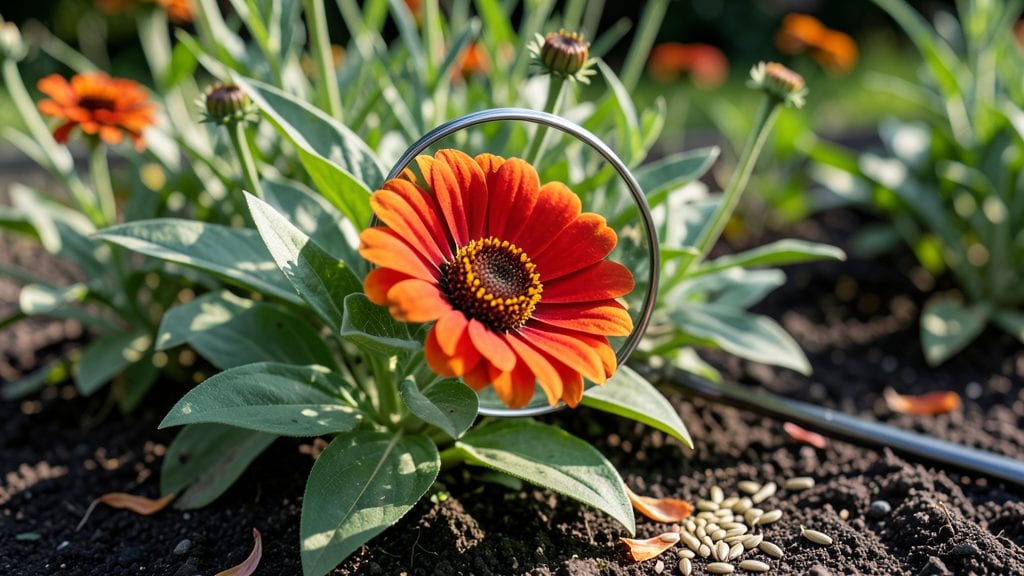
Flowers produce seeds through a hidden dance of pollen and purpose that turns blooms into future plants. 🌸 The process starts with pollinators—bees, butterflies, even wind—carrying pollen from one flower’s stamen to another’s pistil, kickstarting fertilization that transforms petals into seed pods.
My first garden taught me that every vibrant bloom holds the potential for tiny life, waiting for the right timing and conditions to unfold.
This isn’t just biology—it’s the reason heirloom tomatoes yield seeds for next year’s harvest or why your marigolds keep popping up where you didn’t plant them. The key stages are simple: pollination triggers fertilization, which grows into an ovary, and finally, that ovary matures into seeds ready to spread.
Understanding this makes seed-saving easier and helps you spot when flowers are ready for pollination (or need a little help from you).
You’ll recognize the signs: wilting petals, swelling seed pods, and that unmistakable crunch of dry seeds inside. Once you see it, you’ll notice it everywhere—from dandelions to your prize zinnia.
This knowledge turns casual gardeners into intentional growers, able to choose plants for seed production or even experiment with cross-pollination for new varieties.
For practical application, start by observing which flowers in your garden produce the most seeds—then focus on those for saving. A simple notebook to track pollinators and seed development will reveal patterns, like which flowers thrive with bee visits or which need wind for pollination.
The best part? Every seed you save is a free plant for next season, and the cycle begins anew.
📚 In This Guide
- What you need
- Instructions
- Tips and common mistakes
- Wrapping up and next steps
What you need
- ● Fresh flowering plants (2–3 varieties for comparison): Annuals (e.g., marigolds, sunflowers, or zinnias) – Fast-growing and easy to observe.
- ● Perennials (e.g., lavender, coneflowers, or bee balm) – Showcase long-term seed development.
- ● Hand lens or magnifying glass (10x–20x magnification) – For inspecting flower structures up close.
- ● Small paintbrush or cotton swabs (2–3) – Gently transfer pollen for manual pollination.
- ● Petri dishes or clear plastic containers (2–4) – To observe pollen grains or seed development.
- ● Notebook and pencil – Record observations like flower anatomy, pollen transfer, or seed changes.
- ● Spray bottle with water – Keep plants hydrated during experiments.
- ● Camera with macro setting – Capture pollen grains, stigma, or seed formation in detail.
- ● Pollen viewer slide kit – For staining and examining pollen under a microscope.
- ● Grow lights or sunny windowsill – Ensure optimal conditions for seed development.
- ● Seed-starting mix and small pots – Germinate seeds to see the full lifecycle.
- ● Bees or hummingbirds (wild or controlled) – Observe natural pollinators in action!
Step-by-Step guide to understanding flower seed production
Nature's intricate process transforms vibrant blooms into the next generation of plants.
🌱 Step 1: Observe the Flower's Reproductive Anatomy
Every seed-producing flower begins with two critical structures: the stamen (male) and pistil (female). The stamen consists of the anther (pollen producer) and filament (supporting stalk), while the pistil includes the stigma (pollen receptor), style (connecting tube), and ovary (seed factory). These components work together to create the seeds we harvest.
Look closely at the flower's center—you'll notice the stamen's anthers often appear as yellow or orange dusty structures, while the pistil's stigma may look feathery or sticky. This visual distinction helps identify which parts play which roles in reproduction. The ovary at the base of the pistil contains ovules, the tiny precursors to seeds waiting to be fertilized.
💧 Step 2: Track Pollination Methods and Timing
Pollination occurs when pollen travels from the anther to the stigma, and flowers have evolved diverse strategies to ensure this transfer. Wind-pollinated flowers like grasses release vast quantities of lightweight pollen, while insect-pollinated varieties produce nectar or bright colors to attract specific pollinators. Observe your flowers' visitors—bees, butterflies, or hummingbirds all play crucial roles in this process.
Timing matters significantly. Many flowers open their petals only during peak pollinator activity, often in the morning when humidity is lower and temperatures are moderate. The stigma becomes receptive to pollen at specific times, typically when it appears moist or sticky. This precise window explains why some flowers bloom only briefly before closing or wilting.
☀️ Step 3: Witness Fertilization and Ovule Development
Once pollen lands on a compatible stigma, it germinates and grows a pollen tube down the style toward the ovary. This journey can take anywhere from hours to days, depending on the plant species and environmental conditions. The pollen tube delivers sperm cells to fertilize the ovules within the ovary, marking the beginning of seed development.
After fertilization, you'll notice subtle changes in the flower's appearance. The petals may begin to wilt or drop off, while the ovary starts swelling as it transforms into a fruit or seed pod. This process signals the plant's shift from reproductive display to seed maturation. The ovary's walls may harden or develop protective layers to shield the developing seeds.
⏰ Step 4: Monitor Seed Maturation and Dispersal
The final stage involves seed maturation, which typically occurs over 2-8 weeks depending on the plant. During this time, the ovary develops into a seed pod or fruit containing fully formed seeds. Each seed contains an embryonic plant, stored nutrients, and a protective coat. Observe how the seed pod changes color or texture—these visual cues indicate ripening.
Nature has perfected seed dispersal mechanisms. Some pods split open explosively, others develop wings or hooks for wind or animal transport, and a few produce sweet fruits that animals eat and disperse through their droppings. Pay attention to how your specific flowers release their seeds—this knowledge helps in collecting and propagating them effectively.
Tips & tricks for understanding flower seed production
Nature's seed-making process is more fascinating than you might think—here's what I've learned from studying it closely.
Visual Identification: When observing flowers in Step 1, focus on the anthers' color as your first clue—they're often yellow or orange when mature and ready to release pollen. The stigma's texture is equally telling: a moist, sticky surface indicates it's receptive to pollen. I've found that using a magnifying glass reveals these details more clearly, especially in small flowers where the reproductive parts are tightly packed.
Pollination Timing: In Step 2, timing is everything. Many flowers only open their petals during morning hours when humidity is lowest and temperatures are moderate—this creates ideal conditions for pollinators. I've noticed that flowers with vibrant colors or strong fragrances tend to attract specific pollinators, so observe which insects visit your plants. This helps predict when fertilization is most likely to occur.
Fertilization Cues: After pollination in Step 3, watch for subtle changes like wilting petals or swelling ovaries—these visual signals confirm successful fertilization. The pollen tube's journey from stigma to ovary typically takes hours to days, so patience is key. I've documented that some flowers show physical changes within 24 hours, while others take several days to reveal fertilization signs.
Seed Maturation Observation: During the 2-8 week maturation period in Step 4, pay attention to color and texture changes in the seed pod. I've found that pods often darken as they mature, sometimes developing a papery or leathery texture. The moment the pod splits open or fruits become plump is your cue that seeds are ready for collection—don't wait too long, as seeds may disperse naturally once fully mature.
Pro Tips for How Do Flowers Produce Seeds
- Nature's seed-making process is more fascinating than you might think—here's what I've learned from studying it closely.
- Visual Identification: When observing flowers in Step 1, focus on the anthers' color as your first clue—they're often yellow or orange when mature and ready to release pollen.
- Pollination Timing: In Step 2, timing is everything.
Frequently asked questions
Got questions about how flowers turn into seeds? You’re not alone! Here are some of the most common queries—and their answers—to help you understand the magic of pollination and seed production.
How do flowers know when to produce seeds?
Flowers don’t have a "seed timer," but they follow cues like daylight length, temperature, and maturity. For example, annuals (like marigolds) bloom and seed once in a season, while perennials (like lavender) may produce seeds yearly. Once pollinated, the flower’s ovary begins transforming into a fruit or seed pod—nature’s way of timing it just right!
Can I help my flowers produce more seeds?
Hand-pollinate by gently transferring pollen from flower to flower with a paintbrush or cotton swab. For wind-pollinated plants (like corn or grasses), ensure good airflow. Water consistently but avoid over-saturating soil—stress can reduce seed quality. Pro tip: Deadhead spent blooms to redirect energy to seed development!
How long does it take for a flower to turn into a seed?
Timing varies wildly! Some flowers (like tomatoes) form seeds in 2–4 weeks, while others (like orchids) take months or years. Watch for the flower to wilt and a pod or fruit to swell—this signals seed maturation. Patience is key; rushing can lead to poor-quality seeds!
Why aren’t my flowers producing seeds?
Common culprits include:
- Lack of pollinators: Bees, butterflies, or wind may be missing. Try attracting pollinators with native plants or hand-pollinate.
- Improper care: Over/under-watering, poor soil, or extreme temps can stress plants.
- Hybrid varieties: Some flowers (like many roses) are sterile and won’t produce viable seeds.
- Timing: Certain flowers only seed in specific seasons.
Can I grow seeds from store-bought flowers?
It depends! Many hybrid flowers (e.g., impatiens, begonias) won’t produce true-to-type seeds. However, heirloom or open-pollinated varieties (like sunflowers or zinnias) often yield viable seeds. Save seeds from healthy, organic flowers, dry them thoroughly, and store in a cool, dark place for up to 2 years.
Still curious? Dig deeper into the fascinating world of flower reproduction—your garden (and future seedlings!) will thank you!
Wrapping up and next steps
From pollen to petals, flowers are nature’s brilliant seed-makers! 🌸 Whether through wind, insects, or self-pollination, their clever adaptations ensure new life grows. Now that you’ve unlocked the secrets of seed production, why not put your knowledge into action?
🌱 Your Next Step: Grow Your Own!
Plant a flower garden and observe the magic firsthand. Try growing sunflowers or marigolds—they’re easy to pollinate and perfect for beginners. Watch as tiny seeds transform into vibrant blooms, and share the wonder with others!