How To
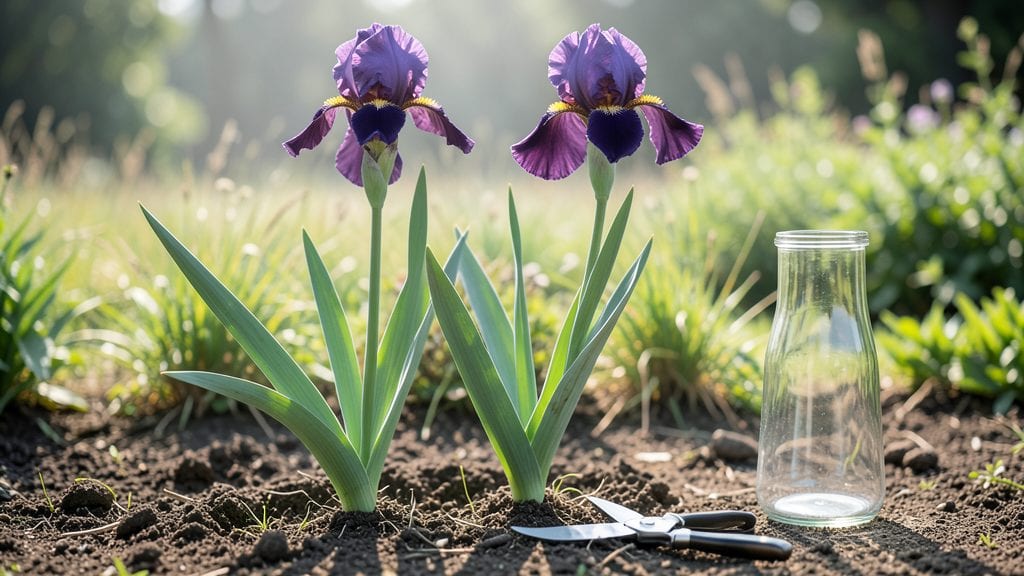
Cutting iris flowers for your vase isn’t just about snipping stems—it’s about preserving their bold, velvety petals for days. ✨ The secret lies in timing, a sharp cut, and a little post-harvest TLC that most gardeners overlook.
I’ve learned the hard way that rushing the process means wilting blooms by lunchtime, but doing it right keeps those dramatic, sword-like blooms fresh for a full week.
Start when the lower petals unfurl but haven’t fully opened—this is their prime moment. Use clean shears or scissors to cut stems at a 45-degree angle, about 3-4 inches from the base, and remove any lower leaves that would sit underwater.
The angle increases water absorption, while stripping leaves prevents bacterial growth that shortens vase life. Most people cut too short, leaving stems too stubby to support the blooms properly.
Once cut, place stems immediately in lukewarm water with a flower preservative (or a pinch of sugar and bleach) to keep them hydrated. Change the water every 2-3 days, and trim stems again at the angle if they start to droop.
Within hours, you’ll see those deep purples, whites, and yellows standing tall—exactly as they did in your garden, just indoors.
This method works for both bearded and Siberian irises, and the same principles apply whether you’re arranging a single dramatic stem or a full bouquet. The key is patience: let those blooms mature fully before cutting, and they’ll reward you with vase life that rivals cut roses.
📚 In This Guide
- What you need
- Instructions
- Tips and common mistakes
- Wrapping up and next steps
What you need
- ● Fresh iris flowers – Choose plump, fully bloomed stems (avoid wilted or drooping flowers). Aim for 6–12 stems depending on your vase size.
- ● Sharp floral shears or pruning scissors – A clean, sterilized pair (alcohol wipe recommended) prevents crushing stems and bacterial buildup.
- ● Clean vase or container – Glass, ceramic, or even a repurposed jar works. Ensure it’s at least 6–8 inches tall for iris stems (they’re tall and dramatic!).
- ● Room-temperature water – 1–2 cups (enough to submerge 1–2 inches of each stem). Avoid cold water to prevent shock.
- ○ Floral preservative (optional but recommended) – A commercial packet (like Flower Food) or a DIY mix of 1 tsp sugar + 2 drops bleach per cup of water extends vase life.
- ● Thicker stems or floral foam – For bulky arrangements or odd-shaped vases.
- ● Decorative pebbles or moss – Adds texture and hides stems in creative vases.
- ● Tweezers – Helpful for placing stems in tight spaces or adjusting foliage.
- ● Newspaper or wet paper towels – Line your workspace to catch water and debris during trimming.
Step-by-step guide for cutting iris flowers for long-lasting bouquets
Here's how to harvest irises for vase life that lasts—without over-trimming or damaging next year's blooms.
✂️ Step 1: Choose the Right Blooms at the Perfect Time
Wait until irises are fully open but still firm to the touch—this is when stems hold their shape longest in water. Look for buds just starting to unfurl; these will open beautifully in your vase. Avoid cutting blooms that are already wilting or have brown edges, as they won't last.
I always harvest in the early morning when stems are full of water and the garden is cool. This ensures the longest vase life. Use sharp, clean pruners or a knife to make clean cuts—never tear stems by hand, as this crushes the vascular bundles that transport water.
✂️ Step 2: Cut Stems at the Correct Angle and Length
Make your cut 4-6 inches below the flower head, angling the blade slightly upward. This creates a larger surface area for water absorption, which keeps stems hydrated longer. Avoid cutting too close to the base—this can damage the rhizome and reduce next year's blooms.
For vase arrangements, aim for stems that are 12-18 inches long after cutting. Shorter stems work for small vases, while longer ones create dramatic centerpieces. Remove any lower leaves that will sit below the waterline in your vase—they'll rot and shorten your bouquet's life.
💧 Step 3: Prep Stems for Maximum Freshness
Immediately after cutting, place stems in a bucket of lukewarm water for 30 minutes to an hour. This rehydrates the stems and helps them drink up water quickly once in your vase. I like to add a splash of floral preservative to this initial water bath—it extends vase life by days.
While stems soak, strip any remaining lower leaves that might fall into the vase. Use your fingers to gently pull them off rather than cutting, which can damage the stem. This step is crucial—leaf debris in water promotes bacterial growth that causes stems to wilt prematurely.
🌿 Step 4: Arrange and Care for Your Iris Bouquet
Fill your vase with cool water (never warm) and add 1 teaspoon of sugar and 1/4 teaspoon of bleach per quart of water to keep stems fresh. Change the water every 2-3 days and trim stems by 1/2 inch each time to encourage new water uptake.
Place your vase in a spot with bright, indirect light—direct sunlight can cause irises to wilt faster. Avoid drafts or heat sources like radiators. With proper care, your iris bouquet should last 7-10 days, often longer if you refresh the water regularly.
Tips & tricks for perfect iris flower stems
Here's what I learned after years of experimenting to keep iris bouquets fresh longer.
Timing Secret: Those 30 minutes to an hour of soaking in lukewarm water are non-negotiable! I've tried skipping it, and the stems wilt noticeably faster. The rehydration step is what gives you that extra 3-4 days of vase life. If you're short on time, at least do the 30-minute minimum—it makes a difference.
Cutting Precision: The 4-6 inch cut below the flower head is crucial, but here's the thing: if your irises have particularly thick stems, you can safely go up to 7 inches without damaging the rhizome. Just avoid cutting too close to the base, which can weaken next year's blooms. I always make a slight upward angle—this creates more surface area for water absorption.
Leaf Removal Technique: When stripping leaves in Step 3, I've found that using your fingers to gently pull them off works better than cutting. The stems are delicate, and any nicks can create entry points for bacteria. Be thorough but gentle—those lower leaves are the main culprits for bacterial growth in your vase water.
Pro Tips for Cut Iris Flowers For Vase
- Here's what I learned after years of experimenting to keep iris bouquets fresh longer.
- Timing Secret: Those 30 minutes to an hour of soaking in lukewarm water are non-negotiable!
- Cutting Precision: The 4-6 inch cut below the flower head is crucial, but here's the thing: if your irises have particularly thick stems, you can safely go up to 7 inches without damaging the rhizome.
Frequently asked questions
Got questions about cutting iris flowers for your vase? You’re not alone! Here are some of the most common queries—plus quick, practical answers to keep your stems fresh and stunning.
How do I know when iris flowers are ready to cut for a vase?
Iris flowers are best cut when their buds are just starting to open—about 20-30% unfurled. This ensures they’ll bloom fully in your vase and lasts longer. Avoid cutting fully open blooms; they’ll wilt faster. Look for firm stems and vibrant petals as your green light!
Should I cut the leaves when trimming iris stems for a vase?
Yes, but only trim the lower leaves that would sit underwater in the vase. Use clean, sharp scissors to snip them at a 45-degree angle, about 2-3 inches below the waterline. This prevents bacterial growth and keeps stems hydrated. Leave the upper leaves intact—they help the flowers absorb water!
How long do cut iris flowers last in a vase, and how can I extend their life?
With proper care, iris flowers can last 7-10 days in a vase. To extend their life:
- Change the water every 2 days to prevent bacteria.
- Add a flower food packet (or a pinch of bleach + sugar) to the water.
- Trim stems by 1 inch every few days to improve water uptake.
- Keep them in a cool spot away from direct sunlight or heat sources.
Can I use iris flowers from my garden that have already started blooming?
If your iris blooms are already partially open, they’ll still work—but expect them to open fully within 24-48 hours in the vase. For longer-lasting results, opt for buds that are just beginning to unfurl. Pro tip: Avoid cutting irises that are past their peak (wilted or drooping petals).
Why are my cut iris stems wilting or dying quickly?
Wilting or short vase life usually stems from one of these issues:
- Bacterial buildup: Dirty water or leaves submerged in water can cause rot. Clean your vase and change water frequently.
- Poor cutting technique: Uneven or jagged cuts block water uptake. Always trim stems at a 45-degree angle with sharp scissors.
- Ethylene gas: Keep irises away from fruits (like apples) or other flowers that release ethylene, which speeds up wilting.
- Overcrowding: Too many stems compete for water. Use 3-5 stems per vase for optimal freshness.
If stems feel mushy or discolored, recut them and place in fresh water immediately!
Wrapping up and next steps
Cutting iris flowers for your vase doesn’t have to be tricky—just follow these simple steps, and you’ll enjoy long-lasting, vibrant blooms that brighten up any space! Remember to trim at the right angle, remove lower leaves, and give them fresh water for the best results.
With a little care, your irises will stay fresh and stunning for days. 🌸
Now that you’re ready to create your perfect bouquet, grab those flowers and get trimming! Experiment with different arrangements, and don’t forget to share your masterpiece with friends or on social media. Happy decorating! ✨