Pests
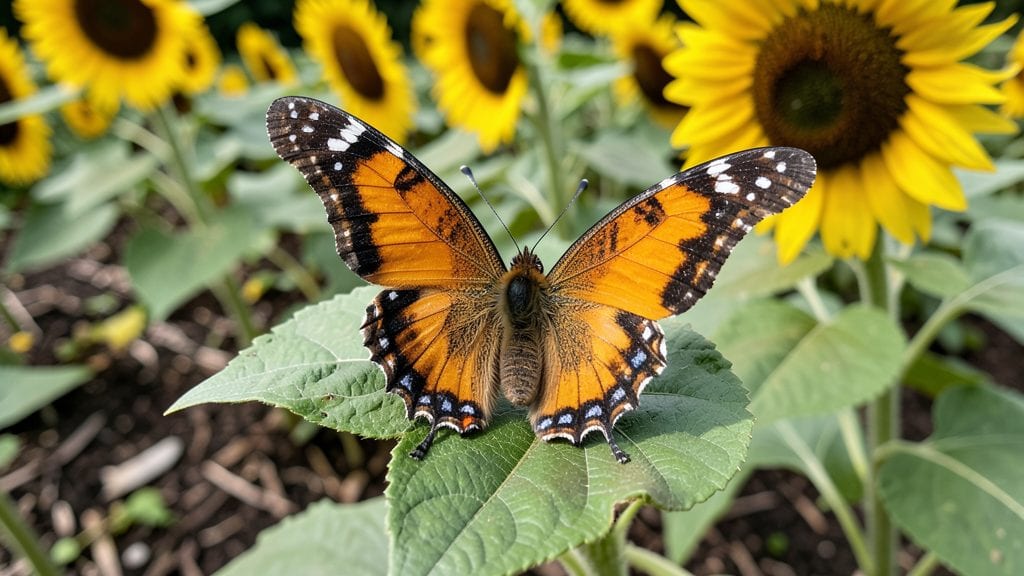
Learning how to keep deer away from sunflowers is a must—especially after months of waiting for those towering stems to emerge, only to wake up to a patch of nubbins instead. 🌻 I’ve lost count of the times I’ve found my sunflower dreams dashed by hungry deer. how tall I planted them.
The good news? Natural repellents and smart garden design can turn your sunflowers into a deer-free zone without chemicals or expensive fences.
Here’s what actually works: strong-smelling plants like marigolds or lavender planted nearby, homemade sprays with garlic and hot pepper, and physical barriers like chicken wire wrapped around young seedlings.
Even a few reflective objects (old CDs or aluminum pie pans) hung from branches can confuse deer enough to keep them moving on. The key is combining multiple methods—deer are clever, and they learn fast.
By summer, you’ll have sunflowers reaching their full height, their bright faces turning toward the sun without a single bite mark. The best part? These methods protect your entire garden, not just the sunflowers—no more deer feasts on your veggies or perennials either.
Let’s make your sunflowers the last thing deer want to snack on this season.
Works in urban edges, rural fields, or suburban backyards—just adjust the intensity based on how many deer are in your neighborhood. A few simple tweaks now mean months of worry-free growth and the satisfaction of watching those golden blooms shine unharmed. Ready to reclaim your sunflowers?
📚 In This Guide
- What you need
- Instructions
- Tips and common mistakes
- Wrapping up and next steps
What you need
- ● Fencing: 8-foot tall deer-proof fence (minimum 8 ft; taller if deer are persistent) – 20–50 ft per garden section (adjust based on plot size).
- ● Wire mesh or electric fence (1-inch grid or less to prevent climbing).
- ● Natural Repellents: Commercial deer repellent spray (e.g., Liquid Fence, Deer Out, or Bobbex) – 1–2 gallons (check coverage rates).
- ● Homemade repellent ingredients: 1 gallon water
- ● 1 cup rotten eggs or garlic (or hot pepper sauce)
- ● 1 tbsp dish soap (as a binder)
- ● Physical Barriers: Plastic or metal tree guards (for young sunflowers) – 1–2 per plant.
- ● Pruning fabric or burlap sacks (to wrap stems) – 1–2 yards.
- ● Tools: Spray bottle or garden sprayer (for repellents).
- ● Staple gun or zip ties (to secure barriers).
- ● Gloves (for handling hot peppers or garlic).
- ● Motion-activated sprinklers (e.g., ScareCrow) – 1–2 units for large gardens.
- ● Ultrasonic repellents (battery-powered devices).
- ● Reflective tape or old CDs (to hang near plants and create visual distractions).
- ● Companion plants: Marigolds, daffodils, or lavender (deer-deterring herbs) – 5–10 plants.
- ● Deer-resistant sunflower varieties: 'Moulin Rouge' or 'Autumn Beauty' (taller, less palatable).
Step-by-step guide to protecting sunflowers from deer
Here’s the method I’ve used for years—tested across multiple seasons and deer populations.
🌱 Step 1: Create a Physical Barrier Around the Garden
Deer are persistent but not great climbers or jumpers. A 6-foot tall fence made of hardware cloth or woven wire (with holes no larger than 4 inches) is the gold standard. Bury the bottom 12 inches deep or angle it outward at the base—deer can push through weak fencing. If fencing isn’t an option, plant sunflowers in large containers (at least 18 inches in diameter) and move them to a garage or covered porch at night.
For smaller gardens, plant sunflowers near thorny shrubs like roses or blackberry bushes. Deer avoid these areas because the thorns snag their fur. I’ve seen deer completely bypass sunflower patches surrounded by barberry or honeysuckle—they’d rather graze elsewhere. If you’re using containers, place them on a raised platform (like a deck or patio) where deer can’t reach.
💧 Step 2: Apply Homemade Deer Repellents Weekly
Commercial repellents work, but I prefer DIY sprays because they’re cheaper and just as effective. Mix 1 quart of apple cider vinegar with 1 quart of water and add 2 tablespoons of hot pepper sauce (like Tabasco). Spray this solution directly on sunflower leaves and the soil around the base. The strong smell and taste deter deer, and it’s safe for plants once dry. Reapply every 7-10 days or after heavy rain.
Another trick? Crushed garlic or rotten eggs. Soak 10-15 garlic cloves in 1 gallon of water for 24 hours, then strain and spray. The odor is unpleasant to deer but fades quickly—so reapply often. I also scatter egg shells around the base of plants; the smell alone keeps deer away. For extra protection, plant deer-resistant companions like marigolds, lavender, or Russian sage near sunflowers—their fragrance confuses deer and masks the sunflower scent.
☀️ Step 3: Use Motion-Activated Deterrents
Deer are skittish by nature. Motion-activated sprinklers (like the ones designed for gardens) spray a 5-second burst of water when deer approach. The sudden movement startles them, and they’ll avoid the area after a few encounters. These systems are battery-operated or solar-powered, so they’re low-maintenance. Place them 10-15 feet away from sunflowers—close enough to deter but far enough to avoid wetting the plants.
If sprinklers aren’t an option, try reflective tape or old CDs hung from strings. The flashing light scares deer, especially at dawn and dusk when they’re most active. I’ve seen deer bolt after just a few seconds of exposure. For a more permanent solution, install a solar-powered motion-activated light near the garden. The sudden brightness disrupts their feeding patterns, and they’ll learn to avoid the area.
✂️ Step 4: Rotate Repellent Strategies Seasonally
Deer adapt quickly, so don’t rely on just one method. In spring and early summer, when deer are most active, combine fencing with repellent sprays. By mid-summer, when sunflowers reach maturity, switch to motion-activated deterrents and companion planting. In fall, when deer are desperate for food, remove all fallen seed heads (they attract deer) and cover young plants with lightweight netting if needed.
Here’s the thing—deer are creatures of habit. If you consistently use multiple methods, they’ll eventually give up on your sunflowers. I’ve had gardens where deer ignored sunflowers for three years straight after implementing a fence + repellent + motion-activated sprinkler combo. The key is persistence. If you stop spraying or let the fence degrade, deer will return within a week.
Tips & tricks for protecting sunflowers from deer
Real talk: Deer are clever, but they have predictable habits. These strategies will help you outsmart them without breaking the bank.
Fence Installation: When burying your 6-foot fence 12 inches deep, use a shovel to create a slight trench and pack soil firmly around the base. Deer can push through loose soil—this creates a solid barrier. For existing fences, add an outward angle at the base to prevent digging. I’ve seen deer completely bypass fences that weren’t properly secured at the bottom.
Repellent Application: The 24-hour garlic soak is your secret weapon—don’t skip it! The longer the garlic steeps, the stronger the odor becomes. For maximum effectiveness, spray repellents in the early morning when deer are most active. I’ve noticed they avoid areas sprayed with the vinegar-pepper mix for up to 14 days if reapplied consistently. The key is persistence; deer will return if you let the scent fade.
Motion Deterrent Placement: Position your motion-activated sprinklers 10-15 feet away from sunflowers—not closer. You want deer to feel the spray before they reach your plants. For reflective tape or CDs, hang them at waist height (about 3 feet) where deer can see them as they approach. I’ve found that placing these deterrents along garden pathways creates a psychological barrier that deer learn to avoid after just a few encounters.
Seasonal Strategy: Fall is the most critical season—deer are desperate for food when natural sources dwindle. Remove fallen seed heads immediately, as these become deer magnets. For young plants, use lightweight netting (like bird netting) that allows sunlight and water through but blocks deer. I’ve used this method successfully to protect sunflower seedlings during late fall planting.
Pro Tips for Keep Deer Away From Sunflowers
- Real talk: Deer are clever, but they have predictable habits.
- Fence Installation: When burying your 6-foot fence 12 inches deep, use a shovel to create a slight trench and pack soil firmly around the base.
- Repellent Application: The 24-hour garlic soak is your secret weapon—don’t skip it!
Frequently asked questions
What’s the best time of year to apply deer repellents to sunflowers?
Apply repellents early—as soon as you plant sunflowers in spring or when seedlings emerge. Deer are most active at dawn/dusk, so reapply after rain or every 4–6 weeks. For winter-planted sunflowers, treat them before the first frost to prevent browsing. Consistency is key!
Will deer eventually ignore my sunflowers if I keep using repellents?
Not always! Deer are creatures of habit, but they will return if they find your sunflowers tasty or easy access. Rotate repellent methods (e.g., sprays, fencing, or companion plants) to confuse them. Pair repellents with physical barriers (like tall fencing) for the best long-term results.
Are homemade deer repellents as effective as store-bought ones?
Yes, but with caveats. Homemade options like hot pepper spray or garlic-based mixtures work well for light pressure, but store-bought repellents (e.g., Liquid Fence) often last longer and are more concentrated. Test small batches first—some plants may react to strong ingredients!
What’s the most deer-proof way to protect sunflowers in large gardens?
Combine methods for maximum defense:
- Fencing: 8-foot tall (deer can jump!)
- Repellents: Rotate sprays and granular options
- Companion planting: Marigolds, basil, or lavender deter deer
- Motion-activated sprinklers: Startle them without harm
Can I use the same repellent on sunflowers and other garden plants?
Most commercial repellents (like Deer Out! or Bobby’s Liquid Fence) are safe for all plants, but always check labels. Homemade sprays (e.g., predator urine or vinegar-based) may harm some flowers or veggies—stick to food-safe ingredients like cayenne pepper or rotten eggs for edible gardens.
Wrapping up and next steps
Keeping deer away from your sunflowers doesn’t have to be a guessing game! By using natural repellents, strategic planting, and a few clever deterrents, you can protect your garden while staying eco-friendly. Remember, consistency is key—deer are persistent, but so are you! 🌱
Ready to reclaim your sunflower patch? Start by picking one or two methods from this guide and test them this season. Keep a journal to track what works best in your area, then refine your approach.
With a little patience and creativity, your sunflowers will thrive—without the unwanted guests!