
Shrubs
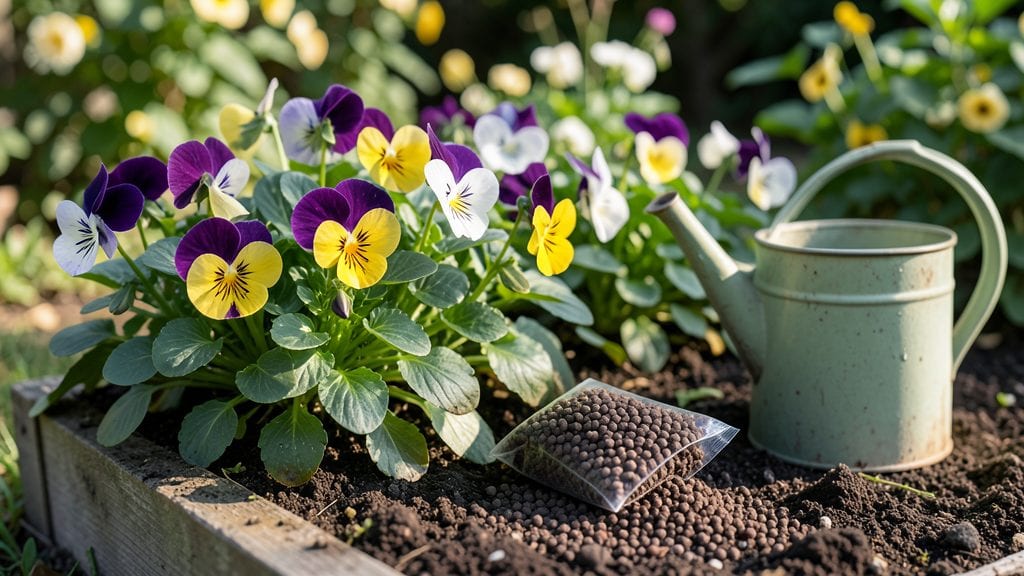
Keeping pansies flowering all season isn’t magic—it’s deadheading and feeding on a schedule. I’ve watched my pansies go from sparse blooms to a riot of color by simply snipping spent flowers and adding the right fertilizer every few weeks. The difference is night and day.
Most gardeners skip deadheading because it feels tedious, but it’s the secret weapon for nonstop blooms. Pair that with a balanced fertilizer every 4-6 weeks, and you’ll encourage new flowers instead of leggy stems. Pansies thrive in partial sun (4-6 hours daily) and consistent moisture—never soggy soil.
By midseason, you’ll have a carpet of blooms that lasts until frost. The key is staying consistent: trim, feed, and water at the base (not overhead). Even my black thumb can’t mess this up once I got the routine down.
Works for garden beds, containers, and window boxes—just adjust fertilizer amounts for smaller pots. Let’s turn those tired pansies into a showstopper before summer’s over.
📚 In This Guide
- What you need
- Instructions
- Tips and common mistakes
- Wrapping up and next steps
What you need
- ● Pansies: Healthy, established plants (choose cold-hardy varieties like Viola × wittrockiana for best results).
- ● Pruning shears or sharp scissors: Sterilized (rubbing alcohol wipe) to prevent disease. Avoid dull tools—clean cuts = happier plants!
- ● Balanced, water-soluble fertilizer: 10-10-10 or 20-20-20 NPK ratio (e.g., Miracle-Gro All Purpose). 1 tbsp per 1 gallon of water for feeding.
- ● Watering can or hose with a gentle spray nozzle: Early morning watering (6–8 AM) is ideal to avoid fungal issues.
- ○ Gloves (optional but recommended): Protects hands from soil and thorns on some varieties.
- ● Slow-release granular fertilizer: Sprinkle around the base (follow package rates) for low-maintenance nutrient release.
- ● Mulch (straw or shredded bark): 1–2 inches thick to retain moisture and suppress weeds.
- ● Epsom salt (magnesium sulfate): 1 tbsp per gallon of water monthly for extra blooms (great for leggy or pale pansies).
- ● Plant support (cage or stakes): If pansies flop in heat or rain.
- ● pH test kit: Ideal soil pH for pansies is 6.0–7.0; adjust with lime or sulfur if needed.
Step-by-Step guide for extending pansy bloom season
Here’s how to turn those vibrant spring blooms into a summer-long display.
Master the Art of Deadheading
Pansies thrive on consistent deadheading—removing spent blooms prevents seed formation and redirects energy into new flowers. Use sharp pruners or your fingers to pinch off faded blossoms at the base, just above the first set of leaves. This ensures clean cuts that won’t invite disease. I like to do this in the early morning when dew is still present; the stems are easier to grip, and the plants are less stressed from heat.
Don’t skip this step—even a single missed bloom can turn into a seed pod, draining nutrients that could grow another flower. Watch for buds forming along the stems; these are your next targets. If you see a stem with multiple buds, leave the topmost one and remove the rest to encourage stronger blooms.
Feed with the Right Fertilizer Schedule
Pansies are heavy feeders, especially when you’re pushing them to bloom continuously. Use a balanced, water-soluble fertilizer (like 10-10-10) every 2-3 weeks during the growing season. Dilute it to half-strength to avoid burning roots—pansies are sensitive to salt buildup from concentrated fertilizers. Apply in the morning so the foliage has time to dry before evening, reducing fungal risks.
Here’s the trick: alternate between a balanced fertilizer and one higher in phosphorus (like 5-10-5) to boost flowering. You’ll notice buds forming faster and stems staying sturdier. Avoid high-nitrogen fertilizers—they’ll give you lush leaves but few flowers. If your pansies start looking leggy, cut back on nitrogen immediately.
Manage Light and Water for Longevity
Pansies love full sun to partial shade, but in hot climates, afternoon shade prevents wilting. If your plants start drooping by midday, they’re getting too much sun. Move them to a spot with 4-6 hours of morning sun and dappled shade the rest of the day. Mulch with 1-2 inches of organic mulch (like shredded bark) to keep roots cool and retain moisture.
Water consistently—1 inch per week—but avoid wetting the leaves to prevent fungal diseases. I water at the base in the early morning, letting the soil dry slightly between waterings. Overwatering is the fastest way to turn pansies into a sad, leggy mess. Check the soil 1 inch down; if it’s dry, it’s time to water.
Prevent Pests and Diseases Proactively
Pansies attract aphids and earwigs, which can defoliate plants quickly. Spray with neem oil (mixed at 1 tablespoon per quart of water) every 7-10 days as a preventative. Early intervention is key—once pests take hold, you’ll be playing catch-up. I also remove any yellowing or spotted leaves immediately, as they’re entry points for disease.
If you notice powdery mildew (white, dusty patches on leaves), increase airflow by spacing plants 8-12 inches apart and avoid overhead watering. A light application of baking soda spray (1 teaspoon baking soda + 1 quart water + a drop of dish soap) can save struggling plants. Don’t let pansies get crowded—they need room to breathe and circulate air.
Refresh with Mid-Season Pruning
By mid-summer, pansies often look tired from continuous blooming. Give them a light trim by cutting back one-third of the oldest stems to encourage new growth. This isn’t harsh pruning—think of it as a haircut to shape and rejuvenate. Use clean pruners and make cuts just above a leaf node to promote branching.
After pruning, hold off on fertilizing for 5-7 days to let the plants recover. You’ll see fresh foliage and new buds forming within 2 weeks. This is the secret to a second flush of blooms. If your pansies are in containers, consider repotting them into fresh potting mix to refresh nutrients and drainage.
Tips & tricks for extending pansy bloom season
These garden-smart strategies will help you coax those cheerful pansies into blooming well beyond their usual spring window.
Timing for Deadheading: In Step 1, when you're removing spent blooms, focus on consistency rather than frequency. I've found that deadheading every 2-3 days during peak bloom season (spring to early summer) prevents seed formation while keeping energy flowing to new buds. The key is to work in the morning when stems are still turgid—this makes pinching off blossoms cleaner and reduces stress on the plant. If you're dealing with a heavy bloom load, consider dedicating just 10 minutes daily to this task rather than waiting until blooms are fully faded.
Fertilizer Application Technique: When following the 2-3 week schedule in Step 2, apply fertilizer only to the soil—not the leaves. This prevents foliar burn and ensures roots absorb nutrients efficiently. I've noticed that pansies respond best when fertilizer is applied after watering, which helps distribute nutrients evenly through the root zone. For container-grown pansies, mix the diluted fertilizer directly into the watering can for more consistent results. The morning application timing mentioned in the instructions is crucial—it allows foliage to dry before evening, reducing fungal risks that can stress your plants.
Light Management for Hot Climates: For the 4-6 hours of morning sun recommendation in Step 3, consider using shade cloth (30-50% coverage) during the hottest afternoon hours if your pansies start wilting. I've had success with lightweight shade cloth that allows filtered light while preventing leaf scorch. Another trick is to plant taller, heat-tolerant companions like marigolds nearby—they provide natural shade at the base while adding pollinator benefits. When using mulch, opt for 2 inches of straw rather than bark, as straw breaks down more slowly and retains moisture better in containers.
Pest Prevention Strategy: The 7-10 day neem oil schedule in Step 4 works best when combined with companion planting. I've found that interplanting pansies with garlic or chives (if your garden setup allows) naturally deters aphids without chemicals. For container gardens, rotate pots every 2 weeks to disrupt pest life cycles. When applying neem oil, always spray the undersides of leaves where aphids hide—this is where most infestations start. The baking soda spray mentioned for powdery mildew should be applied in the evening when humidity is lower, giving the foliage time to dry overnight.
Pro Tips for Keep Pansies Flowering
- These garden-smart strategies will help you coax those cheerful pansies into blooming well beyond their usual spring window.
- Timing for Deadheading: In Step 1, when you're removing spent blooms, focus on consistency rather than frequency.
- Fertilizer Application Technique: When following the 2-3 week schedule in Step 2, apply fertilizer only to the soil—not the leaves.
Frequently asked questions
Got questions about keeping your pansies blooming like crazy? You’re not alone! Here are some of the most common concerns—and expert answers—to help you maintain that vibrant, flower-filled display all season long.
Why do my pansies stop flowering after a few weeks?
Pansies often slow down blooming if they’re not deadheaded (removing spent flowers) or if they’re overcrowded. Without regular upkeep, they’ll redirect energy toward seed production instead of new blooms. Pro tip: Snip off faded flowers daily (or at least weekly) to encourage nonstop color!
How often should I fertilize pansies for continuous blooms?
Feed pansies every 3–4 weeks with a balanced, water-soluble fertilizer (like 10-10-10) during their active growing season (spring through fall). Switch to a low-nitrogen, high-phosphorus formula (5-10-5) in late summer to boost flower production. Over-fertilizing with nitrogen leads to lush leaves but fewer blooms—so read those labels!
Can pansies bloom in hot summer weather?
Pansies are cool-season lovers and may bolt (send up seed stalks) or go dormant in extreme heat (above 80°F/27°C). Solution: Provide afternoon shade, mulch to keep roots cool, and water deeply at the base. For year-round blooms, plant Violas (pansy cousins) in summer—they handle heat better!
What’s the best way to revive leggy or sparse pansies?
Leggy or sparse pansies often need a pruning refresh. Trim back tall, bare stems by ⅓ to encourage bushier growth and more blooms. Bonus: Pinch off new buds if they’re crowded—this forces the plant to produce larger, showier flowers later. Pair this with a light fertilizer dose for a quick rebound!
Are there any alternatives to deadheading pansies?
If deadheading feels tedious, try these tricks: 1) Let a few spent blooms stay on (they’ll self-seed for next year!). 2) Use flower pickers (like shears or scissors) for quick snips. 3) Plant self-cleaning pansy varieties (like ‘Matrix’ or ‘Cool Wave’) that shed old blooms on their own. Less work, same wow!
Wrapping up and next steps
Keeping your pansies in full bloom is easier than you think—just deadhead spent blooms regularly and feed them with the right nutrients! With a little care, your garden will burst with nonstop color all season long. 🌸
Ready to level up your gardening game? Start by grabbing your pruners and a balanced fertilizer, then put these tips into action. Your pansies—and your neighbors—will thank you!
Next step: Pick a sunny weekend to tend to your flowers, and enjoy the beautiful results! 🌿