
How To
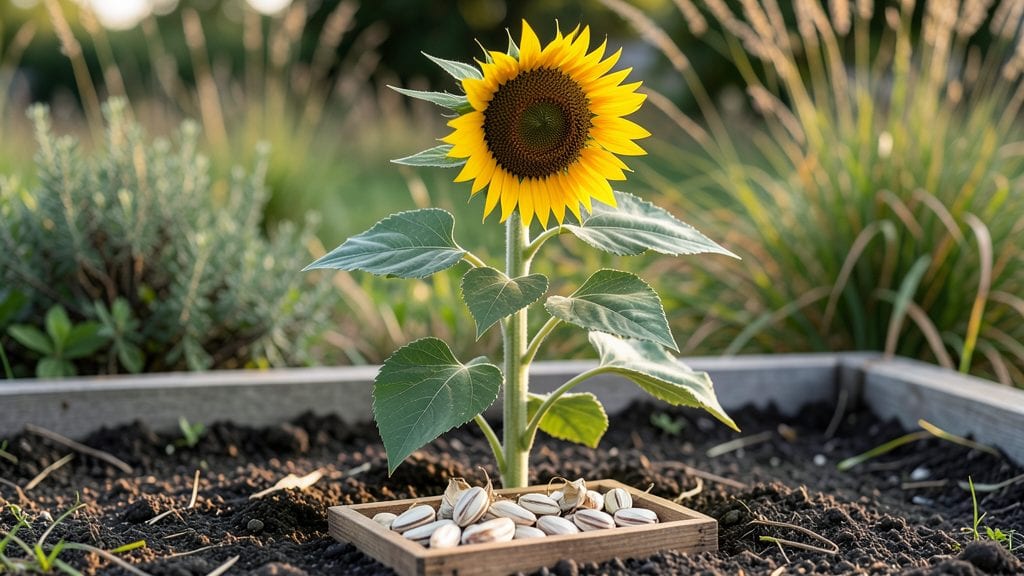
Growing sunflowers from seed is the fastest way to turn your garden into a towering, cheerful display—some varieties sprout in just 3-5 days. 🌱 I’ve watched my own sunflower seeds crack the soil within a week, their bright green leaves unfurling like nature’s own pop-up show.
The key isn’t just patience; it’s knowing exactly when to plant, how deep to tuck those seeds, and what tricks keep them thriving until those massive blooms appear.
You’ll need a sunny spot with at least 6-8 hours of light daily, loose soil mixed with compost, and a watering can (or hose) ready for consistent moisture. Sunflowers are forgiving, but they hate soggy soil—think of them like thirsty giants who need deep drinks, not puddles.
The right spacing (12-24 inches apart) gives their roots room to stretch, so they don’t compete for nutrients like overcrowded siblings.
By mid-summer, you’ll be harvesting those golden faces, each one a sun-catching masterpiece that attracts pollinators and lifts spirits. The stems are sturdy enough for bouquets, and the seeds?
Crunchy, nutritious snacks straight from your garden. Even if pests or slow growth frustrate you, sunflowers bounce back—just like they’ve been doing for centuries.
This method works for all sunflower types, from tiny ‘Teddy Bear’ varieties to 12-foot giants. Whether you’re growing in containers or a full garden bed, the same rules apply—just adjust spacing. Let’s get those seeds in the ground and watch them grow!
📚 In This Guide
- What you need
- Instructions
- Tips and common mistakes
- Wrapping up and next steps
What you need
- ● Sunflower seeds: Choose heirloom or hybrid varieties (e.g., 'Mammoth,' 'Autumn Beauty,' or 'Teddy Bear'). Buy 10–50 seeds depending on your garden size.
- ● Well-draining potting soil: A 5–10 lb bag of organic potting mix (or garden soil amended with compost).
- ● Containers or garden bed: For indoors/early starts: 3–4 inch deep pots (1–2 per seed).
- ● For direct outdoor planting: A sunny spot with 6+ inches of loose soil (sunflowers have deep roots!).
- ● Watering can or hose: With a gentle spray nozzle to avoid disturbing seeds.
- ○ Fertilizer (optional but helpful): Balanced 10-10-10 or 5-10-10 (1 tbsp per plant at planting).
- ● Compost or worm castings (½ cup per plant for organic nourishment).
- ● Plant markers: To label varieties (e.g., popsicle sticks + paint).
- ● Egg cartons or seed trays: For organized indoor seed starting.
- ● Mulch (straw or wood chips): To retain moisture and suppress weeds.
- ● Trellis or stakes: For tall varieties (e.g., 'Russian Giant') to prevent flopping.
- ● Bird netting: To protect blooms from hungry critters!
Step-by-step instructions for planting sunflower seeds
Sunflowers grow fast when you start them right—here’s how to get those towering blooms in the ground.
🌱 Step 1: Choose the Right Spot and Prep the Soil
Sunflowers thrive in full sun, so pick a location that gets at least 6-8 hours of direct sunlight daily. I always test the spot by placing a ruler in the shade at noon—if the shadow is shorter than 6 inches, it’s perfect. Avoid low-lying areas where cold air settles, as sunflowers are frost-sensitive once sprouted.
Loosen the soil to a depth of 12 inches with a garden fork or tiller. Sunflowers have deep taproots, so breaking up compacted soil early prevents stunted growth later. Mix in a handful of balanced fertilizer (10-10-10) per square foot to give them a nutrient boost. If your soil is sandy, add a layer of compost to help retain moisture.
🌱 Step 2: Plant Seeds at the Correct Depth and Spacing
Sunflower seeds are large and easy to handle—plant them 1 inch deep and 6 inches apart in rows spaced 2 feet apart. Dig a hole with your finger, place one seed in, and cover it lightly. Press the soil gently around the seed to ensure good contact, but don’t pack it down too firmly. Overcrowding leads to weak stems and fewer blooms, so resist the urge to squeeze in extra seeds.
If you’re sowing multiple rows, stagger the seeds in a grid pattern. This creates a natural windbreak and prevents the plants from leaning into each other as they grow. Water the soil thoroughly after planting to settle it around the seeds, but avoid soaking the area—sunflowers rot just as easily as they wilt.
☀️ Step 3: Water and Monitor for Sprouts
Keep the soil consistently moist but not soggy until the seeds germinate, which typically takes 7-14 days depending on temperature. You’ll know it’s time to water when the top inch of soil feels dry to the touch. Use a gentle spray or drip irrigation to avoid dislodging the seeds. Once sprouts appear, switch to deep watering—sunflowers develop deep roots early and need regular hydration.
Thin seedlings to 12-18 inches apart once they reach 4 inches tall. This might seem harsh, but crowded sunflowers produce smaller blooms. Snip the extra plants at the base with scissors and compost them—no need to pull them, which can disturb the roots of the remaining seedlings. Watch for the first true leaves (the second set after the initial seed leaves) to appear; this confirms healthy growth.
🌿 Step 4: Fertilize and Support for Maximum Height
When seedlings are 6 inches tall, apply a low-nitrogen fertilizer (5-10-10) to encourage strong stem and flower development. Too much nitrogen makes plants grow leafy but weak, while phosphorus and potassium promote blooming. Side-dress the plants with a handful of fertilizer per plant, then water deeply to help it absorb.
Tall sunflower varieties may need staking or a cage to prevent toppling in wind or rain. I use bamboo stakes tied loosely with soft twine—tight knots can damage the stems as they grow. Check the stakes every few weeks and adjust as the plants grow taller. Sunflowers grow surprisingly fast, so don’t be surprised if they reach 6 feet in just 60 days.
✂️ Step 5: Deadhead and Extend the Blooming Season
Once a sunflower blooms, cut the spent flower head off at the base with clean shears. This redirects the plant’s energy into producing a second (or even third) bloom. I always leave the lower leaves intact—they photosynthesize and keep the plant strong. Deadheading also prevents the plant from going to seed too early, which can shorten its lifespan.
Harvest seeds when the back of the flower head turns yellow and the seeds rattle inside. Cut the head off, hang it upside down in a dry, dark place, and let the seeds dry completely before storing them. If you’re growing sunflowers for cut flowers, harvest them when the petals are fully open but still vibrant—this ensures the longest vase life.
Tips & tricks for growing sunflowers like a pro
Sunflowers reward patience with dramatic results—here’s how to skip the common pitfalls and get those towering blooms faster.
Sunlight Secret: That 6-8 hours of sunlight isn’t just about duration—it’s about intensity. If your garden spot gets morning sun but afternoon shade, consider moving your sunflowers closer to the center of the yard where they’ll catch the strongest midday rays. I’ve seen plants in partial shade grow 2 feet shorter than identical varieties in full sun—it’s a dramatic difference.
Soil Prep Game-Changer: The 12-inch deep loosening might seem excessive, but trust me—sunflowers develop taproots that can grow 3-4 feet long. If your soil is particularly compacted (like clay or old lawn areas), rent a post-hole digger for the first 6 inches to break up the worst of it. This one-time effort prevents years of stunted growth and weak stems.
Watering Wisdom: Those 7-14 days until germination are critical—don’t let the soil dry out completely, but don’t drown them either. I use a spray bottle for the first few days after planting to keep seeds moist without disturbing them. Once sprouts appear, switch to deep watering at the base (not overhead) to encourage those deep roots to develop properly. The key is consistency: sunflowers hate dry spells but also can’t tolerate soggy soil.
Thinning Technique: When you thin seedlings to 12-18 inches apart at 4 inches tall, don’t just pull them—snip at the base with clean scissors. This prevents disturbing the roots of your remaining plants. I also recommend thinning on a cloudy day; the plants handle the stress better when they’re not battling intense sunlight. The extra space gives your sunflowers room to develop strong stems that can support those massive blooms.
Pro Tips for Make A Sunflower
- Sunflowers reward patience with dramatic results—here’s how to skip the common pitfalls and get those towering blooms faster.
- Sunlight Secret: That 6-8 hours of sunlight isn’t just about duration—it’s about intensity.
- Soil Prep Game-Changer: The 12-inch deep loosening might seem excessive, but trust me—sunflowers develop taproots that can grow 3-4 feet long.
Frequently asked questions
Got questions about growing sunflowers? You’re not alone! Here are answers to the most common queries to help you cultivate these cheerful giants with confidence.
How long does it take for sunflower seeds to germinate?
Sunflower seeds typically sprout within 7–14 days after planting, depending on soil temperature and moisture. Keep the soil consistently moist (but not soggy) and warm—ideally 70–75°F (21–24°C)—to speed up germination. Patience pays off, as these seeds are fast but not instant!
Can I grow sunflowers in containers or pots?
Dwarf varieties like ‘Teddy Bear’ or ‘Moulin Rouge’ thrive in containers as small as 5–10 gallons. Use well-draining soil, place the pot in full sun, and ensure it has support stakes for taller types. Just avoid overcrowding—sunflowers need room to stretch their roots!
When is the best time to plant sunflower seeds?
Sunflowers love warmth, so plant them after the last frost when soil temps hit 50°F (10°C) or higher. In most climates, this means late spring to early summer. For longer growing seasons, start seeds indoors 4–6 weeks before transplanting.
What should I do if my sunflower leaves turn yellow?
Yellowing leaves often signal overwatering or nutrient deficiencies. Check the soil—it should stay moist but not waterlogged. If leaves are pale, fertilize with a balanced 10-10-10 mix. Pests like aphids can also cause stress; spray with soapy water if needed.
Can I grow sunflowers from store-bought seeds?
Yes! Save seeds from organic, non-hybrid sunflowers for next year’s garden. Let the flower heads dry completely on the plant, then rub out seeds and store them in a cool, dry place. Avoid seeds from treated or hybrid varieties—they may not grow true to type.
Wrapping up and next steps
Growing sunflowers is a rewarding journey that brings color, joy, and even delicious seeds to your garden! With the right soil, sunlight, and patience, you’ll soon be watching these cheerful giants bloom—perfect for beginners and seasoned gardeners alike. 🌻✨
Now that you’re armed with tips and tricks, why not plant a few seeds today? Start small with a single pot or go all out with a sunflower patch. Every seed you sow is a step toward brighter days and a thriving garden. Happy growing!