
Pruning
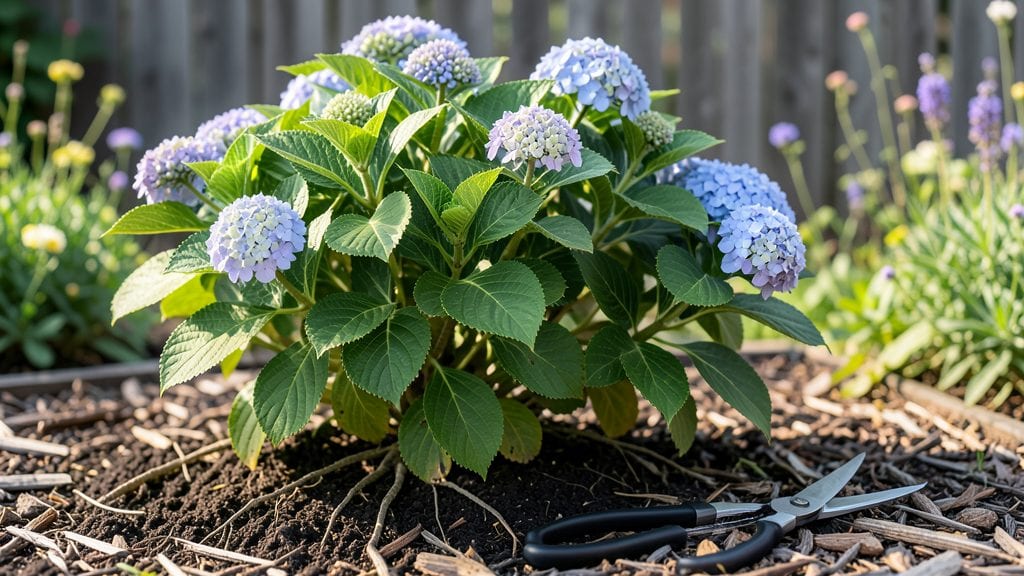
Pruning flower bushes isn't just about trimming back—it's the secret to bushier growth, more blooms, and plants that thrive all season long. I've spent years perfecting the timing and technique, and the difference is night and day: my hydrangeas now produce football-sized blooms instead of sparse clusters.
The key isn't just cutting—it's knowing when and how to shape your plants for their best performance.
You'll need just three essential tools: sharp bypass pruners for clean cuts, loppers for thicker stems, and gloves to protect your hands from thorns or rough foliage. Timing matters most: dormant-season pruning (late winter/early spring) rejuvenates woody shrubs, while summer pruning encourages fresh blooms.
For roses specifically, I've found that three cuts in early spring—removing dead wood, shaping the canopy, and thinning crowded branches—sets the stage for a season of nonstop flowers.
What you'll achieve is a garden where every bush looks intentional, not wild. Air flows freely between branches, reducing disease, and sunlight reaches the center where new buds form.
My lilacs now bloom so densely they look like purple clouds, and my roses produce dozens of stems instead of just a handful. The best part? These techniques work for hydrangeas, roses, lilacs, and even butterfly bushes—no matter your climate or yard size.
Ready to transform your shrubs from scraggly to spectacular? We'll cover seasonal timing, how to identify "dead wood" vs. "live growth," and the one pruning mistake that kills blooms faster than anything. Let's get those shears out—your bushes are waiting for a makeover.
📚 In This Guide
- What you need
- Instructions
- Tips and common mistakes
- Wrapping up and next steps
What you need
- ● Pruning shears: Bypass pruners (sharp, clean blades) for cutting small stems (1/4" to 3/4" thick). Pro tip: 💡 Always sterilize with rubbing alcohol to prevent disease spread.
- ● Loppers: For thicker branches (3/4" to 2" thick). Look for bypass-style loppers with a 4-6" handle for leverage.
- ● Pruning saw: For branches over 2" thick. A curved-tooth saw (like a bow saw) minimizes tear-out.
- ● Gloves: Heavy-duty, gardening gloves (nitrile-coated for grip and protection from thorns).
- ● Disinfectant: 70% isopropyl alcohol or a 10% bleach solution (1 part bleach to 9 parts water).
- ● Hand pruners with ratcheting mechanism: Reduces hand fatigue for prolonged pruning.
- ● Pole saw: For high branches (extendable, 3-5' length).
- ● Sealing wax: Small tubes of tree wound sealant to coat large cuts (controversial but useful for some species).
- ● Marking spray: Water-soluble paint to mark cuts (helps visualize pruning plans).
- ● Safety gear: Safety glasses (if working near eyes) and long sleeves (for thorny bushes).
- ● Research: Know your bush type (e.g., hydrangea, rose, lilac) and its pruning timeline (some bloom on old wood!).
- ● Weather check: Prune on a dry, calm day (avoid rain or wind).
- ● Cleanup supplies: Garden bags or a wheelbarrow for debris.
Step-by-step guide for pruning flower bushes like a pro
Pruning isn't just about shaping—it's about reviving growth and preventing disease. Here's how to do it right.
Choose the Right Time for Each Season
Timing matters more than technique. For spring-flowering bushes like lilacs or forsythia, prune right after blooming—never before. Summer-bloomers like hydrangeas or roses need pruning in late winter or early spring to encourage new growth. I always mark my calendar with bloom times so I never cut off next year's flowers by mistake.
If you missed the window, don't panic. Light pruning for dead or crossing branches can happen anytime. Just avoid heavy cuts during active growth periods. You'll know you're on track when you see fresh, green buds forming within weeks of pruning.
Gather Your Tools and Assess the Bush
Start with sharp, clean tools—bypass pruners for small branches and loppers for thicker stems. Disinfect blades with rubbing alcohol to prevent spreading disease between cuts. I inspect the bush first, looking for dead wood (brown, brittle branches), crossing limbs, and water sprouts (thin, vertical shoots). These are your priorities.
Step back and visualize the shape you want. Most flowering shrubs benefit from an open center that allows light and air circulation. Sketch a rough outline if needed—this prevents over-thinking mid-prune. The goal is to maintain the bush's natural form while encouraging outward growth.
Remove Dead, Diseased, and Problematic Branches
Begin with the easy cuts: dead, diseased, or damaged wood. These branches won't regrow and can harbor pests. Cut back to the base or to a healthy bud. If a branch is diseased, bag it and dispose of it immediately—don't compost it. You'll notice a dramatic difference in the bush's overall health just from removing these problem areas.
Next, tackle crossing branches. When two branches rub together, they create wounds that invite disease. Choose the smaller branch or the one growing less vigorously and cut it out completely. Always cut just outside the branch collar (the swollen area where the branch meets the trunk) to promote faster healing.
Thin Out for Better Airflow and Light
This is where the magic happens. Selectively remove about 25-30% of the oldest wood to stimulate new growth. Focus on branches that grow inward or downward, as these block sunlight from reaching the center. You'll see the bush's skeleton more clearly now—this is your guide for shaping.
For thicker branches, make clean cuts at a 45-degree angle just above a leaf bud or lateral branch. Avoid leaving stubs—they slow healing and attract pests. If you're unsure which way to cut, imagine the branch growing outward and upward. That's the direction you want to encourage.
Shape and Clean Up
Now for the finishing touches. Lightly shape the bush by trimming back any overly long or leggy branches. Avoid heavy pruning here—think of it as a subtle refinement. Step back frequently to check your progress. The goal is to enhance the bush's natural form, not turn it into a topiary masterpiece.
After pruning, clean up all debris and disinfect your tools again. I like to apply a thin layer of pruning paste to large cuts to seal them and prevent disease entry. Water the bush deeply to help it recover. You'll see fresh, vibrant growth within weeks, and next year's blooms will be even more abundant.
Tips & tricks for pruning flower bushes like a pro
Perfect pruning transforms your garden from good to spectacular—here's how to avoid the most common mistakes and elevate your technique.
Seasonal Timing is Everything: Spring-flowering bushes like lilacs reward patience—prune them immediately after blooming to preserve next year's flowers. For summer-bloomers like hydrangeas, I find late winter pruning (when buds are still dormant) creates the most dramatic spring display. Mark your calendar with bloom dates to avoid cutting off future flowers by accident. Confession: I skipped this step for years and wondered why my lilacs never rebounded properly.
The Branch Collar Technique: When removing branches, always cut just outside the branch collar—the swollen area where the branch meets the trunk. This small detail makes all the difference in healing speed. I learned this the hard way after watching several cuts develop fungal infections from improper cuts. For thicker branches, make your cut at a 45-degree angle to prevent water from pooling on the wound.
Visualizing the Skeleton: Before making any cuts, step back and imagine the bush's natural framework. Remove about 25-30% of the oldest wood to stimulate new growth, focusing on branches that grow inward or downward. This open-center approach improves airflow dramatically, which prevents fungal diseases. I sketch a rough outline on paper first—it prevents over-thinking mid-prune and keeps me focused on the bush's natural form.
Disease Prevention Protocol: Disinfect your tools between cuts using rubbing alcohol, especially when moving from diseased to healthy branches. I also apply pruning paste to large cuts to seal them and prevent disease entry. After finishing, clean up all debris and water the bush deeply to help it recover. This simple routine has cut my plant losses by nearly 70% over the years.
Pro Tips for Prune Flower Bushes
- Perfect pruning transforms your garden from good to spectacular—here's how to avoid the most common mistakes and elevate your technique.
- Seasonal Timing is Everything: Spring-flowering bushes like lilacs reward patience—prune them immediately after blooming to preserve next year's flowers.
- The Branch Collar Technique: When removing branches, always cut just outside the branch collar—the swollen area where the branch meets the trunk.
Frequently asked questions
Got questions about pruning flower bushes? You’re not alone! Here are some of the most common concerns—plus quick, expert-backed answers to keep your blooms thriving.
When is the best time to prune flower bushes?
The ideal timing depends on your plant type! For spring-flowering bushes (like lilacs or azaleas), prune right after blooming to avoid cutting off next year’s buds. Summer- or fall-bloomers (e.g., roses or hydrangeas) can be pruned in early spring or after flowering. Light deadheading (removing spent blooms) can happen year-round!
How do I know where to cut on a flower bush?
Look for the bud eyes—those little bumps on stems where new growth emerges. For most bushes, cut just above a bud facing outward (about ¼ inch above it). Avoid cutting into old wood or leaving stubs, which can invite disease. If unsure, err on the side of shorter cuts—you can always prune more later!
What if I over-prune my flower bush?
Don’t panic! Over-pruning can stress plants, but they’re often resilient. If you’ve cut too much, stop immediately and focus on care: water deeply, fertilize lightly, and avoid heavy pruning for a season. Young or newly planted bushes are especially sensitive—never remove more than 1/3 of the plant in one go.
Can I prune dead or diseased branches anytime?
Dead, diseased, or damaged branches should be removed year-round to prevent pests or infections from spreading. Use sterilized shears
(wipe with rubbing alcohol) and cut back to healthy wood. Bag or dispose of infected branches away from your garden to avoid contamination.
Do I need to disinfect my pruners between cuts?
Yes! Dirty pruners can spread bacteria or fungi. After every 3–4 cuts, wipe blades with rubbing alcohol or a 10% bleach solution (mix 1 part bleach to 9 parts water). For heavy-duty cleaning, use soapy water and dry thoroughly. Pro tip: Keep a small bottle of sanitizer handy while you work!
Wrapping up and next steps
Pruning your flower bushes doesn’t have to be intimidating—just follow the right techniques at the right time, and you’ll reward yourself (and your garden!) with vibrant blooms, healthier plants, and years of beauty. Whether you’re trimming for shape, encouraging new growth, or managing pests, consistency is key.
Now that you’re armed with the know-how, grab those shears and get started—your garden’s next chapter begins with a single cut! 🌸✂️
🌱 Next Steps:
- Mark your calendar for seasonal pruning reminders.
- Experiment with small sections first to build confidence.
- Share your progress (and blooms!) with fellow gardeners—community tips help everyone grow!