Flowers
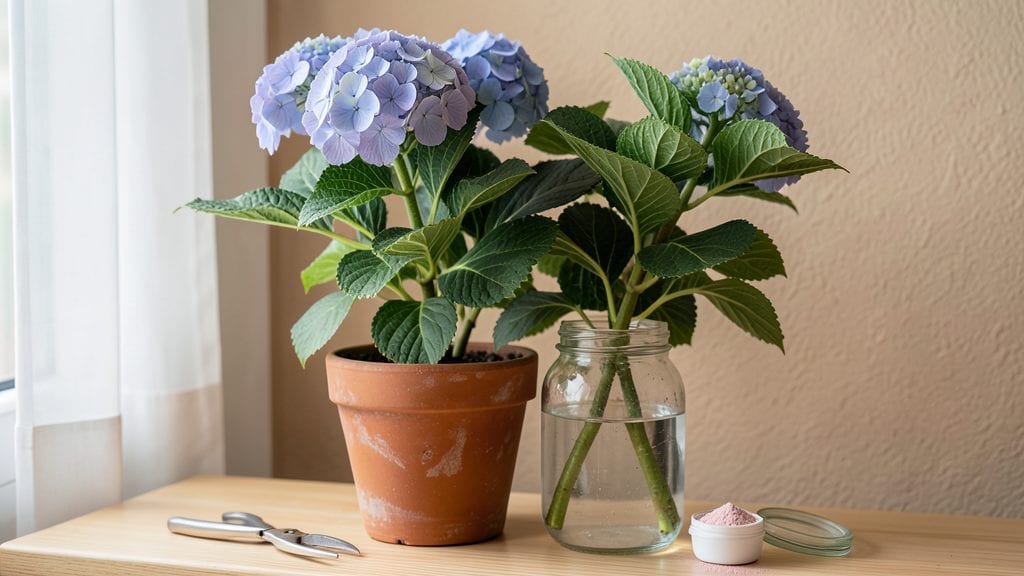
Learn how to regrow flowers from a bouquet—no green thumb required—using the stems of hydrangeas, alstroemeria, or roses, which can root and grow into full plants with just a glass of water and ✨ a little patience. I’ve done this with grocery-store bouquets, and the results never fail to impress.
You’ll need just a few simple supplies: a clean vase or jar, fresh stems, and a sunny windowsill. The process takes about 4-6 weeks from cutting to roots, and most flowers can be transplanted into soil afterward. Even my black thumb has succeeded with this method—it’s that foolproof.
Imagine lush green foliage and maybe even new blooms by next season from a bouquet you’d otherwise toss. The best part? You’ll save money and create unique plants that tell a story. Let’s get those stems rooted!
Works for both indoor and outdoor regrowth, and you can experiment with different flowers to see what thrives best. The key is consistency—just a splash of water and a little light, and you’re on your way to a living legacy from your bouquet.
📚 In This Guide
- What you need
- Instructions
- Tips and common mistakes
- Wrapping up and next steps
What you need
- ● Fresh bouquet – Choose flowers with healthy stems (avoid wilted or dried blooms). Ideal candidates: hydrangeas, roses, alstroemeria, lilacs, or chrysanthemums.
- ● Sharp scissors or pruning shears – Sterilized to prevent disease (rubbing alcohol works!).
- ● Clean glass or jar – Large enough to submerge 2-3 inches of stem (mason jars or clean soda bottles work great!).
- ● Room-temperature water – 1-2 cups per jar (change every 2-3 days).
- ○ Optional food coloring or natural dyes – For fun (e.g., beet juice for pink or turmeric for yellow).
- ● Rooting hormone gel/powder – Speeds up root growth (especially for stubborn stems like roses).
- ● Small pebbles or marbles – Place in the jar to weigh down stems and keep them submerged.
- ● Bright, indirect sunlight – A south-facing window or grow light (6+ hours/day).
- ● Potting soil & small pots – For transplanting once roots form (2-4 weeks later).
- ● Fertilizer (diluted) – A balanced liquid fertilizer (e.g., 10-10-10) after roots appear.
Step-by-Step instructions for reviving flowers from your bouquet
Here's the simple method I use to turn wilting stems into thriving new plants.
🌱 Step 1: Select and Prepare the Stems
Choose stems with at least 3-4 inches of healthy growth below the flowers. Look for fresh cuts—older stems won't regrow well. I always pick stems with 2-3 leaf nodes (the small bumps where leaves attach) because these are the growth points.
Trim the stems at a 45-degree angle about 1 inch below a leaf node using clean scissors or pruners. This angled cut increases surface area for water absorption. If the stems are thick, like hydrangeas or lilacs, you can make a small slit in the bottom to help water penetrate faster.
💧 Step 2: Remove Leaves and Submerge in Water
Strip off all the leaves from the lower half of the stem—these will rot underwater. Leave only the top leaves intact so the plant can photosynthesize. If any leaves are still underwater, they’ll turn brown and slimy, which can spread to the rest of the plant.
Fill a clean glass or jar with room-temperature water and add 1 tablespoon of rooting hormone (optional but helpful for faster growth). Submerge the stems so only the bottom 1-2 inches are underwater. Change the water every 2-3 days to prevent bacterial growth.
☀️ Step 3: Place in Bright, Indirect Light
Set your stems in a spot with bright, indirect light—like a windowsill facing east or west. Direct sunlight can scorch the leaves, while too little light slows root growth. You’ll know the light is right when the leaves stay green but don’t yellow or wilt.
After 2-3 weeks, check for roots by gently tugging on the stems. If resistance is felt, roots are forming! Once roots reach about 1-2 inches, it’s time to plant them in soil. I like to wait until roots are at least ½ inch long before transplanting to ensure stability.
🪴 Step 4: Transplant to Soil and Care for New Growth
Fill a small pot with well-draining potting mix and make a hole deep enough to bury the stem up to the first leaf node. Gently place the stem in the hole and pat the soil around it to secure it. Water lightly to settle the mix without disturbing the roots.
Keep the soil moist but not soggy—stick your finger in the soil to check. If the top ½ inch feels dry, it’s time to water. After a few weeks, you’ll see new leaves emerge from the top of the stem. This is your sign that the plant is thriving!
Tips & tricks for perfect regrown flowers
Real talk: Not every stem will thrive, but these tricks maximize your chances of success and help you avoid the most common pitfalls.
Stem Selection is Everything: In Step 1, focus on stems with vibrant green leaves and fresh cuts—these are your best bets. Avoid stems with yellowing leaves or mushy spots, as they won’t regrow. Confession: I skipped this step for years and wondered why my hydrangeas never took. Pro tip: If your stems are thick (like roses or lilacs), make a small slit in the bottom after cutting—this lets water penetrate deeper and speeds up root growth.
The Water Change Game: Step 2 says to change water every 2-3 days, but here’s the thing: if you notice algae forming or the water smells funky, change it immediately. I’ve seen stems drown in stagnant water within a week. Use a clean jar or vase each time, and consider adding a few drops of hydrogen peroxide (1 part peroxide to 4 parts water) to keep bacteria at bay without harming your stems.
Light Matters More Than You Think: In Step 3, bright indirect light is key—but not all windowsills are created equal. East-facing windows provide gentle morning light, while west-facing ones can get too intense in the afternoon. If your stems start yellowing, they’re getting too much sun. I’ve had success using sheer curtains to diffuse harsh light, especially in summer when the sun is strongest.
Root Check Hack: When it’s time to transplant (Step 4), don’t just guess—gently tug the stem. If it resists slightly, roots are forming. For a clearer view, place the jar on a white piece of paper; roots will show up more easily against the light background. I’ve even used a magnifying glass to spot tiny root hairs before they’re visible to the naked eye—this gives you a head start on transplanting.
Pro Tips for Regrow Flowers From A Bouquet
- Real talk: Not every stem will thrive, but these tricks maximize your chances of success and help you avoid the most common pitfalls.
- Stem Selection is Everything: In Step 1, focus on stems with vibrant green leaves and fresh cuts—these are your best bets.
- The Water Change Game: Step 2 says to change water every 2-3 days, but here’s the thing: if you notice algae forming or the water smells funky, change it immediately.
Frequently asked questions
Got questions about turning your wilting bouquet into a thriving garden? Here are some common ones—and the answers you need to succeed!
Can I regrow any flower from a bouquet?
Not all flowers can be regrown this way! Only stem-based flowers (like roses, hydrangeas, or gerbera daisies) work best. Avoid cut flowers from tropical plants (e.g., orchids, lilies) or those with thick, woody stems—they’re harder to root. When in doubt, check the flower’s botanical name online for regrowth tips!
How long does it take for flowers to regrow?
Patience is key! Most flowers take 2–8 weeks to sprout roots and 3–6 months to bloom again. Hydrangeas and roses are faster (4–6 weeks for roots), while gerbera daisies may take longer. Keep stems in water or soil consistently—the faster they root, the sooner you’ll see new growth!
What if my stems rot before growing roots?
Rot is a common issue, but you can prevent it! Use clean, room-temperature water (change it every 2–3 days) or a rooting hormone to speed up growth. If stems turn mushy or smell bad, trim the rotten parts and refresh the water. For soil regrowth, ensure pots have drainage holes to avoid soggy roots.
Can I regrow flowers without water (just in soil)?
Skipping the water phase and planting stems directly into moist, well-draining soil works for some flowers (like hydrangeas or roses). Just strip the leaves from the lower half of the stem, dip in rooting hormone, and bury it 1–2 inches deep. Keep soil damp (not soaked) and place the pot in bright, indirect light.
Will regrown flowers look the same as the original bouquet?
Not always! Regrown flowers may vary in size, color, or shape due to genetics and growing conditions. For example, a red rose might bloom pink or smaller. Embrace the surprise—it’s part of the magic! If you want identical blooms, consider propagating from cuttings of your favorite plant instead.
Can I reuse the same water for multiple bouquets?
Nope! Old water becomes a breeding ground for bacteria, which can rot stems. Always use fresh, clean water for each bouquet. If you’re reusing containers, rinse them with vinegar or hydrogen peroxide (1:1 ratio) to kill germs before refilling with water.
Wrapping up and next steps
Regrowing flowers from a bouquet isn’t just a creative trick—it’s a rewarding way to extend the life of your blooms and nurture new life from something beautiful.
With the right techniques, a little patience, and a dash of care, you can turn wilting stems into thriving plants that bring joy for seasons to come. 🌱✨
Ready to give it a try? Start with just one bouquet and follow the steps above. Watch as your green thumb grows stronger—and so does your collection of homegrown flowers! Happy growing!