Pests
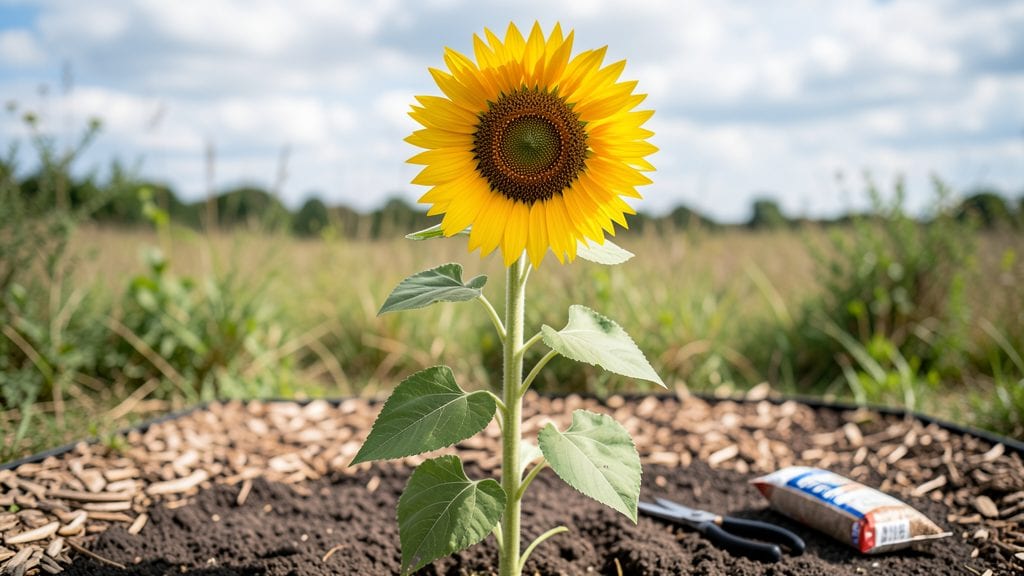
Planting Jua Maya hybrid sunflowers in the Pacific Northwest gives you a 12-foot pollinator powerhouse that thrives where most varieties wilt. 🌻 I’ve grown them through damp springs and chilly summers—these sunflowers just keep standing tall, their dark centers drawing bees and butterflies like a magnet.
The secret lies in their cold tolerance and deep roots, which outperform flimsy annuals in our unpredictable climate.
You’ll need well-draining soil (amend with compost if yours is heavy clay), a sunny spot with at least 6 hours of direct light daily, and patience—these giants take 90-110 days to reach full height.
Spacing matters too: give each plant 2-3 feet of room to avoid competition, and stake them early if winds are strong. The payoff? A dramatic vertical display that outshines anything in your neighborhood.
Water consistently at the base (not the leaves) to prevent mildew, and watch for sunflower moths—they love the buds. Companion plants like basil or marigolds nearby deter pests naturally.
By late summer, you’ll harvest seeds for next year’s garden or enjoy cut stems in vases for three weeks of fresh-cut drama.
Perfect for urban lots, rural fields, or even container growing (in large pots). Whether you’re a PNW beginner or a seasoned grower, these sunflowers deliver bold results with minimal fuss. Let’s get those seeds in the ground!
📚 In This Guide
- What you need
- Instructions
- Tips and common mistakes
- Wrapping up and next steps
What you need
- ● Seeds: 5–10 Jua Maya hybrid sunflower seeds (cold-hardy, drought-tolerant variety; check seed packets for exact counts).
- ● Well-draining soil: 1–2 cubic yards of loamy, slightly sandy soil (amend with compost if your native soil is heavy or clay-like).
- ● Sunlight access: A full-sun location (6+ hours/day)—sunflowers thrive in the PNW’s brightest spots!
- ● Watering can or hose: With a gentle spray nozzle to avoid disturbing seedlings.
- ○ Stakes or trellis (optional but helpful): 4–6 ft tall bamboo stakes or metal cages to support tall stems (especially in windy areas).
- ● Garden trowel or transplanter: For digging holes (2–3 inches deep for seeds).
- ● Gloves: To protect hands from prickly stems (trust us, they’re sharp!).
- ○ Mulch (optional): Straw or wood chips to retain moisture and suppress weeds.
- ○ Fertilizer (optional): Balanced, low-nitrogen fertilizer (5-5-5 or 10-10-10) for established plants (apply sparingly—sunflowers are light feeders!).
- ● Pest deterrents (PNW-specific): Neem oil spray (for aphids or beetles).
- ● Row covers (to protect seedlings from slugs/snails).
Step-by-step instructions for growing Jua Maya sunflowers
Here’s how to cultivate these Pacific Northwest stalwarts into striking pollinator magnets.
🌱 Step 1: Choose the Right Location and Prepare Soil
Jua Maya thrives in full sun—select a spot that receives at least 6-8 hours of direct sunlight daily. These sunflowers are cold-hardy but need warmth to reach their towering heights, so avoid low-lying areas where frost lingers. The Pacific Northwest’s cooler climate means they’ll appreciate a sheltered location, like near a south-facing fence or wall.
Amend your soil with 2-3 inches of compost before planting to ensure good drainage and nutrient availability. Jua Maya’s deep taproot demands loose, well-aerated soil—heavy clay will stunt growth. If your soil is compacted, mix in sand or perlite to improve texture. A soil pH between 6.0 and 7.5 is ideal; test your soil if possible, as acidic soil can limit nutrient uptake.
🌱 Step 2: Plant Seeds at the Right Depth and Spacing
Sow seeds ½ inch deep in early spring, once soil temperatures reach 50°F or warmer. These sunflowers are slow to germinate—expect sprouts in 10-14 days—so patience is key. Plant 4 seeds per hole, spaced 18-24 inches apart, to account for potential germination failures. Thin to the strongest seedling once they reach 3-4 inches tall, as overcrowding leads to weak stems and disease.
Here’s the thing—Jua Maya’s massive height means it needs sturdy support from the start. If planting in windy areas, consider staking each plant with 3-foot bamboo stakes inserted 2 inches deep at planting time. The deep root system will anchor the plant, but a little extra support prevents toppling in storms.
☀️ Step 3: Water Deeply and Monitor Growth
Water deeply once a week during the first month to encourage strong root development. Once established, these sunflowers are drought-tolerant, but consistent moisture is critical during the first 6 weeks of growth. Water at the base of the plant in the early morning to reduce fungal risks—wet foliage invites powdery mildew, especially in humid Pacific Northwest summers.
Watch for first true leaves (the second set after the initial cotyledons) as your signal to reduce watering slightly. Overwatering at this stage leads to weak stems that can’t support the plant’s eventual 10-12 foot height. Mulch with 2-3 inches of straw or wood chips to retain moisture and suppress weeds, but keep mulch 6 inches away from the stem to prevent rot.
✂️ Step 4: Prune and Support for Maximum Height
Remove any side shoots that form in the first 3-4 weeks to direct energy into the main stem. These sunflowers grow 2-3 feet per month under ideal conditions, so pruning early ensures a single, strong central stalk. Use clean, sharp pruners to snip side shoots just above a leaf node—this encourages upward growth rather than bushiness.
As the plant nears 6 feet tall, tie it to the stake with soft plant ties every 2 feet up the stem. Real talk: These giants can weigh 20+ pounds when fully mature, and a sudden windstorm will snap a stem if it’s not secured. Check ties monthly to adjust as the stem thickens—too-tight ties can girdle the plant over time.
🌿 Step 5: Harvest and Enjoy the Pollinator Bonanza
Jua Maya’s dark brown, striped blooms appear 90-110 days after planting, depending on your microclimate. The flowers are a magnet for bees, butterflies, and hummingbirds—plan to enjoy them in full bloom for 3-4 weeks. If you want to save seeds for next year, allow 1-2 flowers per plant to mature fully before harvesting. The seed heads will turn tan and dry; cut them when they feel papery to the touch.
Don’t skip deadheading spent blooms to encourage more flowers. These sunflowers are prolific rebloomers when given the right conditions—remove faded blooms by snipping the stem just below the flower head. With proper care, a single plant can produce 50+ flowers over the season, making it a standout in any Pacific Northwest garden.
Tips & tricks for growing towering Jua Maya sunflowers
Between us, these sunflowers aren't your average garden plants—they're Pacific Northwest giants that demand a little extra TLC. Here's what nobody tells you about growing them successfully.
Sunlight Strategy: While the instructions call for 6-8 hours of direct sunlight daily, I've found that morning sun paired with afternoon shade in summer can actually prevent stress on the plants. The Pacific Northwest's intense afternoon sun can scorch leaves, especially when temperatures climb above 80°F. If you notice leaves curling or turning yellow, provide some afternoon shade using lightweight garden fabric—this won't compromise the plant's growth but will protect it from heat damage.
Soil Preparation Secret: The instructions mention 2-3 inches of compost, but I've learned that adding a handful of bone meal at planting time gives these sunflowers an extra phosphorus boost they crave for their rapid vertical growth. The deep taproot will thank you for this nutrient-rich foundation. For even better results, mix in a slow-release fertilizer like osmocote when you prepare the soil—this provides consistent nourishment throughout the growing season.
Germination Hack: Those 10-14 days for germination can feel like forever, but there's a trick to speed things up slightly. Soak your seeds in warm water for 4 hours before planting (just be sure to plant them immediately after soaking). This doesn't cut the time dramatically, but it does help kickstart the process. Also, consider using a seedling heat mat if your spring nights are still chilly—keeping soil temps above 60°F can encourage faster sprouting.
Staking System: The instructions mention 3-foot bamboo stakes, but I've found that using two stakes per plant creates a more stable support system. Insert one stake on each side of the planting hole, about 6 inches apart, and tie the plant to both as it grows. This triangular support prevents the plant from leaning against one stake and creates a stronger structure to handle Pacific Northwest wind storms. Use soft plant ties that you can easily adjust as the stem thickens.
Pro Tips for Jua Maya Hybrid Sunflower
- Between us, these sunflowers aren't your average garden plants—they're Pacific Northwest giants that demand a little extra TLC.
- Sunlight Strategy: While the instructions call for 6-8 hours of direct sunlight daily, I've found that morning sun paired with afternoon shade in summer can actually prevent stress on the plants.
- The deep taproot will thank you for this nutrient-rich foundation.
Frequently asked questions
Got questions about growing the Jua Maya hybrid sunflower in the Pacific Northwest?
You’re not alone—this striking variety has a few quirks! Here are answers to the most common concerns, from planting to pest troubleshooting.
Can Jua Maya sunflowers survive PNW winters?
This cold-hardy hybrid thrives in USDA Zones 3–9, making it perfect for the PNW’s chilly springs and falls. Start seeds indoors 4–6 weeks before your last frost or sow directly after soil warms (50°F+). Pro tip: Mulch heavily in winter to protect roots—these beauties often regrow from the base in spring!
How long does it take for Jua Maya to flower?
From seed to bloom, expect 80–90 days in ideal conditions. In cooler PNW climates, extend the timeline to 90–100 days. Monitor your local frost dates—if planted too late, flowers may not fully mature before winter. Jua Maya’s towering stems (up to 12 feet!) need sturdy support; stake early to avoid flopping in wind or rain.
What pests should I watch for with Jua Maya sunflowers?
Common culprits include sunflower moths, aphids, and bird damage (they love the seeds!). Use row covers for young plants or spray with neem oil for organic control. Bird netting is a must once buds form—these sunflowers are a magnet for hungry feathered friends! Prevention tip: Interplant with basil or marigolds to deter pests naturally.
Can I grow Jua Maya in containers?
Yes! While they’ll reach their full height in the ground, they adapt well to large containers (20+ gallons) with proper drainage. Use a lightweight potting mix and fertilize regularly (every 2–3 weeks). Place pots in full sun and rotate them weekly for even growth. Just be prepared for heavier watering needs—containers dry out faster!
What can I do if my Jua Maya stems flop over?
Flopping is common with tall varieties like this one. Prevent it by staking stems at planting (use bamboo stakes or tomato cages) and tying loosely with soft ties. If it’s already leaning, prop it up gently—don’t pull or force it. For extra support, weave stems through a trellis or tall fence. Jua Maya’s broad leaves make it wind-resistant, but heavy blooms need backup!
Wrapping up and next steps
The Jua Maya hybrid sunflower is a fantastic choice for Pacific Northwest gardeners—its cold-hardy nature, towering beauty, and pollinator appeal make it a standout.
By following the right materials, planting tips, and pest management strategies, you’ll enjoy a thriving garden that supports local ecosystems while adding drama to your space. 🌻
Ready to plant your own? Start by gathering your supplies, choosing the perfect spot, and keeping an eye out for common pests. With a little care, your sunflowers will reward you with stunning blooms and happy pollinators all season long!