Shrubs
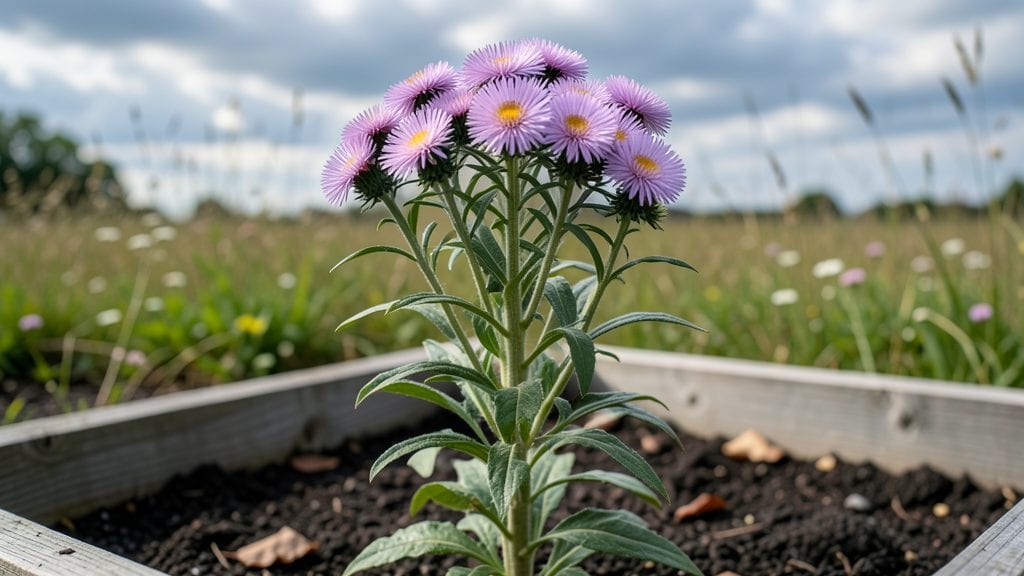
Late-flowering asters burst into color when most gardens fade to brown. 🌿 These Pacific Northwest favorites thrive in late summer and fall, turning your yard into a hummingbird magnet when other blooms have bowed out.
The secret lies in their timing—cool nights and mild days trigger their second flush of flowers, extending the season by weeks.
Your climate plays a bigger role than you might think. In the PNW's damp, mild winters, asters often keep blooming until frost, while hotter inland areas might see them peak earlier.
Varieties like 'Andenken an Alma Potschke' or 'Patriot' are bred for this exact behavior—long stems, daisy-like blooms, and that signature purple-to-pink range. The right spot (full sun with afternoon shade) and well-draining soil keep them pushing new buds right up until winter.
Here's the game-changer: deadheading spent blooms every 10-14 days. I've seen asters produce a third flush when I remove faded flowers consistently—it's like hitting the reset button on their blooming cycle. Add a layer of compost in early spring, and you'll get taller stems and more vibrant colors.
The payoff? A garden that stays lively when most neighbors are already putting away their shears.
Works equally well in borders, cutting gardens, or even large containers. The key is patience—these aren't fast growers, but once established, they'll reward you with color when you least expect it. Let's make your late-season garden the talk of the neighborhood.
📚 In This Guide
- What you need
- Instructions
- Tips and common mistakes
- Wrapping up and next steps
What you need
- ● Late flowering aster plants: Choose native varieties like Symphyotrichum subspicatum (Douglas aster) or Symphyotrichum ericoides (heath aster).
- ● Quantity: 3–5 plants per 100 sq. ft. for full coverage.
- ● Well-draining soil: Mix 1 part compost (2–3 cubic feet per plant) with 2 parts native soil.
- ● Organic mulch: 2–3 inches of cedar chips or pine needles to retain moisture and suppress weeds.
- ● Watering can or hose: With a gentle spray nozzle for even moisture.
- ● Garden trowel or shovel (for planting).
- ● Pruning shears (for deadheading spent blooms).
- ○ Fertilizer (optional): Slow-release 10-10-10 fertilizer (1 tbsp per plant, spring only).
- ● Or compost tea for organic enrichment.
- ○ Pollinator-friendly companions (optional): Native grasses (e.g., Festuca idahoensis) or yarrow (Achillea millefolium) for a thriving ecosystem.
Step-by-step guide to growing late-blooming asters in the Pacific Northwest
These hardy perennials thrive in cool, damp climates—here's how to coax their bold blooms all season long.
🌱 Step 1: Choose the Right Location and Soil
Pick a spot with partial shade to full sun (at least 4-6 hours of sunlight daily). Asters tolerate morning sun and afternoon shade, which is perfect for the PNW's often cloudy afternoons. I always test the soil first—these plants prefer moist, well-draining soil with a pH between 6.0 and 7.0. If your soil is heavy clay (common in the region), mix in 2-3 inches of compost to improve drainage.
Dig a hole twice as wide as the root ball but only as deep. The top of the root ball should sit just below soil level—burying too deep suffocates the plant. If your soil is sandy, add a handful of peat moss to help retain moisture without compacting.
🌿 Step 2: Plant at the Right Time and Spacing
For the Pacific Northwest, plant bare-root asters in early spring (March-April) or container-grown plants in early fall (September-October). Fall planting gives roots time to establish before winter, ensuring stronger blooms next season. Space plants 18-24 inches apart—crowding leads to weak stems and fewer flowers. I like to plant in clusters of 3-5 for a fuller look, but never closer than 12 inches.
Water deeply right after planting to settle the soil around the roots. The first 2-3 weeks are critical—keep the soil evenly moist but not soggy. You'll know it's right when water runs out the drainage holes within 10-15 minutes of watering. Mulch with 2-3 inches of shredded bark to retain moisture and suppress weeds.
☀️ Step 3: Feed and Maintain for Continuous Blooms
Asters are light feeders, but a balanced 10-10-10 fertilizer applied in early spring gives them the boost they need. I scatter ½ cup per plant around the base and water it in. Too much nitrogen makes them grow leaves instead of flowers—stick to the recommended amount. In the PNW's damp climate, fungal diseases like powdery mildew can be a problem. Space plants properly and water at the base (not overhead) to keep foliage dry.
Deadhead spent blooms every 2-3 weeks to encourage more flowers. Snip off the faded flower heads with clean scissors, but leave the lower foliage intact. This plant puts energy into its leaves first, so don't trim back too aggressively. If you see leggy growth, it's a sign of too little light—move to a sunnier spot or thin nearby plants to improve airflow.
⏰ Step 4: Prepare for Winter and Next Season
In the Pacific Northwest, asters are hardy perennials that die back in winter but return stronger each year. Cut back the entire plant to 2-3 inches in late fall (November) to prevent disease and make spring cleanup easier. The old stems provide some winter interest, but removing them reduces pest issues. I always leave the mulch layer intact—it insulates roots and keeps soil temperatures stable.
In early spring (March), remove the old mulch and add 1-2 inches of fresh compost around the base. This replenishes nutrients and gives new growth a strong start. You'll see fresh shoots emerge within 3-4 weeks. If your asters bloom poorly, they might need more sunlight or better drainage—adjust their location if needed.
Tips & tricks for perfect late-season asters
Here's what nobody tells you about growing these PNW pollinator magnets—tricks that'll make your asters thrive when others fail.
Location Secret: The 4-6 hours of sunlight rule is flexible! In the Pacific Northwest's cloudy climate, asters actually perform better with morning sun and afternoon shade. If your garden gets intense afternoon sun, consider planting them near taller shrubs or trees that provide natural shade after 2 PM. This prevents leaf scorch while still giving them enough light for strong blooms.
Soil Testing Tip: Before amending your soil, grab a simple pH test kit from your local garden center—it's only $5 and saves you from guessing. Asters prefer a pH between 6.0 and 7.0, and our region's acidic soils often need lime to raise the pH. I've seen asters struggle in soil that tested at 5.5, even with compost added. If you're unsure, test first!
Planting Precision: When spacing your asters 18-24 inches apart, think about their mature size. If you're planting near a path or patio, give them the full 24 inches so you can comfortably walk between plants without disturbing the roots. I've learned the hard way that crowding leads to weak stems that flop over in our damp climate.
Watering Wisdom: The 10-15 minute drainage test is your best friend. If water runs out in less than 10 minutes, your soil is too sandy and needs organic matter. If it takes more than 15 minutes, you've got clay soil that needs compost to improve drainage. In our region, I've found that adding 1 inch of compost every spring keeps the moisture balance just right.
Pro Tips for Late Flowering Asters
- Here's what nobody tells you about growing these PNW pollinator magnets—tricks that'll make your asters thrive when others fail.
- Location Secret: The 4-6 hours of sunlight rule is flexible!
- Soil Testing Tip: Before amending your soil, grab a simple pH test kit from your local garden center—it's only $5 and saves you from guessing.
Frequently asked questions
Got questions about late-blooming asters? You’re not alone!
These hardy perennials are a PNW gardener’s secret weapon, but timing, care, and variety choices can still leave beginners puzzled. Here’s what you need to know to keep your garden buzzing with pollinators until frost.
When do late flowering asters actually bloom, and how late can I expect flowers?
Late asters typically burst into color from mid-to-late summer (August) through early winter (November or December), depending on your PNW microclimate. Some varieties, like ‘Patriot’ or ‘Prof. Kippenberg’, can even survive light frosts while still in bloom. Plant in full sun for the longest flowering window—partial shade may delay blooms.
Should I deadhead late asters to encourage more flowers, or just leave them for winter interest?
Deadheading (removing spent blooms) can extend flowering by 2–4 weeks, but it’s optional! If you love winter structure, skip deadheading—asters provide seed heads that feed birds and add texture. For continuous blooms, snip flowers after they fade (but leave lower leaves for energy). Pro tip: Use clean pruners to avoid disease .
Why aren’t my late asters attracting pollinators like bees and butterflies?
Pollinators adore asters, but a few issues might deter them:
- Pesticides: Avoid broad-spectrum sprays—neonicotinoids are especially harmful.
- Timing: Plant early (March–April) for peak summer activity.
- Location: Ensure they’re in sunny, open spots (not crowded by taller plants).
- Water stress: Drought can reduce nectar production.
If blooms are sparse, fertilize lightly with balanced 10-10-10 in early summer.
Can I grow late asters in containers, or are they strictly for garden beds?
Dwarf varieties like ‘Wood’s Purple’ thrive in 5–7 gallon containers with well-draining soil. Use a mix of potting soil + perlite to prevent root rot, and repot every 2–3 years. Container hack: Add a slow-release fertilizer at planting time to reduce maintenance .
Do late asters survive PNW winters, or should I cut them back now?
Leave them be! Asters are perennial and winter-hardy to USDA Zone 3–9. Cut back dead foliage in early spring (March) to encourage fresh growth. Overwintering leaves protect roots from freeze-thaw cycles. Exception: If stems are mushroom-shaped (fungus), prune them out immediately .
Wrapping up and next steps
Late flowering asters are a game-changer for Pacific Northwest gardeners, offering vibrant color and vital pollinator support well into autumn. 🌸 Their hardiness, low-maintenance needs, and ability to thrive in cooler climates make them a must-have for any late-season garden.
Whether you're a seasoned gardener or just starting, these beauties are easy to grow and reward you with stunning blooms.
Ready to transform your garden? Start by selecting the right variety for your space, then plant and care for them with confidence. Next up: Share your late-blooming asters with fellow gardeners or experiment with companion plants to extend the season even further!