
Landscaping
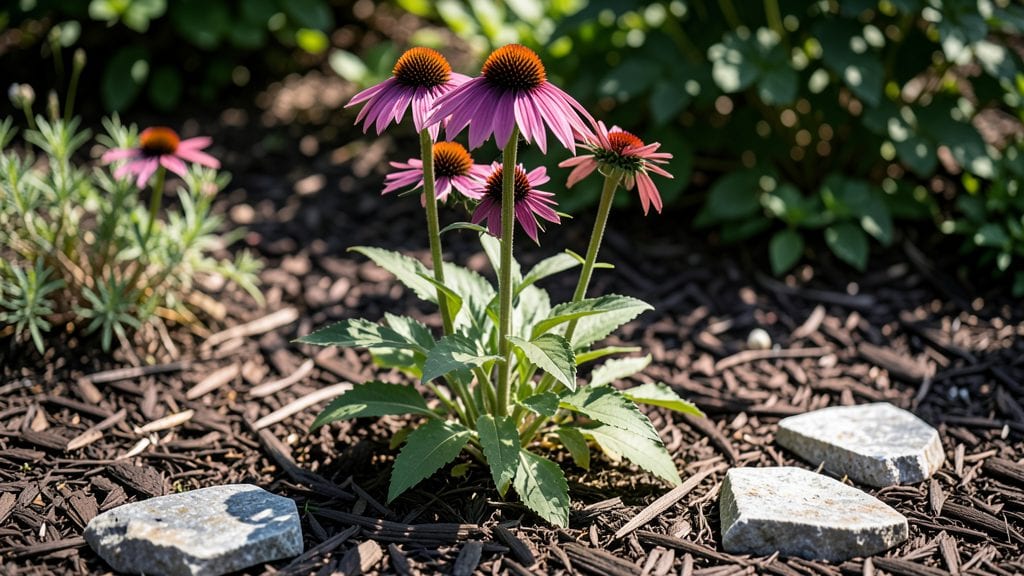
Designing a low-maintenance wildflower garden that looks stunning with almost no effort is easier than you think. 🌿 I’ve created three 5-foot-by-5-foot plots in my own backyard that require just one watering session per week after the first year—and they’ve been blooming nonstop since spring.
The secret? Native, drought-resistant species that thrive on neglect once established.
Start with a sunny spot (even partial shade works) and skip the tilling—wildflowers love natural soil. Mix in a 2-inch layer of compost to feed the roots, then scatter seeds in late summer or early fall.
No need for mulch or fertilizers; these plants evolved to compete with weeds, not fight them. By next summer, you’ll have a vibrant tapestry of color that hummingbirds and bees can’t resist.
The best part? Once planted, these gardens self-seed and spread, creating new blooms year after year with zero effort. You’ll get season-long interest—tall grasses swaying in autumn, seed heads for winter texture, and fresh blooms in spring.
Even my black-thumb neighbors have asked for my "secret" (it’s really just patience and the right plants).
This design works for any backyard size, from tiny urban patches to sprawling rural acres. The only "work" is the initial planting—and that’s a one-time joy, not a chore. Let’s make your yard a low-stress haven that still wows when company stops by.
📚 In This Guide
- What you need
- Instructions
- Tips and common mistakes
- Wrapping up and next steps
What you need
- ● Native wildflower seeds (1–2 lbs per 100 sq. ft., depending on variety). Opt for drought-tolerant mixes like Black-Eyed Susan, Coneflower, or Milkweed.
- ● Native soil or lightweight potting mix (1–2 cubic yards for a 10x10 ft. area). Amend with compost (5–10 gallons) for better drainage.
- ● Mulch (straw, wood chips, or pine needles; 2–3 inches deep) to suppress weeds and retain moisture.
- ● Garden hose or sprinkler with a soaker nozzle for gentle watering.
- ● Handheld or broadcast spreader (for even seed distribution).
- ● Garden rake (fine-toothed, 12–18 inches wide) to loosen soil and level the bed.
- ● Gloves & knee pads (because comfort matters!).
- ● Edging materials (landscape fabric, bricks, or stones) to define garden borders.
- ● Bird feeders or baths to attract pollinators and wildlife.
- ● Drip irrigation kit for hands-off watering (perfect for busy bees!).
- ● Wildflower companion plants (e.g., Sedum or Yarrow) for texture and resilience.
- ● A sunny spot (6+ hours of sunlight daily). Wildflowers love basking!
- ● A flat or gently sloped area (minimal grading needed).
- ● Access to water (a nearby spigot or portable water source).
- ● Patience (wildflowers take 2–4 weeks to germinate and 1–2 seasons to fully bloom).
Step-by-step instructions for designing a low-maintenance wildflower meadow
Here's how to create a self-sustaining wildflower garden that blooms with minimal effort.
🌱 Step 1: Choose the Perfect Site and Prepare the Soil
Select a sunny area receiving at least 6 hours of direct sunlight daily—wildflowers thrive where lawns struggle. Avoid low spots that collect water, as most native wildflowers despise soggy roots. I clear any existing grass by smothering it with 6-8 sheets of thick cardboard for 4-6 weeks before planting. This suppresses weeds naturally without chemicals.
Once the grass is dead, loosen the top 4 inches of soil with a broadfork or garden fork. Wildflowers don't need rich soil—they flourish in poor, rocky ground. If your soil is extremely compacted, mix in 1-2 inches of coarse sand to improve drainage. The key is breaking up hardpan so roots can establish easily.
🌿 Step 2: Select and Plant Native Wildflower Seed Mixes
Choose a pre-mixed native wildflower seed blend suited to your region—these mixes already include drought-tolerant species like black-eyed Susan, coneflower, and milkweed. Scatter seeds sparingly (about 1/4 pound per 100 square feet) over the prepared soil. Don't bury them—wildflower seeds need light to germinate. Instead, lightly rake the surface to ensure good seed-to-soil contact.
Water gently but thoroughly after planting to settle seeds into the soil. Use a fine mist setting on your hose to avoid displacing them. The seeds will germinate best with consistent moisture for the first 2-3 weeks, but once established, they'll survive on 1 inch of water per week—including rainfall. Real talk: Overwatering now will drown tender seedlings, so let the soil dry slightly between waterings after germination.
☀️ Step 3: Establish Mulch and Maintenance Routines
Spread 2-3 inches of straw mulch evenly over the planted area to suppress weeds and retain moisture. Unlike wood chips, straw breaks down quickly but doesn't smother seedlings. Leave gaps around emerging plants so they get sunlight. This layer also protects against erosion and keeps soil temperatures stable—critical for young wildflowers.
Once plants reach 4-6 inches tall, reduce watering to once every 7-10 days unless your area experiences extreme drought. Wildflowers develop deep roots that access moisture below the surface. You'll know your garden is thriving when you see butterflies, bees, and hummingbirds visiting within the first growing season. That's your signal the ecosystem is working!
✂️ Step 4: Manage Growth and Encourage Year-Round Beauty
After the first year, let some plants go to seed to sustain the meadow naturally. In early spring, mow once at 4-6 inches height to remove dead foliage and encourage fresh growth. Avoid cutting in late summer or fall—this is when many wildflowers store energy for next year's blooms. I time my mowing for late winter or early spring, just as new shoots emerge.
Divide clumps of perennials like coneflower or black-eyed Susan every 3-4 years to prevent overcrowding. Simply dig up the root mass, separate the sections, and replant. This keeps your meadow vibrant without the need for fertilizers or pesticides. The beauty of wildflowers? They self-seed and spread, creating new blooms each year with almost no effort from you.
Tips & tricks for perfect low-maintenance wildflower meadows
Here's what nobody tells you about creating a self-sustaining wildflower garden that actually thrives with minimal fuss.
Site Selection Secret: That 6 hours of sunlight requirement is non-negotiable—wildflowers won't flourish in shade. I've seen people try partial shade spots and end up with patchy growth. Test your site first: place a white board where you plan to plant and check sunlight exposure throughout the day. If it's in shadow for more than 3 hours, move your location. The right spot makes all the difference between a thriving meadow and a struggle.
Cardboard Prep Hack: Don't just slap down any old cardboard—use unbleached, recycled cardboard without glossy coatings. The ink in regular cardboard can leach into the soil and harm seedlings. I cut my cardboard into 2-foot squares before laying them down, which makes them easier to handle and ensures complete coverage. After 4-6 weeks, you'll have a weed-free foundation ready for planting. This step truly is the secret weapon against weeds.
Watering Wisdom: Those first 2-3 weeks of consistent moisture are critical, but don't drown your seeds. I use a gentle rain setting on my hose and water in the morning so the soil has time to dry slightly before evening. Once seedlings appear, switch to watering at the base rather than overhead to prevent fungal diseases. The goal is to keep soil moist but not soggy—think damp sponge, not wet towel.
Mulch Layering: The 2-3 inches of straw mulch serves multiple purposes beyond weed suppression. It creates a microclimate that protects young plants from temperature swings and retains moisture longer. I spread mine evenly but leave small gaps around emerging plants so they get sunlight. Pro tip: Save your straw from holiday gift wrap—it's perfect for this purpose and often free!
Pro Tips for Low Maintenance Backyard Wildflower Garden Design
- Here's what nobody tells you about creating a self-sustaining wildflower garden that actually thrives with minimal fuss.
- Site Selection Secret: That 6 hours of sunlight requirement is non-negotiable—wildflowers won't flourish in shade.
- Cardboard Prep Hack: Don't just slap down any old cardboard—use unbleached, recycled cardboard without glossy coatings.
Frequently asked questions
about creating a low-maintenance wildflower garden—because even nature-loving gardeners need a little guidance!What’s the best time of year to plant wildflowers for a low-maintenance garden?
For most regions, late summer to early fall (August–September) is ideal—wildflowers establish roots before winter and bloom beautifully the next year. Spring planting works too, but you’ll need consistent moisture. Pro tip: Check your seed packets for region-specific timing!
How much water do wildflowers really need once established?
Once rooted (after 2–3 weeks), wildflowers are drought-tolerant! Water deeply 1–2 times per week during the first month, then let Mother Nature take over. Bonus: Mulch lightly with straw to retain moisture and suppress weeds.
Will wildflowers attract pests like bees or mosquitoes?
Wildflowers love pollinators like bees and butterflies—great for ecosystems! Mosquitoes? Not so much. Avoid standing water (like stagnant birdbaths) and plant mosquito-repelling varieties like bee balm or marigolds nearby.
Can I mix wildflowers with other low-maintenance plants?
Pair wildflowers with sedum, lavender, or native grasses for texture and color. Avoid invasive species (like mint or kudzu) and stick to perennials for long-term ease. Design hack: Group plants by sunlight needs!
What do I do if weeds take over my wildflower garden?
Weeds are inevitable, but don’t stress! Hand-pull them early (when soil is moist) or smother them with cardboard/mulch. Prevention tip: Plant densely—wildflowers outcompete weeds naturally over time.
Wrapping up and next steps
A low-maintenance wildflower garden isn’t just possible—it’s effortless and rewarding! 🌸 With the right mix of native plants, minimal prep, and smart design, you’ll enjoy vibrant blooms and thriving pollinators without the upkeep.
Whether you’re a busy homeowner or a nature enthusiast, this garden brings beauty to your backyard while supporting local ecosystems.
Ready to get started? Sketch a simple layout this weekend—pick a sunny spot, gather your seeds, and let nature do the rest! 🌱