
Propagation
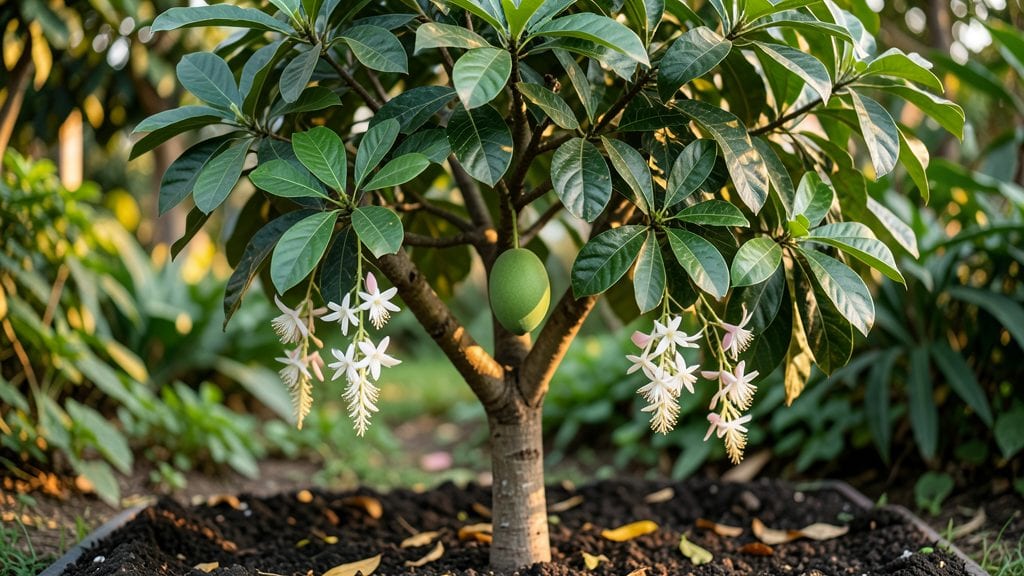
Growing a mango from flower to fruit is a two-year journey that rewards patience with tropical sweetness. 🌱 The first year focuses on nurturing the tree through its delicate flowering stage, while the second brings the thrilling sight of fruit swelling on the branches.
My first attempt nearly failed when I ignored the tree's need for precise watering during bloom—but I learned, and now my backyard tree produces fruit every season.
The magic starts with a healthy grafted plant or seedling, plenty of sunlight (at least 6-8 hours daily), and well-draining soil rich in organic matter. Mangoes thrive in warm climates but can adapt indoors with grow lights.
During flowering, consistent moisture and occasional foliar feeding with phosphorus boosts bloom production. The key? Avoid overwatering—soggy roots mean fewer flowers, fewer fruits.
By summer of the second year, you'll see tiny green fruits forming, and within months, they'll ripen into juicy, fragrant mangoes. The texture shifts from firm to soft, and the scent becomes irresistible. Harvest when the fruit yields slightly to gentle pressure, and the color deepens to its mature hue.
One tree can feed a family for months—if you can resist eating them straight off the branch.
This method works for both container-grown trees (in zones 10-11) and in-ground plantings in warmer regions. Even in cooler climates, a large pot near a sunny window or greenhouse can produce fruit.
The real reward? Watching your own mango grow from a tiny blossom to a sweet, sun-warmed harvest—something store-bought fruit can never match.
📚 In This Guide
- What you need
- Instructions
- Tips and common mistakes
- Wrapping up and next steps
What you need
- ● Mango Seed: 1 fresh, viable seed (from a ripe, organic mango—avoid hybrid varieties for best results).
- ● Potting Mix: 1 bag (12-16 qt) of well-draining cactus/succulent mix (or a blend of 50% peat moss, 30% perlite, and 20% sand).
- ○ Optional: Add worm castings (1 cup) for nutrient boost.
- ● Containers: 1 small pot (4-6 inches deep) for seed germination.
- ● 1 larger pot (12+ inches deep) for sapling growth (with drainage holes!).
- ● Growing Medium (Outdoor): 1 bag of garden soil + 1 part compost (for transplanting after 1-2 years).
- ● Tools: Pruning shears (sterilized).
- ● Spray bottle (for misting).
- ○ pH testing kit (optional, ideal soil pH: 5.5–7.0).
- ● Location: Full sun (6+ hours daily) or partial shade (for young seedlings). Mangoes thrive in USDA Zones 10-11; colder climates need container-growing or greenhouse setups.
- ● Water: Access to filtered or rainwater (avoid chlorinated tap water for seedlings).
- ● Patience: Mango trees take 3–5 years to bear fruit from seed (but grafted trees fruit in 2 years!).
- ● Fertilizer: Balanced 10-10-10 or citrus/mango-specific fertilizer (apply sparingly, 2x/year).
- ● Pest control: Neem oil or insecticidal soap (for aphids/mealybugs).
- ● Mulch: Straw or wood chips (to retain moisture).
- ● Pollination aid: Small paintbrush (to hand-pollinate flowers if no bees are present).
Step-by-Step guide to growing mango trees from flower to fruit
Here's how I turn delicate blossoms into ripe, juicy mangoes—no shortcuts, just patience and care.
🌱 Step 1: Identify and Protect the Flowering Stage
Mango trees bloom in spring, producing fragrant white or pink flowers that cluster along branches. Look for panicles—those feathery, bushy flower clusters—because these are where fruit will form. Real talk: Not every flower becomes fruit, but healthy clusters mean better odds. I mark the most robust clusters with a soft ribbon so I don’t miss them.
Protect the flowers from frost or strong winds, which can damage them before pollination. If your tree is outdoors, bring potted mango trees indoors temporarily if frost is forecasted. Here’s the thing—mango flowers are sensitive, so even light stress can cause them to drop. Keep the tree in a stable environment with temperatures between 65-85°F during bloom.
🐝 Step 2: Hand-Pollinate for Better Fruit Set
Mango trees rely on bees for pollination, but sometimes they need a little help. If you notice flowers aren’t being visited by pollinators, grab a small paintbrush and gently transfer pollen from one flower’s stamen to another’s stigma. I do this early in the morning when flowers are fully open and dew is still present—pollen sticks better then.
Watch for fruit set about 4-6 weeks after flowering. You’ll see tiny green mangoes the size of peas forming. If fewer than 10% of flowers turn into fruit, your tree might need more pollination assistance or better growing conditions. Thin out excess fruit if needed—overcrowded mangoes stay small and underdeveloped.
☀️ Step 3: Provide Ideal Growing Conditions for Fruit Development
Once fruit forms, mango trees need full sun (6-8 hours daily) and consistent moisture. Water deeply once a week during dry spells, ensuring the top 6 inches of soil stay moist but not soggy. Overwatering causes fruit to split or rot, so I check soil moisture by sticking my finger in—if it’s dry past the first knuckle, it’s time to water.
Fertilize lightly with a balanced citrus/mango fertilizer every 6-8 weeks during the growing season. Avoid heavy nitrogen—it promotes leafy growth at the expense of fruit. You’ll know you’re on track when fruit grows steadily, turning from green to yellow or red, depending on the variety.
⏰ Step 4: Monitor Ripening and Harvest at Peak Sweetness
Mangoes ripen 6-12 months after flowering, depending on the variety. Watch for color changes—fruit will shift from green to its mature hue (yellow, orange, or red). Gently squeeze the mango: ripe ones yield slightly to pressure. I also check the stem—if it separates easily from the branch, the mango is ready.
Harvest carefully to avoid bruising. Use pruning shears to cut the stem, leaving a small portion attached to the fruit. Never pull mangoes off the tree—they’re delicate and can split. Store harvested mangoes at room temperature for 2-3 days to ripen fully, or refrigerate unripe ones to slow the process.
Tips & tricks for growing mango trees from flower to fruit
Transforming those delicate mango blossoms into juicy fruit takes more than luck—it's about understanding the little details that make all the difference.
Flower Care: When you're marking those robust panicles in Step 1, pay extra attention to the undersides of the leaves. Mango flowers often hide pests like aphids there—give them a quick spray with water to dislodge any unwanted visitors before they affect your blossoms. The 65-85°F temperature range is ideal, but even a slight dip below 60°F can cause flowers to drop, so keep an eye on your local weather forecast during bloom season.
Pollination Hack: In Step 2, when you're doing that gentle hand-pollination, try this trick: collect pollen from multiple flowers and mix it together before transferring. This creates a more diverse genetic mix for your fruit, which can lead to more robust mangoes down the line. And remember, those 4-6 weeks until fruit set can feel like forever—take photos weekly to track progress!
Watering Wisdom: The once-a-week watering guideline in Step 3 is perfect, but here's what nobody tells you: water in the early morning so the leaves have all day to dry. Wet foliage at night invites fungal diseases. I also recommend using a moisture meter—when it reads below 40% at 6 inches deep, that's your cue to water, not when you think it's dry.
Harvesting Secret: In Step 4, when checking for ripeness, pay attention to the color change at the base of the mango where it meets the stem. That's where the most reliable color shift happens. And that 2-3 day room temperature ripening period? It's actually better to leave them at room temp for up to 5 days if they're not quite ripe yet—they'll develop more complex flavors.
Pro Tips for Mango From Flower To Fruit
- Transforming those delicate mango blossoms into juicy fruit takes more than luck—it's about understanding the little details that make all the difference.
- Flower Care: When you're marking those robust panicles in Step 1, pay extra attention to the undersides of the leaves.
- Pollination Hack: In Step 2, when you're doing that gentle hand-pollination, try this trick: collect pollen from multiple flowers and mix it together before transferring.
Frequently asked questions
Got questions about growing mangoes from flower to fruit? You’re not alone! Here are answers to the most common queries—whether you're a first-time grower or just curious about the process.
How long does it take for a mango flower to turn into a fruit?
A mango flower typically takes 3–6 months to develop into a fruit after pollination, depending on the variety and climate. For example, tropical varieties like 'Alphonso' may ripen in ~120 days, while others like 'Keitt' can take up to 180 days. Patience is key—don’t rush harvesting!
What’s the best temperature for mango flowers to pollinate and fruit?
Mango flowers thrive in warm, humid conditions (75–90°F / 24–32°C). Cooler nights (<60°F / 15°C) can delay pollination, while extreme heat (>100°F / 38°C) may drop flowers. If you’re in a cooler climate, consider greenhouse growing or choosing cold-hardy varieties like 'Julie.'
Why are my mango flowers falling off before fruiting?
Flower drop is common due to poor pollination, stress, or environmental factors. Check for:
- Lack of pollinators: Hand-pollinate with a soft brush if bees are scarce.
- Water stress: Keep soil consistently moist but not soggy.
- Temperature swings: Protect from frost or sudden heat.
- Pests/diseases: Inspect for aphids or fungal spots.
Can I grow a mango tree from a store-bought fruit?
Yes! But expect slower growth. Save the seed, dry it for 2–3 days, then plant it 1 inch deep in well-draining soil. Germination takes 2–6 months (or longer). For faster results, graft a known variety onto the seedling later. Pro tip: Store-bought mangoes are often hybridized, so fruit quality may vary.
How do I know when mangoes are ready to harvest?
Look for these signs:
- Color change: Skin shifts from green to yellow/orange (varies by variety).
- Gentle give: Squeeze lightly—it should yield slightly.
- Sweet aroma: A fragrant smell near the stem means ripeness.
Bonus Tip:
If your mango tree isn’t fruiting after 2–3 years, it might need cross-pollination. Plant two compatible varieties nearby (e.g., 'Cogshall' + 'Haden') to boost fruit set!
Wrapping up and next steps
From the delicate mango blossom to the luscious, sun-kissed fruit, growing your own mango is a rewarding journey of patience and care. 🌱 You’ve learned how to nurture every stage—from selecting the right seed to protecting your tree from pests—so now it’s time to enjoy the sweet fruits of your labor!
Whether you’re a seasoned gardener or a curious beginner, this process connects you to nature’s magic.
Ready to take the next step? Plant that seed today and watch your mango tree grow into a thriving centerpiece for your garden. Share your progress with fellow gardeners, and who knows—you might just inspire someone else to start their own tropical adventure! 🌟