Flowers
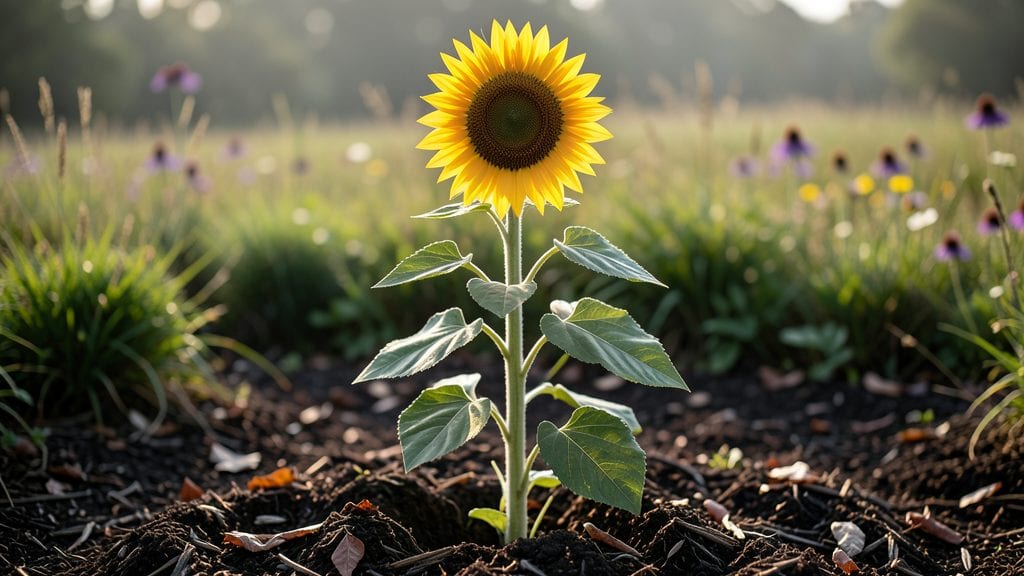
Among Mexican sunflower’s boldest Mexican flowers, the fiery orange blooms of Tithonia rotundifolia steal every show—year-round in warm climates, and from summer through frost in cooler zones. 🌻 I fell for them after seeing how they transformed a dry border. into a hummingbird magnet, their starburst petals swaying in the breeze while attracting bees, butterflies, and even hummingbirds with relentless enthusiasm.
The secret to their success lies in their drought tolerance and carefree nature—plant them in full sun with well-draining soil, and they’ll thrive with minimal fuss. Pair them with native Mexican flowers like blanketflower or firewheel for a wild, sun-drenched display that blooms continuously.
Their bold colors (orange, red, yellow) make them perfect for modern gardens, cottage-style borders, or even container arrangements.
You’ll end up with a garden that buzzes with life, where every bloom feels like a celebration. The flowers cut beautifully for arrangements too, keeping their vibrant hues for days.
Best of all? They’re pollinator superstars, supporting local ecosystems while adding drama to any space—whether you’re designing a wildflower meadow or a structured border.
Works beautifully in USDA zones 8-11, but even in cooler areas, they’ll give you 3-4 months of blooms before frost. For year-round interest, plant them alongside evergreen shrubs or succulents to bridge the off-season gaps. Let’s bring that bold, sun-soaked energy to your garden!
📚 In This Guide
- What you need
- Instructions
- Tips and common mistakes
- Wrapping up and next steps
What you need
- ● Mexican sunflower seeds – 10–50 seeds (or 1–3 plants if buying seedlings). Opt for organic, non-GMO seeds for best results.
- ● Well-draining potting mix or garden soil – 5–10 gallons (for containers) or amended native soil (for in-ground planting). Mix in compost for nutrient-rich soil.
- ● Containers or garden space – Pots (12–18" diameter) for containers or a sunny, open garden bed (6+ hours of sunlight daily).
- ● Organic fertilizer – Balanced 10-10-10 or a phosphorus-rich fertilizer (like 5-10-10) to boost blooms.
- ● Watering can or hose with a gentle spray nozzle – Mexican sunflowers hate soggy roots!
- ○ Gloves – Optional but helpful for handling soil and seeds.
- ● Trowel or small shovel – For planting seeds or seedlings.
- ● Mulch (straw, wood chips, or pine needles) – 2–3 inches to retain moisture and suppress weeds.
- ● Pruning shears – To deadhead spent blooms and encourage new growth.
- ○ Pollinator-friendly companions – Optional but fun! Pair with Mexican marigolds, blanket flowers, or salvias for a vibrant pollinator buffet.
- ● USDA Hardiness Zones 9–11 – Mexican sunflowers thrive in warm climates but can be grown as annuals in cooler zones.
- ● Patience! – Seeds may take 7–14 days to germinate in warm soil (70–85°F).
- ● Sunny spot – No compromise here—these flowers crave full sun!
How to cultivate Mexican sunflower varieties for stunning year-round color
Here’s the straightforward approach I’ve used to keep these vibrant blooms thriving in my garden—no guesswork involved.
🌱 Step 1: Select and Prepare the Planting Site
Mexican sunflowers (Tithonia rotundifolia) thrive in full sun with at least 6-8 hours of direct light daily. Choose a spot with well-draining soil—they hate soggy roots. If your soil is heavy clay, mix in 2-3 inches of compost to improve aeration and fertility before planting.
These plants grow 4-6 feet tall, so give them space—2-3 feet apart in rows for optimal airflow. I always plant them near fences or trellises to support their upright stems, especially in windy areas. The key is to avoid overcrowding, which leads to weak stems and fewer blooms.
💧 Step 2: Plant Seeds or Transplants at the Right Time
Start seeds indoors 4-6 weeks before your last frost date or sow directly in the ground after all danger of frost has passed. The soil should be at least 60°F—cooler temperatures slow germination. Plant seeds ½ inch deep and 1 inch apart, then thin to 2 feet apart once seedlings reach 3-4 inches tall.
If using transplants, harden them off for 7-10 days before moving outside. Watch for first true leaves (not the initial cotyledons) to appear—this signals they’re ready for transplanting. Water deeply the day before moving them to reduce shock.
☀️ Step 3: Water and Fertilize for Continuous Blooms
Mexican sunflowers are drought-tolerant once established, but water deeply once a week during dry spells to encourage strong root growth. Let the soil dry out 1-2 inches deep between waterings—overwatering causes root rot. I use drip irrigation to keep leaves dry, which prevents fungal issues.
Feed plants with a balanced 10-10-10 fertilizer every 4-6 weeks during the growing season. Stop fertilizing after mid-summer to encourage blooming over leafy growth. Deadhead spent flowers to prolong the season—simply snip off faded blooms at the stem base with clean pruners.
✂️ Step 4: Prune and Support for Long-Stemmed Blooms
Pinch back the tips of young plants when they reach 12-18 inches tall to encourage bushier growth. This prevents leggy stems and increases flower production. Use soft pruning shears to avoid damaging the main stem.
As plants mature, tie stems to stakes or trellises to prevent flopping, especially in windy conditions. The more support you provide, the longer and straighter the stems grow—ideal for cutting arrangements. Harvest blooms in the morning when moisture levels are highest for the longest vase life.
🪴 Step 5: Extend the Season with Strategic Care
Mexican sunflowers are tender perennials in warm climates (USDA zones 9-11) but often die back in colder regions. In frost-prone areas, cut back stems to 6 inches tall in fall and mulch heavily with 2-3 inches of straw to protect roots. They’ll often regrow in spring.
For year-round color, plant them alongside fall-blooming asters or winter pansies to create a seamless transition. Their vibrant orange and yellow blooms attract pollinators like bees and butterflies, making them a pollinator magnet from summer through early frost.
Tips & tricks for perfect Mexican sunflower cultivation
Here's what nobody tells you about keeping these bold bloomers thriving through every season.
Lighting Strategy: The 6-8 hours of direct sunlight requirement is non-negotiable, but I've found that morning sun (6am-12pm) produces the most vibrant blooms. If your garden gets afternoon shade, position taller plants toward the north side to prevent shading smaller specimens. A trick I use is to plant them near reflective surfaces like light-colored walls or gravel paths to maximize light exposure.
Soil Preparation Secret: When amending heavy clay soil with 2-3 inches of compost, I like to mix in a handful of perlite or coarse sand to create better drainage channels. This prevents the dreaded root rot while still maintaining moisture retention. The key is to work the amendments into the top 12 inches of soil—not just scratch them in on the surface.
Transplanting Timing: The 7-10 day hardening off period is crucial, but I've learned to start checking for first true leaves 5 days into the process. This gives you an early warning if your transplants aren't ready. For extra insurance, I move them outside during the warmest part of the day for the first few days, then gradually increase their outdoor time.
Watering Wisdom: While the once-weekly deep watering guideline works well, I adjust based on rainfall. After a heavy rain, I'll skip the scheduled watering and check soil moisture 2 inches deep with a screwdriver. If it's still damp, the roots are happy—no need to water. This prevents the root rot that can occur from overwatering during wet periods.
Pro Tips for Mexican Sunflower Mexican Flowers
- Here's what nobody tells you about keeping these bold bloomers thriving through every season.
- Lighting Strategy: The 6-8 hours of direct sunlight requirement is non-negotiable, but I've found that morning sun (6am-12pm) produces the most vibrant blooms.
- Soil Preparation Secret: When amending heavy clay soil with 2-3 inches of compost, I like to mix in a handful of perlite or coarse sand to create better drainage channels.
Frequently asked questions
Got questions about growing or loving Mexican sunflowers and other vibrant Mexican flowers? You’re not alone! Here are some of the most common queries—plus quick answers to help you create a pollinator paradise.
How long does it take for Mexican sunflowers to bloom?
Mexican sunflowers (Tithonia rotundifolia) typically bloom 60–90 days after planting from seeds, depending on warmth and care. If you start with transplants, expect flowers in 4–6 weeks. For year-round blooms in warm climates, they’re fast-growing perennials!
Do Mexican sunflowers need a lot of water?
Once established, these drought-tolerant beauties thrive on moderate watering—about 1 inch per week. Overwatering can cause root rot, so let the soil dry slightly between waterings. Mulch helps retain moisture while keeping roots cool. Pro tip: Reduce watering in winter if in colder zones.
Can I grow Mexican sunflowers in containers?
They’re great for large pots (12+ inches wide) with drainage holes. Use well-draining soil and fertilize lightly every 4–6 weeks. Just ensure they get 6+ hours of sun daily—containers can dry out faster, so monitor soil moisture closely.
What are some low-maintenance Mexican flowers like sunflowers?
If you love sunflowers but want other bold, pollinator-friendly Mexican flowers, try:
- Mexican bush sage (Salvia leucantha) – Silvery foliage, purple blooms, and ultra-drought-resistant.
- Firecracker flower (Russelia equisetiformis) – Cascading red-orange blooms; thrives in heat.
- Mexican orange (Choisya ternata) – Fragrant white flowers; great for hedges.
- Blanket flower (Gaillardia pulchella) – Bright red/yellow blooms; blooms all summer.
Why aren’t my Mexican sunflowers blooming?
Here are the top culprits:
- Not enough sun – They need full sun (6+ hours/day).
- Over-fertilizing – Too much nitrogen = leafy growth, fewer blooms. Use a low-nitrogen, high-phosphorus fertilizer instead.
- Pruning too late – Trim spent blooms in early spring to encourage new growth.
- Cold stress – They’re tropical; protect from frost (below 25°F) with mulch or containers.
Wrapping up and next steps
The Mexican sunflower and other vibrant Mexican flowers aren’t just stunning—they’re nature’s superheroes, turning gardens into thriving pollinator havens year-round! 🌻 From drought-resistant beauty to easy-care growing tips, these bold blooms prove that stunning and sustainable can go hand in hand.
Whether you’re a seasoned gardener or just starting, there’s no better time to invite these sun-kissed stars into your outdoor space.
Ready to transform your garden? Start small—plant a few Mexican sunflowers today and watch your yard buzz with life! 🐝💐 Check out our planting guide for step-by-step inspiration.