Flowers
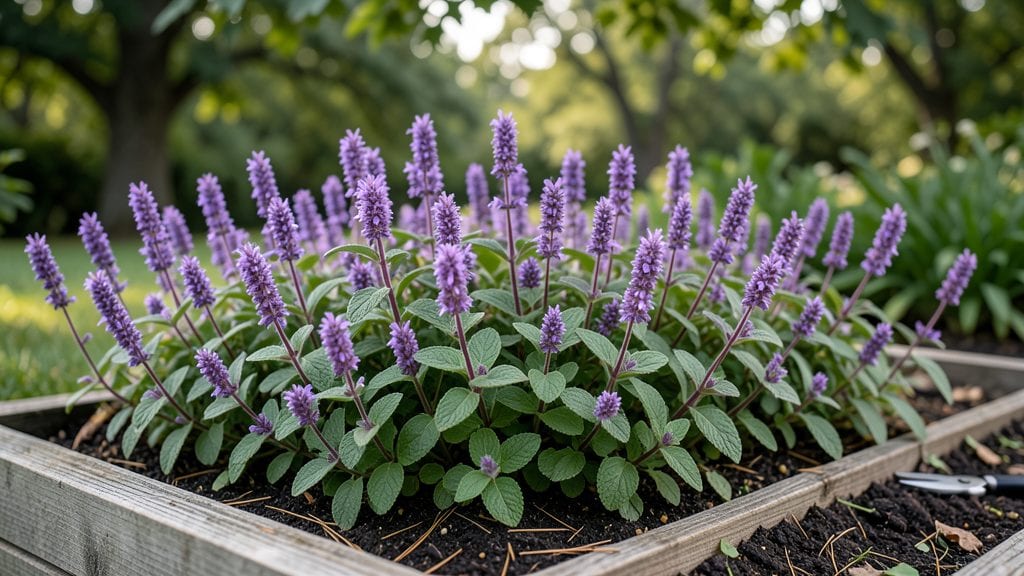
Mint in flower beds isn’t just about pest control—it’s about turning your garden into a fragrant, buzzing haven where every step releases that crisp, cool-climate aroma. 🌿 I used to think mint was just for tea, but after adding it to my cottage garden, I realized it’s a double-duty powerhouse: the purple blooms attract pollinators while the scent keeps pests at bay.
The key? Containing its spread with pots or edging so it doesn’t take over your prized perennials.
Pair it with lavender, yarrow, or catmint for a purple-and-green dream combo that thrives in partial shade to full sun. My favorite setup is a raised bed edge where mint spills over slightly—just enough to scent the air when you brush past, but not enough to choke out neighbors.
The fragrance peaks in late summer, right when mosquitoes and aphids are most active, making it a fail-safe natural repellent.
You’ll end up with a garden that smells like a mountain meadow and hums with bees and butterflies. The contrast of mint’s glossy leaves against dusty purple blooms adds texture, while its ability to deter pests means fewer chemicals and more blooms.
Plus, snipping fresh leaves for cocktails or salads feels like harvesting from your own apothecary.
Works in cottage gardens, pollinator patches, or even modern borders—just keep an eye on its roots. Whether you’re redesigning a whole bed or adding a single pot, mint transforms ordinary spaces into scented, thriving ecosystems. Let’s get planting!
📚 In This Guide
- What you need
- Instructions
- Tips and common mistakes
- Wrapping up and next steps
What you need
- ● Mint plants: 3–5 healthy mint sprigs or small pots (choose varieties like peppermint, spearmint, or pineapple mint for best results).
- ● Flower bed soil: Well-draining, slightly acidic to neutral soil (pH 6.0–7.0). Amend with compost if your soil is heavy or clay-based.
- ● Organic mulch: 2–3 inches of straw, wood chips, or shredded leaves to retain moisture and suppress weeds.
- ● Watering can or hose: With a gentle spray nozzle for even hydration.
- ○ Fertilizer (optional): Balanced organic fertilizer (10-10-10) or compost tea for a nutrient boost.
- ● Hand trowel or small garden spade for digging.
- ● Garden gloves (to protect your hands from mint’s oils and sharp soil).
- ● Pruning shears (for trimming established plants or harvesting leaves).
- ● Measuring tape or ruler (to space plants 12–18 inches apart).
- ● Spray bottle (for misting seedlings or young plants).
- ● Sunlight: Partial shade to full sun (mint thrives in 4–6 hours of sunlight daily).
- ● Water access: A consistent water source (mint loves moisture but hates soggy roots—ensure good drainage!).
- ● Pest control awareness: Mint deters pests like ants, mosquitoes, and rodents, but it’s invasive—plant it in containers if containment is a concern.
Step-by-step guide for planting mint in flower beds
Here's how I integrate mint into my cool-climate gardens—it thrives where many perennials struggle.
🌱 Step 1: Choose the Right Mint Variety and Location
Mint spreads aggressively, so pick a variety that suits your space. For flower beds, I recommend spearmint or peppermint—both stay compact compared to wild types. Plant in partial shade to full sun, but avoid hot afternoon sun in dry climates. The ideal spot gets morning sunlight and afternoon shade from taller plants.
Check your soil's drainage first. Mint dislikes soggy roots, so amend heavy clay with 2-3 inches of compost to improve airflow. I dig a 12-inch deep hole for each plant and mix in a handful of slow-release fertilizer—this gives mint a steady nutrient supply without overfeeding.
🪴 Step 2: Plant Mint with Containment in Mind
Mint roots spread underground, so contain it in 18-inch wide metal edging or heavy-duty plastic barriers buried 12 inches deep. This keeps roots from invading nearby plants. Place the barrier 6 inches outside the intended planting area to account for lateral growth.
Dig a hole twice as wide as the mint's root ball but only as deep as the container it came in. Loosen the roots gently if they're circling—this encourages outward growth. Set the plant in, backfill with soil, and water deeply to eliminate air pockets. Press the soil lightly around the base, but don't compact it.
☀️ Step 3: Water and Mulch for Cool-Climate Success
Water thoroughly once a week in cool weather, increasing to twice weekly during summer. Mint needs 1 inch of water per week, but avoid overhead sprinkling—it promotes fungal diseases. Water at the base in the morning so leaves dry quickly.
Apply 2-3 inches of mulch (straw or shredded leaves work best) to retain moisture and suppress weeds. Keep mulch 2 inches away from stems to prevent rot. In cooler climates, mint stays green year-round, but a light winter mulch of 4-6 inches protects roots from freeze-thaw cycles.
✂️ Step 4: Prune and Harvest for Pest Control
Pinch back new growth by ⅓ in early spring to encourage bushier plants. Regular pruning also prevents mint from overtaking the flower bed. Harvest leaves as needed—the more you cut, the fuller the plant grows. Use fresh leaves in pest-repellent sprays (steep in water, strain, and spray on nearby plants).
Deadhead spent flowers in late summer to redirect energy into root growth. This keeps mint vigorous through fall. If mint spreads beyond its barrier, dig up runners (horizontal stems) and replant them in their own contained pot—this prevents it from taking over the flower bed.
🌿 Step 5: Maintain and Enjoy Year-Round Benefits
Fertilize lightly once in early spring with a balanced 10-10-10 formula. Mint thrives on neglect but responds well to occasional feeding. Monitor for aphids—a strong spray of water usually removes them. If powdery mildew appears, improve airflow by thinning nearby plants.
Mint's fragrance deters pests like ants, mosquitoes, and cabbage moths, making it a natural guardian for your flower bed. In late fall, trim back woody stems but leave green growth to protect roots over winter. With minimal care, your mint will reward you with fragrant leaves and pest-free blooms for years.
Tips & tricks for perfect mint in flower beds
Here's what nobody tells you about growing mint that'll make all the difference in your garden.
Variety Selection Matters: While spearmint and peppermint are great starters, consider apple mint for its milder flavor or pineapple mint for a tropical twist. These varieties stay more compact than wild types, making them ideal for flower beds without the invasive spread. If you're dealing with limited space, opt for dwarf varieties—they're bred specifically to stay contained.
Barrier Placement Strategy: When installing your 18-inch wide containment barriers, bury them 12 inches deep and place them 6 inches outside your intended planting area. This accounts for mint's aggressive root system that can spread up to 3 feet beyond the plant itself. I've seen mint roots sneak under poorly placed barriers—bury them deep to prevent this sneaky spread!
Watering Wisdom: The 1 inch of water per week guideline works best when applied directly at the base in the morning. This prevents fungal diseases that thrive in damp leaves. In hot summer months, water twice weekly, but always check the soil first—stick your finger 2 inches deep. If it's dry, water; if it's moist, wait. Overwatering is just as harmful as underwatering for mint.
Pruning Payoff: That ⅓ pinch back in early spring isn't just about shaping—it encourages bushier growth and prevents legginess. When harvesting leaves, never take more than ⅓ of the plant at once to maintain its vigor. For pest-repellent sprays, use 1 cup of fresh leaves steeped in 2 cups of water for maximum potency. The more you prune, the more your mint will reward you with fresh, fragrant growth.
Pro Tips for Mint In Flower Beds
- Here's what nobody tells you about growing mint that'll make all the difference in your garden.
- Variety Selection Matters: While spearmint and peppermint are great starters, consider apple mint for its milder flavor or pineapple mint for a tropical twist.
- Barrier Placement Strategy: When installing your 18-inch wide containment barriers, bury them 12 inches deep and place them 6 inches outside your intended planting area.
Frequently asked questions
Got questions about adding mint to your flower beds? You’re not alone! Here are some of the most common queries—and their answers—to help you grow a fragrant, pest-repelling garden with confidence.
Can mint take over my flower bed if I plant it?
Yes, mint is a spreads like wildfire plant! Its creeping roots (rhizomes) can quickly overtake nearby flowers if not contained. To prevent this, plant mint in containers or raised beds with deep sides, or use root barriers (like buried plastic or metal edging) to keep it in check. If it does escape, pull up runners promptly—before they root!
When is the best time to plant mint in flower beds?
For cool-climate gardens, early spring (after the last frost) or early fall are ideal times to plant mint. These seasons give roots time to establish before summer heat or winter freezes stress the plant. Avoid planting in peak summer unless you’re in a mild climate—mint prefers cooler temps (60–70°F) and can bolt (flower prematurely) in extreme heat.
Does mint really keep pests away from flower beds?
Mint’s strong scent repels many common garden pests, including ants, mosquitoes, aphids, and even rabbits. The volatile oils in mint leaves disrupt pests’ sensory systems, making your flowers less appealing. For best results, plant mint near problem areas (like veggie patches or entryways) or mix it into borders. Pro tip: Crush a few leaves occasionally to release more fragrance!
What are some mint alternatives for flower beds?
If you love mint’s pest-repelling benefits but worry about invasiveness, try these non-spreading alternatives:
- Lavender: Deters pests, thrives in sunny spots, and adds beauty.
- Rosemary: Fragrant, drought-tolerant, and keeps mosquitoes away.
- Thyme: Low-growing, great for borders, and repels cabbage moths.
- Catnip: A mint-family plant that’s less aggressive and attracts pollinators.
Why is my mint turning yellow or dying?
Yellowing mint often signals overwatering, poor drainage, or fungal issues. Check these fixes:
- Ensure mint has well-draining soil—it hates soggy roots.
- Water only when the top inch of soil is dry; mint prefers moisture but not wet feet.
- If leaves look mushy or spotted, it may be powdery mildew. Improve airflow by spacing plants and avoid overhead watering.
- Too much nitrogen fertilizer can cause yellowing—opt for a balanced 10-10-10 blend instead.
Wrapping up and next steps
Adding mint to your flower beds isn’t just about beauty—it’s a game-changer for pest control, fragrance, and low-maintenance gardening! 🌿 Whether you’re a seasoned gardener or just starting out, this hardy herb brings cool-climate charm while keeping unwanted critters at bay.
Now that you’re equipped with the best tips and answers, it’s time to roll up your sleeves and plant with confidence.
Ready to transform your garden? Start small—try a single mint patch this season, observe how it thrives, and gradually expand. Your future self (and your happy plants!) will thank you. Happy gardening! 🌸