
Orchid Care
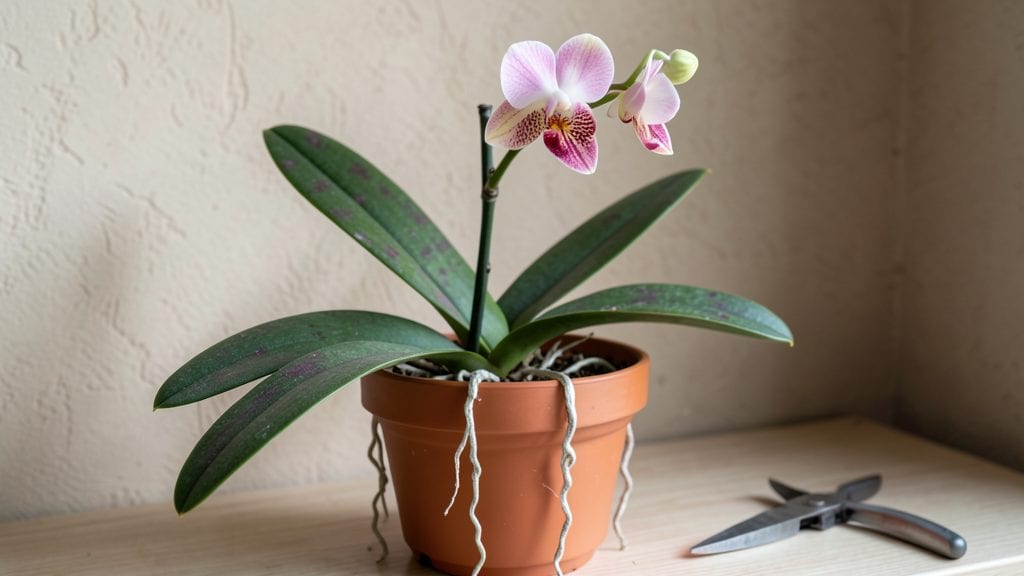
Growing monkey orchid flowers means waking up to delicate blooms that last for months—not just weeks. 🌸 I’ve nurtured these orchids through three winters, and the secret isn’t complicated: they thrive on neglect almost as much as they do on attention.
The right balance of light, water, and air keeps them blooming reliably, even in apartments with dry air.
You’ll need just three things: a bright, indirect light spot (like an east-facing window), a pot with drainage holes, and a chunky bark mix to mimic their natural perch. Watering is the trickiest part—soak the roots once a week, then let them dry completely before repeating.
Overwatering is the #1 killer, but even beginners can master this with a simple finger test.
By month three, you’ll see those signature spider-like blooms emerge, often lasting 8-12 weeks with proper care. The fragrance is light but intoxicating, and the plants reward consistency with repeat blooming cycles. No fancy equipment needed—just patience and a steady routine.
Works for both novice growers and orchid veterans, whether you’re in a humid climate or a dry one. The key is adapting the watering schedule to your home’s rhythm. Let’s get those blooms going!
📚 In This Guide
- What you need
- Instructions
- Tips and common mistakes
- Wrapping up and next steps
What you need
- ● Monkey orchid (Dendrobium phalaenopsis or hybrid) – Choose a healthy plant with firm pseudobulbs and vibrant green leaves (1-2 plants to start).
- ○ 6-inch to 8-inch pot – Use a well-draining orchid pot with slotted sides (plastic or clay). Optional: Clear plastic pots for humidity-loving varieties.
- ● High-quality orchid mix – A chunky, airy blend (50% bark, 30% sphagnum moss, 20% perlite or charcoal). Skip the soil!
- ○ Balanced orchid fertilizer – A 20-20-20 or 10-10-10 liquid fertilizer (diluted to half-strength). Optional: Slow-release granules for convenience.
- ○ Distilled or rainwater – Tap water can harm orchids due to chlorine/fluoride. Optional: A water filter if distilled isn’t available.
- ● Humidity tray or pebble tray – Helps maintain 50-70% humidity (especially in dry climates).
- ○ Grow lights (optional but helpful) – LED grow bulbs (10,000-15,000 lumens) for 12-14 hours/day if natural light is insufficient.
- ● Pruning shears or sterilized scissors – For trimming spent spikes or dividing clumps.
- ● Spray bottle – For gentle misting (orchids love humidity!).
- ○ Thermometer/hygrometer – Optional but useful to monitor 60-80°F (15-27°C) temps and humidity.
- ● Patience & a sunny windowsill – East or west-facing light is ideal (avoid harsh midday sun!).
Step-by-Step instructions for cultivating monkey orchids indoors
Here's how to coax vibrant blooms from these exotic plants without stress.
🌱 Step 1: Select the Right Orchid and Prepare Its Home
Monkey orchids (Dendrobium phalaenopsis) thrive in bright, indirect light—think east-facing windows or 6-8 feet from a south window. Avoid direct midday sun, which scorches leaves. I always choose mature plants with 3-4 pseudobulbs (the thick, leafless stems) since they bloom more reliably than younger specimens.
Use a clear plastic grow bag or 6-inch diameter clay pot with orchid-specific mix (bark, charcoal, and perlite). The mix must stay slightly moist but never soggy—water drains through quickly, so avoid heavy garden soil. If your plant came in moss, repot it into bark mix to prevent rot.
☀️ Step 2: Master the Light and Temperature Balance
Monkey orchids need cool nights (55-65°F) and warm days (70-80°F) to trigger blooming. Place your plant near a window where it gets morning sun and afternoon shade. If leaves turn yellow, it’s too much light; if they stretch pale, it’s too little.
Here’s the trick: Rotate the pot a quarter turn weekly so all sides get even light. You’ll notice new growth leaning toward the light—this is your cue to adjust placement. For winter blooming, keep the plant in a cool room (60-65°F) at night and move it to a warmer spot (70°F+) during the day.
💧 Step 3: Water with Precision—Never Overdo It
Water once a week in summer, every 10-14 days in winter, using room-temperature water. Soak the pot until water runs out the drainage holes, then let it drain completely. I use a spray bottle for mistings between waterings—just enough to keep the roots slightly damp, never wet.
Overwatering is the #1 killer. If the pseudobulbs feel soft or the leaves wilt despite moist soil, you’re watering too much. Let the top ½ inch of mix dry out before watering again. Roots should look silver-green when dry and bright green when hydrated—this is your visual cue.
✂️ Step 4: Encourage Blooms with Strategic Care
After flowering, never cut the spent spike—new blooms often grow from the same stem. If the spike turns brown and crispy, trim it 1 inch above the base. For reblooming, reduce water slightly in fall and keep nights cool (55-60°F) for 6-8 weeks—this mimics seasonal change and triggers buds.
Feed your orchid monthly in spring/summer with a diluted orchid fertilizer (¼ strength). I skip fertilizer in fall/winter when the plant rests. Yellow leaves? Too much fertilizer. Drooping? Too little water. Adjust based on what you see—orchids tell you exactly what they need.
🪴 Step 5: Repot Every 2-3 Years for Long-Term Health
Repot in early spring before new growth starts. Gently remove the plant, trim dead roots with sterilized scissors, and place it in a clean pot with fresh mix. I like to add a handful of charcoal to prevent rot—it’s a natural fungicide. Avoid repotting during bloom time, as it stresses the plant.
After repotting, hold off on watering for 5-7 days to let roots establish. You’ll see new roots emerging within 2-3 weeks—this means your orchid is happy and ready to bloom again. Keep it in bright, indirect light during recovery, and resume normal care once roots are active.
Tips & tricks for perfect monkey orchid flower care
Real talk: Orchids don't need to be finicky—just a few key tricks make all the difference. Here's how to keep yours thriving with minimal fuss.
Light Positioning: In Step 2, when you're adjusting for morning sun and afternoon shade, here's what I learned the hard way: East-facing windows are ideal, but if that's not an option, use a sheer curtain to diffuse south-facing light. I've seen orchids get sunburned from even a few hours of direct afternoon sun—look for crispy leaf edges as your warning sign. A simple trick is to place your orchid 1-2 feet back from the window to create that perfect indirect light environment.
Temperature Tricks: The 55-65°F nighttime range in Step 2 is your secret weapon for blooming. I use a small thermometer near my orchid to monitor temps—especially in winter when my house gets chilly. If you don't have a thermometer, feel the room: it should feel cool but not cold like a refrigerator. For winter blooming, I move my orchid to my bedroom at night where it's naturally cooler, then bring it to a warmer spot by the window during the day.
Watering Wisdom: When you're following the summer/winter watering schedule in Step 3, here's the pro move: Always water in the morning so excess moisture evaporates during the day. I use a spray bottle for misting between waterings, but only lightly—just enough to keep the roots slightly damp. The key is to never let water pool in the pot's saucer, which can cause root rot. I've ruined orchids by keeping them too wet, so I always check by lifting the pot: if it feels heavy, it's still too moist.
Bloom Trigger: For that 6-8 week cool night treatment in Step 4, here's my game-changer: Set a reminder on your phone for exactly 6 weeks from when you want blooms. This mimics autumn's cooling effect. I also find that reducing water to every 2 weeks during this period helps signal the plant to focus on blooming rather than growing leaves. The first signs of success will be tiny buds forming at the base of your orchid's stems—this is your cue that the treatment is working!
Pro Tips for Monkey Orchid Flower
- Real talk: Orchids don't need to be finicky—just a few key tricks make all the difference.
- I've seen orchids get sunburned from even a few hours of direct afternoon sun—look for crispy leaf edges as your warning sign.
- Temperature Tricks: The 55-65°F nighttime range in Step 2 is your secret weapon for blooming.
Frequently asked questions
Got questions about growing monkey orchid flowers? You’re not alone! Here are answers to the most common queries—from blooming secrets to troubleshooting tips.
How do I encourage my monkey orchid to rebloom?
Monkey orchids (like Dendrobium hybrids) often rebloom with the right care. After flowers fade, reduce watering and fertilize lightly (every 4–6 weeks) with a balanced orchid mix. Keep them in bright, indirect light and maintain temps between 60–75°F (15–24°C). Patience pays off—reblooms typically appear in 6–12 months!
Why isn’t my monkey orchid flowering?
Lack of blooms usually stems from light, temperature, or rest period issues. Ensure it gets 12+ hours of light daily (but no direct sun). Try a cool night (50–60°F / 10–15°C) for 4–6 weeks to mimic winter. If it’s been overwatered, let the potting mix dry slightly between waterings. Pro tip: Older plants (2+ years) bloom more reliably!
How often should I water a monkey orchid?
Water once a week (or when the potting mix feels lightly dry to the touch). Use room-temperature water and avoid soggy roots—never let it sit in water. In winter, cut back to every 10–14 days. Key trick: Water in the morning so excess drains away by night.
Can I grow monkey orchids indoors without a greenhouse?
Place them near east- or north-facing windows (or under grow lights for 12+ hours/day). A humidity tray or pebble tray with water helps mimic tropical conditions. Avoid drafts or heating vents—consistent temps (60–85°F / 15–29°C) are key. Bonus: Grouping plants boosts humidity naturally!
What pests should I watch for, and how do I treat them?
Monkey orchids are tough, but scale, mealybugs, or spider mites can appear. Isolate the plant if you spot pests. Wipe leaves with soapy water (1 tsp mild soap per quart) or use neem oil (1 tsp per cup of water). For stubborn infestations, rinse with water to remove pests, then repeat treatments every 5–7 days.
Wrapping up and next steps
The monkey orchid flower is a stunning, low-maintenance gem that can brighten your space with its exotic beauty year-round! With the right light, soil, and a little patience, you’ll enjoy Dendrobium blooms that rival tropical paradises—without the fuss. 🌿✨
Ready to dive in? Start by gathering your supplies, then follow the simple steps to nurture your orchid. Your next step? Pick a healthy plant, pot it up, and let nature do the rest—soon, you’ll be the proud caretaker of these breathtaking blooms! 🌸💚